

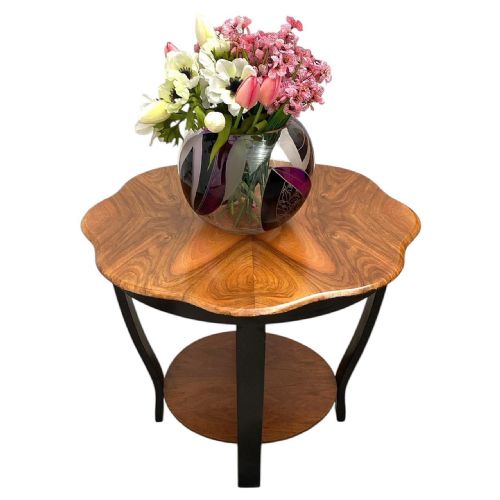

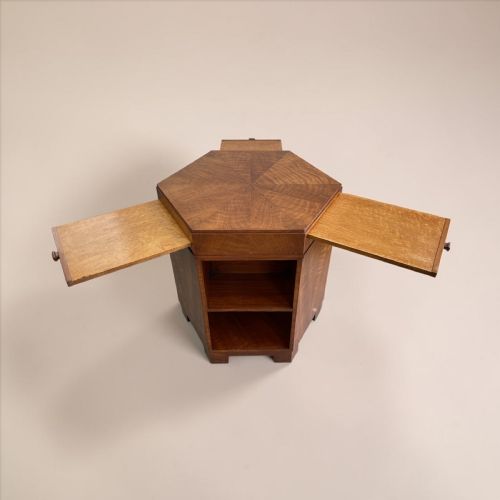

1930s Walnut Coffee Table
These pieces unite bold geometric lines with rich timber figures, offering a practical surface grounded in the design of the interwar period.
1930s Walnut Coffee Table
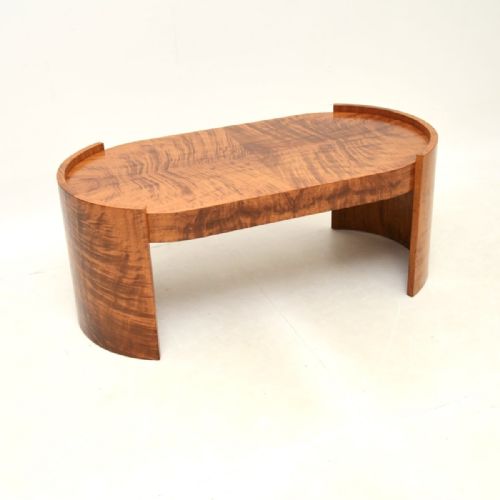
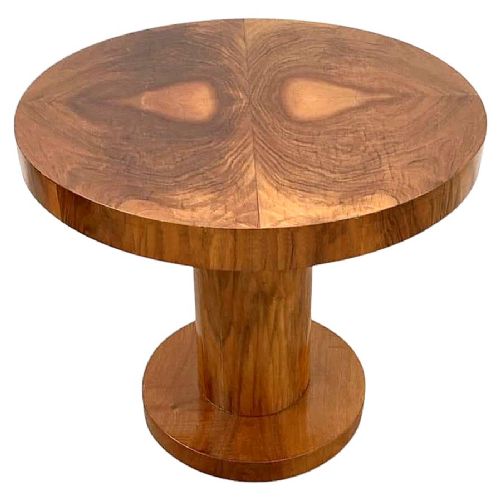
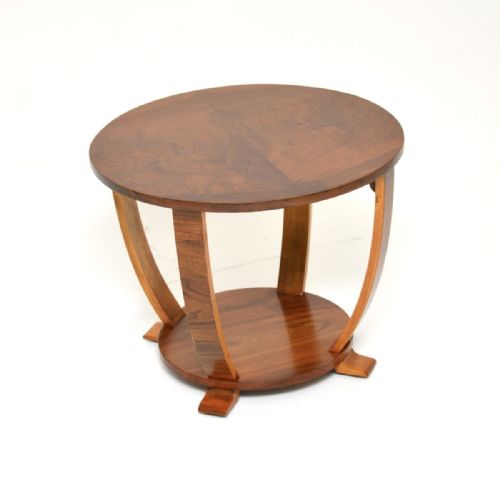
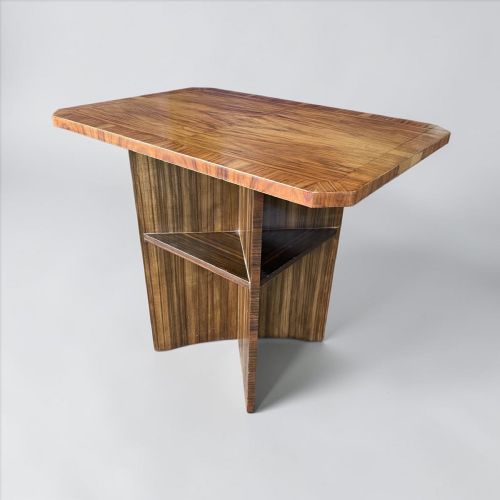
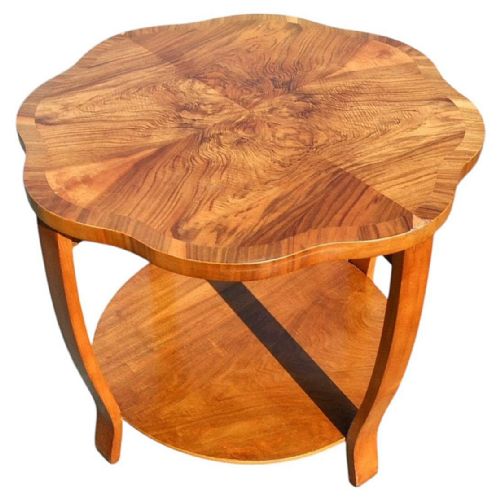
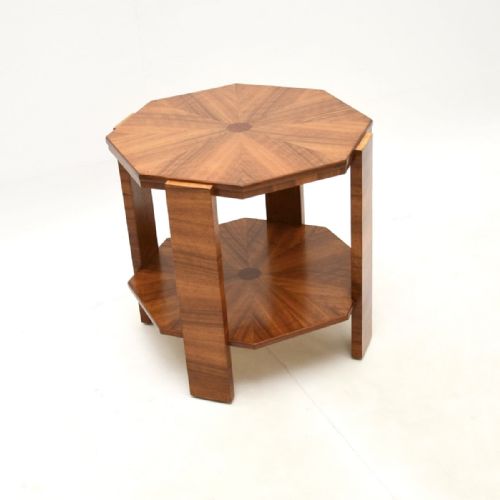
A 1930s walnut coffee table brings the distinct aesthetic of the Art Deco period into a modern room, appearing in forms ranging from low single surfaces to multi-tiered occasional designs. Most examples encountered here date from around nineteen thirty, reflecting the height of modernist furniture production in England and France.
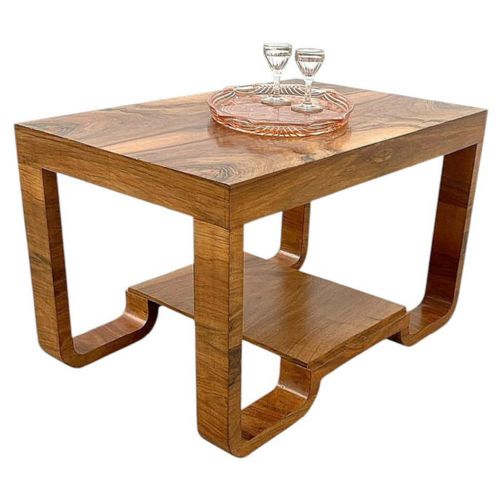
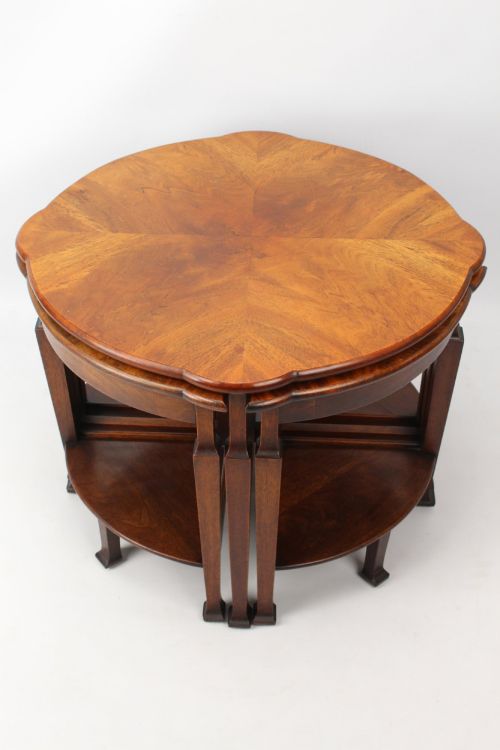
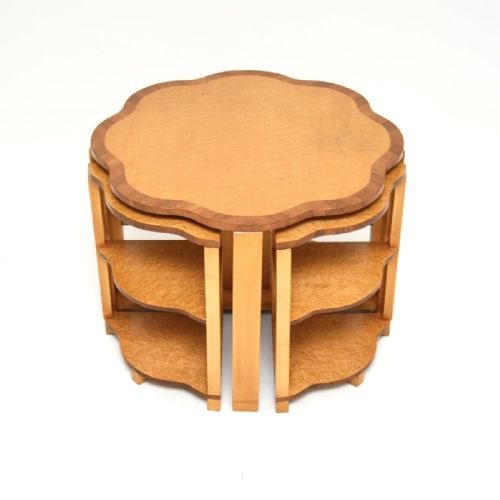
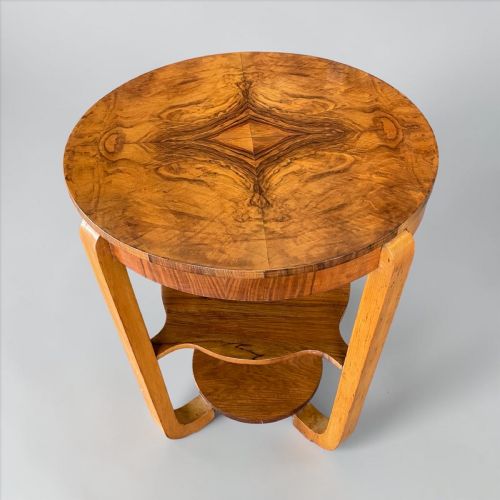
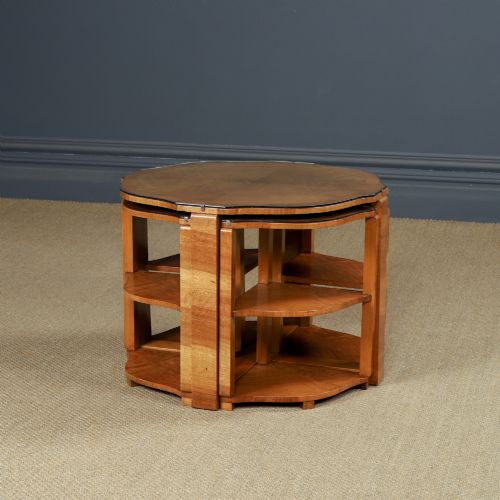
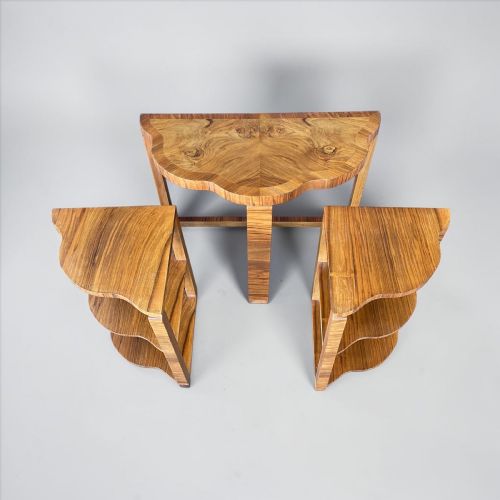
Beyond the standard single-surface coffee table, the selection frequently includes nests of tables, two-tier designs with storage shelves, and occasional pieces on casters. The timber shows significant variety, appearing as plain walnut, figured grain, burr walnut, or birds eye maple, occasionally contrasted with ebonised wood or chrome details.
Makers and retailers such as Harry and Lou Epstein and Heal's contributed to this repertoire, producing pieces that function equally well as lamp tables, side tables, or central room furnishings. Buyers look to these forms for their compact utility and strong architectural silhouettes.
Assessing quality and craftsmanship
Quality in these tables rests primarily on the choice and handling of the veneer, where expertly matched burr walnut or figured grain distinguishes a superior piece from plain timber surfaces. The complexity of the form also dictates the standard, with two-tier structures, nests of multiple tables, and combinations of walnut with maple or chrome representing higher tiers of production.
The integrity of the construction, from the stability of multi-tier uprights to the smooth movement of casters or nesting frames, marks the difference between standard workshop output and high-end retailer commissions.
1930s Walnut Coffee Table Retail Price Guide 2026
Typical asking prices for 1930s walnut coffee table among the pieces listed under this phrase on Sellingantiques today, from the lower quarter to the upper quarter. They describe what is for sale here now, not the wider market.
Materials recorded across the archive include walnut, burr walnut, birds eye maple, glass, ebonised wood, and chrome.
Harry and Lou Epstein·Heal's
The 1930s Walnut Coffee Table Glossary
- Burr Walnut
- A prized timber harvested from growth excrescences on walnut trees, yielding highly swirling, complex grain patterns used for decorative veneer.
- Art Deco
- The dominant design style of the interwar period, characterised by sleek geometric shapes, streamlined forms, and modern industrial materials.
- Nest of Tables
- A set of graduated tables designed to fit neatly one beneath another when not in use, saving floor space.
- Ebonised Wood
- Timber treated with a finish to imitate ebony, providing a deep black contrast against lighter walnut veneers.
1930s Walnut Coffee Table: Frequently Asked Questions
How do I identify a genuine 1930s piece?
Authentic examples display characteristic Art Deco geometry, construction methods typical of the interwar period, and traditional veneer work using walnut or maple.
Look closely at the secondary woods and the style of the hardware, such as casters or chrome supports, which align with manufacturing standards of nineteen thirty.
How should I care for walnut veneer?
Protect the wood by avoiding direct sunlight and excessive moisture, which can damage the delicate veneer surfaces over time.
Regular dusting with a soft cloth and occasional treatment with appropriate wood maintenance products will preserve the grain's depth.
Are nesting tables practical for daily use?
Nesting tables offer exceptional versatility, allowing multiple surfaces to be deployed around a room when entertaining and stored compactly otherwise.
They appear in sets ranging from three to five pieces, providing flexible placement options for lamps and drinks.