

Antique Walnut Low Table
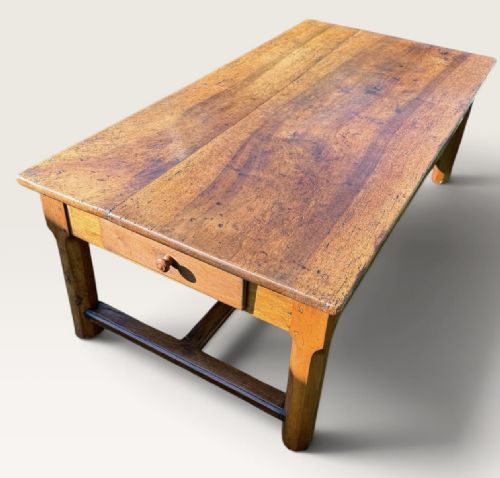
An antique walnut low table brings deep timber figure and low-slung proportion to a room, offering a stable surface for daily use.
What an antique walnut low table is
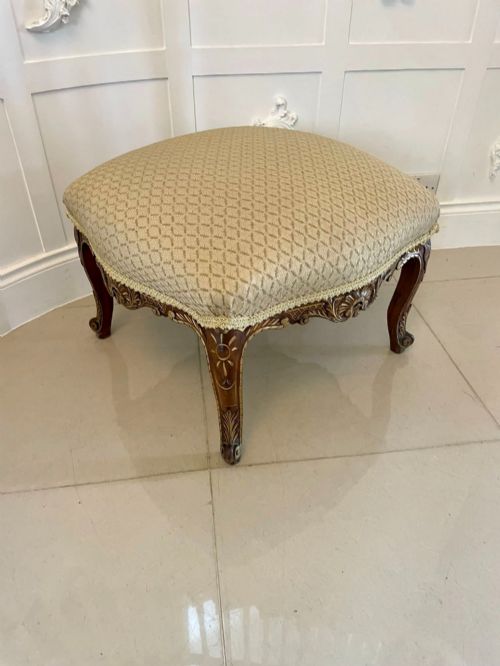
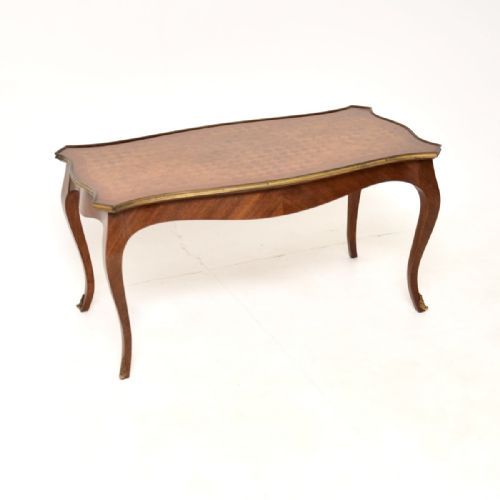
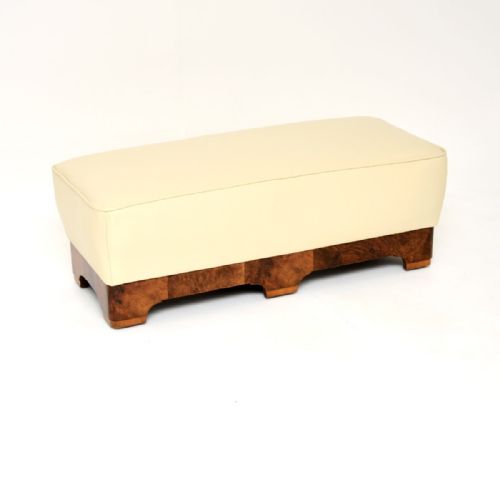
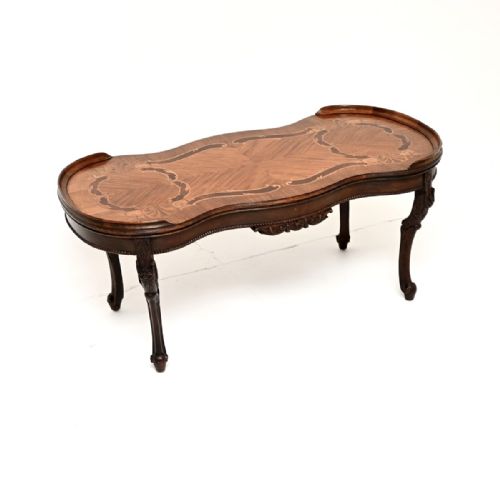
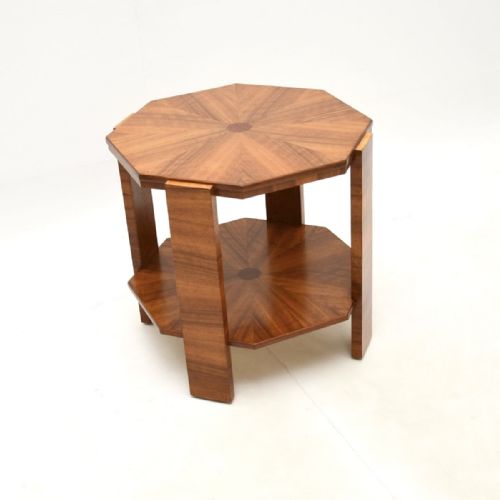
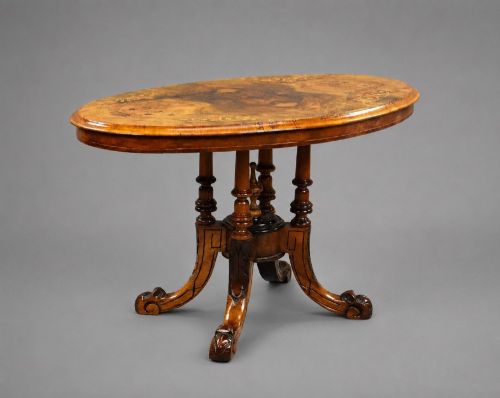
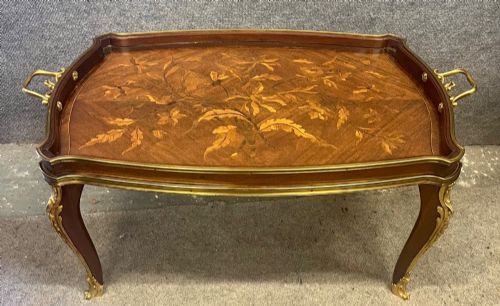
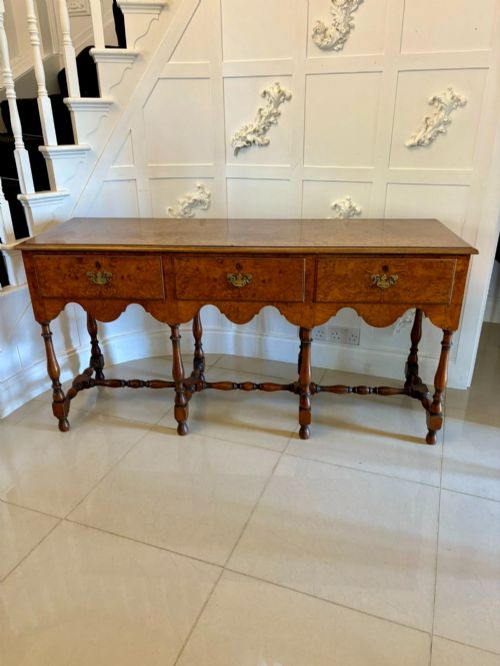
When searching for an antique walnut low table, buyers encounter a mix of dedicated coffee tables, low occasional tables, and adapted lowboy forms originating from the eighteenth century onwards. The selection on this page relies heavily upon Victorian, Edwardian, and Art Deco interpretations, alongside earlier regional styles.
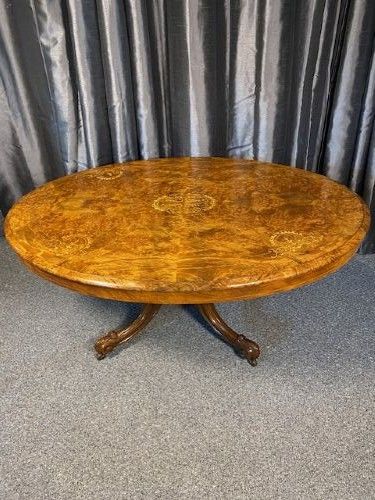
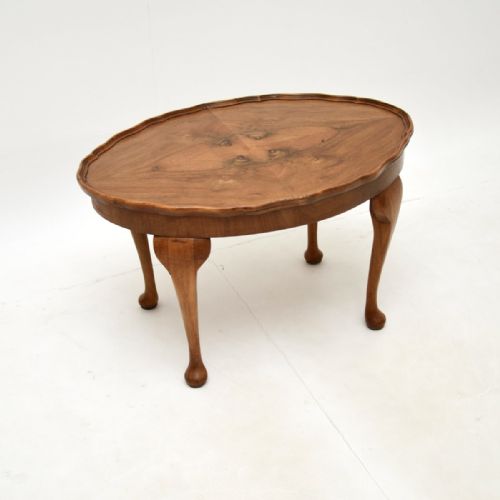
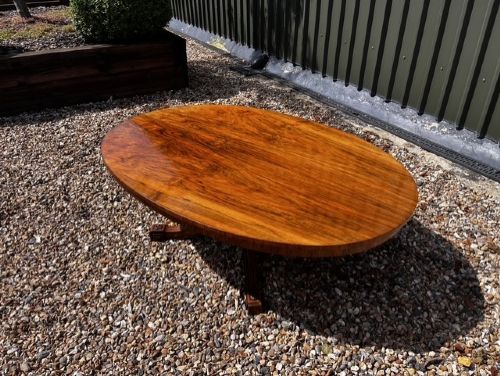
Forms span rectangular shapes, circular tops, oval formats, and two-tier designs intended for practical display and everyday service. Many examples utilise traditional side table proportions lowered over time or constructed specifically to sit near seating.
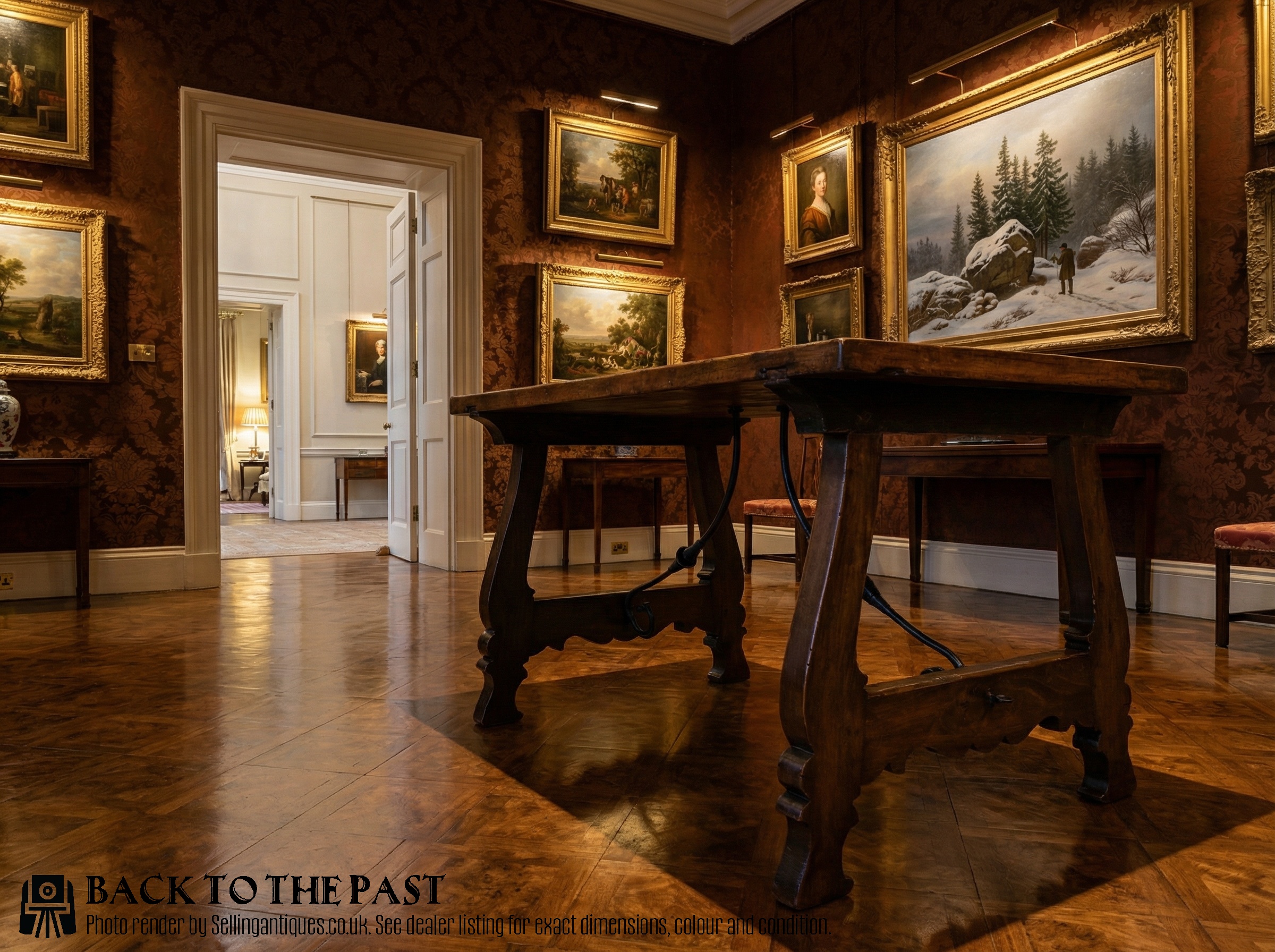
How they were made
Construction relies upon solid hardwood framing augmented by decorative veneers, particularly burr walnut and figured walnut selected for dynamic grain patterns. Workshops also employed wrought iron elements and glass inserts where period designs required contrasting textures.
Cabinetmakers utilised quarter veneering, marquetry inlay, and pie crust edging to enhance the visual weight of the timber. Joinery traditions standard to English, French, and Spanish provincial workshops dictate the structural integrity beneath these decorative surfaces.
Retail Price Guide 2026
Typical UK retail prices for walnut low table, calculated from the Sellingantiques database of over a million retail prices indexed since 2003. This retail price guide relies exclusively on Sellingantiques data; no external sources or auction records are used, so the figures do not describe the wider market.
One dining table came with six chairs by Merryweather of Holloway London, proving walnut travels in large company.
What varies in quality
Quality rests in the selection of the timber veneer, where dense, symmetrical burr formations command greater visual presence than plain boards. The depth of the grain and the skill of the matching across table tops distinguish standard production from superior pieces.
The sophistication of secondary details, such as inlaid marquetry work, carved edges, and the handling of structural joints, marks the division between utilitarian furniture and exceptional examples from prominent makers.
Gillow and Co·Waring and Gillows·Merryweather of Holloway London
The Antique Walnut Low Table Glossary
- Burr Walnut
- A timber cut from walnut tree growths, yielding a swirling, highly figured grain pattern prized for decorative table tops. It creates distinctive organic patterns across the surface.
- Lowboy
- A small eighteenth-century table with drawers, often adapted or sought as a low side table today. These pieces typically feature slender legs supporting a compact body.
- Figured Walnut
- Timber exhibiting exceptional grain patterns caused by local growth variations in the tree. This wood is selected specifically for its aesthetic impact on prominent surfaces.
- Marquetry
- The art of applying pieces of veneer to a structure to form decorative patterns and pictures. Craftsmen use contrasting woods to create detailed geometric or floral motifs.
Frequently Asked Questions
How do I use an antique walnut low table?
These tables function well as central coffee tables in living spaces, holding books, lamps, and daily items near seating. Their low proportions keep sightlines open across a room.
In secondary spaces, they serve as lamp tables or low side surfaces against walls. The timber grain adds warmth to modern and traditional interiors alike.
What periods do these low tables come from?
The selection spans from eighteenth-century pieces through Victorian and Edwardian eras, extending into Art Deco designs from around nineteen thirty. Earlier pieces often originate from Georgian traditions.
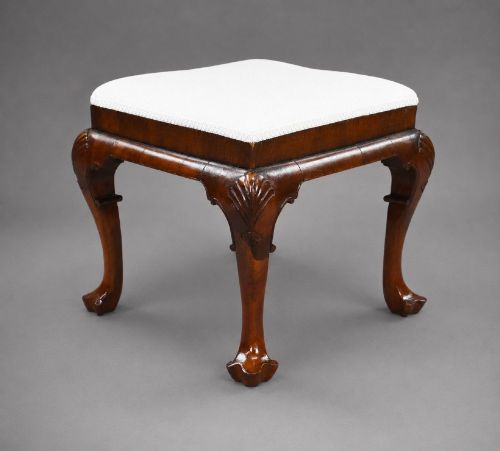
Stylistic revivals also appear, including Queen Anne and French or Spanish provincial designs. Each era brings distinct leg forms, edge treatments, and timber preparations.
Are all these tables originally low tables?
Many dedicated coffee tables date from the Edwardian and Art Deco periods or later twentieth-century adaptations. Earlier forms frequently started life as taller side tables, dressing tables, or lowboys.
Makers and subsequent restorers occasionally lowered these items to suit modern seating heights. The archive shows a strong presence of converted eighteenth and nineteenth-century forms alongside purpose-built low tables.
How do I care for walnut veneer?
Keep walnut furniture away from direct sunlight and strong heat sources to prevent the timber and veneer from drying out or splitting. Use coasters and mats to protect the polished surface from moisture.
Apply suitable furniture wax occasionally to maintain the lustre of the wood. Gentle dusting with a soft cloth preserves the historic finish without scratching the surface.