

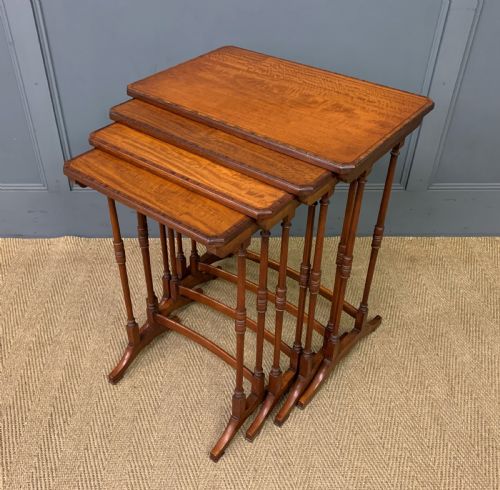


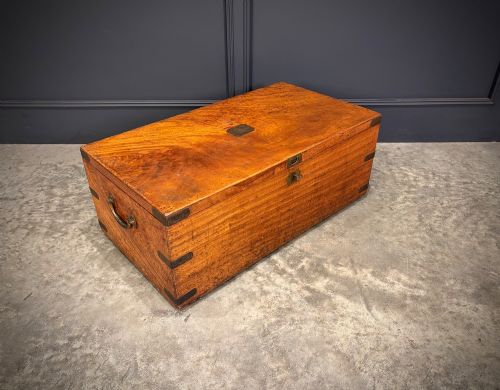


Warm Brown Coffee Table
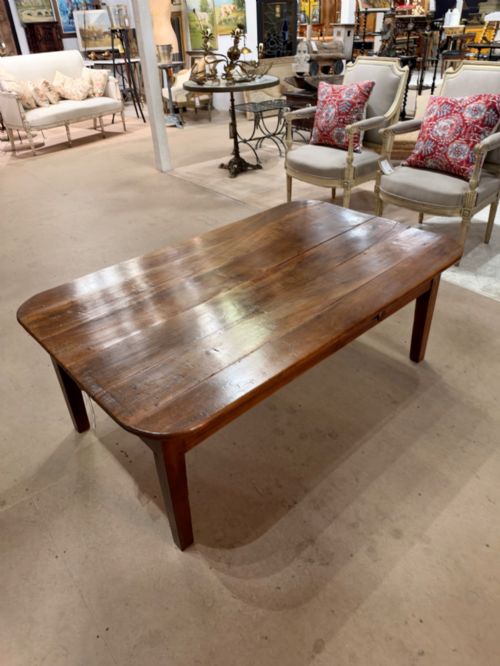
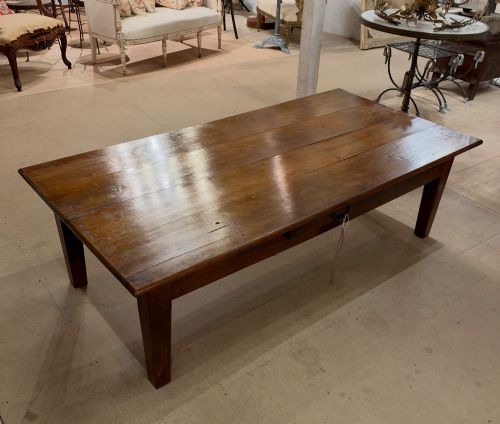
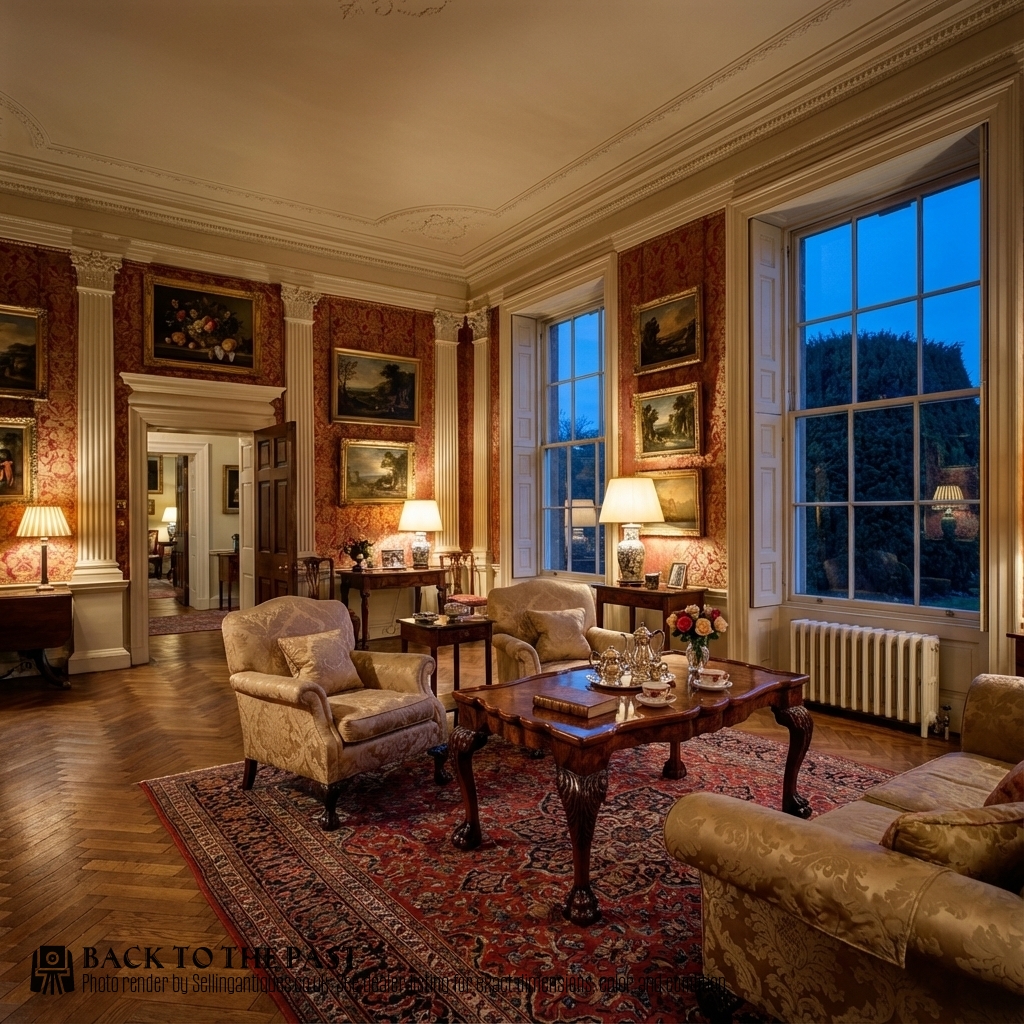
A warm brown coffee table brings rich timber grain and deep patination to a sitting room, anchoring the space with tactile historical presence.
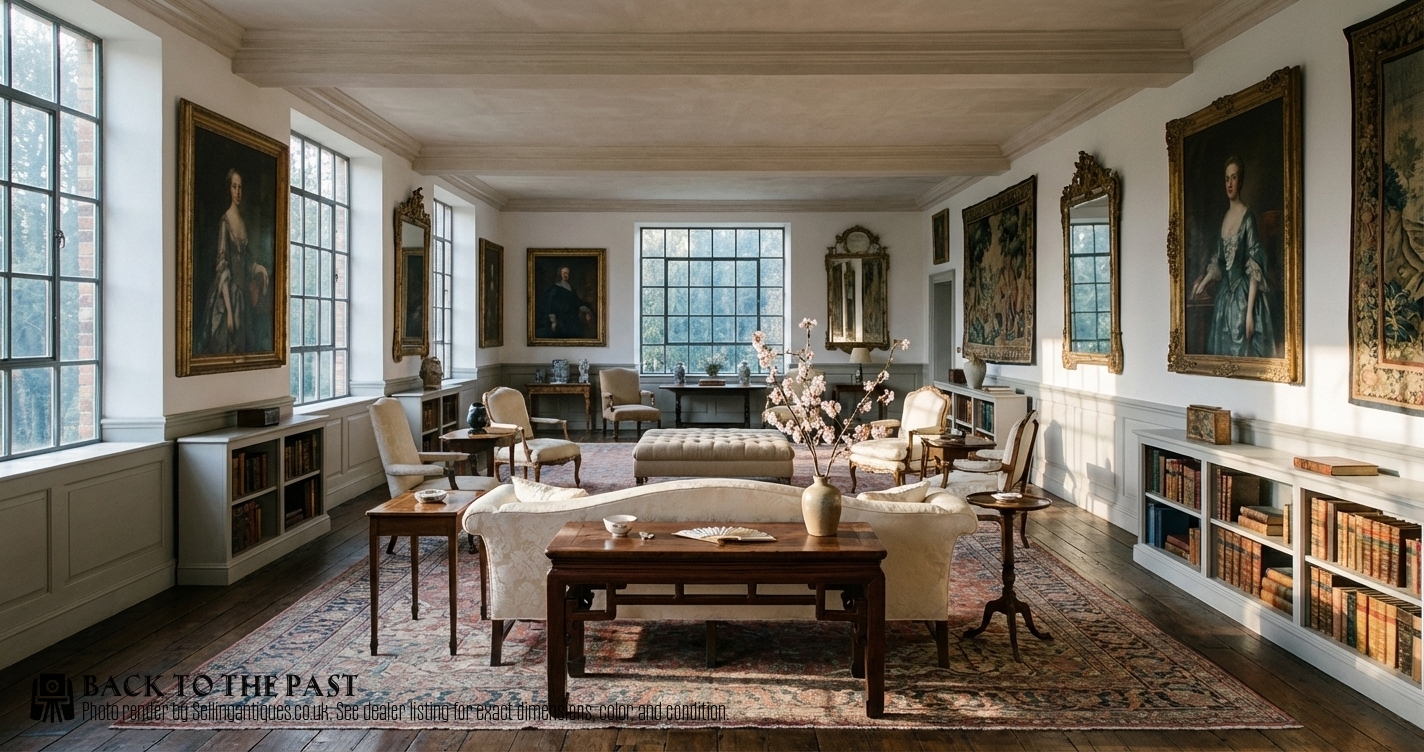
Warm Brown Coffee Table
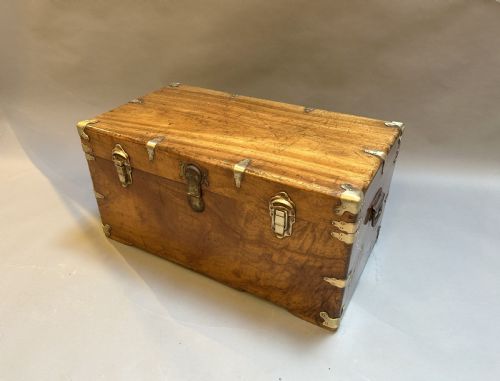
A warm brown coffee table encompasses low utilitarian surfaces, adapted trunks, and low tables drawn from the eighteenth, nineteenth, and early twentieth centuries. Walnut, oak, mahogany, fruitwood, and camphor wood supply the predominant brown tones seen across these examples.
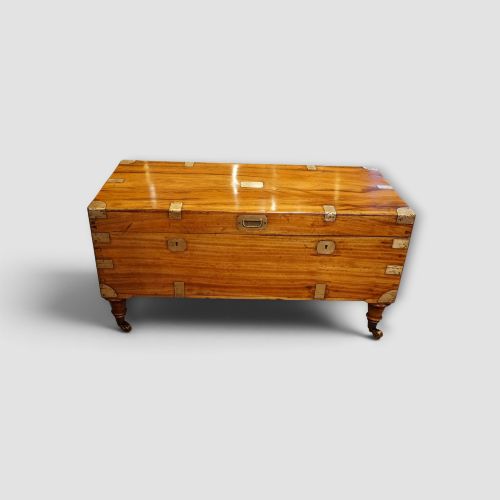
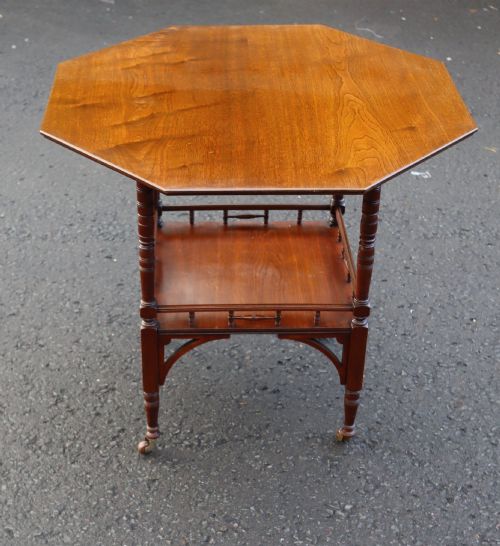
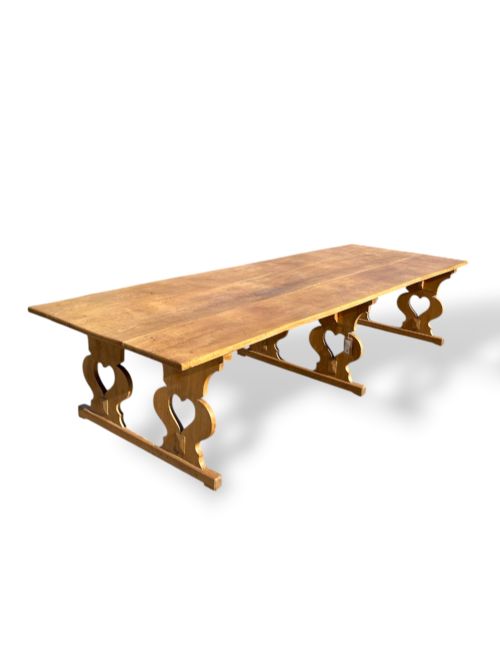
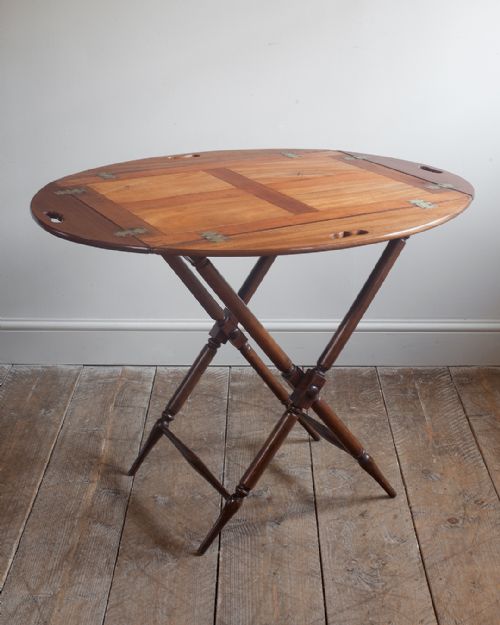
Buyers will encounter varied forms on this page, ranging from adapted campaign trunks and butlers trays on stands to round occasional tables and low refectory formats. Pieces originate from periods spanning Georgian and Victorian eras through to Art Deco and Edwardian designs.
Rustic farmhouse variants and primitive country styles sit alongside formal figured walnut and inlaid satinwood pieces. This diverse grouping reflects how earlier chests and low tables find new utility in contemporary reception rooms.
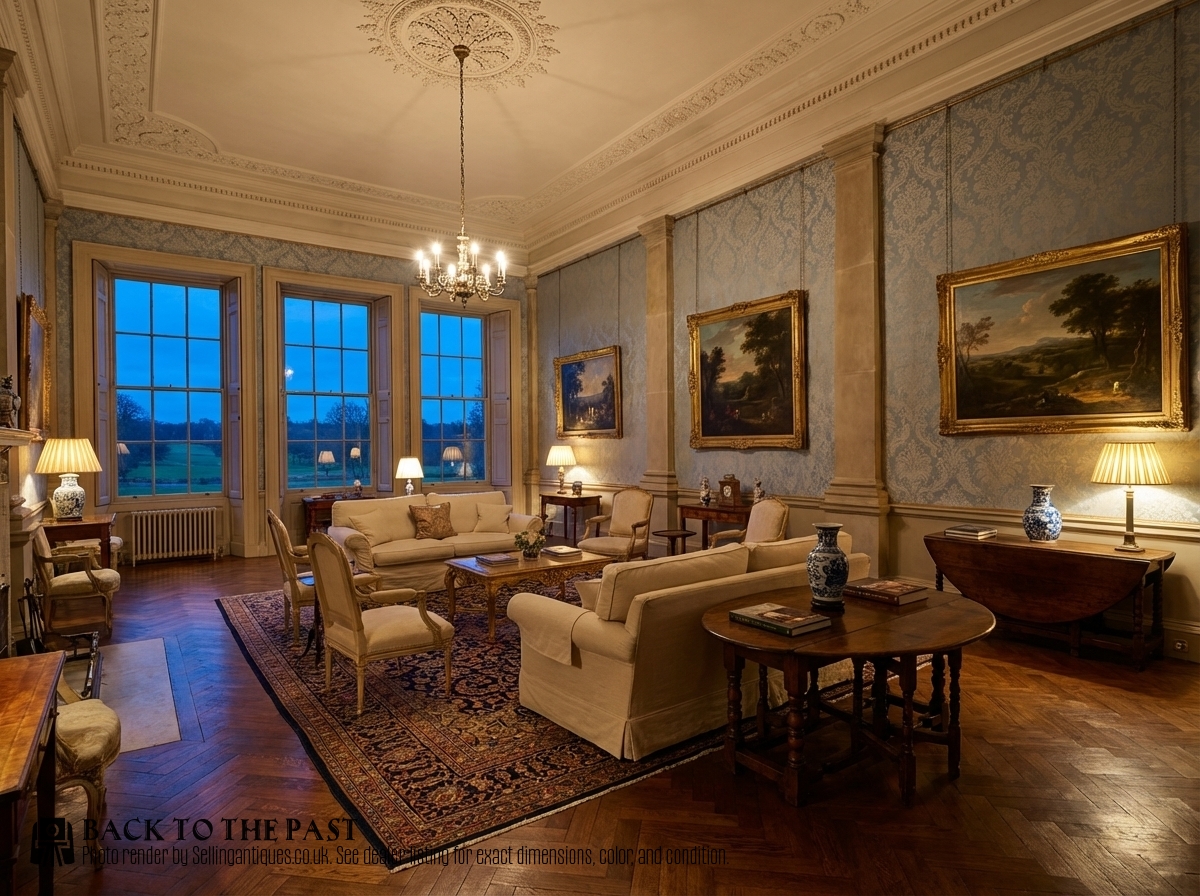
Materials and construction methods
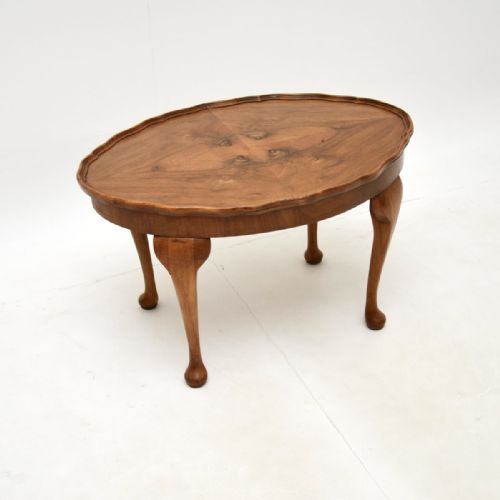
Cabinetmakers utilised dense hardwoods such as oak, walnut, and mahogany, often selecting figured grains for top surfaces to catch the light. Camphor wood and fruitwood appear frequently, chosen for their distinctive scent and durable grain structures.
Brass corners, handles, and strapwork reinforce campaign trunks, whilst turned legs, pegged joints, and parquetry framing secure the structural integrity of tables and coffers. Surface decoration relies on natural timber tones rather than heavy pigmentation, allowing the grain to speak for itself.
Warm Brown Coffee Table Retail Price Guide 2026
Typical asking prices for warm brown coffee table among the pieces listed under this phrase on Sellingantiques today, from the lower quarter to the upper quarter. They describe what is for sale here now, not the wider market.
Periods represented range from the 18th century through the Victorian era, Edwardian period, and 1930s Art Deco.
Judging the standard of execution
The sophistication of the timber selection dictates visual appeal, with highly figured walnut or book-matched mahogany sitting above plain utility timbers. Crispness in turned legs, fine dovetail joinery, and the retention of original brass hardware elevate certain examples.
Proportion and conversion scale mark the division between purpose-built low tables and pieces adapted from earlier trunks, trays, or high dining tables. Retaining untouched patination and original surface finishes provides a more compelling visual result than heavily stripped or modernly varnished timber.
The Warm Brown Coffee Table Glossary
- Campaign trunk
- A portable chest constructed in sections with brass corners and recessed carrying handles, designed for military travel.
- Butlers tray
- A detachable wooden tray with hinged or shaped sides, usually set upon a folding wooden stand for serving.
- Parquetry
- Geometric mosaic woodwork arranged in decorative patterns across a tabletop or surface.
- Pie crust table
- A small round table featuring a raised, carved, and scalloped edge resembling pastrywork.
- Fruitwood
- Timber sourced from fruit-bearing trees such as cherry or pear, valued for a warm hue and smooth grain.
- Refectory table
- A long, narrow dining table adapted down in height to serve as a low coffee table.
Warm Brown Coffee Table: Frequently Asked Questions
What periods do these tables come from?
The selection spans from the eighteenth century through the nineteenth century and into early twentieth-century movements like Art Deco.
Specific eras represented include Georgian, Victorian, Edwardian, and the 1920s to 1930s.
How were campaign trunks used originally?
Camphor wood and brass-bound trunks served British military officers and travellers as durable luggage for long sea voyages.
Today, these robust chests function well as coffee tables with integrated internal storage.
Are these original coffee tables or conversions?
Many low tables originate as nineteenth-century butlers trays, chests, or dough-proving boxes placed onto custom stands.
Others are purpose-built low occasional tables, nests of tables, or low oriental furniture forms.
Which woods provide the warmest brown tones?
Walnut, figured walnut, mahogany, and antique oak supply deep, rich brown colorations with varied grain patterns.
Fruitwood and camphor wood offer softer, lighter honey-brown hues with distinct character.
How do I care for antique timber surfaces?
Maintain the finish by dusting with a dry cloth and applying traditional beeswax periodically to nourish the wood.
Avoid placing hot cups or moisture directly onto the antique timber without protective coasters.