



Rustic Oak Coffee Table
A rustic oak coffee table brings honest timber and utility into a room, grounding the space with centuries of practical craftsmanship.
Rustic Oak Coffee Table
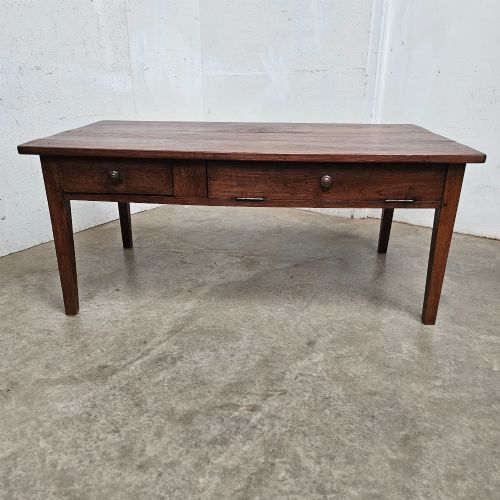
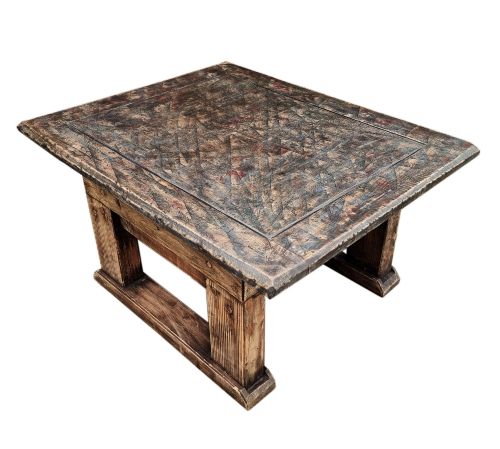
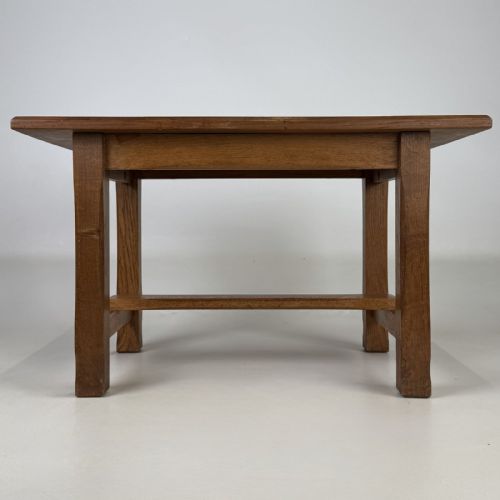
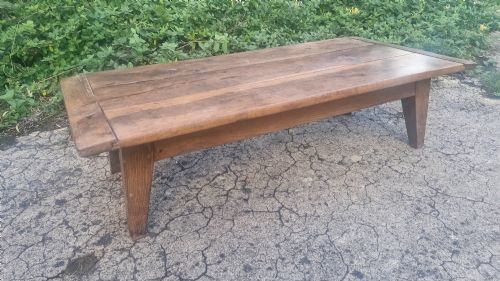
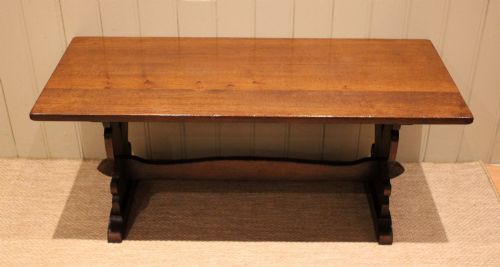
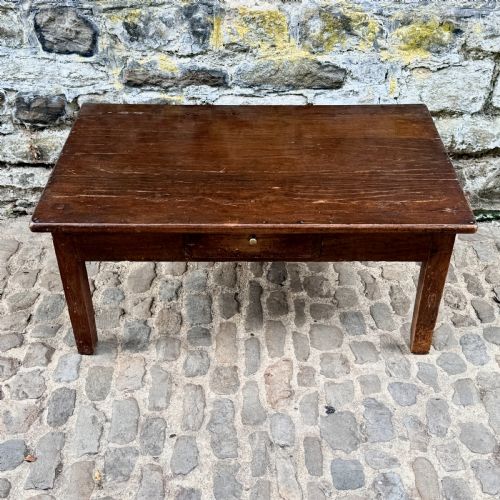
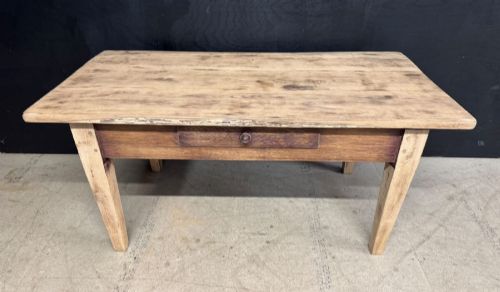
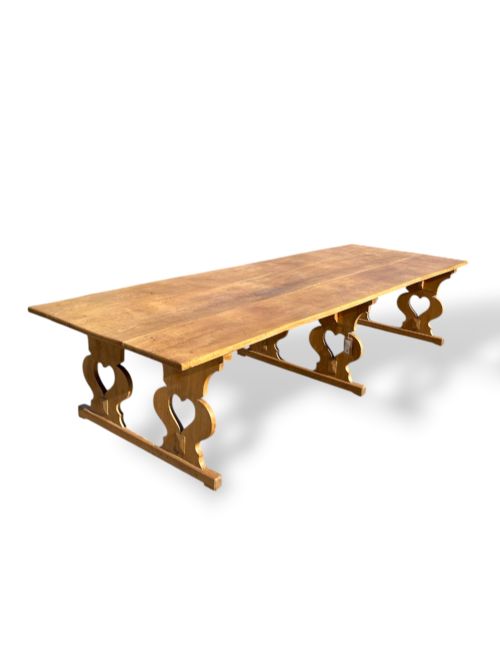
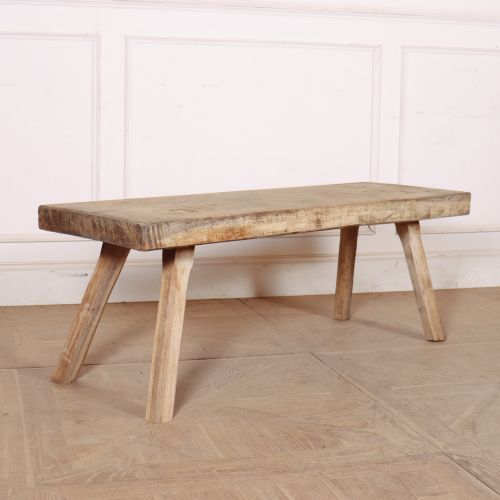
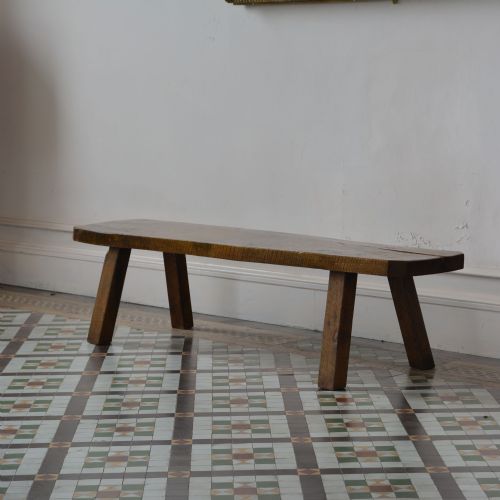
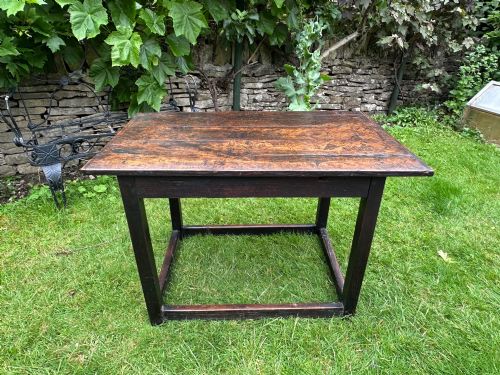
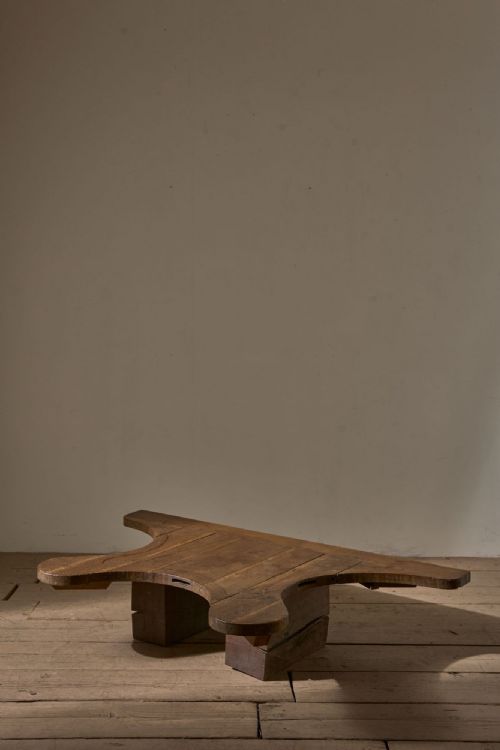
A rustic oak coffee table encompasses low variants adapted from earlier work benches, farmhouse tables, and tavern furniture. These pieces span from the late seventeenth century through the Victorian and Edwardian eras, drawing on utilitarian forms such as pig benches, cheese press tables, and low side tables.
The versions most commonly found here originate from French provincial workshops or English rural houses, often fashioned from thick planks of oak supported by simple turned legs or trestle bases. They retain the marks of daily use, showing deep grain, knots, and patinated surfaces that reveal their functional origins.
Materials and Construction Methods
These tables rely principally on solid oak, frequently paired with secondary timbers like elm, sycamore, chestnut, and pine depending on regional availability. Workshops utilised heavy plank tops, pegged joints, and robust underframes designed to withstand rigorous domestic or agricultural tasks without the need for delicate veneers.
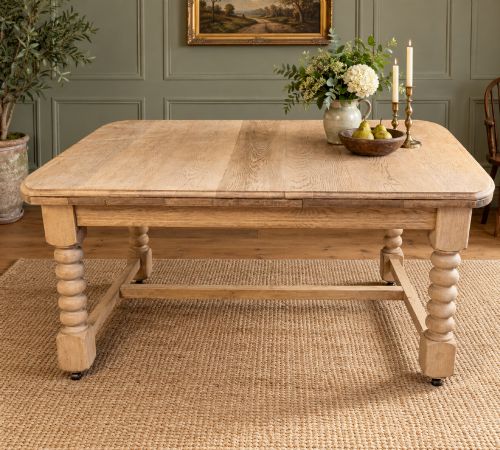
Surface preparation ranges from scrubbed finishes and bleached patinas to traditional wax treatments that highlight the natural figure of the timber. Iron brackets, handles, and nails occasionally reinforce the structure, reflecting the pragmatic approach of provincial joinery.
Rustic Oak Coffee Table Retail Price Guide 2026
Typical asking prices for rustic oak coffee table among the pieces listed under this phrase on Sellingantiques today, from the lower quarter to the upper quarter. They describe what is for sale here now, not the wider market.
Listings feature oak, elm, pine, and iron across periods spanning from the seventeenth century through the Edwardian era.
Distinctions in Build and Preservation
Quality rests in the integrity of the timber and the honesty of the construction, where boards retain their original thickness and structural support remains sound. Pieces featuring unaltered surfaces, genuine period patination, and original underframes command greater appreciation than those altered or overly restored.
Proportion and scale also define the piece, as lower heights adapted for modern domestic use require balanced dimensions that do not compromise the original character of the plank top or base.
The Rustic Oak Coffee Table Glossary
- Pig bench
- A low wooden bench originally used in agricultural settings, frequently repurposed as a coffee table due to its ideal height and narrow proportions.
- Plank top
- A surface constructed from wide boards of solid timber joined edge to edge, displaying the natural grain and growth rings of the tree.
- Bleached oak
- Oak timber treated to lighten the surface colour, often associated with French provincial furniture and scrubbed farmhouse finishes.
- Trestle base
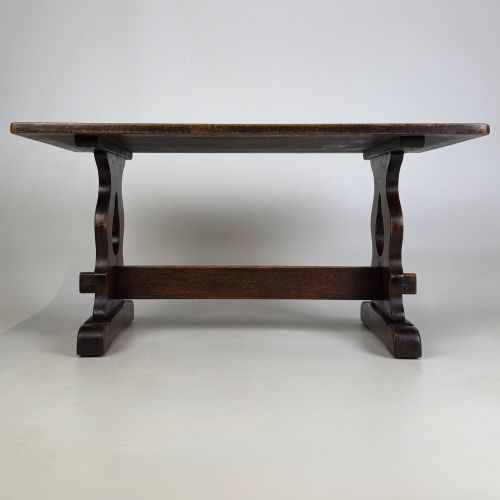
- A support structure consisting of two or more vertical frames connected by a horizontal stretcher, commonly found on long or heavy tables.
Rustic Oak Coffee Table: Frequently Asked Questions
How do I choose the right size?
Consider the proportions of your seating area and allow sufficient clearance around the edges for movement. Lower tables work effectively against deep sofas, while narrower variants suit more compact rooms.
Measure the available floor space carefully to ensure the length of the top complements the surrounding furniture without dominating the room.
Are these tables suitable for daily use?
Solid oak and hardwood construction provides a durable surface that handles everyday demands with ease. The natural resilience of the timber makes these pieces practical for living spaces.
Routine care involves simple dusting and occasional waxing to maintain the condition of the wood without altering the historic patina.
How can I tell the period of the wood?
Examination of tool marks, joint construction, and timber shrinkage reveals clues about the age of a piece. Hand-cut pegs, uneven board widths, and surface wear patterns distinguish older examples from later revivals.
Comparing the hardware and secondary timbers provides further context regarding the workshop traditions of the era.
What is a scrubbed finish?
A scrubbed finish results from repeated washing and cleaning of the bare timber over decades, removing old polishes and leaving a pale, tactile surface. This treatment highlights the grain and texture of the oak.
Tables with this finish often display a light, matte appearance associated with farmhouse kitchens and utility furniture.