





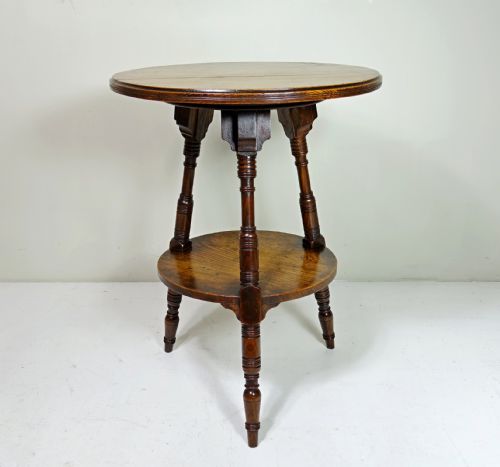


Victorian Oak Coffee Table
These Victorian oak coffee table pieces bring sturdy nineteenth-century character and timber warmth directly into modern reception spaces.
Victorian Oak Coffee Table
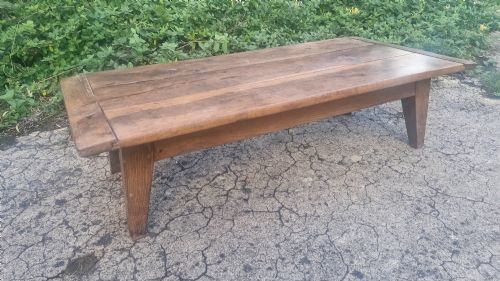
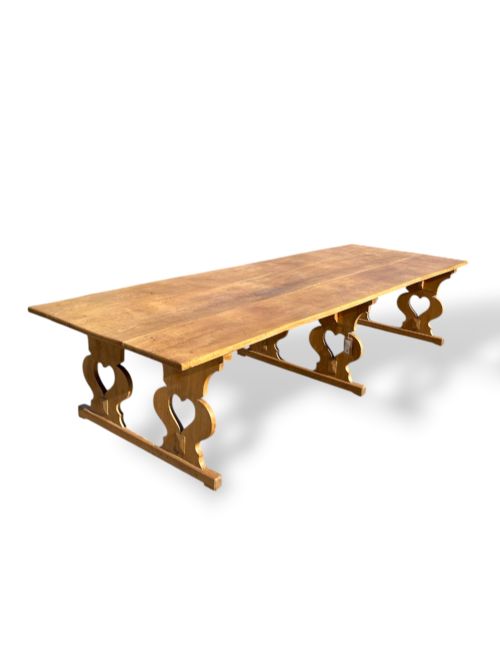
A victorian oak coffee table in this selection spans low side tables, butler trays on stands, country farmhouse boards, and converted mule chests. These items originate from the nineteenth century, including specific decades from the eighteen-fifties through to nineteen hundred.
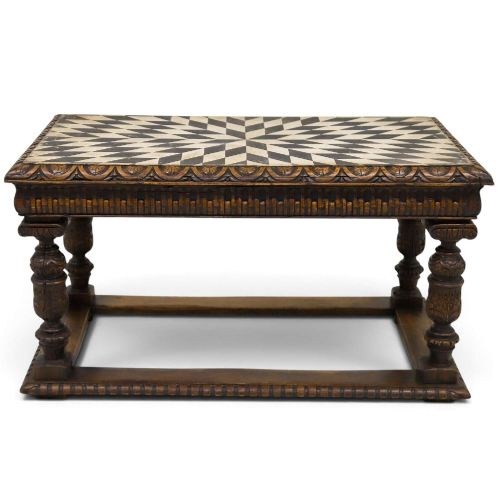
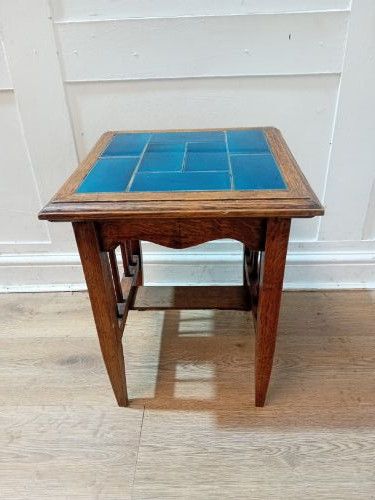
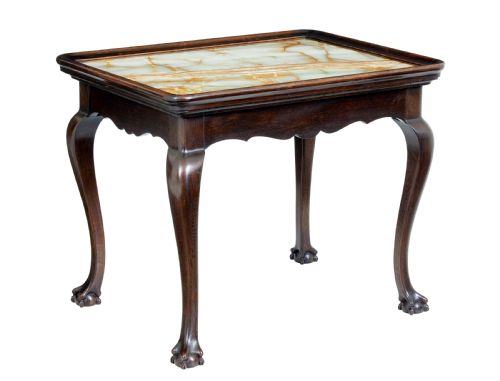
The assortment contains English country pieces, rustic farmhouse designs, and Arts and Crafts examples, alongside occasional items featuring marble, ceramic tile, or leather surfaces. Buyers encounter both low formats designed specifically for modern lounging and taller transformed blanket boxes or jewellers benches.
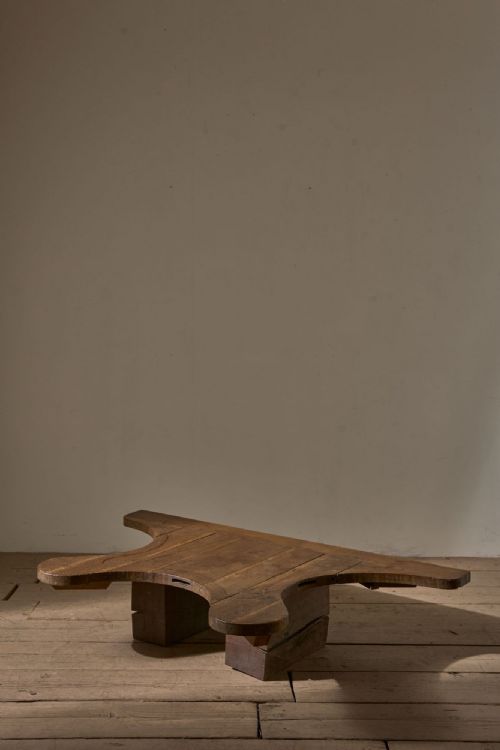
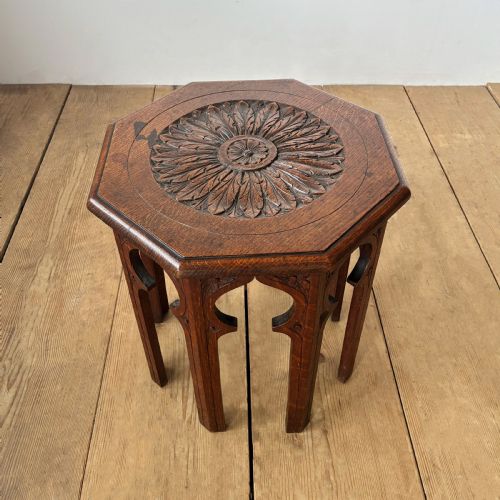
Moorish revival and industrial salvage influences also appear within the inventory, providing octagonal shapes and metal inlays alongside traditional four-legged timber frames. Most examples rely upon solid oak construction, supplemented by occasional walnut, elm, and mixed hardwoods.
Materials and construction
Cabinet makers utilised solid oak and seasoned timber alongside secondary hardwoods like elm to build these robust tables. Joinery techniques from the period involved pegged mortise and tenon joints to withstand heavy domestic use.
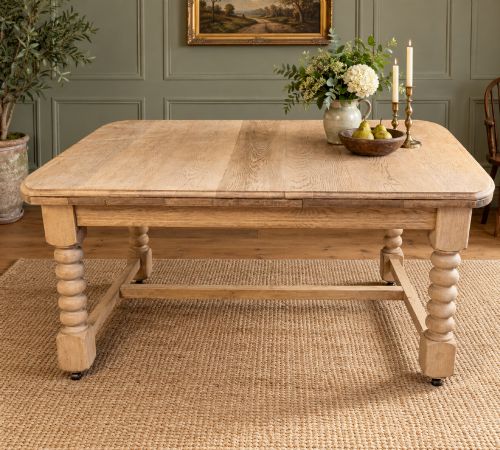
Surface details incorporate applied brass hardware, carved ornamentation, and inset materials such as ceramic tiles, leather upholstery, and marble slabs. Finishing techniques range from bleached oak treatments to dark stains and polished golden wax applications.
Victorian Oak Coffee Table Retail Price Guide 2026
Typical asking prices for victorian oak coffee table among the pieces listed under this phrase on Sellingantiques today, from the lower quarter to the upper quarter. They describe what is for sale here now, not the wider market.
Several tables started working lives as steamer trunks, jewellers benches, or boat builder chests before finding peace in the sitting room.
Assessing craftsmanship
Quality separates through the integrity of the timber selection and the precision of the period joinery. Superior examples demonstrate crisp hand-carving, well-fitted drawers with smooth runners, and stable structural frames.
The integration of inset elements like marble, tiles, or leather dictates the upper tier of the range. Better pieces maintain original hardware and patinated surfaces without intrusive modern alterations.
Gillows
The Victorian Oak Coffee Table Glossary
- Butler tray
- A portable wooden tray with hinged or fixed sides, typically paired with a folding or fixed X-frame stand.
- Pietra dura
- An artistic technique using cut and fitted polished coloured stones to create geometric or pictorial mosaic designs on tabletops.
- Cricket table
- A small, lightweight three-legged occasional table with a round top, historically used in domestic settings.
- Mule chest
- A storage chest fitted with one or more drawers at the base, often adapted into a low coffee table.
- Marquetry
- Decorative veneer work arranged in intricate patterns across wooden surfaces using various contrasting timbers.
Victorian Oak Coffee Table: Frequently Asked Questions
What is a Victorian oak coffee table?
These items are low or adapted nineteenth-century wooden tables constructed primarily from oak, ranging from converted chests and butler trays to farmhouse boards.
They serve as functional centrepieces in modern living rooms while retaining the distinct patination and construction methods of the Victorian era.
How were these low tables used originally?
Many examples began life as butler trays, side tables, mule chests, or jewellers benches rather than low coffee tables.
Over time, lower proportions or purposeful conversions brought these sturdy nineteenth-century objects down to standard modern lounge heights.
How do I care for an antique oak table?
Protect the timber surface by using coasters and avoiding direct placement near intense heat sources or strong sunlight.
Apply a microcrystalline wax periodically to maintain the lustre of the oak grain and nourish the historical finish.
Can I date a piece by its style?
Design markers such as Arts and Crafts tile tops, Gothic revival mouldings, or Moorish octagonal shapes help narrow down the decade.
Examining the construction methods underneath, including tool marks and timber shrinkage, provides further clues to the manufacturing period.