


Reclaimed Wood Coffee Table
A reclaimed wood coffee table anchors a room with seasoned timber and industrial metal, bringing history and utility together in one centrepiece.
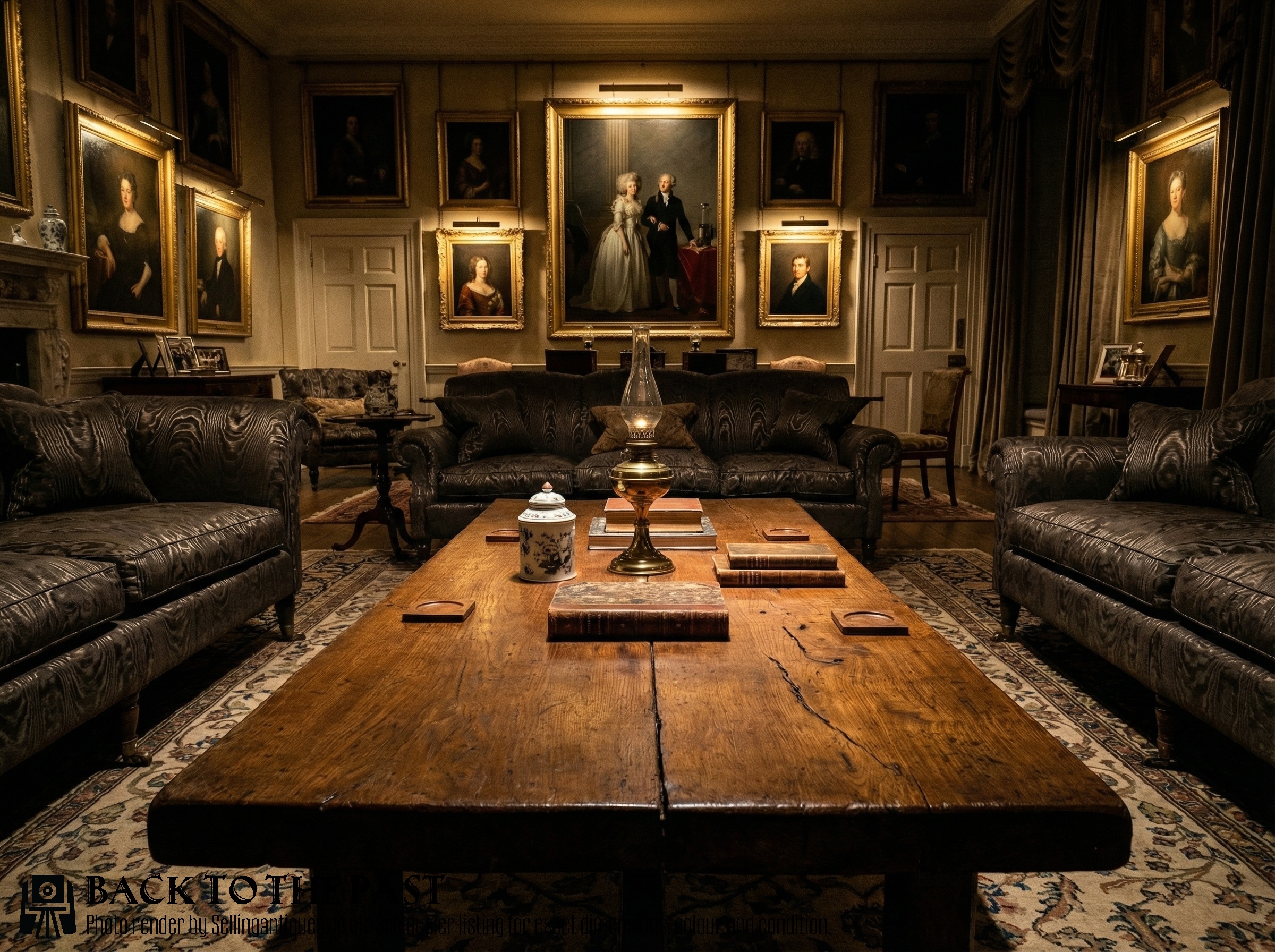
Reclaimed Wood Coffee Table
A reclaimed wood coffee table repurposes old timber and architectural salvage into functional living room furniture, often drawing on styles like rustic country, industrial, and colonial Indian. These pieces range from large 18th century trestle tables to low pine tables from 1890, giving interiors a grounded, tactile foundation.
Buyers encountering these items will notice distinct regional and period characteristics, from Northern Indian daybeds to nineteenth-century elm and rustic work tables. Each object retains the marks of its previous industrial or agricultural life, offering character that newly milled timber lacks.
Materials and construction
These tables rely on sturdy native and imported hardwoods like oak, teak, elm, and pine, joined using traditional carpentry methods suited to heavy daily use. Dense timbers provide the structural integrity needed for large surfaces like trestle and cheese press tables.
Metal components such as iron, wrought iron, and brass appear extensively in braces, hinges, and structural frames, reinforcing the industrial and rustic aesthetic. Pigment is occasionally present, preserving traces of original surface decoration from Indian and colonial workshops.
Reclaimed Wood Coffee Table Retail Price Guide 2026
Typical asking prices for reclaimed wood coffee table among the pieces listed under this phrase on Sellingantiques today, from the lower quarter to the upper quarter. They describe what is for sale here now, not the wider market.
Several tables began life as heavy agricultural machinery or transport, including working cheese presses and bullock carts.
Factors of quality
Quality in these pieces rests upon the integrity of the original timber and the honesty of the conversion from its former utility, whether as a cheese press or a bullock cart. Superior examples maintain their structural joinery without excessive modern intervention, allowing the weathered grain and patination to remain untouched.
The balance between timber and metal elements dictates the visual weight of the table, with finer examples showing harmonious proportions between heavy oak or elm tops and robust iron or wrought iron bases. The depth of the surface patina reflects the age and authentic wear of the wood.
The Reclaimed Wood Coffee Table Glossary
- Trestle table
- A table supported by two or more trestles, consisting of a horizontal beam supported by pairs of sloping legs. This form provides exceptional stability and generous legroom.
- Takhat
- A low, flat-topped Indian platform or table traditionally used for sitting or sleeping, now frequently adapted as a coffee table. They often feature robust timber construction and carved details.
- Cheese press table
- A heavy utilitarian table incorporating elements from agricultural machinery used in cheese production. These pieces are prized for their industrial mechanisms and thick wooden tops.
- Patina
- The surface sheen and colour developed through age, handling, and exposure to the elements. A genuine patina adds depth and historical value to reclaimed timber.
Reclaimed Wood Coffee Table: Frequently Asked Questions
What is a reclaimed wood coffee table?
A reclaimed wood coffee table is constructed from salvaged timber sourced from old buildings, furniture, or agricultural equipment. These pieces repurpose materials like oak, pine, elm, and teak into functional low tables for modern living spaces.
By utilising older wood, these tables often display distinctive grain patterns, weathering, and historical marks that distinguish them from newly manufactured furniture.
How do I care for a reclaimed wood table?
Caring for a reclaimed wood table involves dusting regularly with a soft cloth and avoiding harsh chemical cleaners that might strip the natural finish or historical patina. Using coasters and placemats protects the aged surface from moisture rings and heat damage.
Applying natural wax periodically helps nourish the timber and maintains the texture of woods like pine, oak, and teak without altering their character.
Are these tables sturdy enough for daily use?
These tables are built from dense hardwoods and reinforced with iron or wrought iron, making them exceptionally durable for everyday living. Their original functions, such as work tables or cheese presses, required robust construction that easily withstands modern coffee table demands.
The solid nature of elm, oak, and teak ensures long-term stability in busy household environments.
How can I tell different periods apart?
Distinguishing periods relies on observing construction techniques, tool marks, and the specific style of the piece, such as 18th century trestle designs versus 1890s pine low tables. Earlier pieces often feature hand-cut joints and heavier timber scantlings shaped by manual tools.
Later nineteenth-century and early twentieth-century examples, including industrial work tables and cheese presses, incorporate machine-sawn elements and functional iron hardware characteristic of the period.