

Antique Elm Table
An antique elm table brings a rugged grain and warmth to a room, offering durability and character through centuries of practical use.
Antique Elm Table
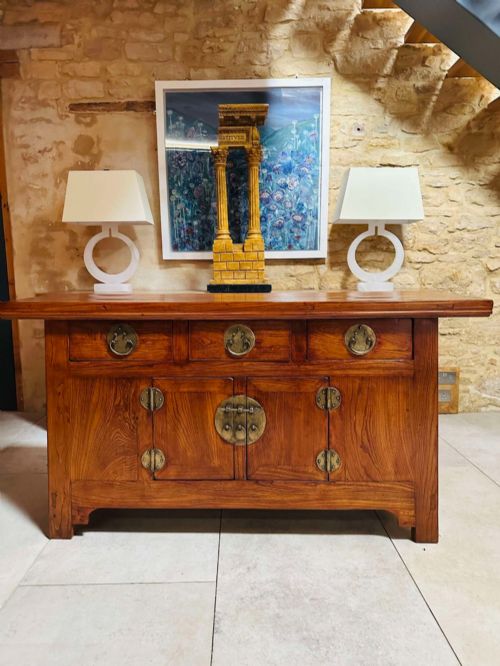
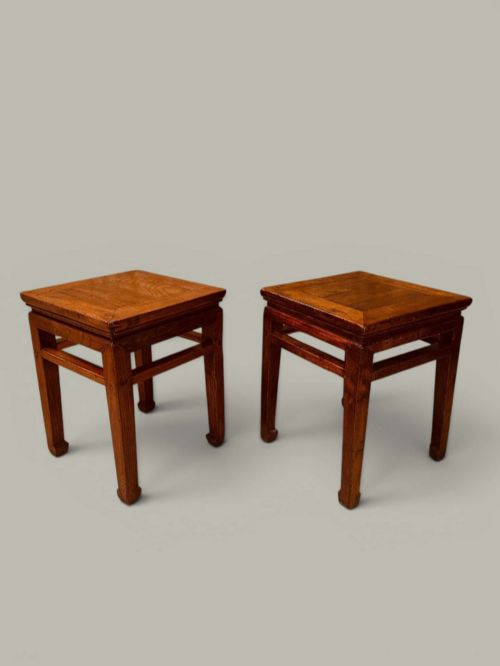
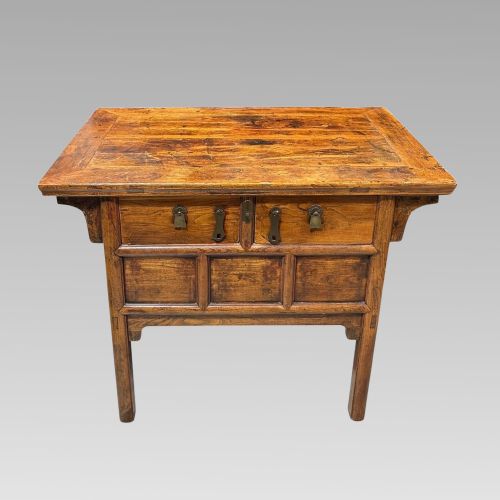
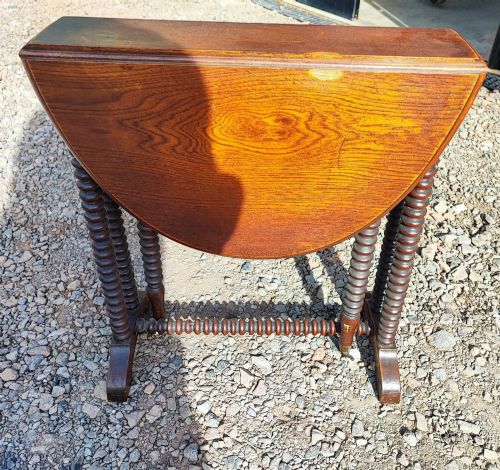
An antique elm table covers a wide range of domestic and utilitarian forms, spanning dining tables, side tables, and occasional tables. These pieces originate from diverse stylistic traditions, including Georgian country, French provincial, and Chinese provincial designs.
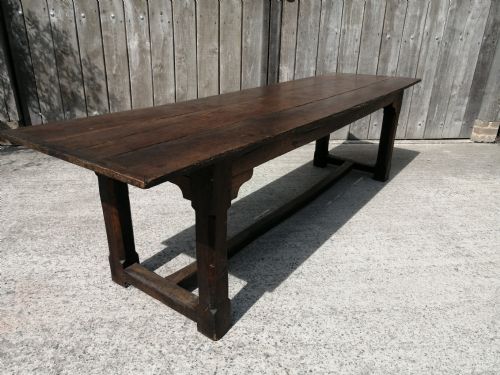
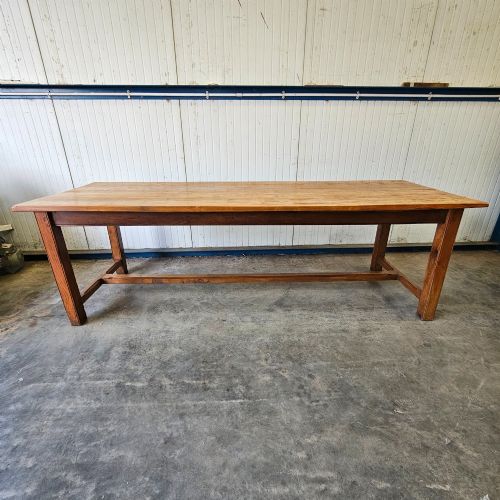
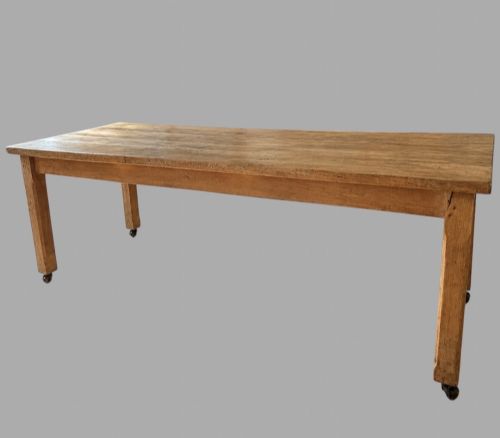
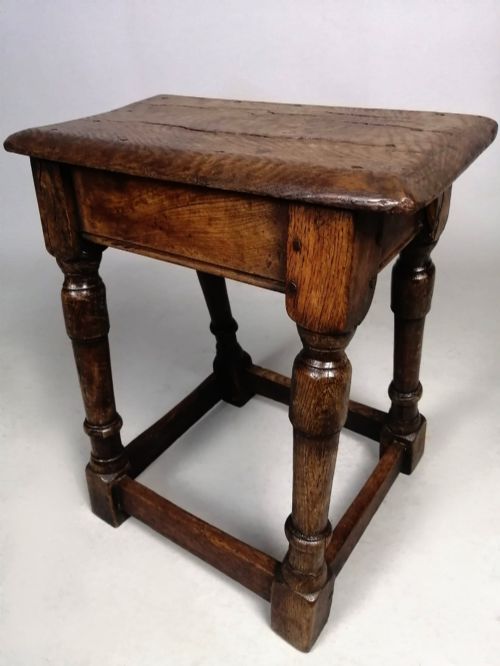
Buyers most frequently encounter 19th-century farmhouse and rustic dining tables alongside smaller occasional pieces. The selection includes refectory tables, cricket tables, and low tables constructed from solid timber.
Origins stretch across English, French, Spanish, Austrian, and Chinese workshops, uniting vernacular styles with practical household furniture. Each piece reflects the functional requirements of its period, from kitchen chopping blocks to formal writing desks.
Materials and construction methods
Construction relies on traditional joinery methods suited to the tough, interlocking grain of elm wood. Iron brackets and supports appear on specific industrial or bistro designs, while lacquer finishes occur on select Chinese pieces.
Antique Elm Table Retail Price Guide 2026
Typical asking prices for elm table among the pieces listed under this phrase on Sellingantiques today, from the lower quarter to the upper quarter. They describe what is for sale here now, not the wider market.
Listings feature 17th-century pieces alongside 19th-century vernacular designs, incorporating materials like burr elm, iron, and lacquer.
Evaluating quality and character
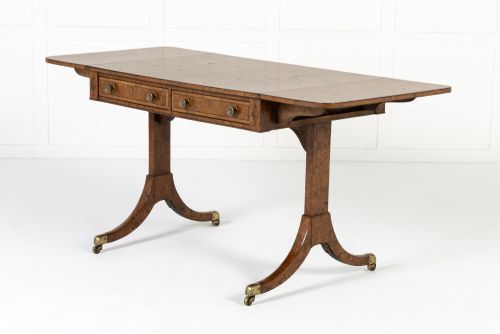
Quality rests in the selection of the timber board and the integrity of the surface patina developed over generations of use. Single plank tops and striking burr figures elevate the standing of a piece.
Proportion and the retention of original legs or bases dictate the visual balance of vernacular furniture. Refined cabinetwork on Georgian desks contrasts with the robust simplicity of primitive workbenches and farmhouse tables.
The Antique Elm Table Glossary
- Elm
- A tough, durable hardwood known for its interlocking grain and resistance to splitting. It was traditionally favoured for seating, tables, and boards subject to heavy daily wear.
- Burr elm
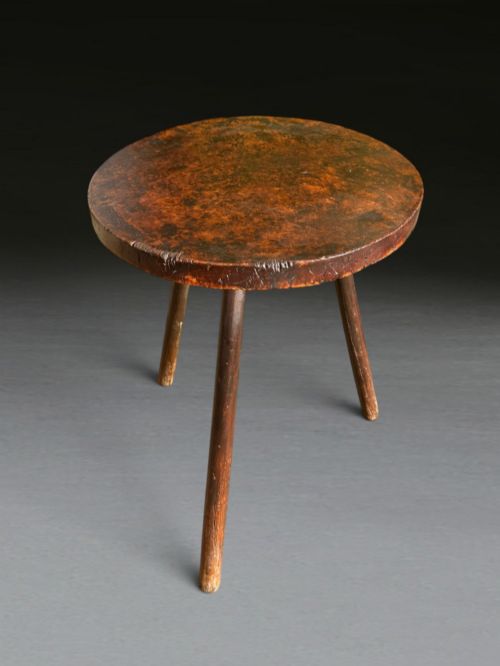
- A prized timber growth featuring dense clusters of buds and intricate swirling patterns. It is utilised on decorative table tops and drawer fronts.
- Refectory table
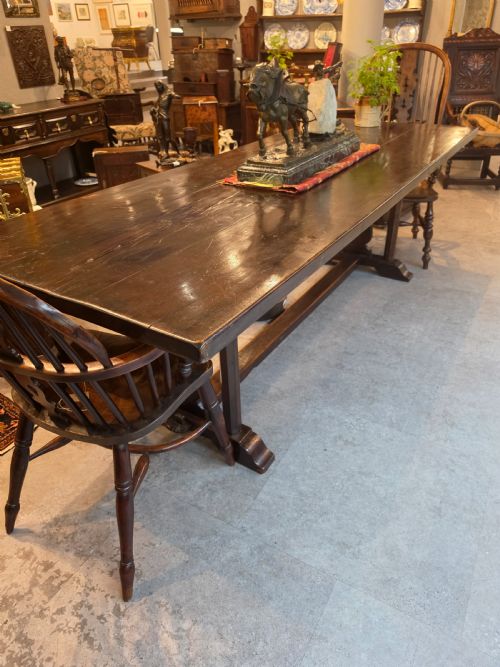
- A long, narrow dining table historically designed for communal dining halls. Examples often feature heavy timber legs connected by floor stretchers.
- Cricket table
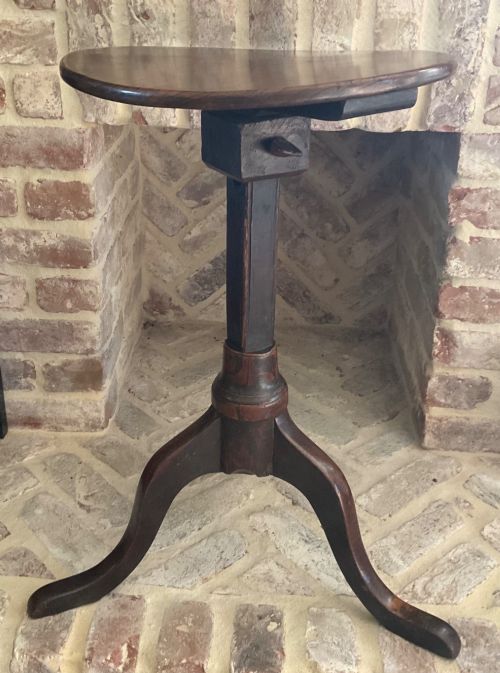
- A small, lightweight occasional table supported by three splayed legs. This construction provided stability on uneven flagstone floors.
- Lowboy
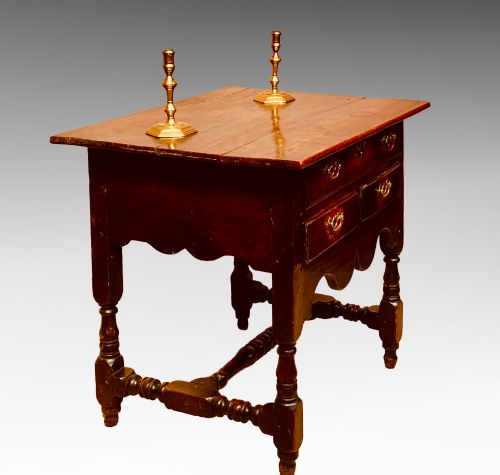
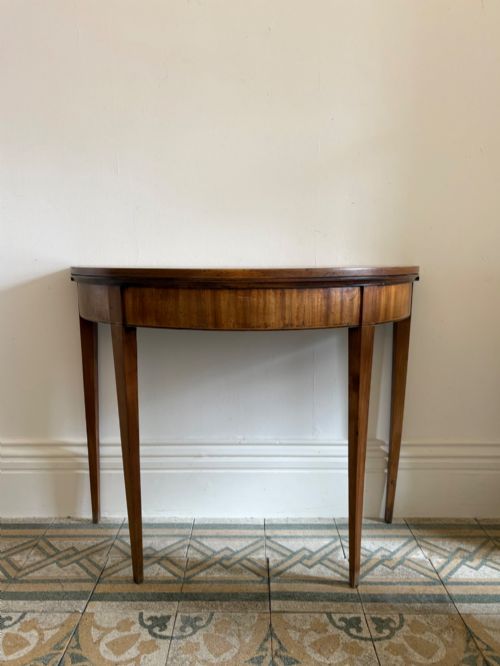
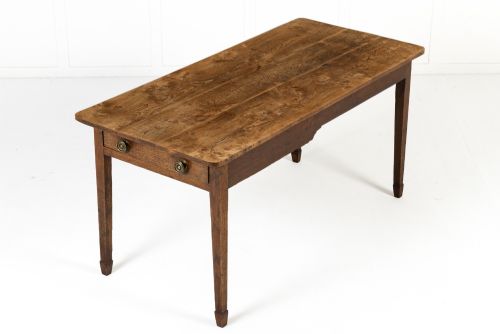
- A small eighteenth-century dressing table or side table fitted with one or more rows of drawers. These pieces typically stand on slender cabriole or straight legs.
Antique Elm Table: Frequently Asked Questions
How do I clean an antique elm table?
Wipe surfaces gently with a slightly damp cloth to remove dust and daily grime. Avoid modern chemical polishes that can degrade the historic finish.
Apply a traditional beeswax occasionally to nourish the dry timber and maintain a soft sheen. Buff the wood gently with a clean dry cloth after application.
Can I use an antique elm table every day?
Elm is a remarkably tough and fibrous hardwood capable of enduring daily family use. The resilient grain resists splitting under normal household conditions.
Protect the surface from excessive moisture and heat by using coasters and placemats. Embracing minor marks as part of the working history of the timber keeps daily life stress-free.
What is the difference between English and French farmhouse tables?
English farmhouse tables tend to feature straightforward rectangular frames in oak and elm, prioritising utilitarian strength. Their proportions suit robust country interiors and vernacular settings.
French provincial examples frequently display softer lines, lighter framing, and distinct leg profiles such as cabriole supports. They reflect the regional tastes of French village workshops.
Why does elm wood twist or warp over time?
Elm possesses a notoriously irregular grain structure that tends to move as humidity levels fluctuate in the home. This natural characteristic causes older boards to retain a slight warp or undulation.
Stable indoor environments with consistent heating help minimise further movement in the timber. This inherent tension is part of the living nature of antique wood.