
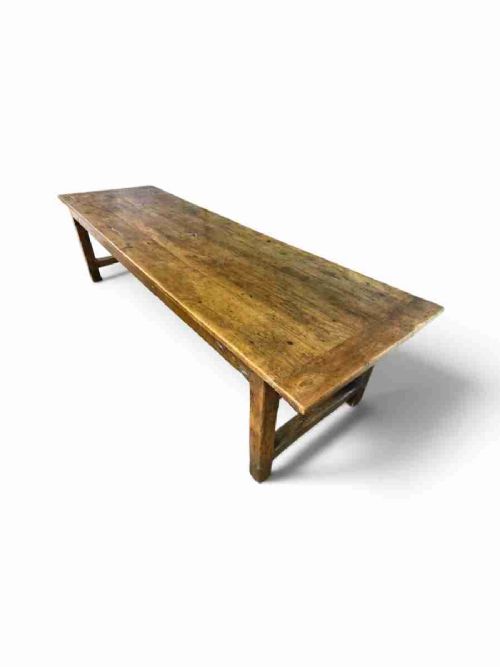
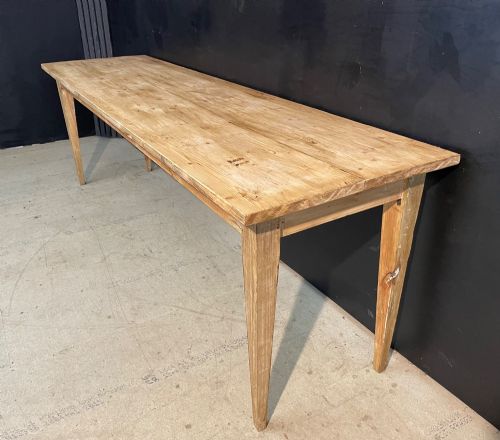
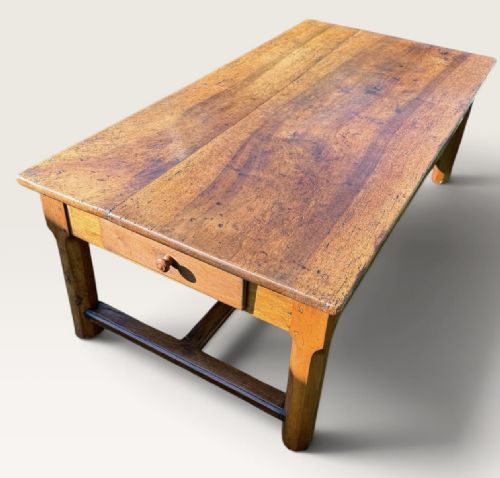
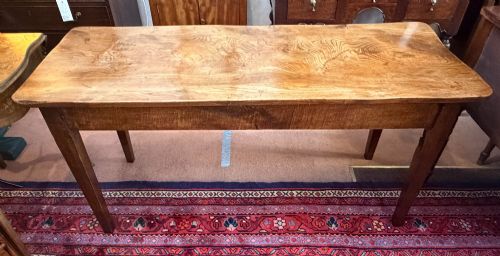
Wooden Farmhouse Table
A wooden farmhouse table anchors a room with hard-wearing utility and time-worn grain, offering a generous surface for daily meals.
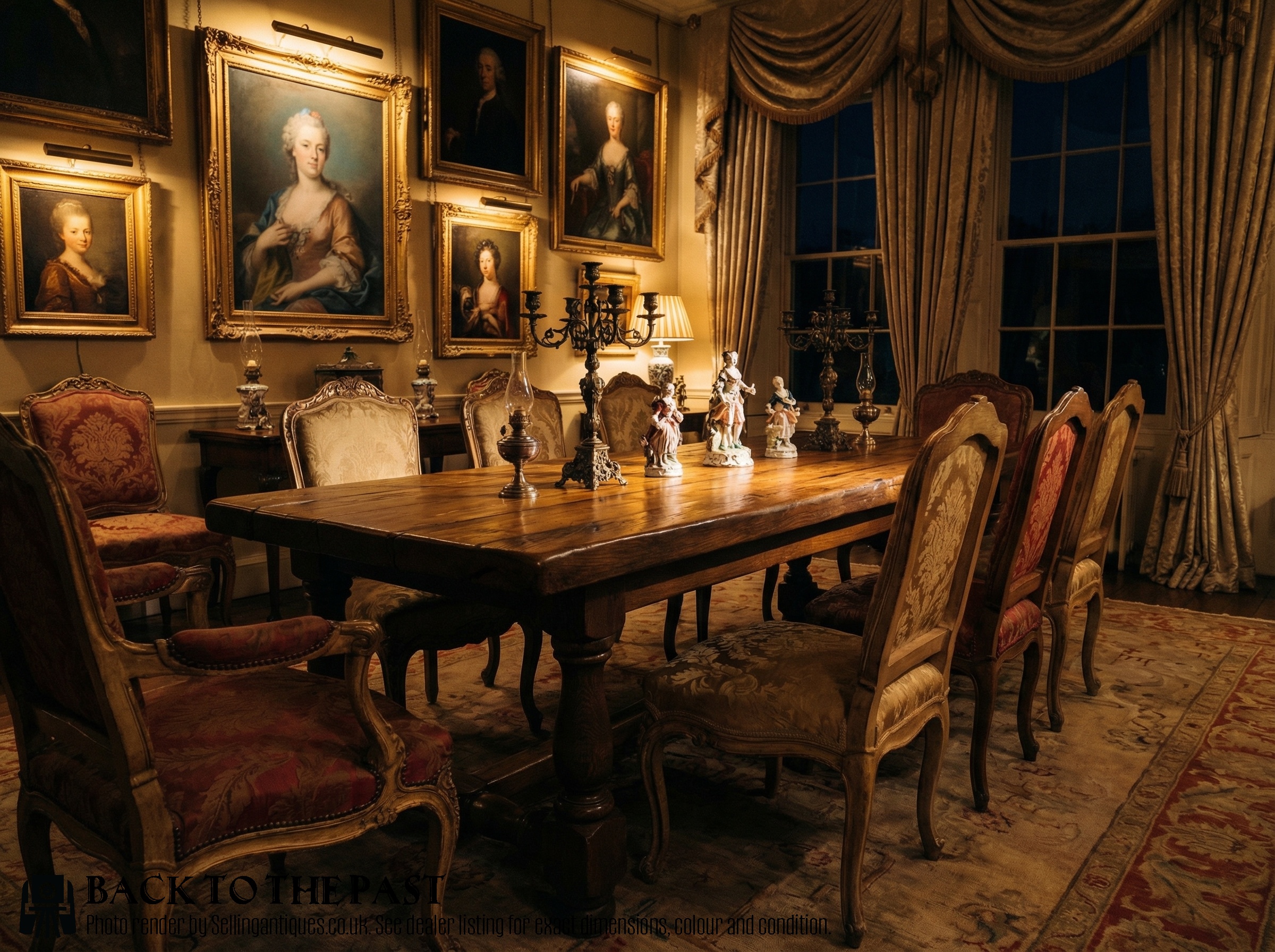
Understanding wooden farmhouse tables
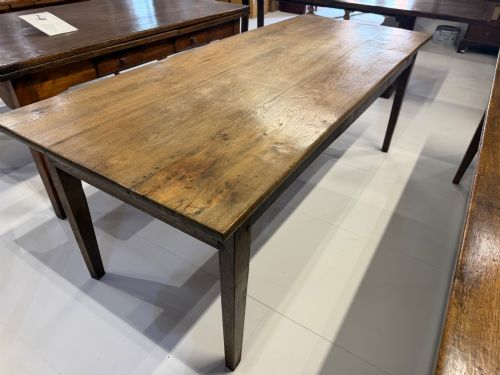
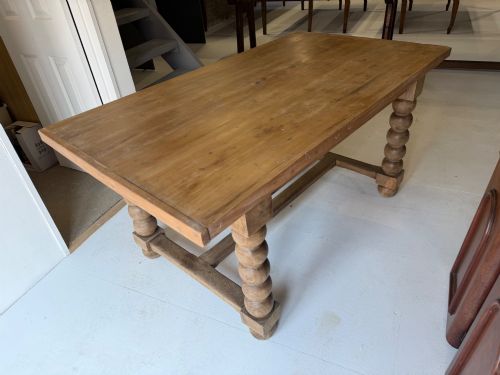
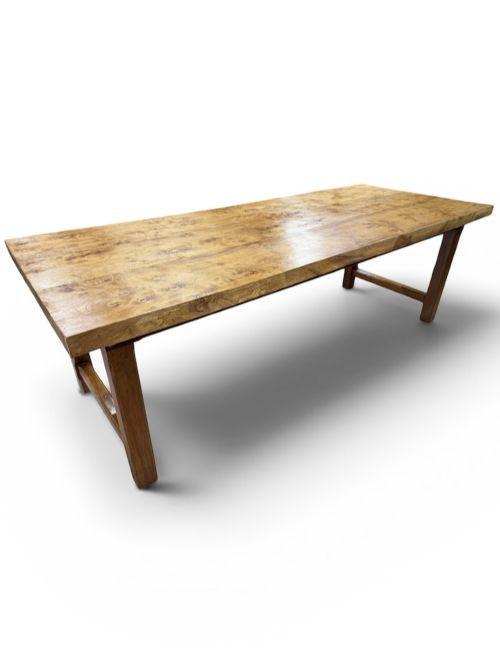
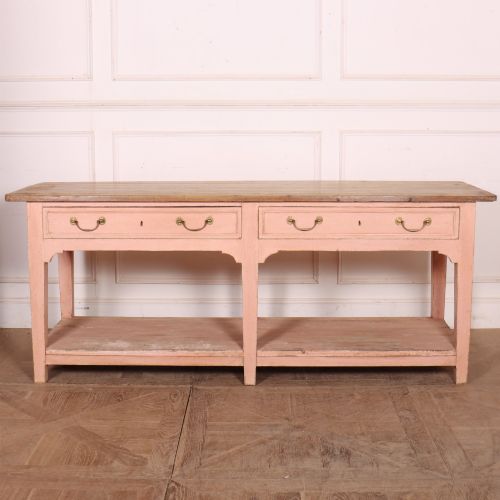
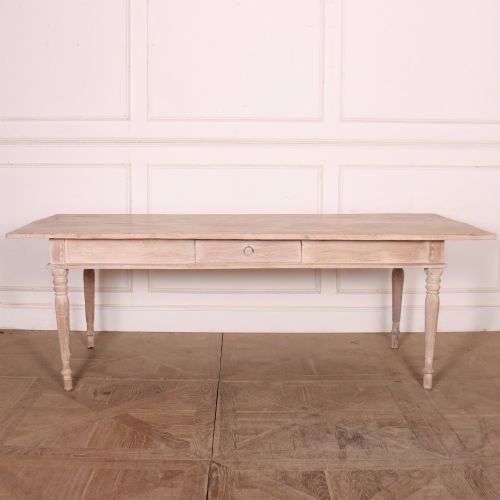
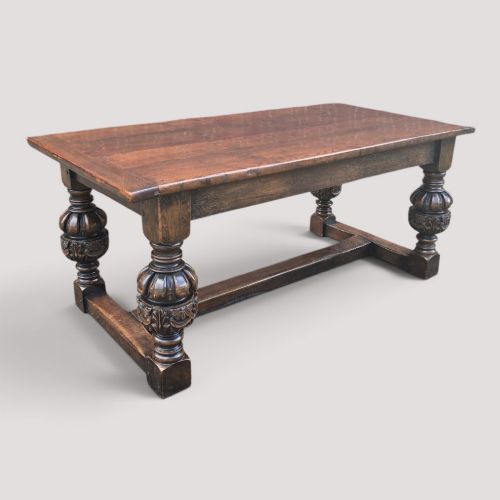
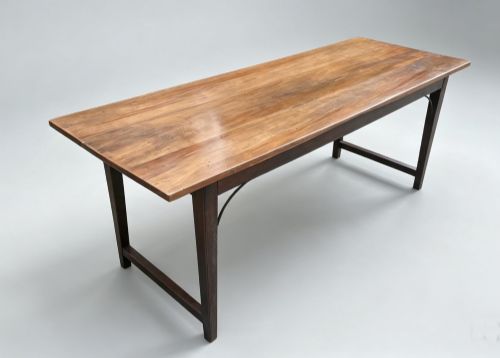
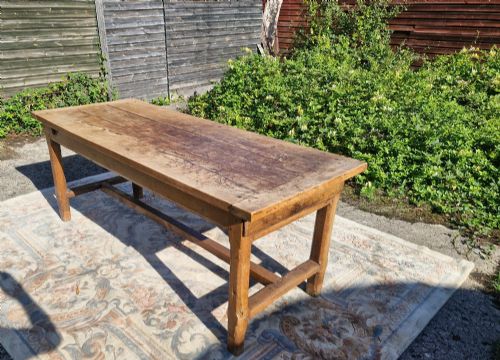
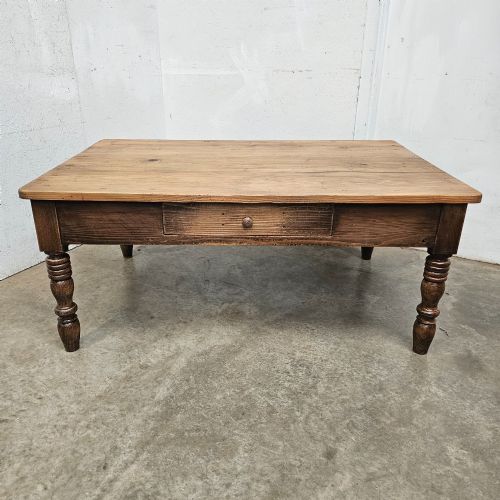
A wooden farmhouse table is a sturdy dining or work surface designed for heavy domestic use, represented here by examples from the seventeenth century through to the nineteenth and twentieth centuries. Buyers searching for a wooden farmhouse table will encounter large formats intended to seat multiple people, often configured as kitchen dining tables or refectory styles.
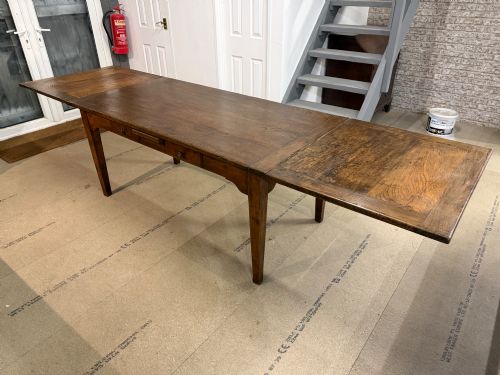
The pieces listed span diverse regional traditions including French provincial, Basque regional, and Victorian country aesthetics. Forms range from standard four-legged kitchen tables to extending refectory designs built for communal dining.
Origins stretch across British and continental workshops, yielding variations in scale and proportion while maintaining the core identity of a utilitarian dining board. Most listings feature pine or oak construction with heavy tops and straightforward underframes.

Construction and materials
Construction relies heavily on solid timber boards joined to robust underframes, utilising sturdy woods such as pine, oak, chestnut, and general timber. Carpenters selected these domestic hardwoods for their structural resilience and ability to withstand continuous daily work.
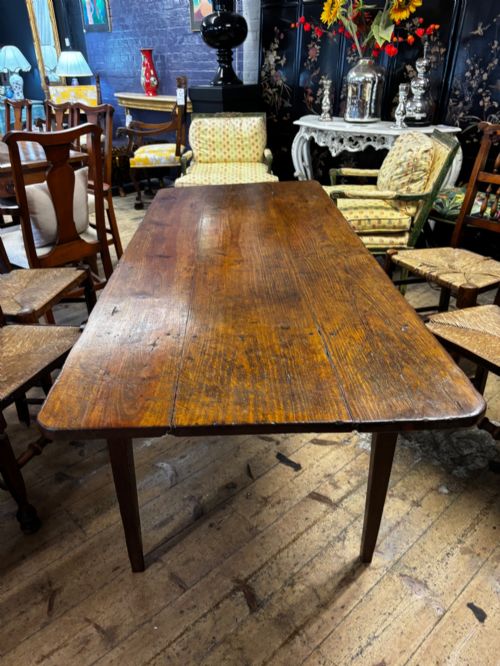
Surfaces often show wide plank construction fastened with traditional joinery methods suited to large refectory and kitchen formats. The physical assembly prioritises stability and load-bearing strength over delicate ornamentation.
Retail Price Guide 2026
Typical UK retail prices for wooden farmhouse table, calculated from the Sellingantiques database of over a million retail prices indexed since 2003. This retail price guide relies exclusively on Sellingantiques data; no external sources or auction records are used, so the figures do not describe the wider market.
Current listings span periods from the seventeenth century through the Victorian era to the 1930s, constructed in pine, oak, timber, and chestnut.
Evaluating quality and character
Quality separates into the integrity of the original timber and the structural honesty of the frame, where thicker plank tops and tighter joinery command greater appreciation. The distinction lies between utilitarian workshop pieces built strictly for labour and grander regional formats featuring chestnut or oak.
Surface patina develops through decades of honest use, distinguishing tables with deep, unforced wear from those with altered or overly stripped finishes. The proportion of the base to the top governs the visual balance of each piece.
The Wooden Farmhouse Table Glossary
- Refectory table
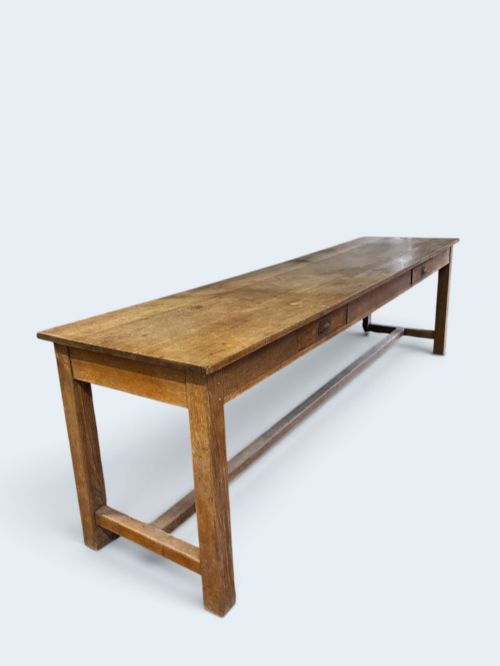
- A long dining table traditionally used in monastic refectories and later adopted for large domestic kitchens. These forms are built with stretcher bases for added rigidity.
- Plank top
- A table surface constructed from multiple wide boards joined edge to edge. This method allows timber to expand and contract naturally with seasonal humidity.
- Stretcher
- A horizontal wooden brace connecting the legs of a table to prevent them from bowing outward under heavy loads. It provides essential reinforcement for large dining formats.
- Patina
- The surface sheen and colour acquired by wood over long periods of use, polishing, and exposure to light. It serves as a visual record of an antique's age.
Frequently Asked Questions
How do I clean a wooden farmhouse table?
Wipe surfaces using a slightly damp cloth and mild soap, avoiding harsh chemical sprays that strip historic finishes.
Dry the wood thoroughly afterwards to prevent moisture damage to the grain.
What periods do these tables come from?
The available selection spans from seventeenth-century regional pieces to nineteenth-century Victorian designs and early twentieth-century examples.
Each era brings distinct proportions and regional woodworking traits to the surface design.
Are these tables suitable for daily dining?
These pieces were originally built for heavy daily labour and family meals, making them naturally suited for modern kitchens.
The robust timber construction withstands frequent use while accumulating further character over time.
What woods are commonly used?
Listings feature solid pine, oak, chestnut, and general structural timber chosen for durability.
Pine provides a lighter Victorian country aesthetic, while oak and chestnut offer heavier regional weight.