
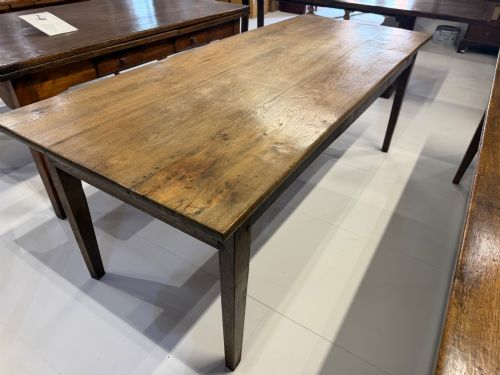
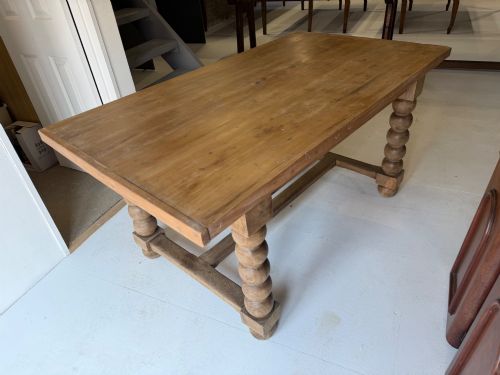
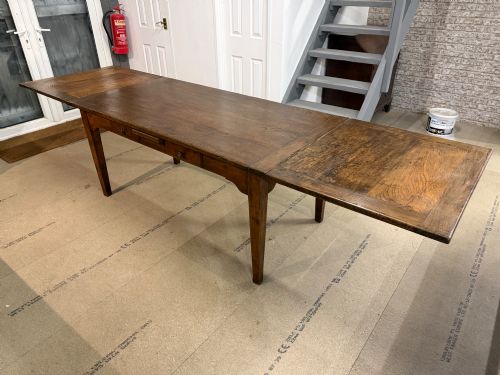
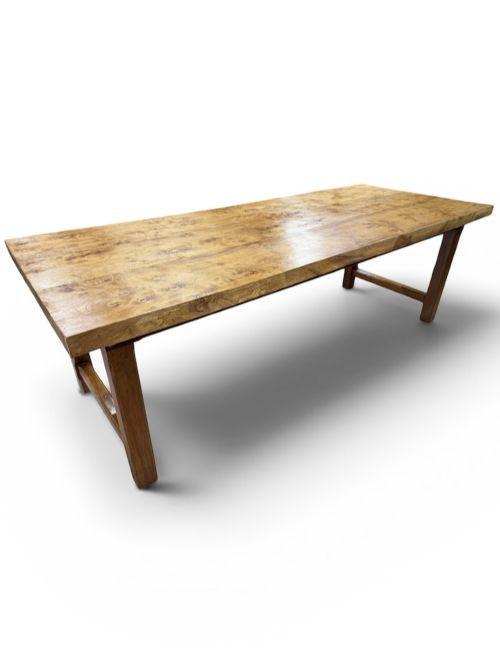
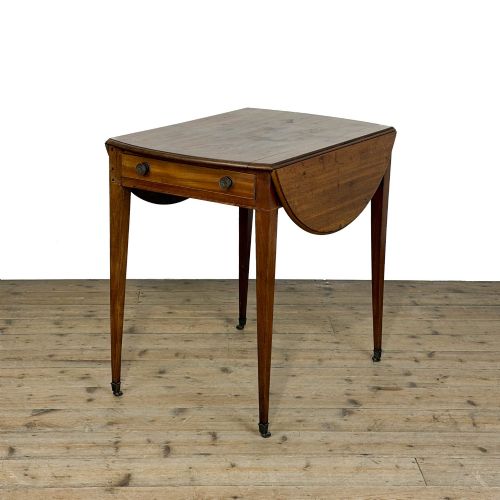
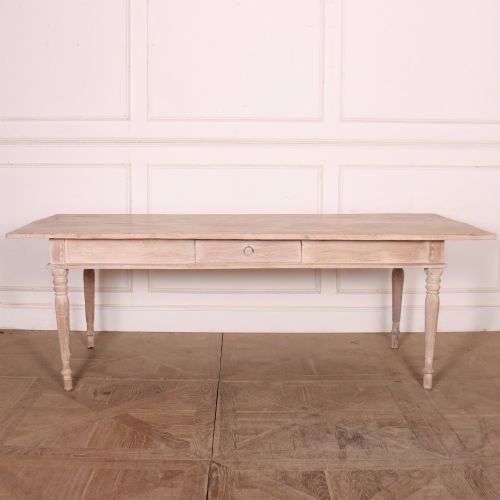
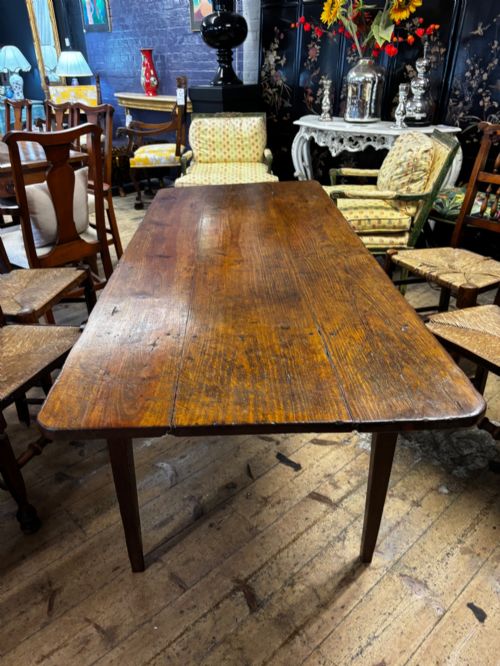
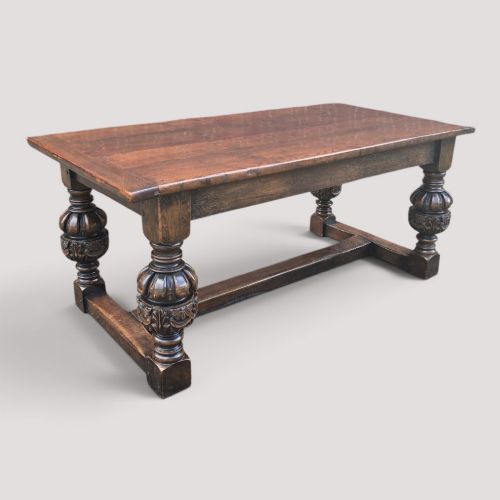
Wooden Dining Table
A wooden dining table anchors the room, and these sturdy pieces bring warmth and daily utility to any interior.
What these wooden dining tables are
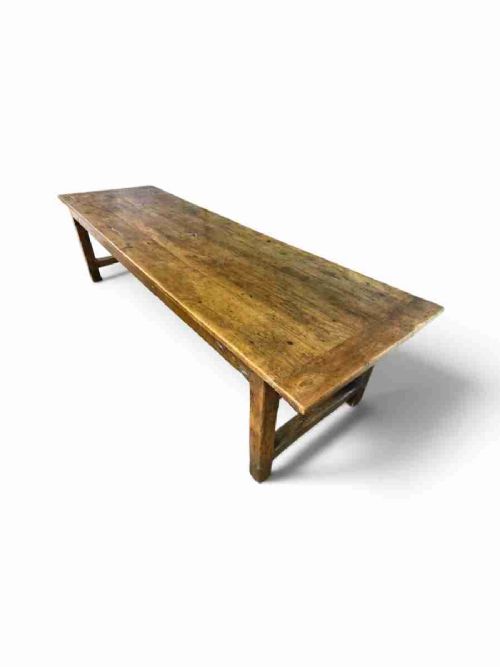
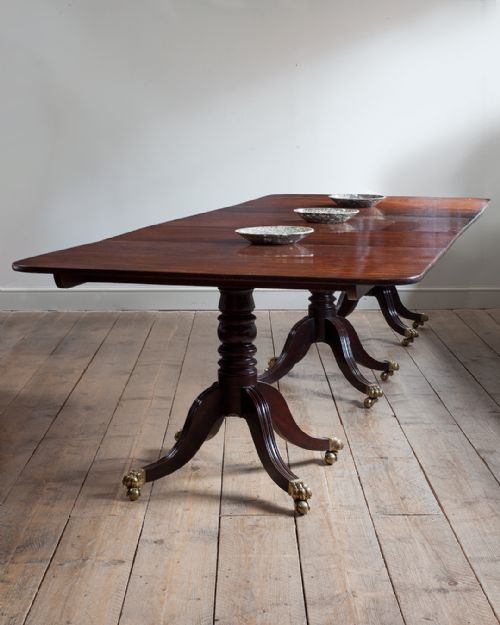
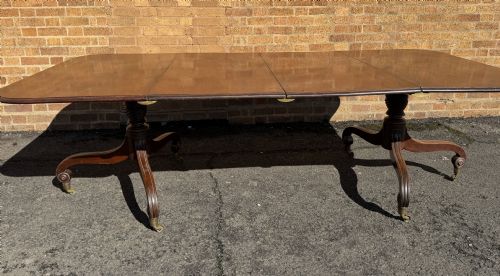
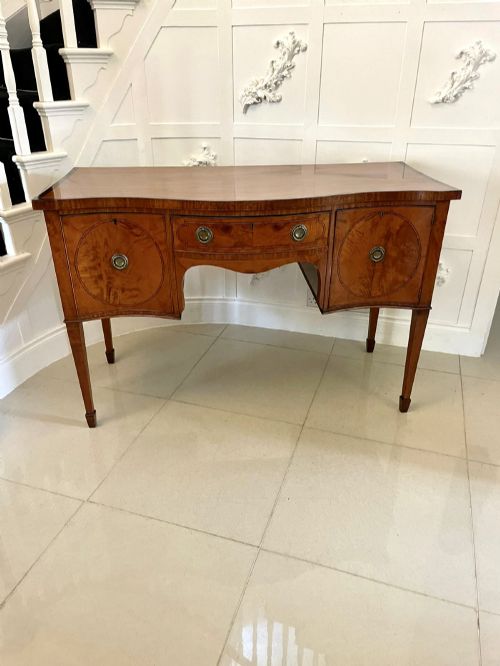
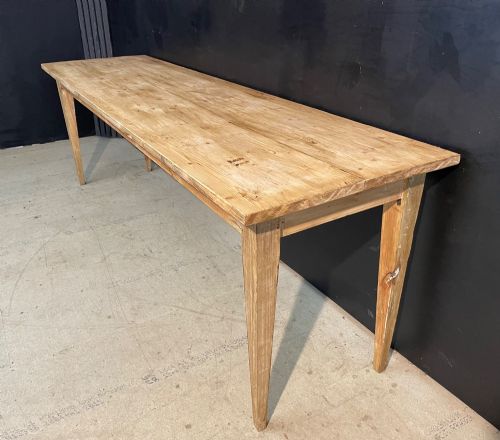
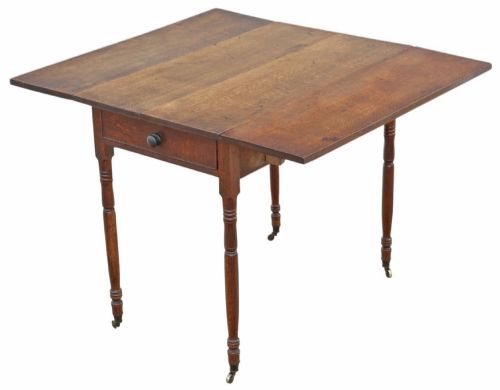
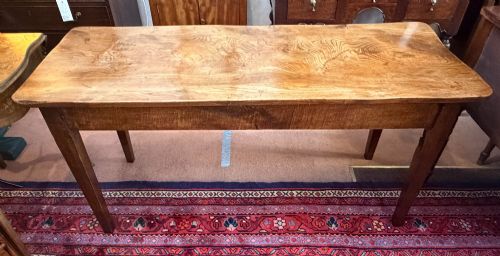
A wooden dining table represents the heart of the home, designed for gathering, eating and working. The examples gathered under the wooden dining table search phrase span utilitarian kitchen boards to more formal country furniture.
Buyers are most likely to meet pine and oak farmhouse examples on this page. These pieces carry the marks of hard daily use and practical domestic service.
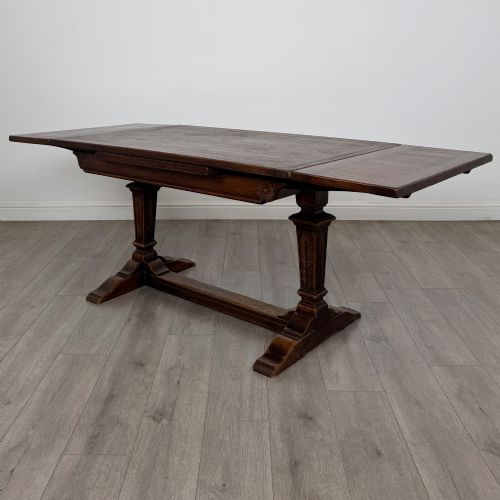
The forms range from compact farmhouse boards to extended refectory designs. Origins stretch across British workshops and continental styles such as French country variants.
How they were made
Makers built these tables from solid timbers including pine, oak and walnut. Planks were joined to create thick tops capable of withstanding heavy daily demands.
Surface treatments vary from bare scrubbed timber to layers of old paint accumulated over decades of use. Construction relies on traditional joinery techniques suited to sturdy domestic furniture.
Retail Price Guide 2026
Typical UK retail prices for wooden dining table, calculated from the Sellingantiques database of over a million retail prices indexed since 2003. This retail price guide relies exclusively on Sellingantiques data; no external sources or auction records are used, so the figures do not describe the wider market.
The listings span the Victorian period through to the 1930s, featuring oak, pine and walnut.
What varies in quality
Quality rests in the choice of timber and the integrity of the original construction. Solid boards show superior grain and stability compared to lesser utility builds.
The character of the surface finish dictates desirability, whether that is a clean polished walnut or authentic layers of old paint. Maker attribution, such as work originating from Heal's, elevates a piece above standard workshop production.
The Wooden Dining Table Glossary
- Refectory table
- A long narrow dining table traditionally used in communal dining halls. These sturdy forms often feature stretcher bases for added stability.
- Farmhouse table
- A practical domestic table built for kitchen and dining use. They typically display robust timber construction and honest everyday character.
- Solid pine
- Timber milled directly from the pine tree rather than veneered onto a secondary core. This material provides a pale, knotty surface common in country furniture.
- Walnut
- A dense hardwood prized for rich dark tones and decorative grain patterns. It appears on more formal Victorian examples.
Frequently Asked Questions
How do I choose the right size?
Consider the daily seating requirements and the physical dimensions of your room. Leave adequate clearance around the perimeter for chairs to pull out easily.
Larger versions accommodate multiple guests, while compact forms suit smaller kitchens or restricted dining spaces.
Are these tables suitable for daily use?
These pieces were built for practical service in kitchens and dining rooms. Solid timber construction ensures they handle regular family meals and gatherings.
Existing marks and patination reflect their history of active domestic use.
How do I care for a wooden surface?
Protect the timber from excessive moisture and direct heat sources by using appropriate mats. Regular gentle cleaning maintains the condition of the wood.
Avoid harsh chemical cleaners that might strip historic finishes or old layers of paint.
How do I identify the period?
Examine the timber selection, construction methods and overall design proportions. Victorian examples often utilise walnut or heavier farmhouse framing.
Twentieth-century pieces might show simpler Arts and Crafts influences or bear maker marks from firms like Heal's.