

Rustic Oak Table
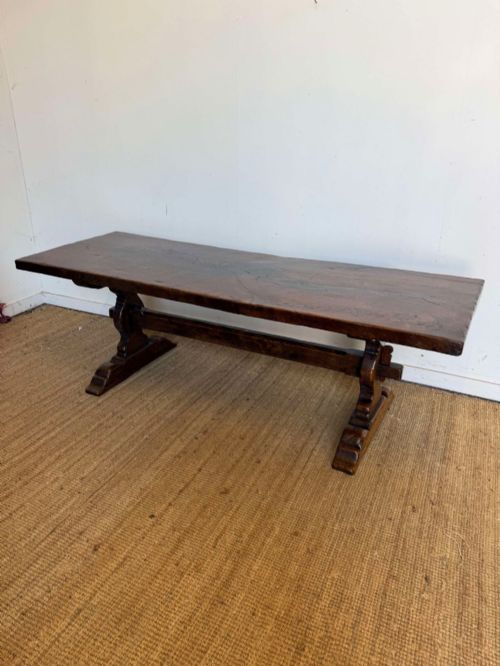
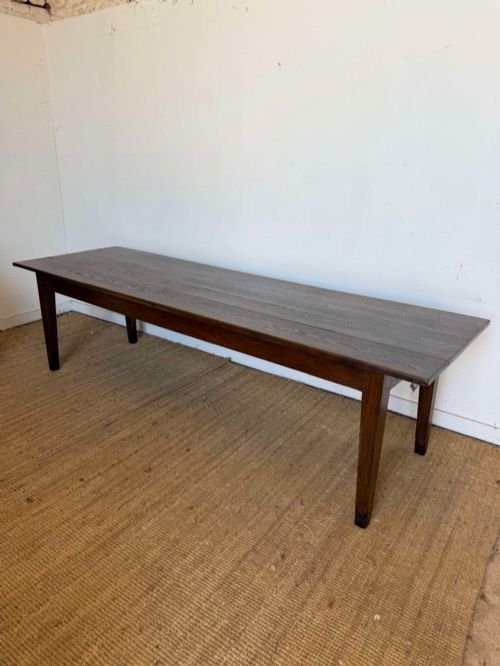
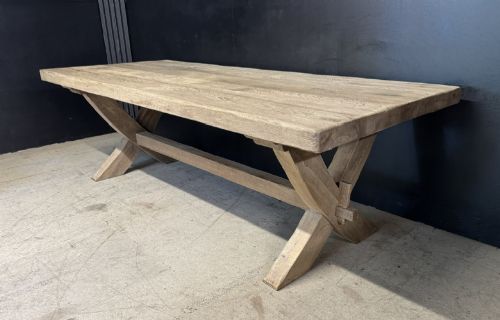
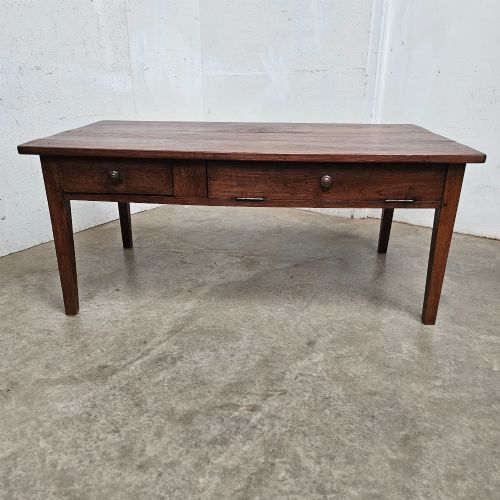
A rustic oak table brings genuine history and hard-wearing character into a room.
Rustic Oak Table
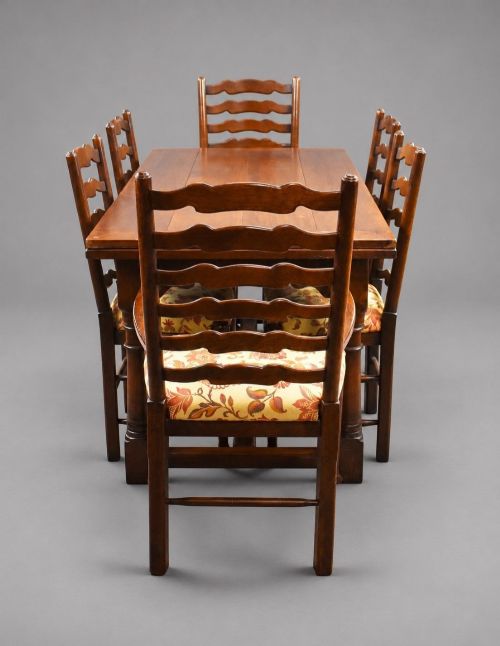
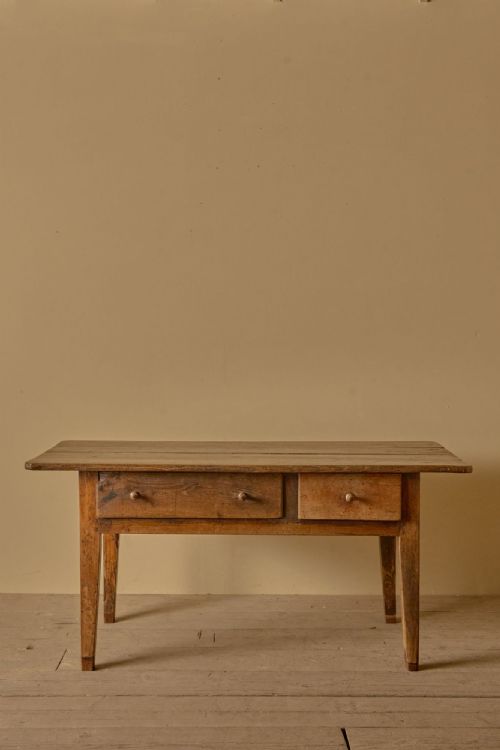
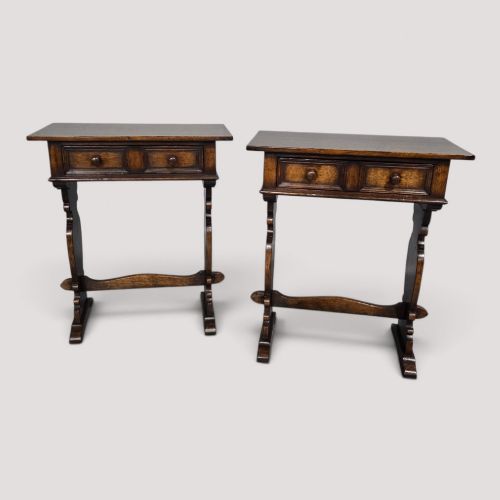
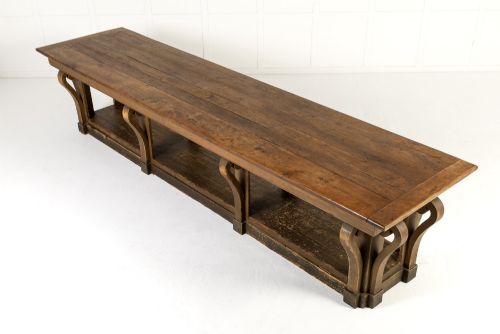
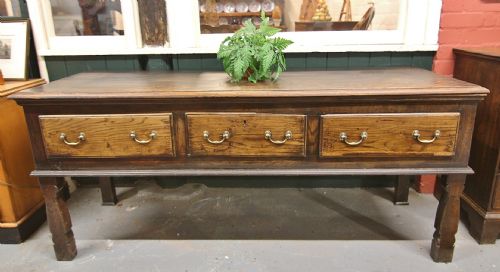
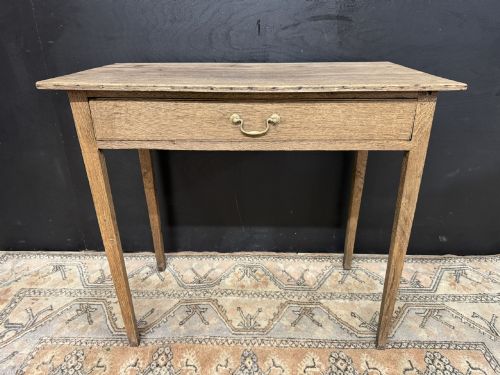
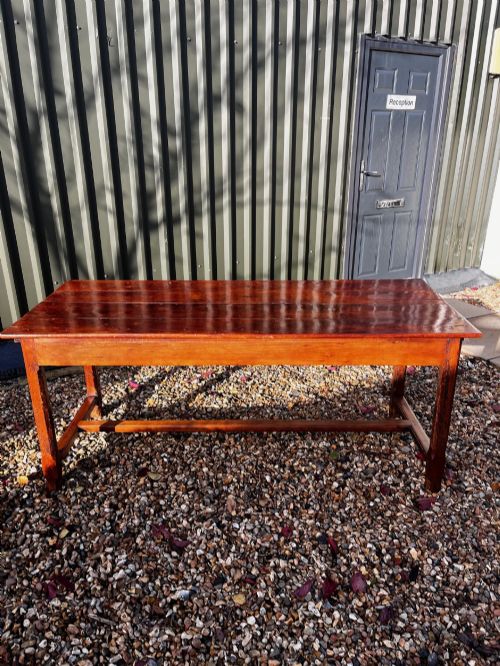
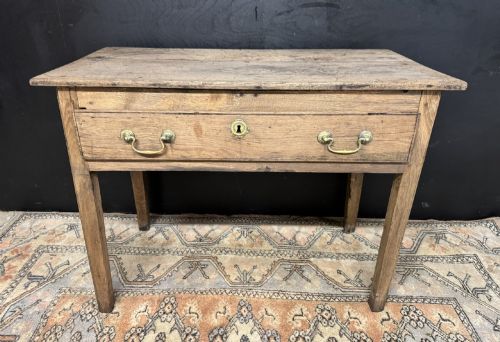
When you search for a rustic oak table, you encounter robust timber surfaces shaped for daily use across centuries. The pieces on this page span the 18th century, 19th century, Edwardian era, and the early decades of the 20th century.
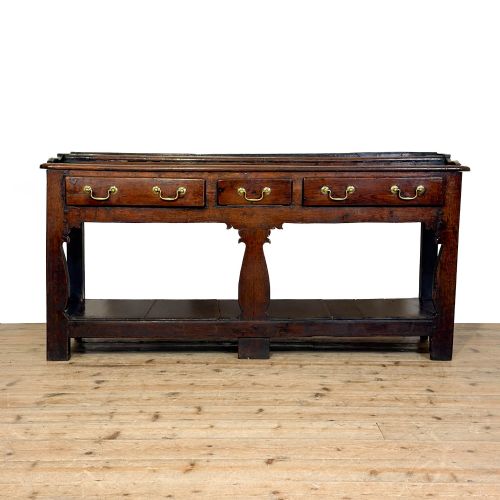
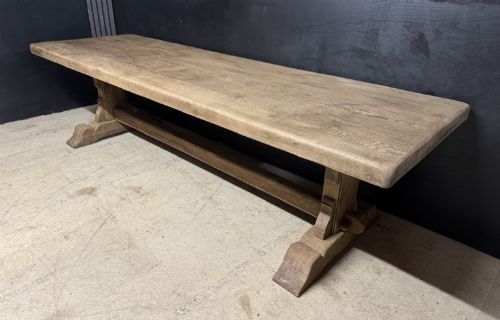
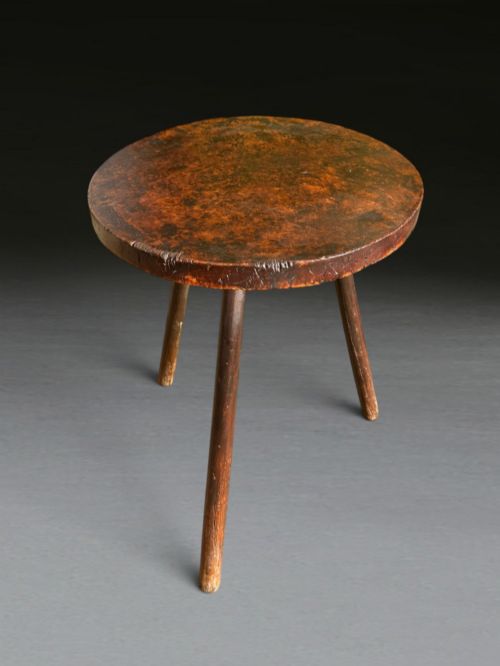
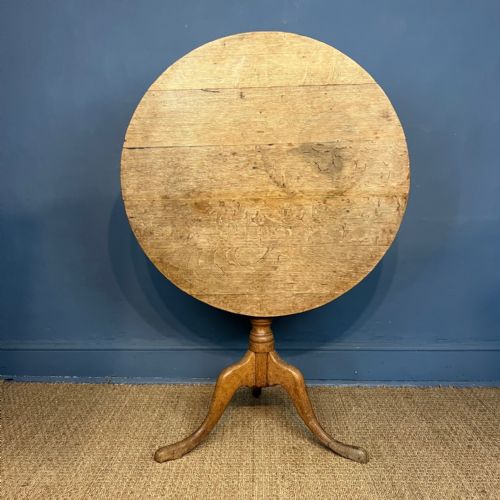
The selection ranges from large refectory and farmhouse dining tables to compact side tables, coffee tables, console tables, tavern tables, and low stools. Many originate from English and French country traditions, displaying straightforward forms built for domestic work and gathering.
How they were made
Makers relied primarily on solid oak, occasionally combining it with secondary woods such as fruitwood, ash, birch, or elm. Planks were joined to form heavy tops supported by sturdy legs, trestles, or stretcher frames.
Construction techniques include traditional jointing methods and surface treatments such as adzing. Certain pieces incorporate functional mechanisms like draw leaves, single extending frames, or integrated bread slides for daily kitchen work.
Rustic Oak Table Retail Price Guide 2026
Typical asking prices for rustic oak table among the pieces listed under this phrase on Sellingantiques today, from the lower quarter to the upper quarter. They describe what is for sale here now, not the wider market.
Listings include oak alongside secondary timbers like fruitwood, ash, birch, and elm.
What varies in quality
Quality rests in the integrity of the timber and the balance of proportions rather than pristine uniformity. Tables featuring thick multi-plank oak tops and substantial framing demonstrate superior substance.
The handling of the surface finish dictates visual appeal, where scrubbed or bleached treatments preserve the grain while showing authentic age. Well-executed mechanics on extending leaves or draw leaves reflect higher standards of regional joinery.
Jack Grimble of Cromer
The Rustic Oak Table Glossary
- Refectory table
- A long, narrow dining table historically used for communal meals in large halls. These sturdy forms typically feature heavy legs linked by low floor stretchers.
- Draw leaf table
- A table equipped with concealed leaves beneath the main top that pull out to extend the surface length. This clever mechanism allows the table to accommodate more diners when needed.
- Bread slide
- A pull-out wooden shelf positioned beneath the table top. Historically, this feature provided an extra surface for slicing bread or cooling loaves.
- Adzed oak
- Timber hand-shaped with an adz, a cutting tool that leaves distinct curved facets across the surface. This technique creates a textured finish found on early country pieces.
- Joint stool
- A low wooden seat constructed with mortise and tenon joints held together by pegs. These stable items often doubled as auxiliary tables in early homes.
Rustic Oak Table: Frequently Asked Questions
How do I clean a rustic oak table?
Wipe the surface with a damp cloth and mild soap, avoiding harsh chemical sprays that strip the natural timber.
Dry the wood thoroughly afterwards to prevent moisture damage and maintain the character of the grain.
Are these tables suitable for daily dining?
These tables were originally built for hard domestic use in kitchens, farmhouses, and taverns. Their solid construction makes them resilient for modern family dining.
Use coasters and placemats to protect the aged surface from excessive heat and liquid rings while enjoying daily meals.
How can I tell an 18th century table from a 19th century one?
Earlier 18th century examples often display hand-adzed surfaces, pegged joints, and simpler tavern or refectory proportions. Timber selection and tool marks provide key clues to the age of the piece.
Later 19th century and Edwardian versions frequently introduce mechanical extensions like draw leaves or tapered legs while retaining country charm.
What is a tavern table?
A tavern table is a compact, sturdy wooden table designed for commercial use in public houses and inns. They typically feature thick tops and strong stretchers to withstand heavy daily traffic.
Their smaller scale makes them versatile as side tables or compact desks in modern homes.