

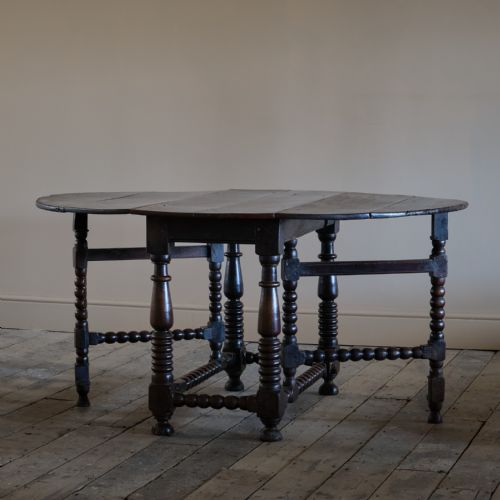
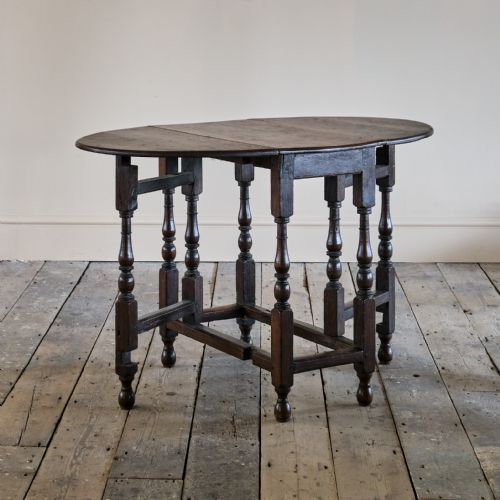

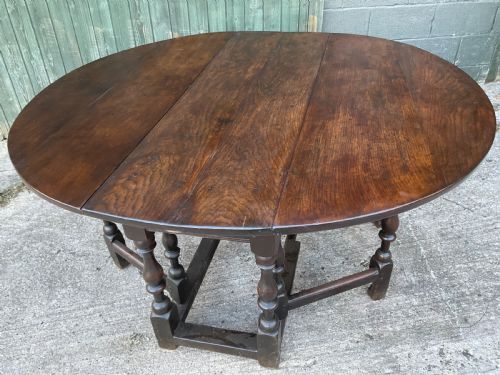


Carved Oak Gateleg Table
A carved oak gateleg table provides folding practicality alongside centuries of timber character for any room.
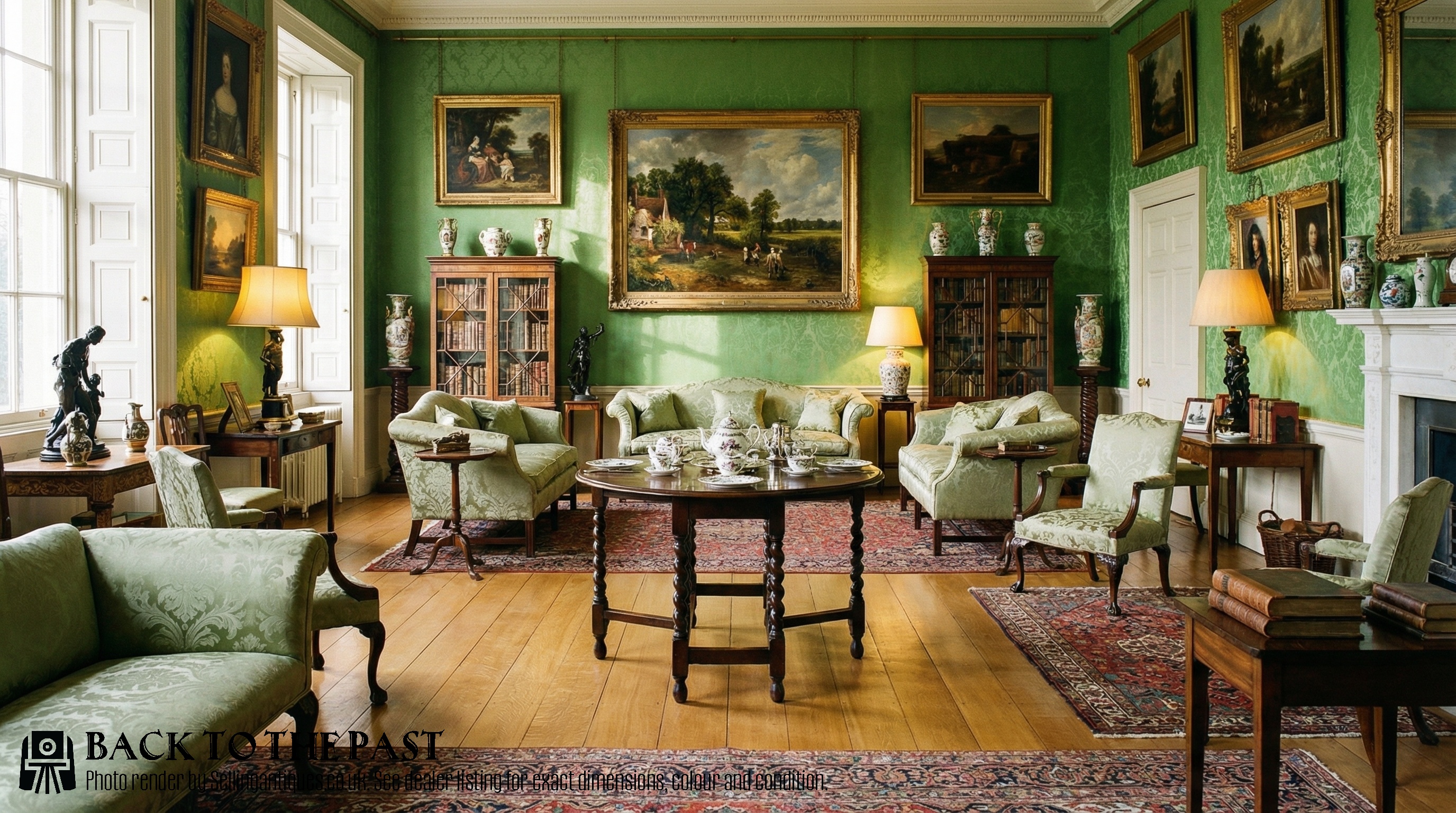
Carved Oak Gateleg Table
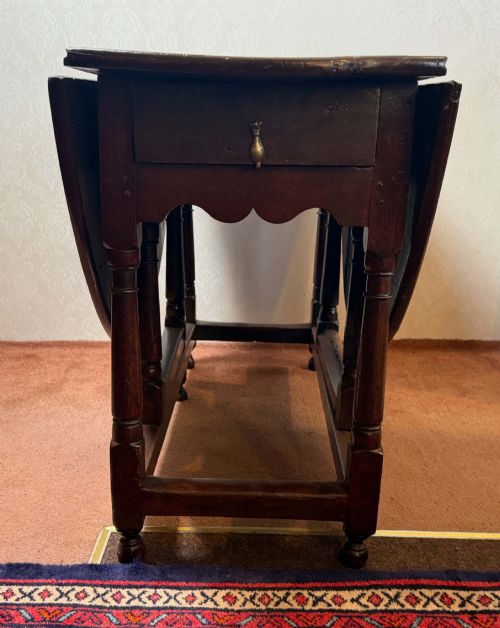
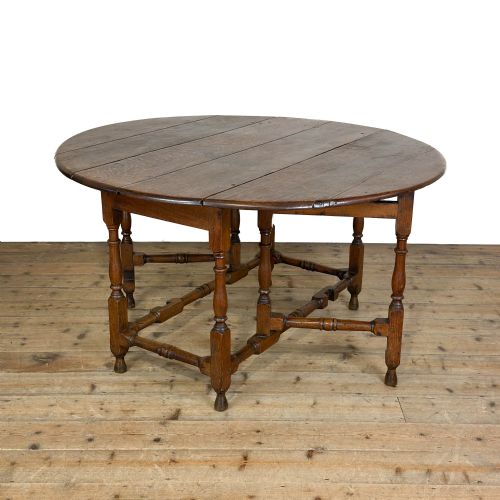
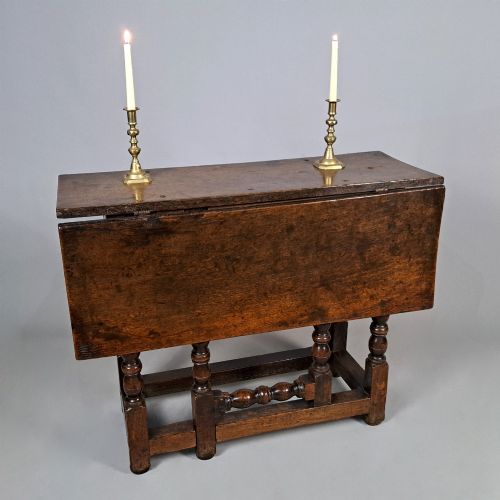
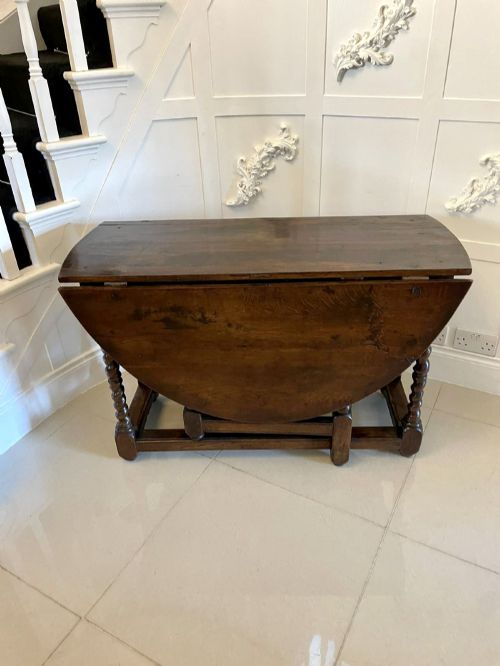
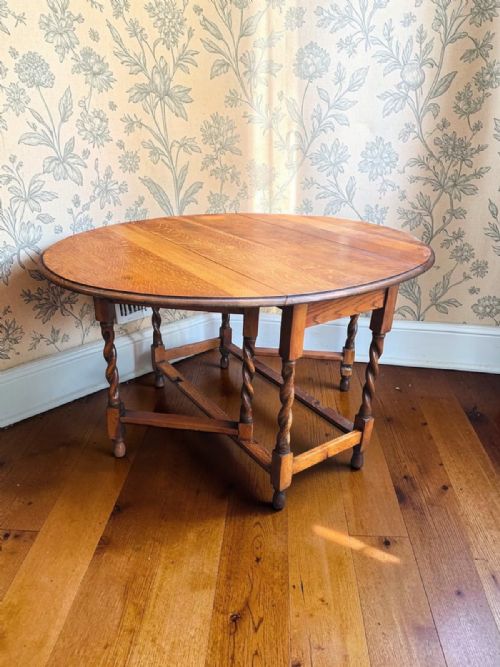
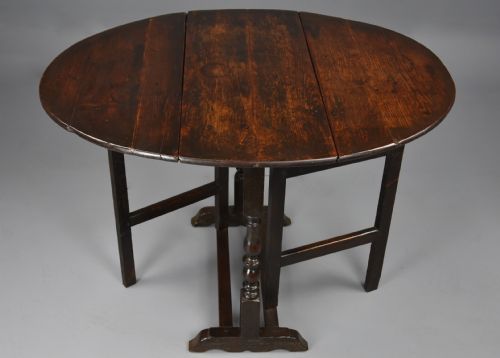
A carved oak gateleg table offers a folding drop-leaf design supported by pivoting legs that swing out to hold the extended leaves. Buyers searching this phrase encounter examples ranging from seventeenth-century originals to later revivals from the nineteenth and early twentieth centuries.
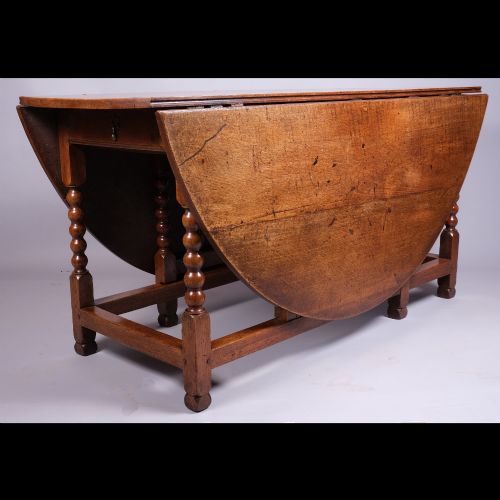
The selection includes large dining formats intended for six people alongside compact side, occasional, and coffee tables. Most surviving pieces follow an oval or round shape when opened, scaling down into narrow footprints when folded against a wall.
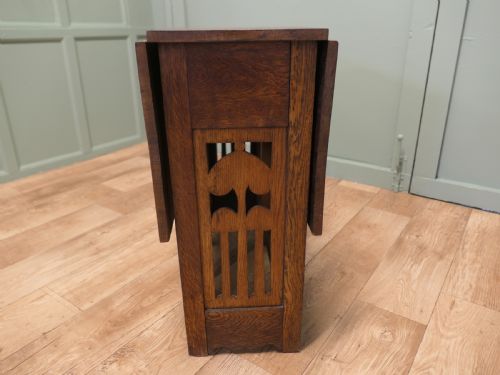
Period origins span the seventeenth century, the eighteenth century, and revival eras around nineteen-twenty. English country interpretations sit alongside pieces bearing heavier architectural turning from the Charles the Second and Jacobean periods.
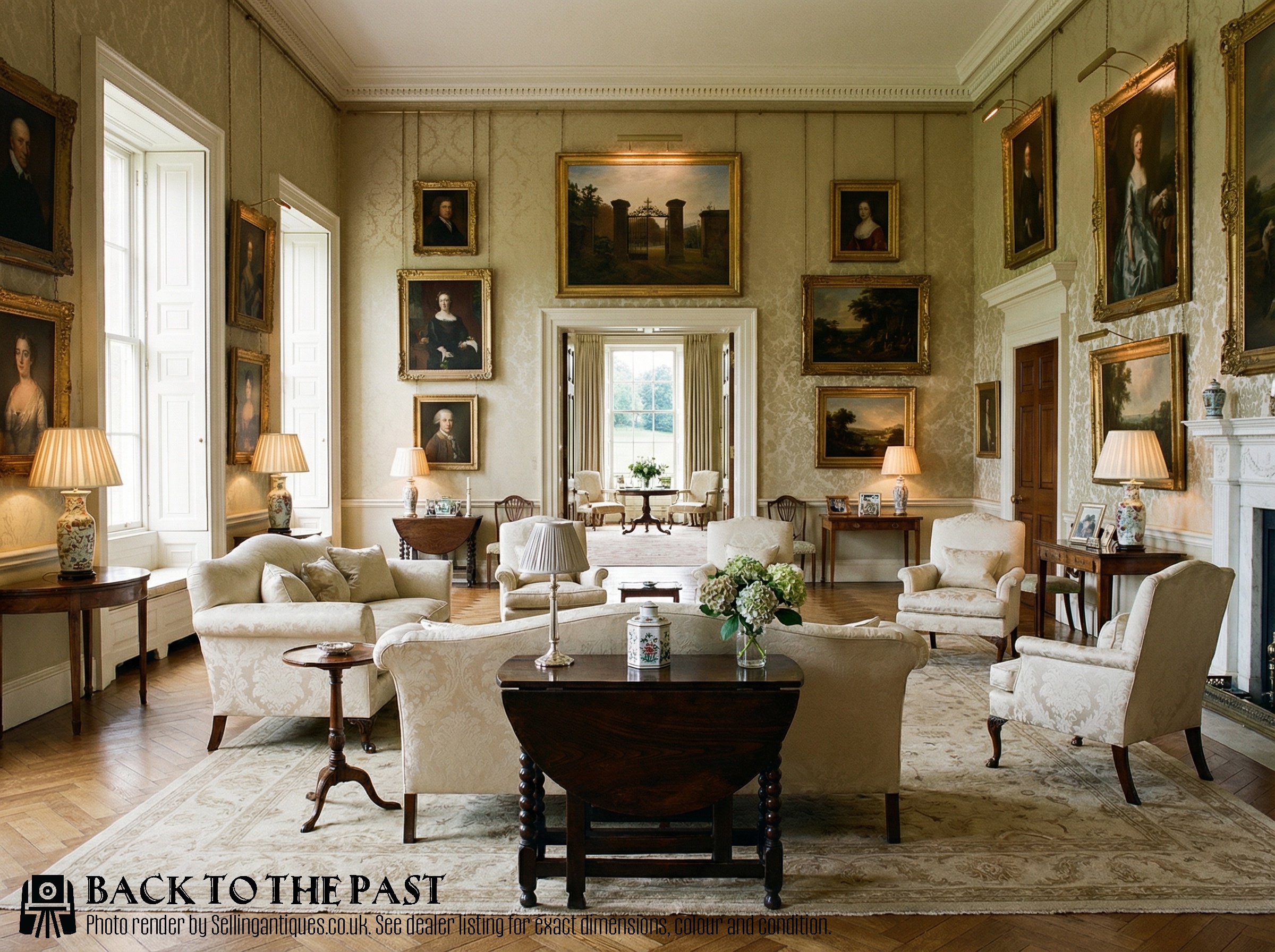
Assessing proportion, timber depth, and mechanism
Quality rests in the balance of proportions between the fixed centre section and the folding leaves when fully extended. Superior examples maintain structural integrity at the pivot joints without undue sagging in the drop leaves.
The depth of the surface patina and the crispness of the original carved details distinguish regional vernacular work from finer metropolitan joinery. Timber selection ranges from dense quarter-sawn oak with strong medullary rays to simpler plain boards.
Carved Oak Gateleg Table Retail Price Guide 2026
Typical asking prices for carved oak gateleg table among the pieces listed under this phrase on Sellingantiques today, from the lower quarter to the upper quarter. They describe what is for sale here now, not the wider market.
Listings feature oak material paired with brass and iron hardware across seventeenth-century and nineteen-twenty revival periods.
The Carved Oak Gateleg Table Glossary
- Gateleg table
- A table with hinged leaves supported by swinging legs that move like a gate. This construction allows the surface area to expand or contract according to space requirements.
- Barley twist
- A spiral turning carved into furniture legs and supports. This decorative technique appears frequently on seventeenth-century pieces and nineteen-twenties revival furniture.
- Bobbin turned
- A series of rounded wooden spheres resembling spools carved along the length of a leg. The shape creates a rhythmic silhouette common in seventeenth-century joinery.
- Drop leaf
- A hinged flap of wood attached to a fixed tabletop that raises to increase surface area. When lowered, the leaf hangs vertically to reduce the footprint of the furniture.
- Patina
- The surface sheen and colour developed by aged wood through handling, wax, and light over centuries. A deep patina indicates long-term use and natural oxidation.
Carved Oak Gateleg Table: Frequently Asked Questions
How do I seat six people at a gateleg table?
Raise both drop leaves and swing the supporting gate legs outward until they lock beneath the corners to bear the weight. The lack of fixed corner legs allows chairs to tuck underneath the frame easily.
Position the table so that the folding leaves run parallel to the longest room dimension for maximum legroom. Ensure the pivoting gate stands directly beneath the heaviest section of the leaf.
Can I use a gateleg table in a small dining room?
Drop one or both leaves to fold the table flat against a wall when not in use, freeing up valuable floor space. The narrow profile functions well as a side or occasional surface between meals.
When guests arrive, pull the table into the centre of the room and open the leaves for a full dining surface. The adaptability makes these tables suitable for compact interior layouts.
How do I distinguish a seventeenth-century table from a nineteen-twenties revival?
Examine the underside of the top and the peg construction for tool marks and timber shrinkage consistent with age. Seventeenth-century examples show hand-riven oak boards and irregular hand-turned elements.
Revival pieces from nineteen-twenty often feature more uniform machine turning and standardised hardware fixings. The colour and grain structure of the oak also differ between centuries of exposure.
How do I care for the surface of an antique oak table?
Apply traditional beeswax sparingly and buff with a soft cloth to maintain the protective finish on the oak timber. Avoid placing the table near direct heat sources or strong sunlight that might dry out the wood.
Use felt pads beneath hot dishes or damp items to protect the aged surface from ring marks and moisture damage. Regular dusting prevents particulate buildup in the carved recesses.