

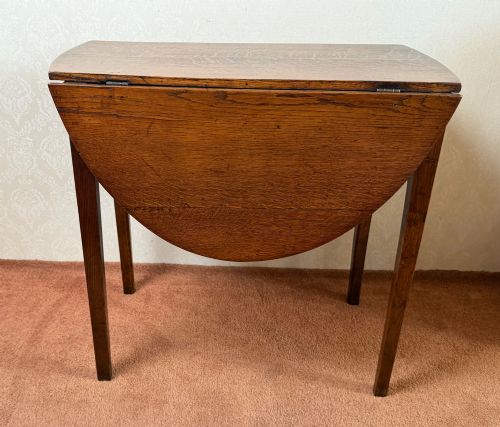
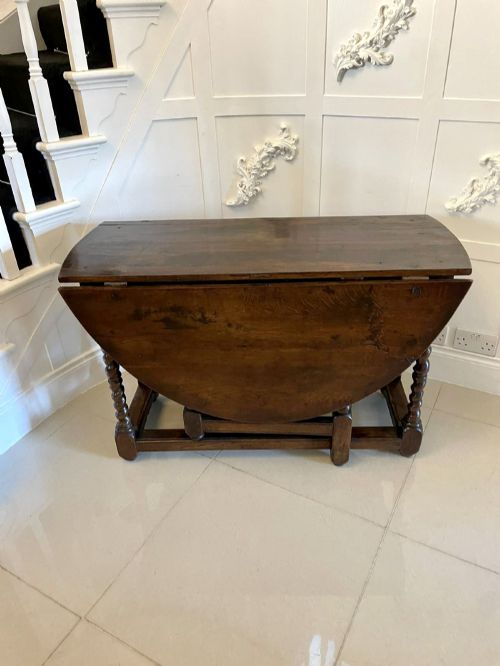
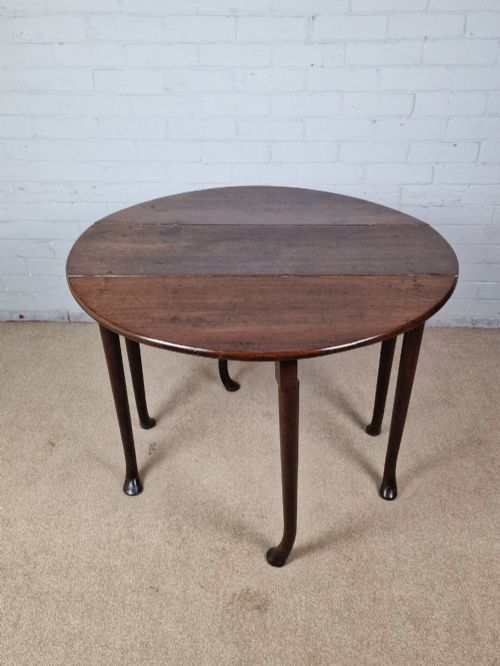
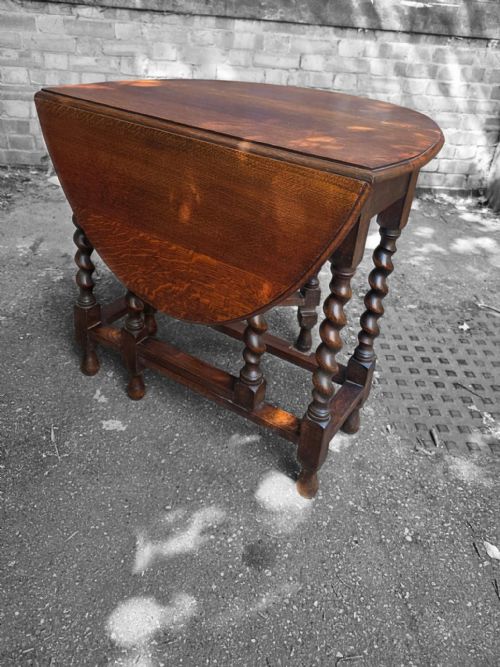
Brown Oak Gateleg Table
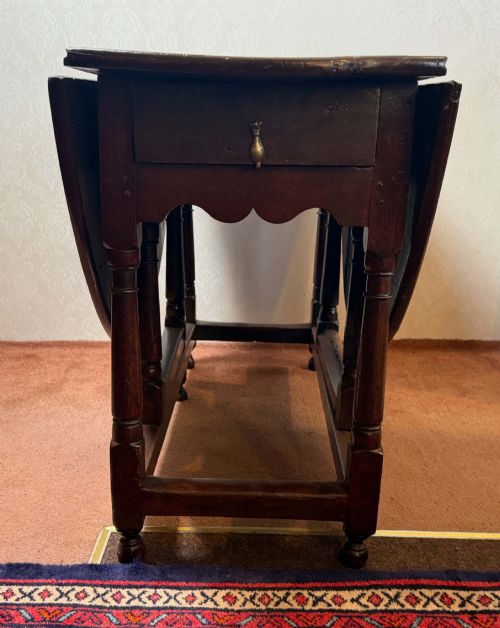
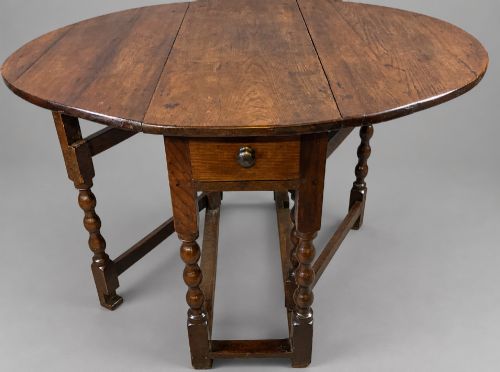
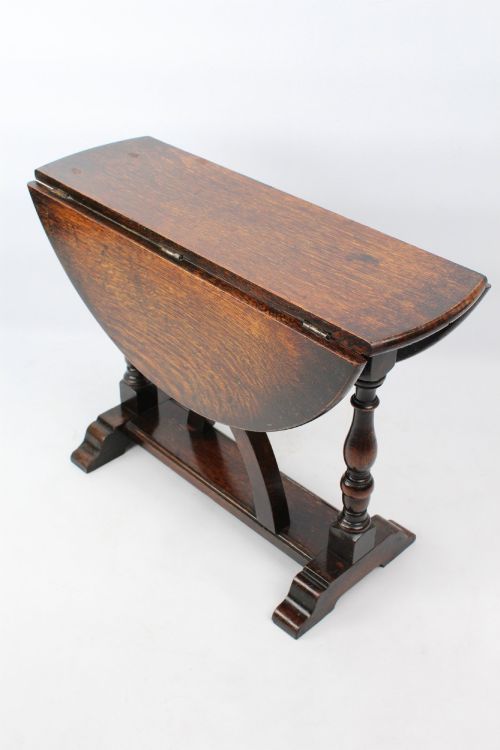
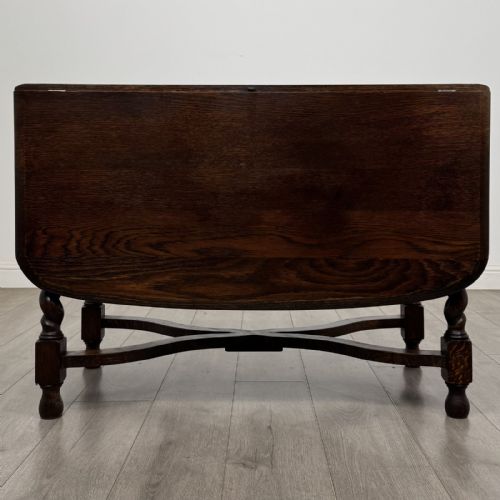
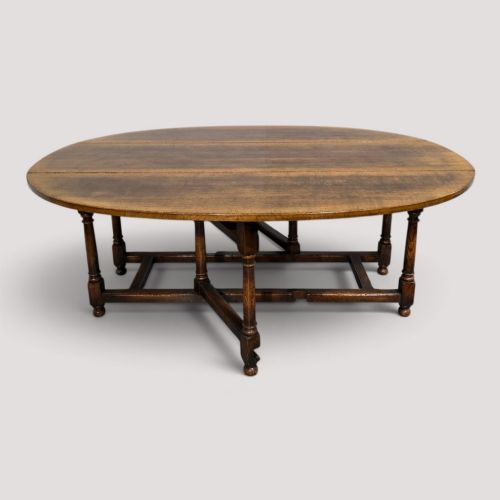
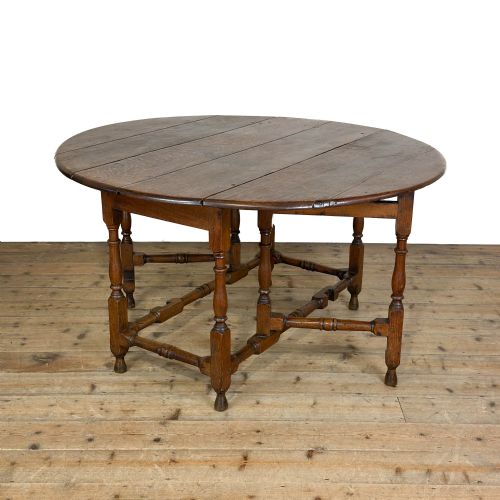
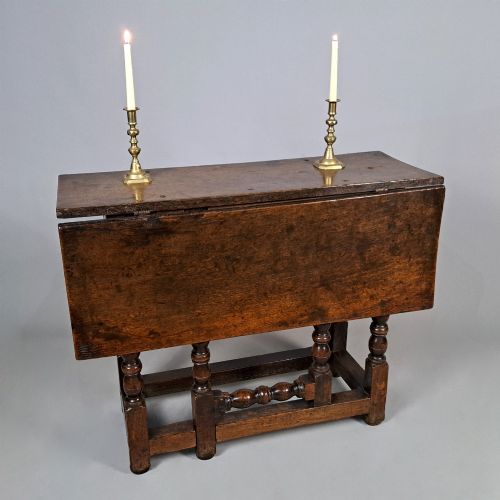
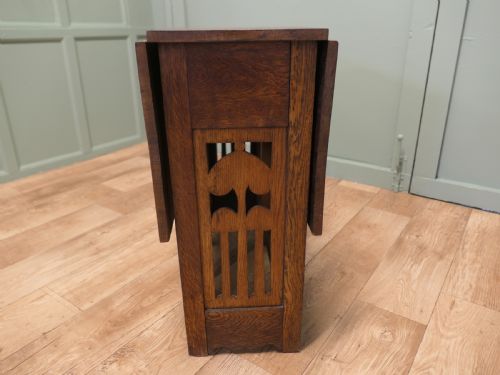
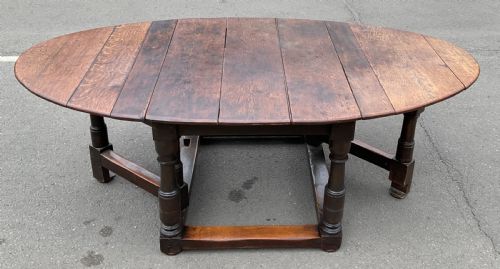
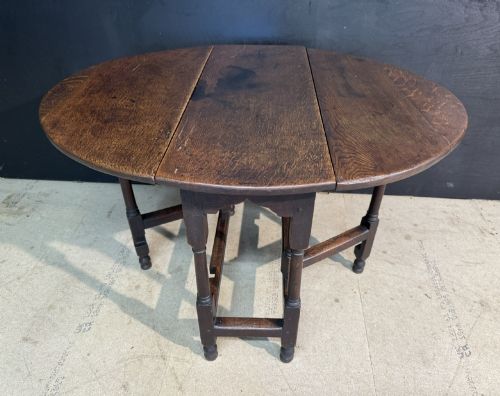
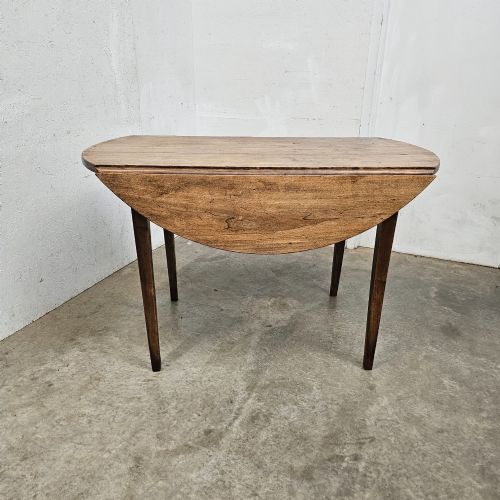
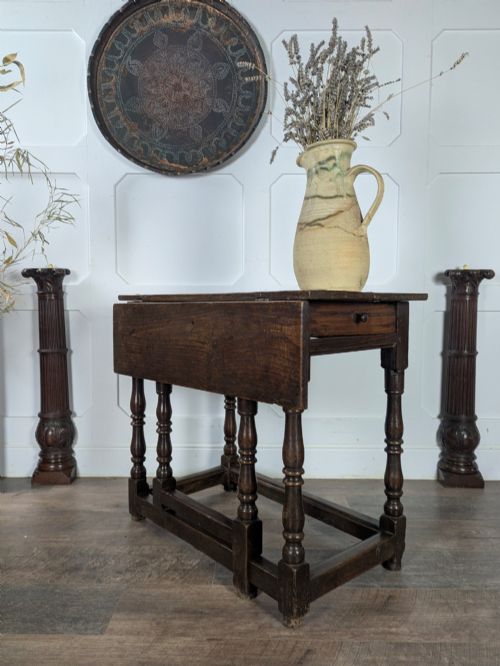
A brown oak gateleg table provides a sturdy timber surface with hinged leaves that swing out on moving legs to save space.
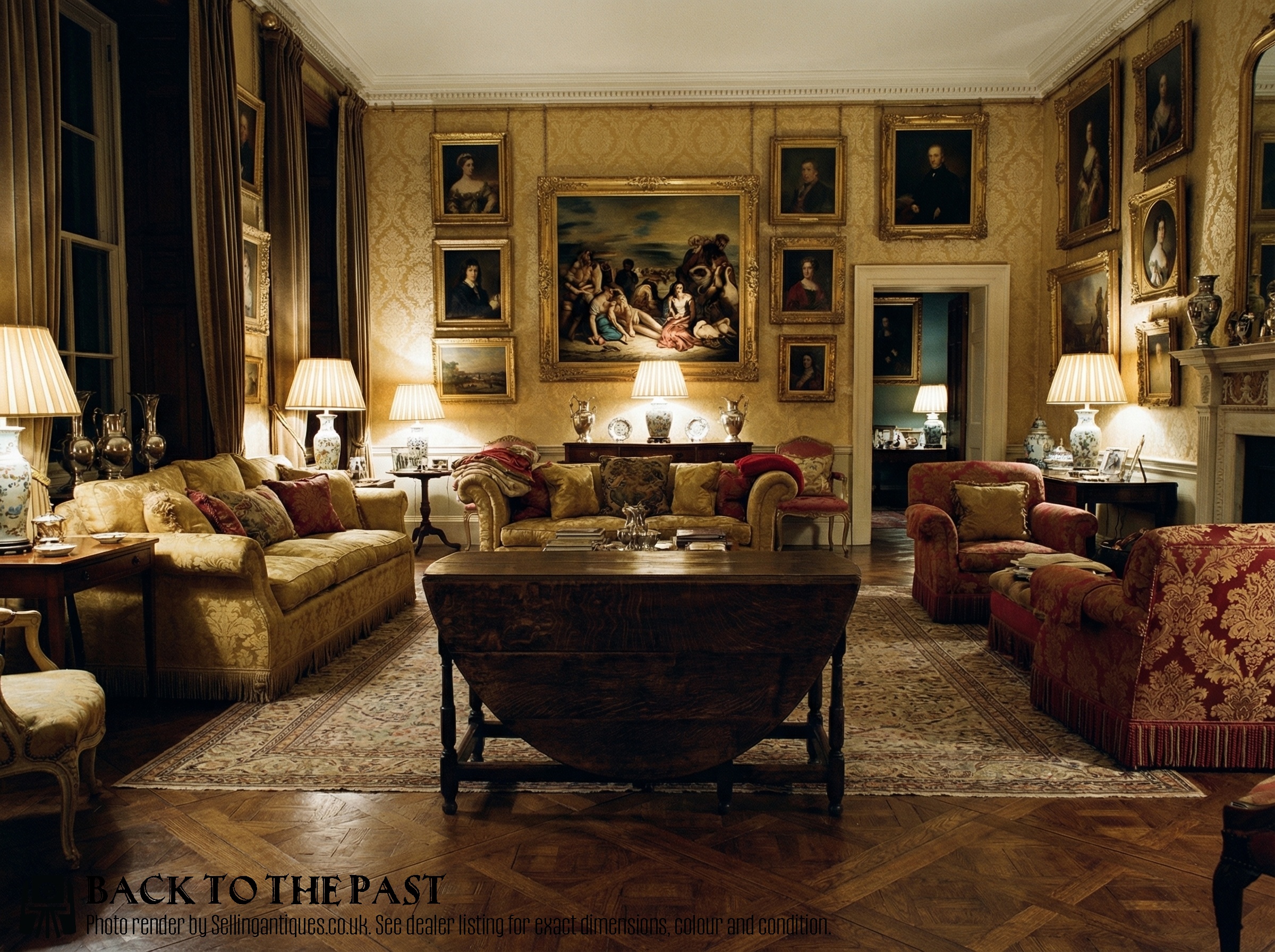
Brown Oak Gateleg Table
A brown oak gateleg table combines a solid central frame with drop leaves supported by pivoting legs that swing outward. These practical folding surfaces appear across centuries, serving as dining tables, side tables and coffee tables in various domestic rooms.
The selections span the seventeenth century, the eighteenth century and the twentieth century, bringing together original period examples and later revivals. Common forms include dining tables, drop leaf tables and occasional tables built from timber.
Makers construct these pieces to adapt to changing spatial needs, allowing users to drop the side leaves when floor space is tight. The proportions range from small side pieces to large dining surfaces intended for daily meals.
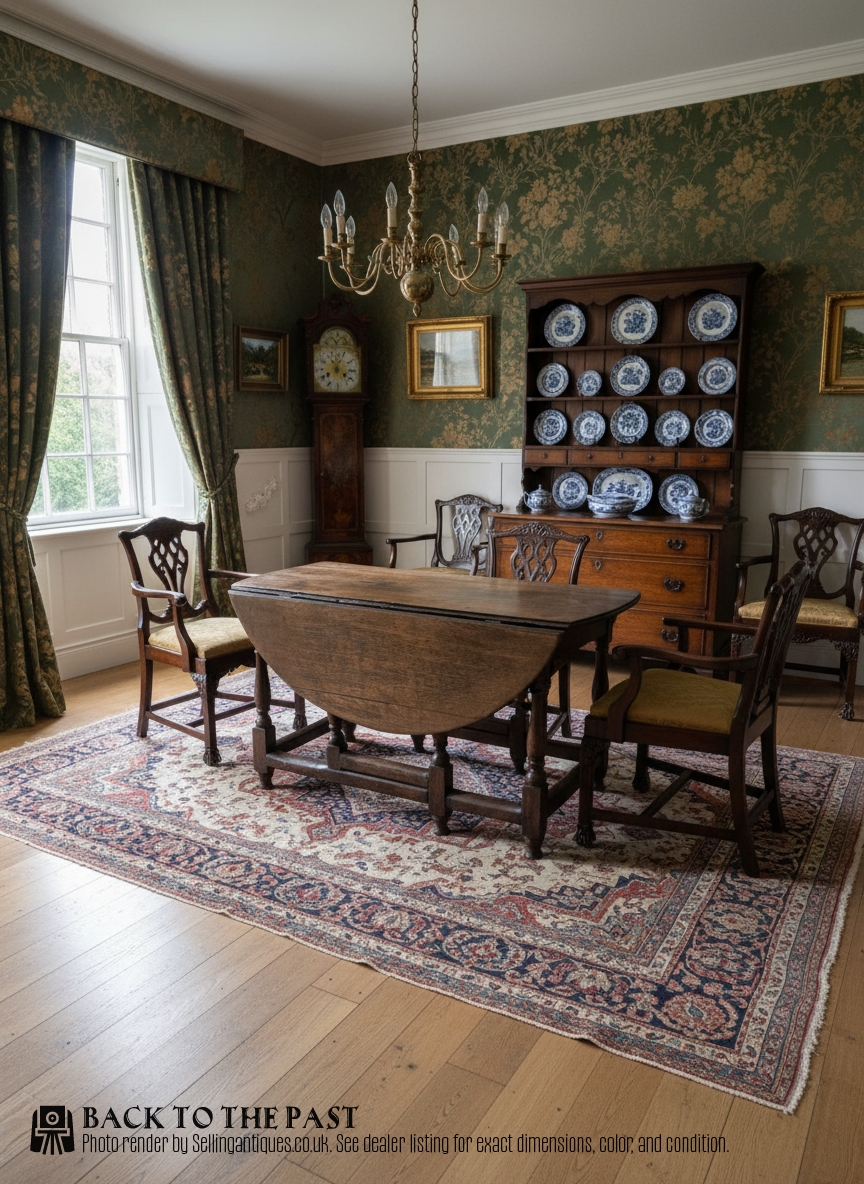
What varies in quality
The distinction between standard examples and superior pieces rests in the timber selection and the complexity of the turning on the legs. Finely shaped bobbin or barley twist supports demonstrate greater skill than plain square or simple tapered posts.
Original surface preservation heavily influences the standing of a piece, with untouched patination and period hinges holding higher regard among collectors. The selection of timber grain and the smoothness of the drop leaf action also separate everyday furniture from exceptional examples.
Brown Oak Gateleg Table Retail Price Guide 2026
Typical asking prices for brown oak gateleg table among the pieces listed under this phrase on Sellingantiques today, from the lower quarter to the upper quarter. They describe what is for sale here now, not the wider market.
Listings span multiple eras, encompassing seventeenth-century, eighteenth-century and twentieth-century periods alongside Jacobean and Georgian revival styles.
The Brown Oak Gateleg Table Glossary
- Gateleg table
- A table with hinged leaves supported by one or more legs that swing out like a gate. This design allows the surface area to expand or contract according to domestic needs.
- Drop-leaf table
- A table featuring a fixed centre section and hinged flaps on either side that lower when not in use. These pieces maximise floor space in smaller rooms.
- Barley twist
- A decorative turning technique resembling a spiralling rope carved into wooden furniture legs. This ornamental style appears frequently on seventeenth-century and revival pieces.
- Baluster
- An architectural term for a moulded shaft or post supporting a table structure. Carpenters often shape these upright supports with distinct swells and collars.
- Patina
- The deep surface sheen and colour acquired by wood over centuries of use, handling and polishing. This quality develops naturally as timber ages.
Brown Oak Gateleg Table: Frequently Asked Questions
How do I use a gateleg table?
Raise the hinged drop leaves on either side and swing the pivoting gate legs outward until they lock beneath the timber flaps to form a stable surface.
Lower the leaves downward against the central frame when you need to store the table against a wall or free up floor space in a room.
What is the difference between seventeenth-century and revival tables?
Seventeenth-century examples display period construction methods, hand-turned baluster or bobbin legs and natural wear accumulated over generations of domestic use.
Revival pieces, such as those from the early twentieth century, imitate these earlier styles using machinery while incorporating period motifs like barley twist supports.
How do I care for antique oak?
Maintain the timber surface by dusting regularly with a soft dry cloth and applying natural beeswax sparingly to preserve the moisture and sheen of the wood.
Keep the table away from direct heat sources and strong sunlight to prevent the solid oak top and drop leaves from splitting or warping.
Are these tables suitable for modern dining?
The folding mechanism allows you to adjust the surface dimensions to accommodate daily meals or larger gatherings by dropping or raising the side leaves.
Sturdy timber frames and varied proportions mean many antique and revival examples function reliably as everyday dining or kitchen tables.