



Vintage Oak Extension Table
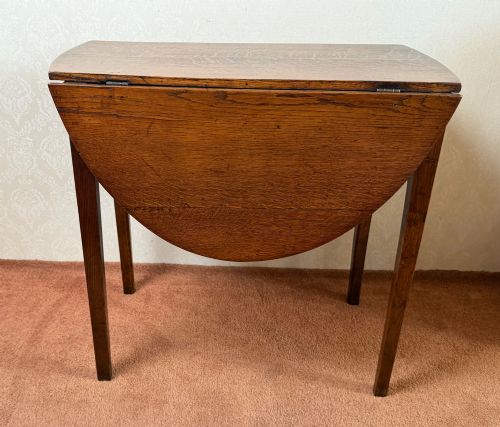
A vintage oak extension table offers solid timber utility for dining, meeting the need for expandable surface space through draw leaves or drop leaves.
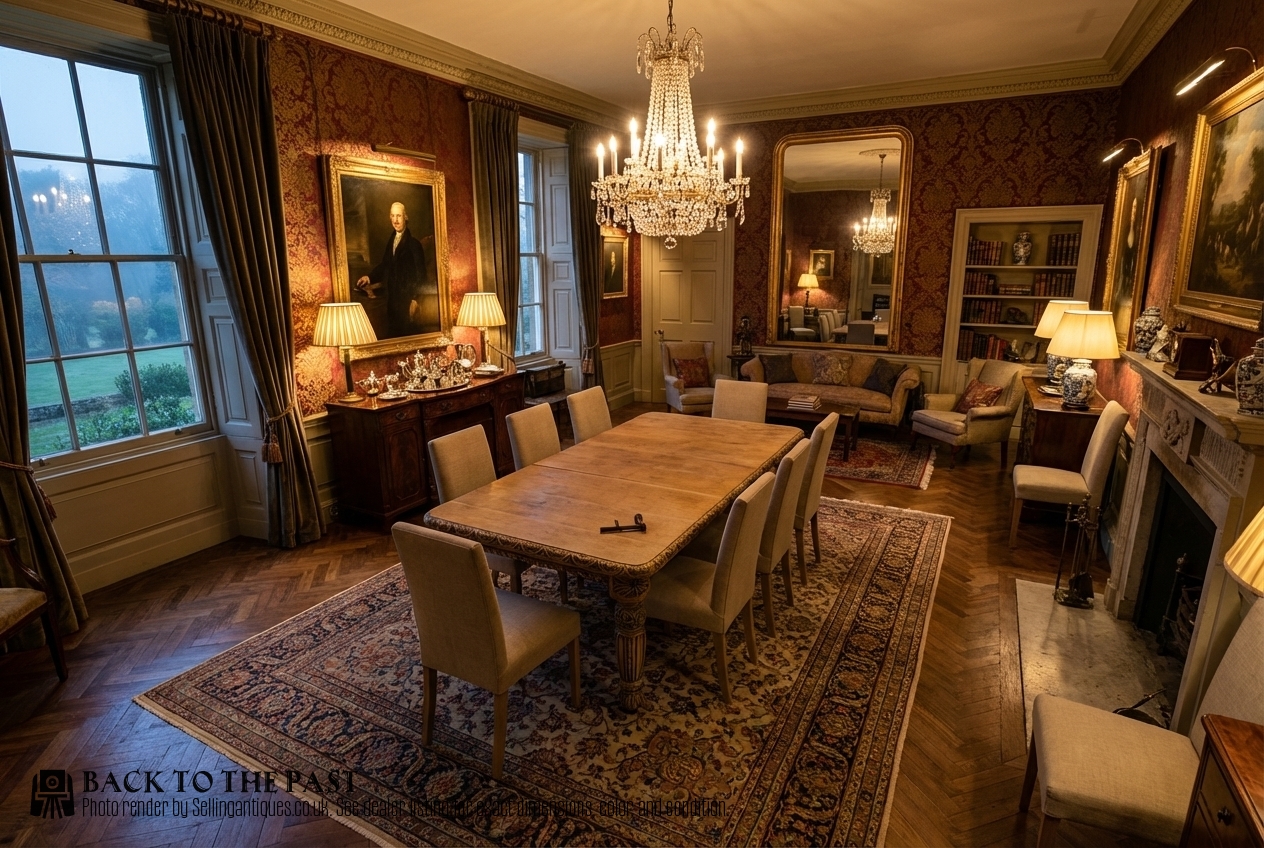
Vintage Oak Extension Table
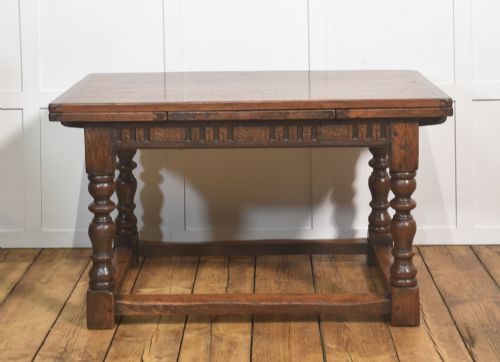
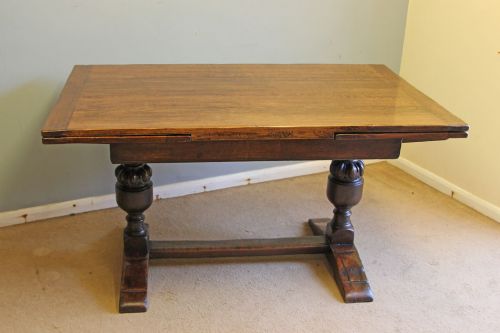
A vintage oak extension table provides a robust surface for dining and communal use, frequently utilising clever mechanisms to alter its footprint. Buyers seeking a vintage oak extension table encounter various historical revivals and vernacular forms spanning several centuries.
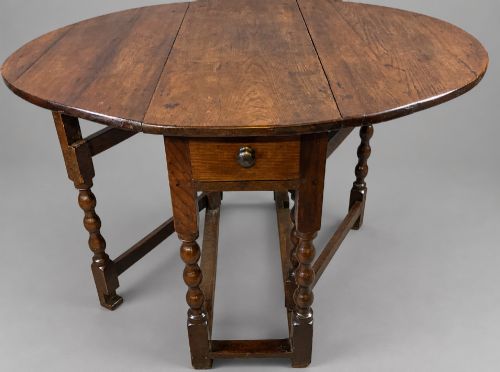
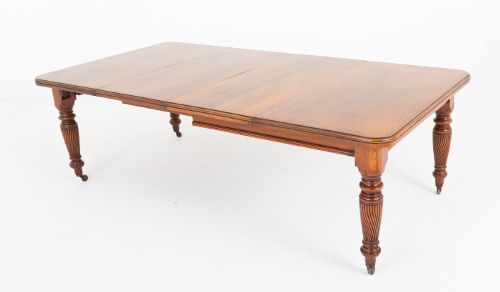
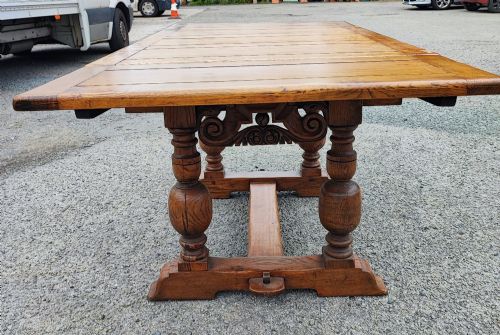
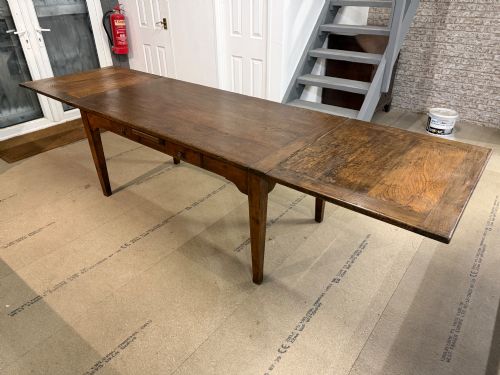
The selection ranges from early gateleg designs to Edwardian draw leaf tables and refectory formats. These pieces draw upon Jacobean, Elizabethan, Gothic, and rustic farmhouse traditions to deliver both practicality and period character.
Most examples originate from the nineteenth and early twentieth centuries, though earlier roots appear in seventeenth-century gate tables. Solid oak forms the primary structural core across these diverse regional and stylistic expressions.
Indicators of superior craftsmanship
Quality rests upon the selection of timber and the precision of the extending mechanism. Heavy solid oak construction combined with smooth movement in draw leaves or drop-leaf gates distinguishes superior examples.
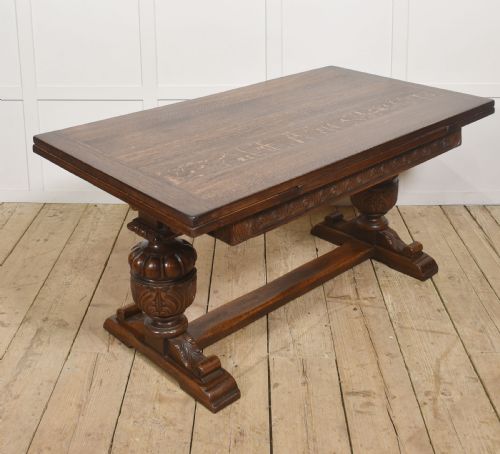
Detailing elevates certain pieces above standard utility items, particularly hand-carved ornamentation, parquetry surface patterns, and well-executed stylistic revivals such as Elizabethan or Gothic forms.
Vintage Oak Extension Table Retail Price Guide 2026
Typical asking prices for vintage oak extension table among the pieces listed under this phrase on Sellingantiques today, from the lower quarter to the upper quarter. They describe what is for sale here now, not the wider market.
Some gateleg tables manage to fold down into such a slim profile that they practically hide against the wall.
Heals
The Vintage Oak Extension Table Glossary
- Draw leaf
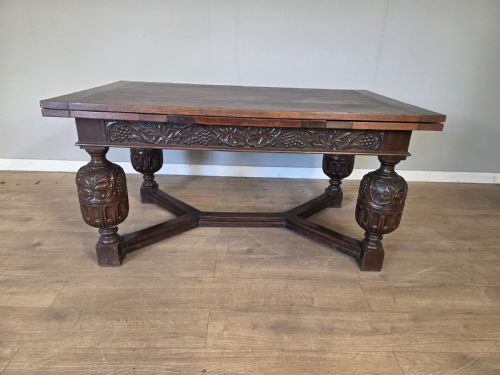
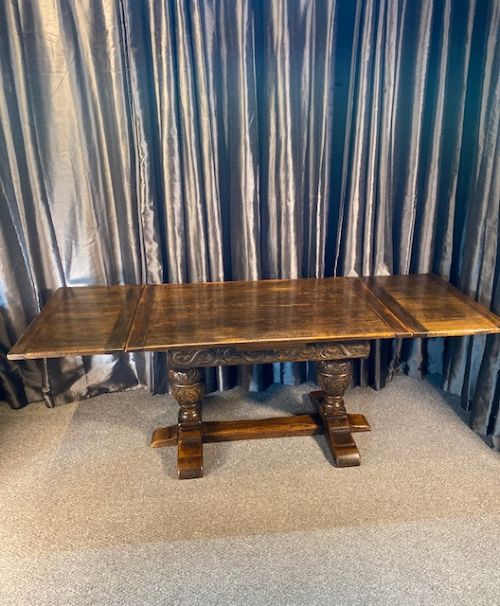
- A table with auxiliary leaves stored beneath the main top that pull out to extend the surface. This mechanism allows quick expansion without removing separate boards.
- Gateleg
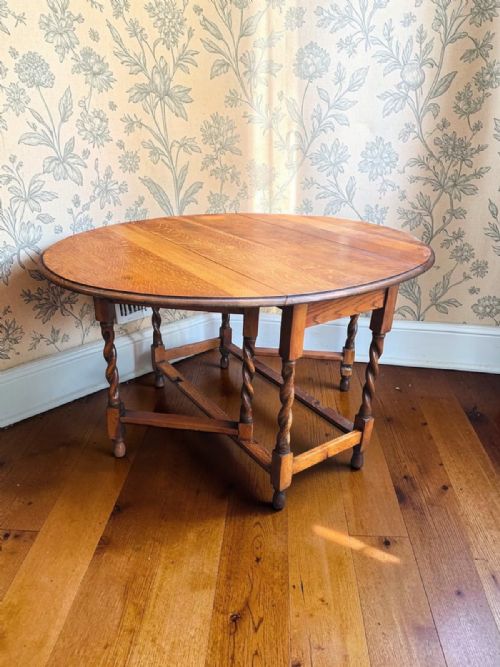
- A table with hinged drop leaves supported by swing-out legs that resemble a gate. It folds down compactly when not in use.
- Refectory
- A long, narrow dining table traditionally used in communal halls. These sturdy forms often feature stretcher bases and substantial timber framing.
- Parquetry
- Geometric wood mosaic work used to pattern table surfaces. It introduces decorative visual texture through contrasting grain directions.
- Barley twist
- A turned column resembling a spiralling rope. This decorative woodworking detail appears frequently on table legs.
Vintage Oak Extension Table: Frequently Asked Questions
How do draw leaf tables work?
Draw leaf tables operate through a system where two extension leaves slide out from beneath the primary central top. As the main top lifts slightly, the hidden leaves glide smoothly into place to create an uninterrupted larger surface.
This clever design keeps the leaves stored internally when not in use, avoiding the need for separate storage boards while providing quick expansion for larger gatherings.
How do I care for solid oak?
Solid oak furniture responds best to regular dusting with a dry cloth and occasional application of traditional beeswax to nourish the timber grain. Avoid placing oak tables near direct heat sources or strong sunlight to prevent timber movement and drying.
Using placemats and coasters protects the waxed or polished surface from moisture rings and heat marks, preserving the natural patina over decades of daily use.
How can I date an oak table?
Dating an oak table involves examining the construction methods, hardware, and stylistic details such as turnings or carved motifs. Hand-cut joinery, iron or brass fittings, and specific revival styles often point towards particular decades or centuries.
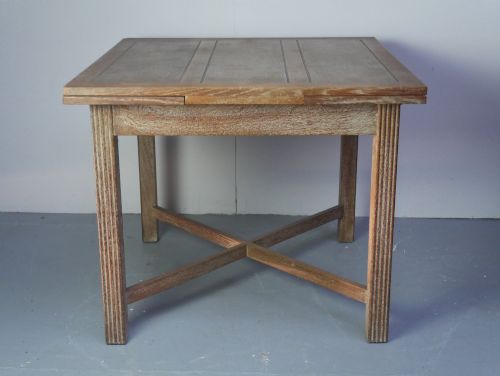
Characteristics like limed finishes, parquetry tops, or specific leg turning styles help narrow down the period of manufacture, distinguishing Edwardian or Victorian work from earlier revival or seventeenth-century pieces.