

Folding Oak Dining Table
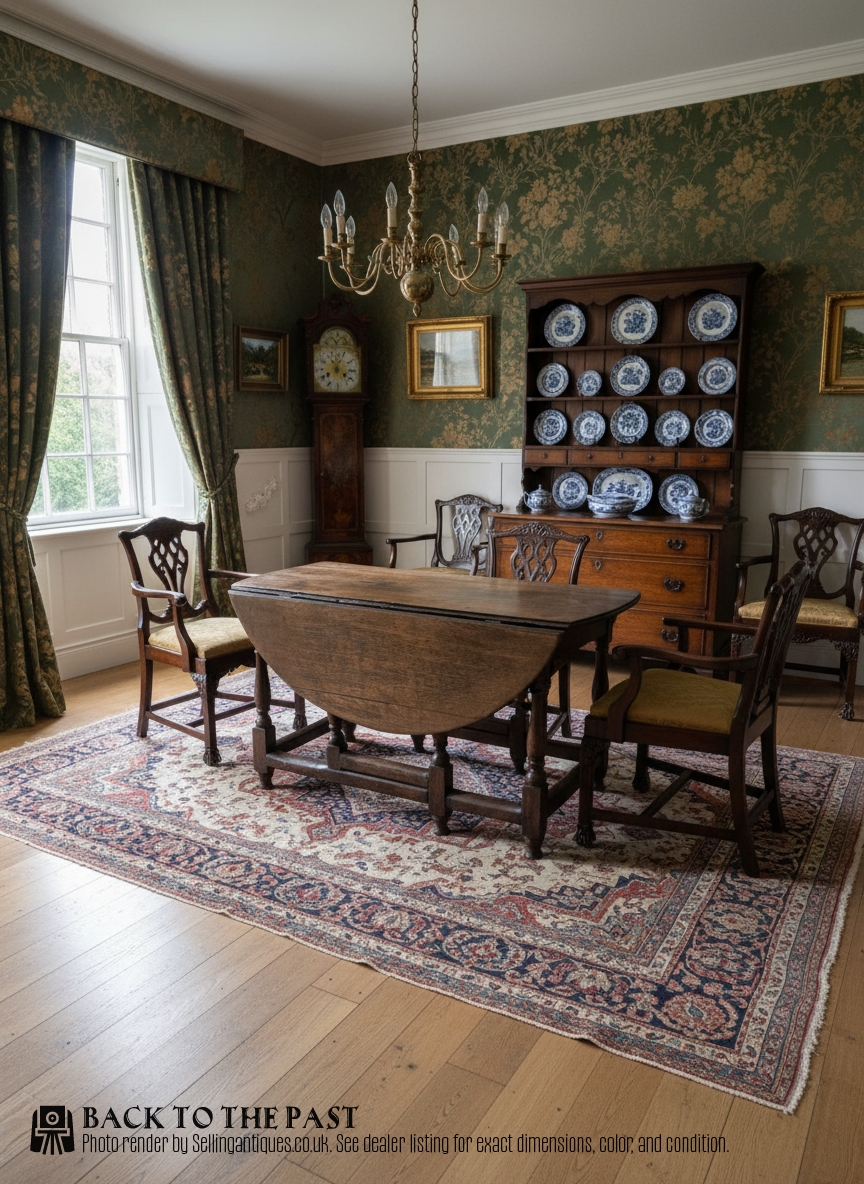
A folding oak dining table provides versatile seating for a room, moving easily from a compact drop leaf form to a large surface for meals.
Folding Oak Dining Table
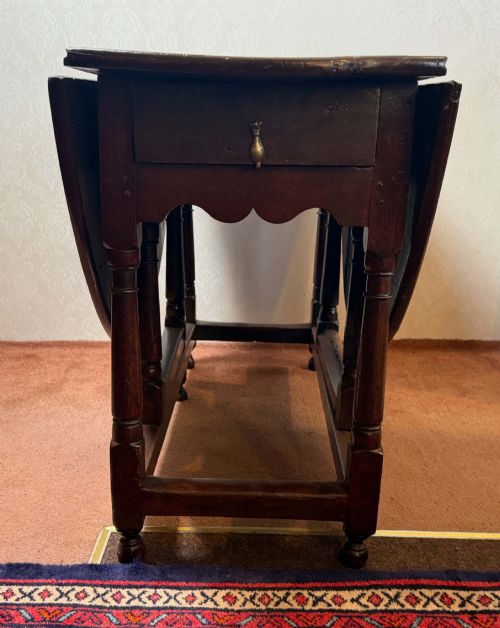
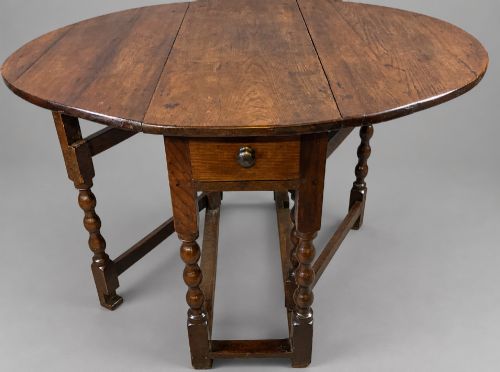
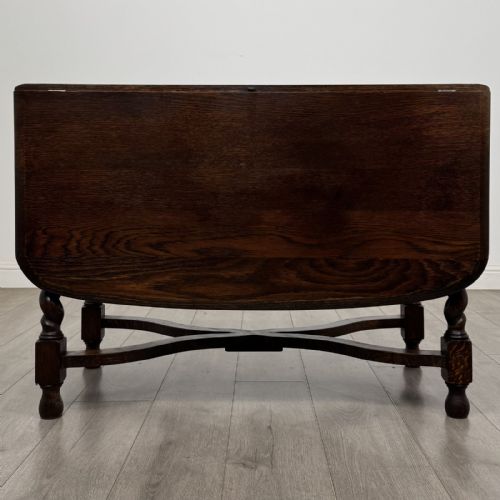
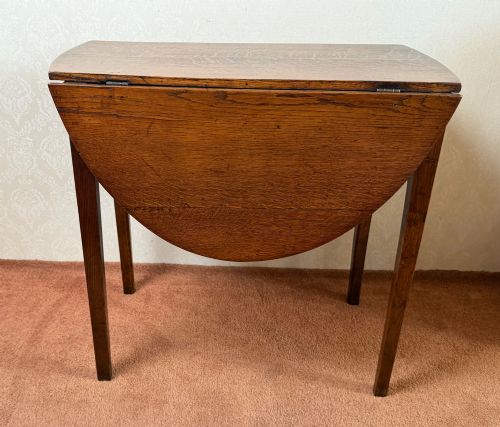
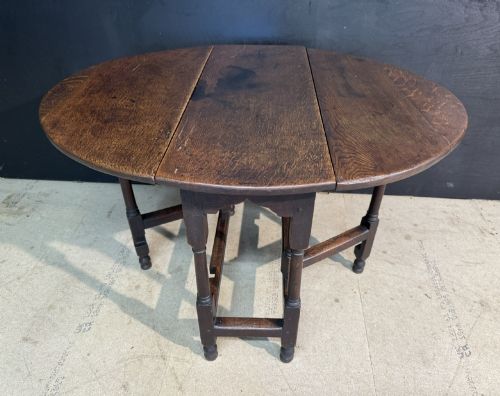
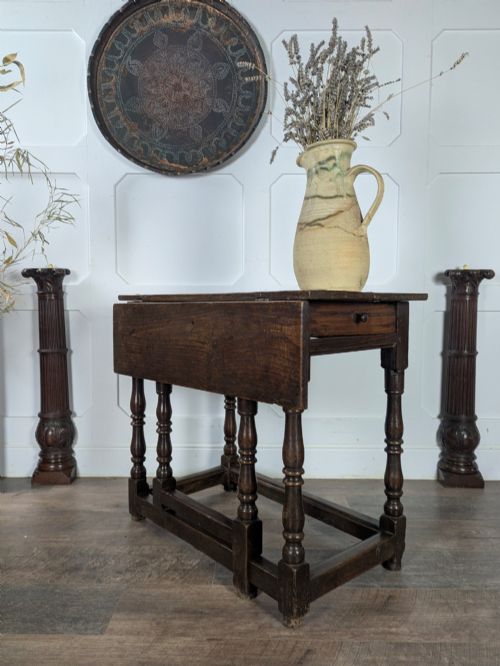
A folding oak dining table is typically encountered as a gateleg or drop leaf dining table built from solid timber across periods from the seventeenth century through to the twentieth century. These pieces serve multiple domestic functions, operating as everyday dining surfaces that expand when guests arrive.
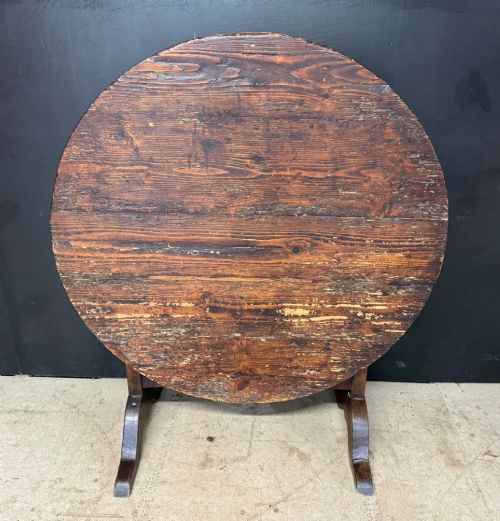
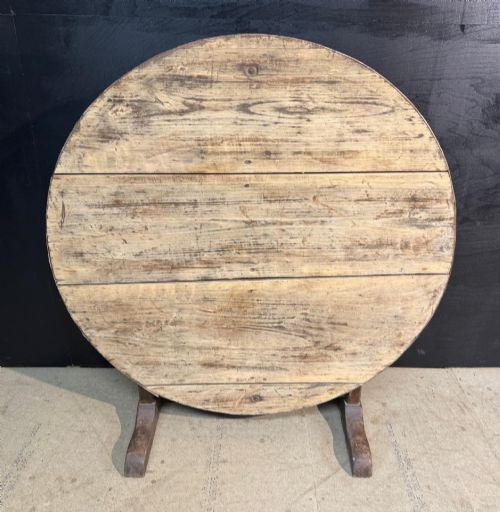
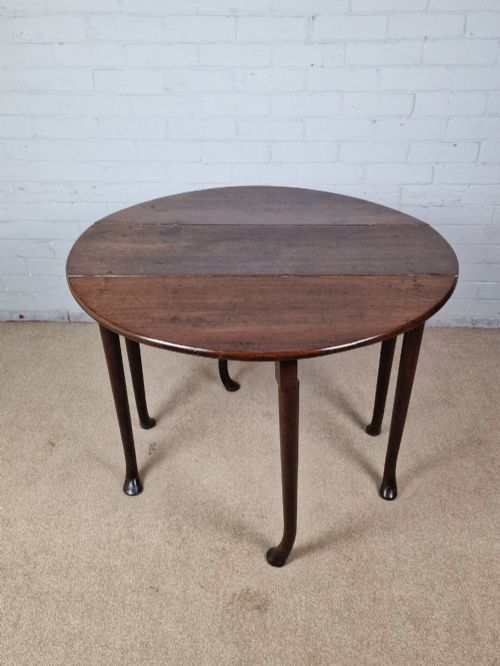
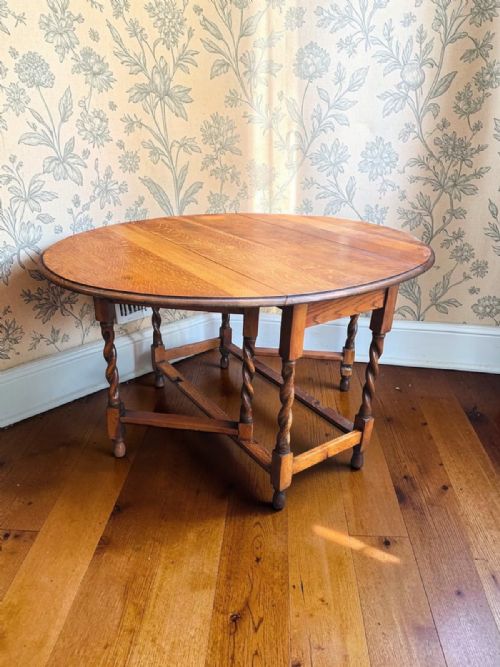
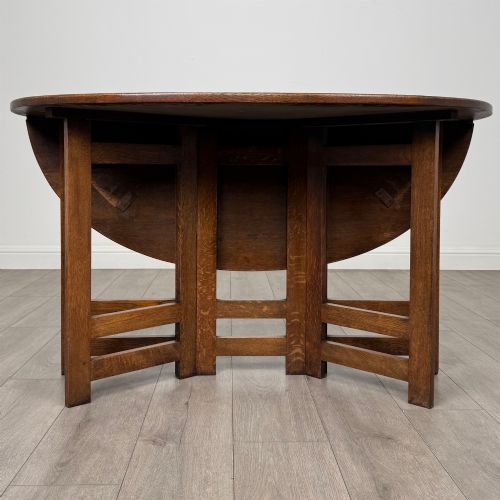
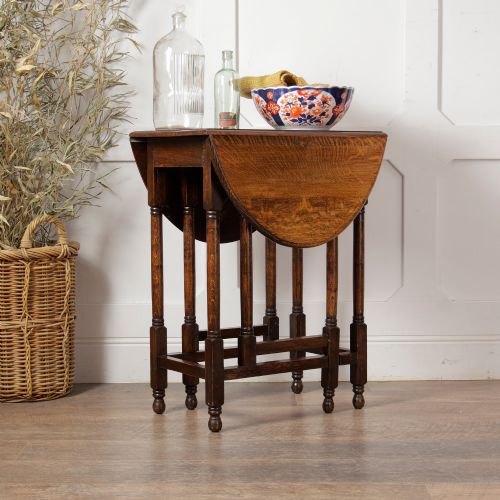
The most common versions met on this page are eighteenth-century and early twentieth-century oak gateleg tables featuring oval tops and hinged leaves supported by pivoting legs. Alongside these traditional English forms, continental folding tables such as French cherry and oak vendange tables appear frequently.
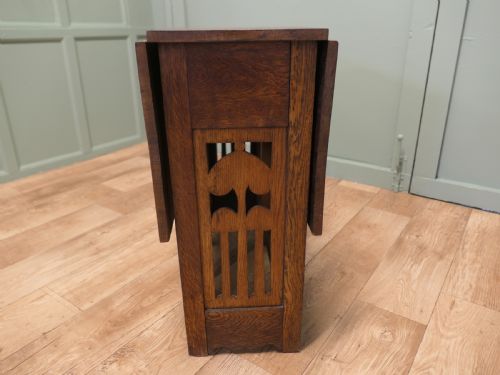
The styles span Jacobean revival, Georgian, and Arts and Crafts movements, reflecting the enduring utility of folding tables across centuries of domestic design. Buyers select these tables for their combination of sturdy hardwood construction and space-saving mechanisms.
How they were made
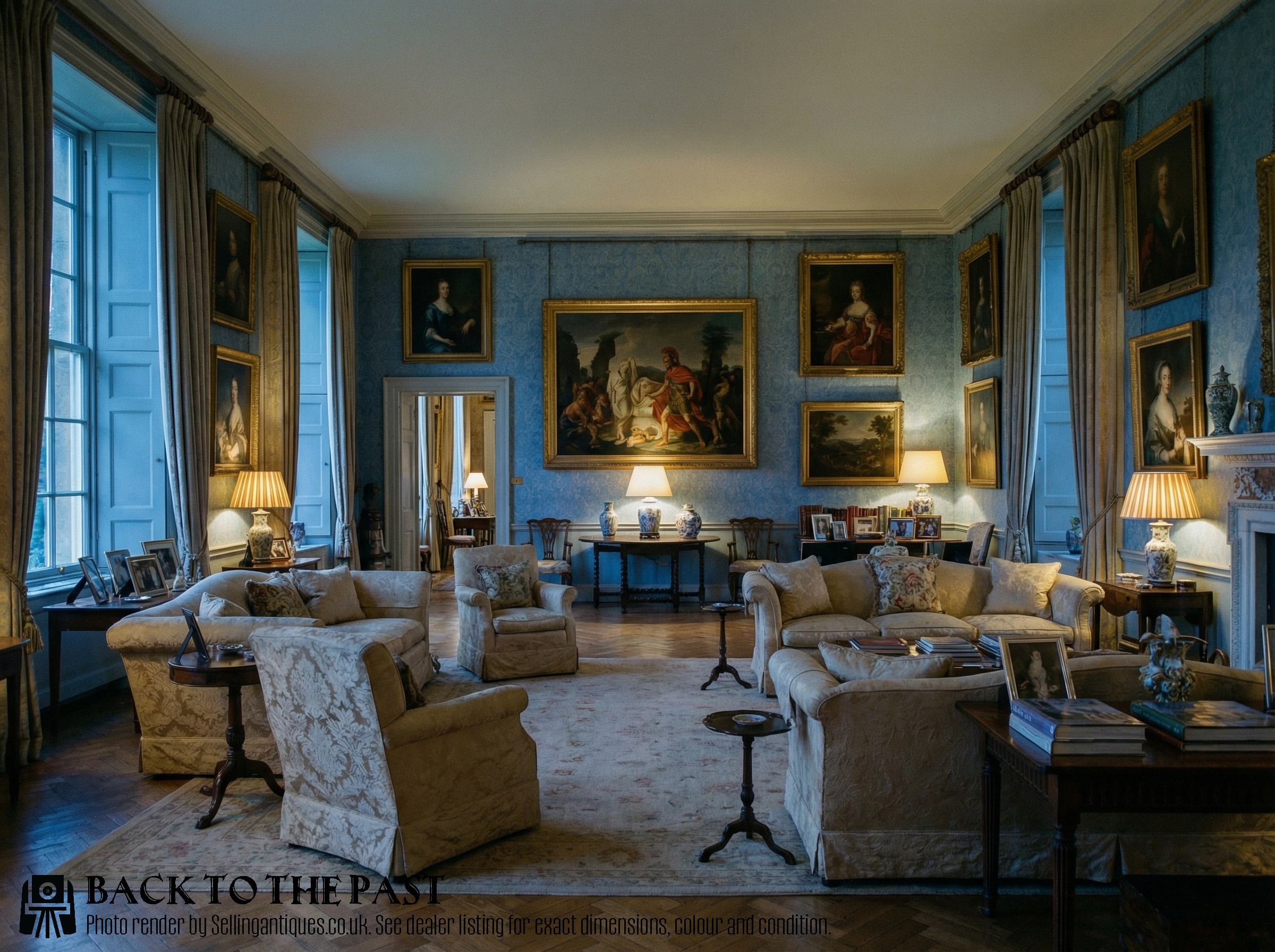
Carpenters constructed these tables using solid oak timber for the primary frame and top, occasionally combining cherry or fruitwood in continental examples. Joinery relied on traditional methods such as pegged mortise and tenon joints to secure the structural base.
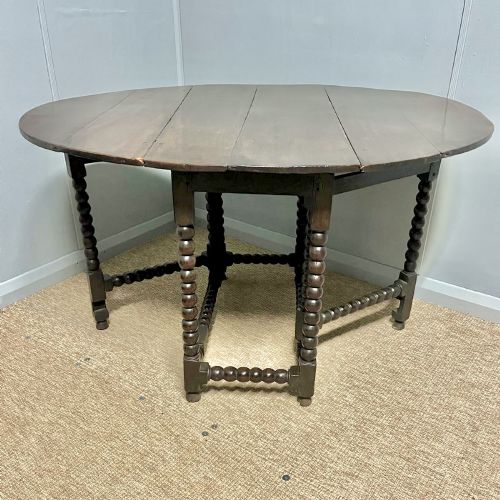
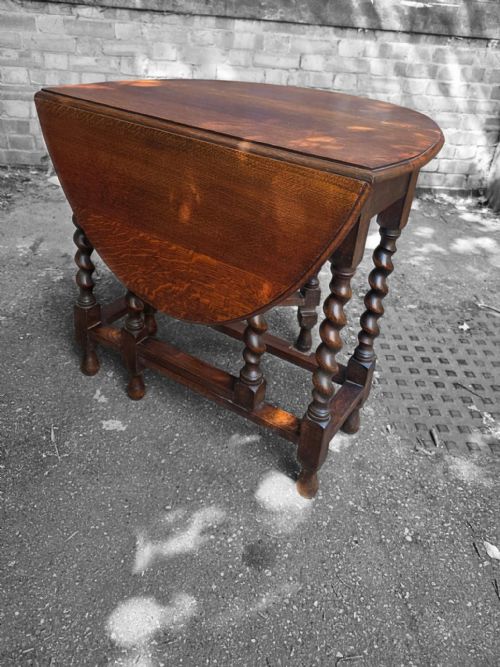
Turning lathes shaped the supporting legs, producing barley twist, baluster, or plain columnar forms that pivoted to hold the drop leaves. Brass or iron hinges and fixings allowed the folding mechanisms to operate smoothly while maintaining stability under weight.
Folding Oak Dining Table Retail Price Guide 2026
Typical asking prices for folding oak dining table among the pieces listed under this phrase on Sellingantiques today, from the lower quarter to the upper quarter. They describe what is for sale here now, not the wider market.
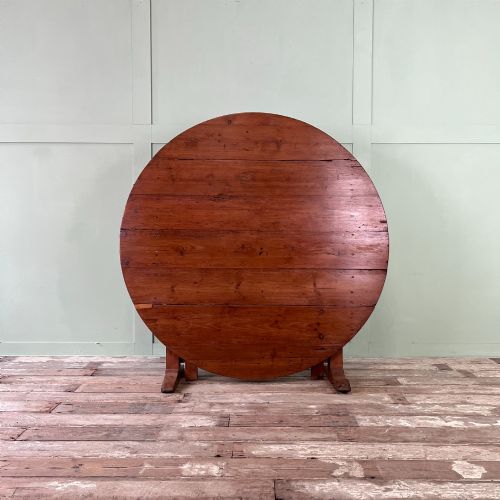
French vendange tables fold completely flat, originally designed to slide easily into the back of a farm cart after the grape harvest.
What varies in quality
The calibre of a folding oak dining table depends upon the selection of timber and the precision of the turning work on the legs. Superior examples utilise dense, quartersawn oak with a deep, natural patina developed through generations of use.
Construction integrity distinguishes better pieces, specifically the rigidity of the gateleg pivots and the alignment of the drop leaf joints when opened fully. Tables with six or more legs offer greater structural balance and weight distribution than simpler four-leg variants.
The Folding Oak Dining Table Glossary
- Gateleg table
- A table with hinged leaves supported by legs that swing outward like a gate to hold the flaps open. This design maximises floor space when the leaves drop down.
- Drop leaf
- A hinged section of a table top that folds down when not in use. It allows the overall footprint of the table to shrink considerably.
- Barley twist
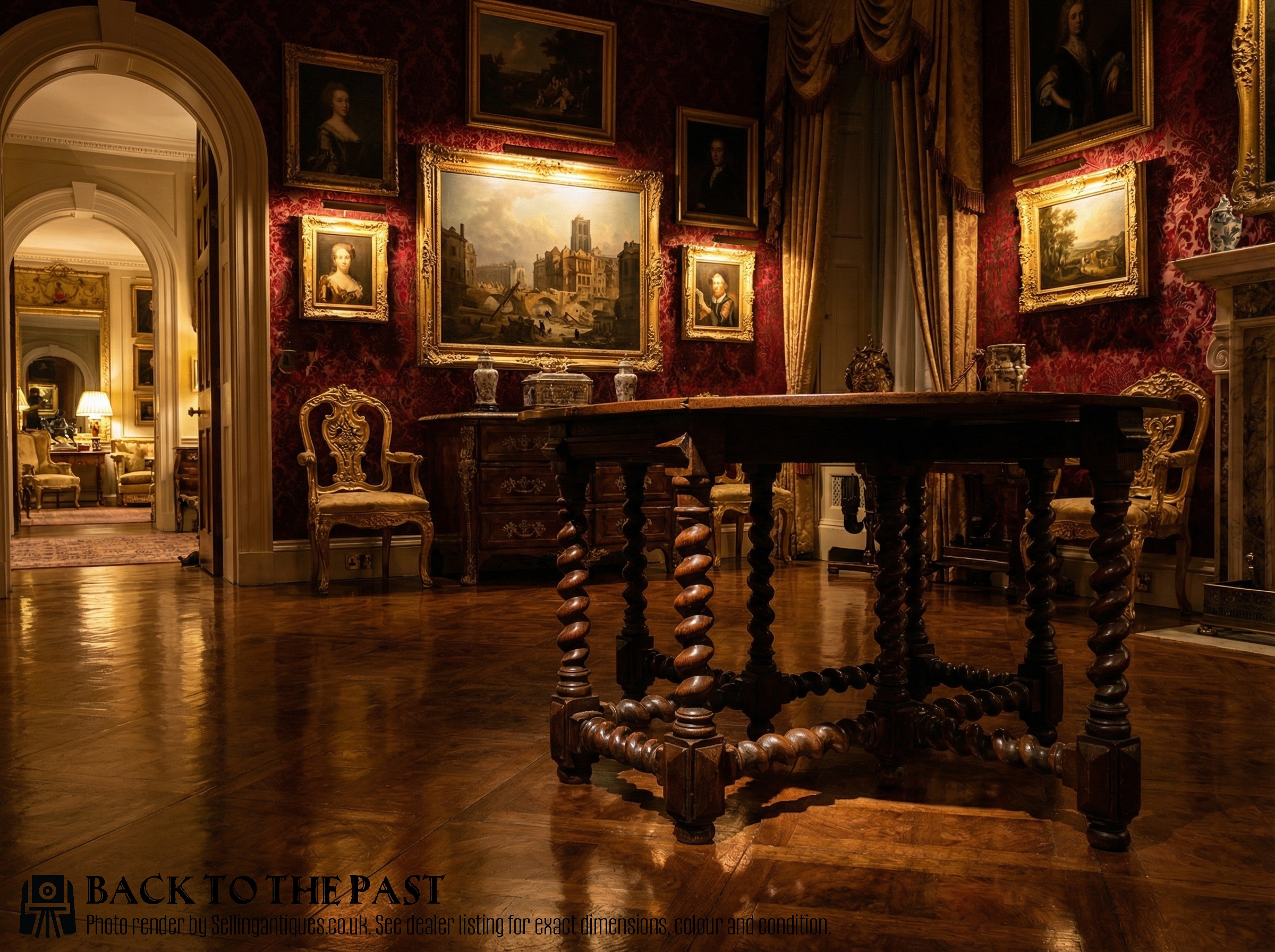
- A type of turned wooden leg carved in a spiral shape resembling twisted barley sugar. It is common on seventeenth-century and revival dining tables.
- Vendange table
- A French folding table traditionally used during the grape harvest for communal outdoor meals. These tables typically pair an oak top with a folding fruitwood or cherry base.
- Patina
- The deep sheen and surface character acquired by wood over decades of handling, polishing, and exposure to light. It serves as an indicator of age and consistent maintenance.
Folding Oak Dining Table: Frequently Asked Questions
How do I seat six people at a gateleg table?
Drop both leaves of the table to fully open the oval surface, ensuring the swing legs are locked firmly into position against the frame. Position chairs along the long edges while leaving the narrow ends clear where the gate mechanism operates.
Verify that the swing legs support the outer edges evenly before placing heavier dishes or seating guests near the seams.
Can I use an antique folding table every day?
Solid oak folding tables were built for daily kitchen and dining use, making them robust enough for contemporary meals and gatherings. The thick timber top withstands regular activity provided moisture and heat are managed properly.
Protect the surface with placemats and apply beeswax periodically to maintain the timber finish against daily wear.
How do I distinguish seventeenth-century oak from later revivals?
Early seventeenth-century tables display hand-carved details, pegged joinery, and distinct tool marks left by pit saws on the underside of the planks. The timber grain often shows medullary rays typical of quartersawn oak processed by hand.
Revival pieces from the late nineteenth or early twentieth century tend to have machine-turned legs, standardised modern fixings, and a more uniform surface texture.
What is the difference between a gateleg and a wake table?
A gateleg table utilises two hinged leaves supported by swinging legs on one or both sides to reduce its footprint when folded. A wake table is a much larger oval or rectangular drop leaf table traditionally designed to seat large families or gatherings.
Wake tables often feature multiple pairs of legs to support their extended length when fully opened.