

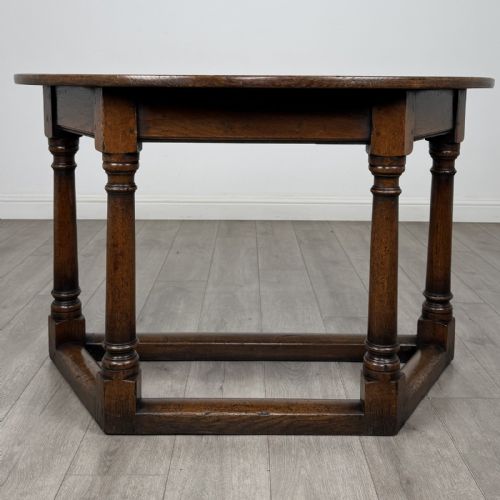
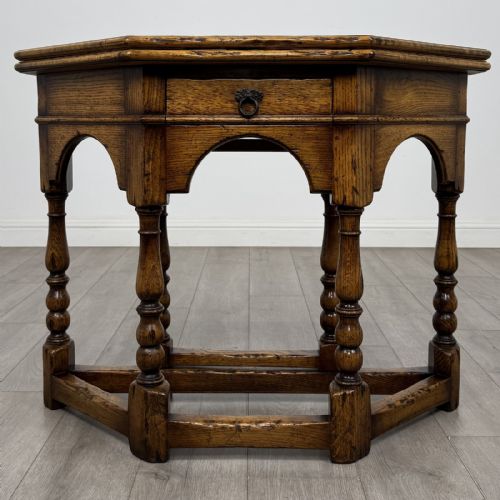

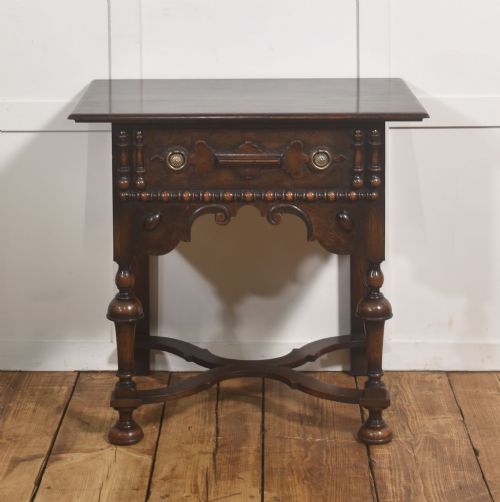
Traditional Oak Side Table
A traditional oak side table offers sturdy utility and rich grain, bringing practical surface space and enduring character to any room.
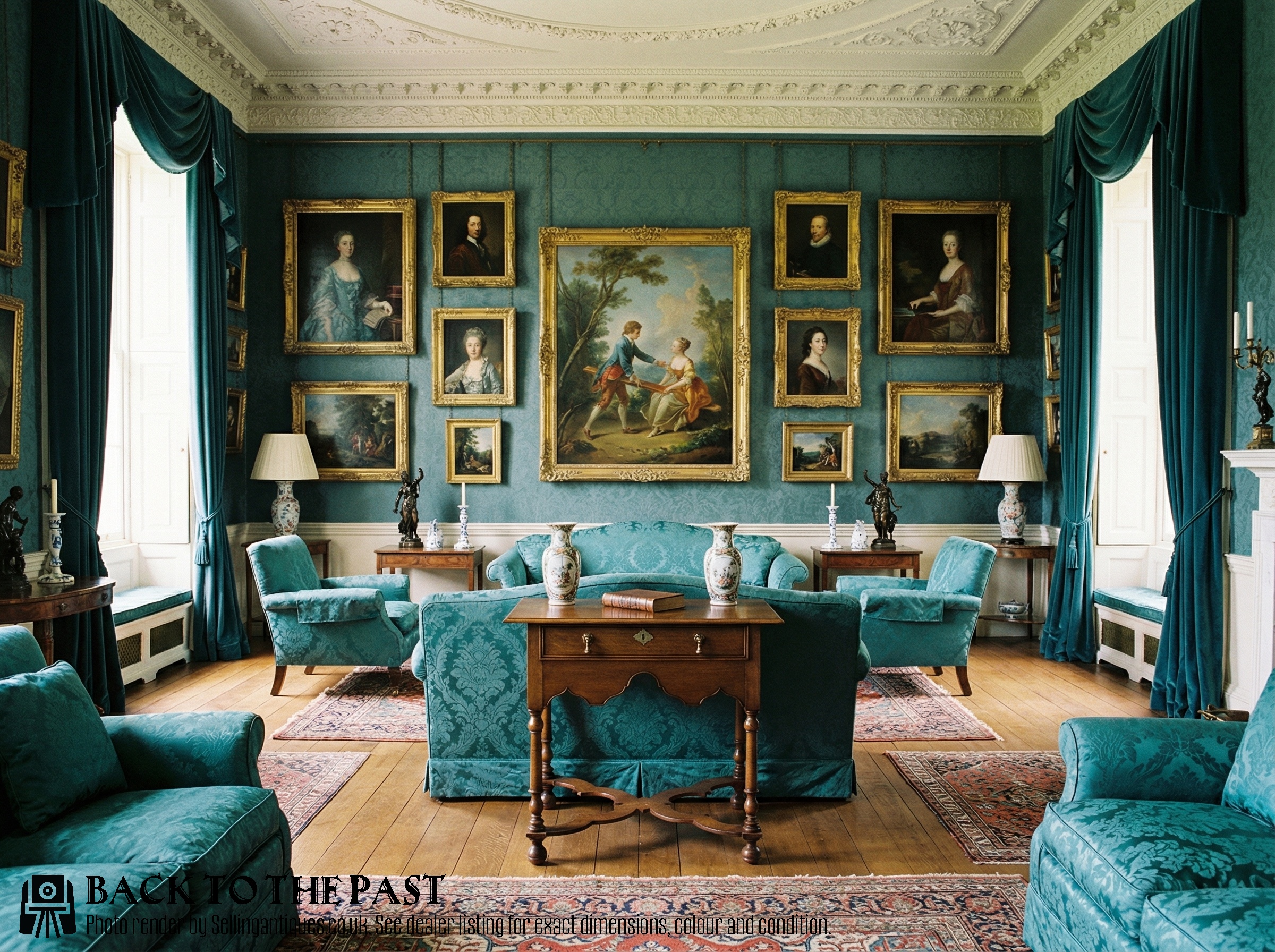
Traditional Oak Side Table
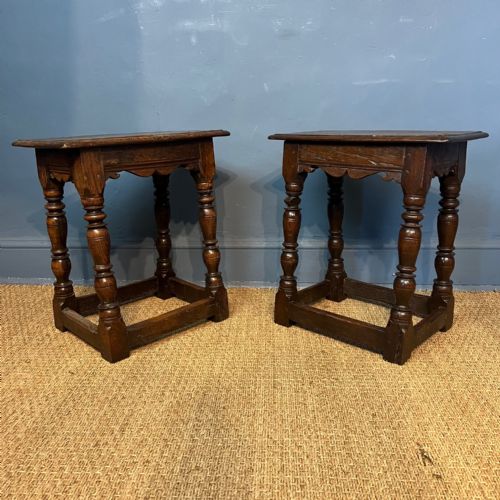
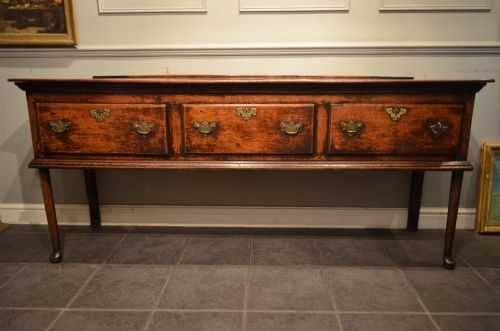
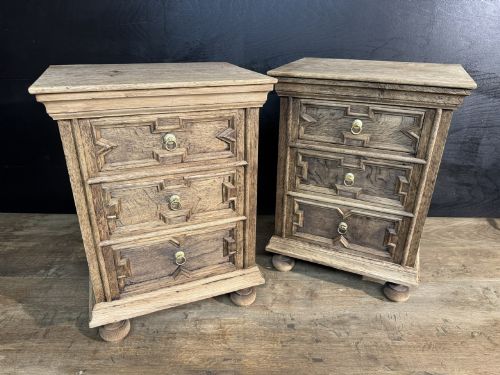
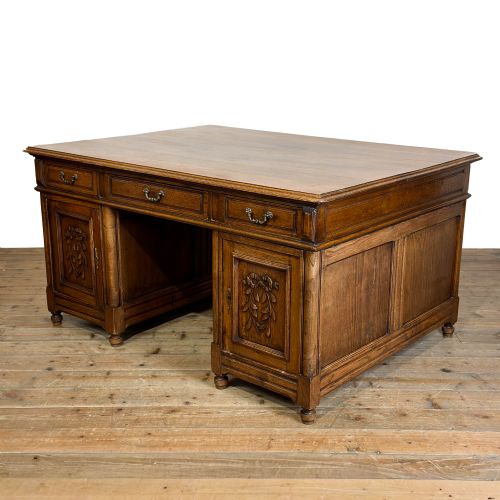
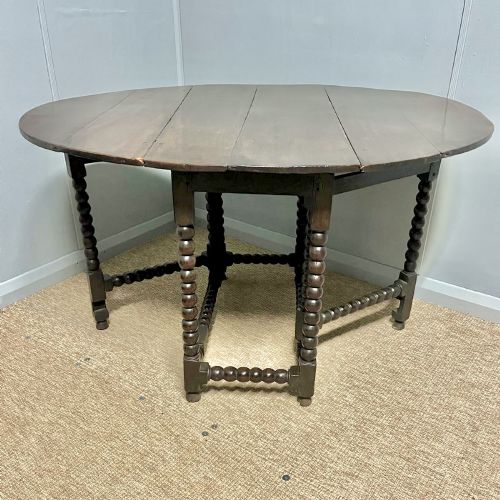
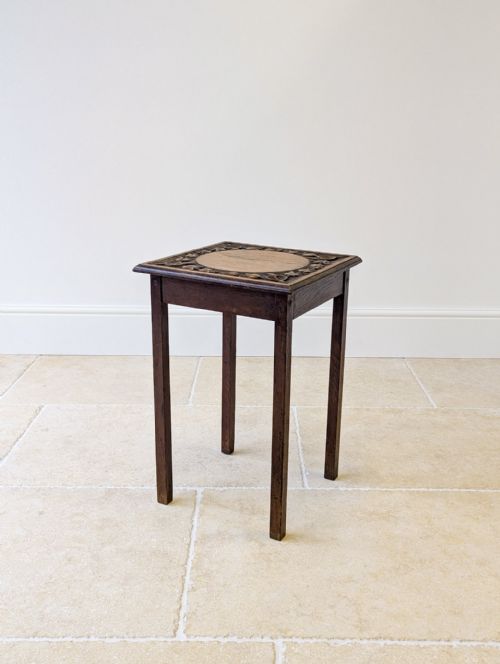
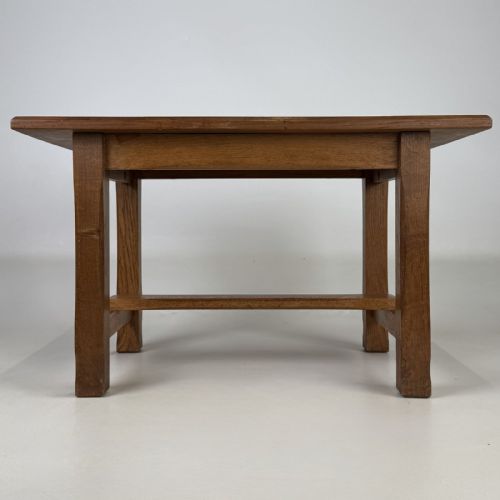
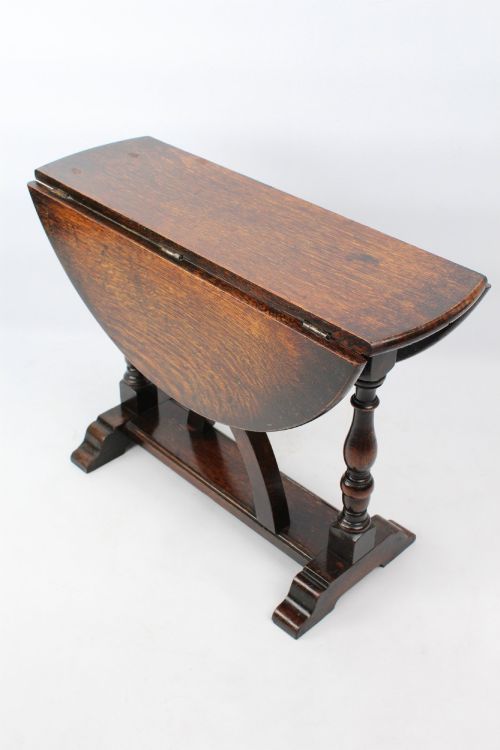
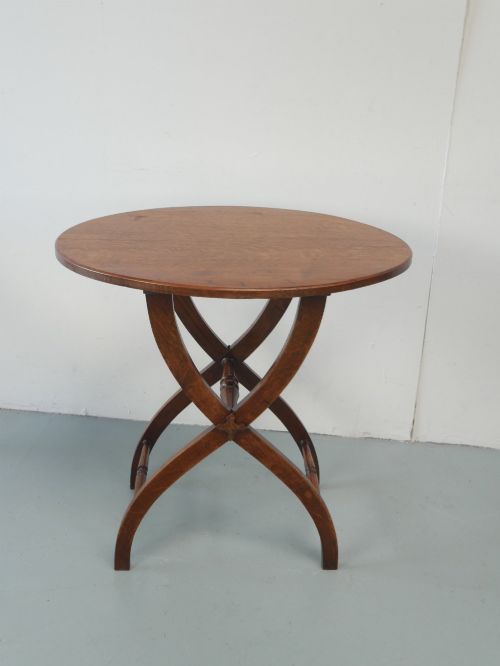
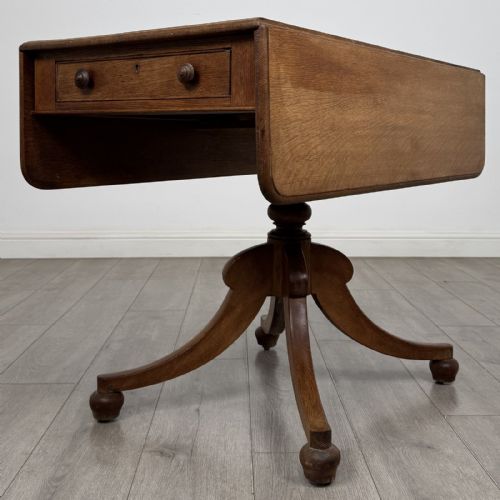
A traditional oak side table encompasses practical smaller furniture pieces designed for everyday use, spanning centuries of domestic life. When searching for a traditional oak side table, you encounter forms ranging from simple gateleg designs to fitted drawer tables and two-tier trolleys.
The selections here stretch across multiple eras, drawing heavily from Edwardian workshops, nineteenth-century examples, and eighteenth-century origins. Alongside standard side tables, related forms like writing tables, dresser bases, and small stands appear frequently within the listings.
English country and rustic farmhouse aesthetics dominate the visual language, alongside Jacobean revival styles and Georgian influences. These variations reflect how earlier makers adapted sturdy timber into functional furniture for halls, parlours, and dining rooms.
What varies in quality
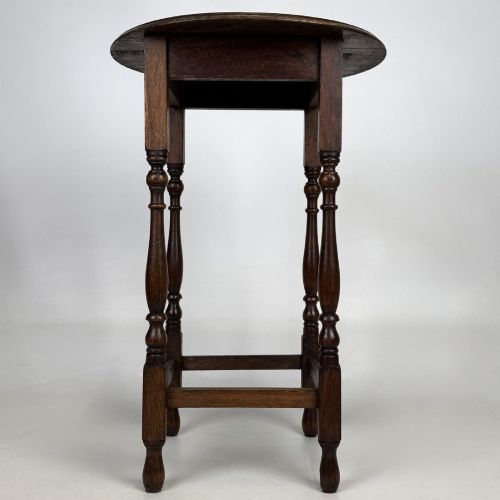
Quality differences often manifest in the selection of the timber itself, distinguishing standard utility pieces from finer items featuring pollard oak tops or carefully matched grain patterns. The execution of decorative elements, from carved motifs to turned legs like barley twists, shows the level of craftsmanship invested by the maker.
Structural integrity and the preservation of original elements separate superior examples from heavily altered pieces. Tables retaining original drawers, fitted interiors, and stable joinery represent the higher end of the surviving selection.
Traditional Oak Side Table Retail Price Guide 2026
Typical asking prices for traditional oak side table among the pieces listed under this phrase on Sellingantiques today, from the lower quarter to the upper quarter. They describe what is for sale here now, not the wider market.
Listings span periods from the seventeenth century through the Edwardian era, predominantly featuring solid oak alongside brass and iron hardware.
The Traditional Oak Side Table Glossary
- Gateleg table
- A table with hinged drop leaves supported by swing-out legs that pivot from the frame to hold the flaps open.
- Dresser base
- A low sideboard or cabinet featuring drawers and surface space, commonly constructed from solid oak in earlier centuries.
- Bobbin leg
- A turned furniture leg shaped to resemble a series of bobbins or spools strung together, popular in seventeenth-century and revival furniture.
- Barley twist
- A decorative spiral turning carved into furniture legs and supports, frequently seen in Jacobean revival and early twentieth-century pieces.
- Cricket table
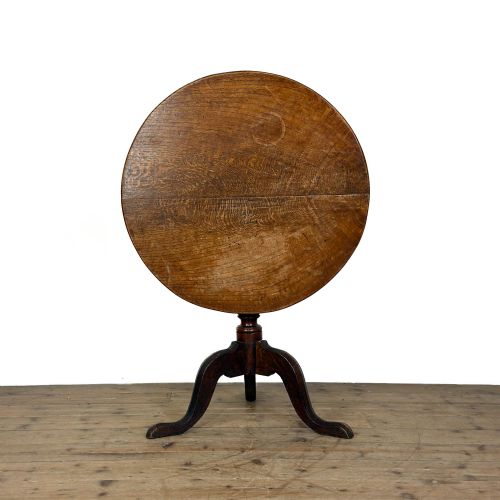
- A small, lightweight occasional table typically featuring three splayed legs and a round top, designed for uneven floors.
Traditional Oak Side Table: Frequently Asked Questions
Where did people use these tables?
These tables served various practical functions in hallways, parlours, and dining spaces where extra surface area was needed for daily tasks.
Smaller variants acted as lamp tables or stands, while versions with drawers held writing materials and household essentials.
How do I identify an eighteenth-century piece?
Earlier pieces typically display hand-cut joinery, pegged joints, and heavy solid oak construction without modern mechanical fasteners.
Surface patination accumulated over centuries also helps distinguish eighteenth-century examples from later revival pieces.
What is a gateleg table used for?
A gateleg design provides a space-saving surface that expands when the drop leaves are lifted and supported by swinging legs.
This adaptability made them useful in smaller rooms where permanent large tables took up too much floor space.
Are these tables suitable for daily use?
Solid oak construction and robust joinery make these tables exceptionally durable for contemporary living spaces.
Their sturdy nature allows them to function reliably as side tables, desks, or serving surfaces in modern homes.