



Brown Oak Table
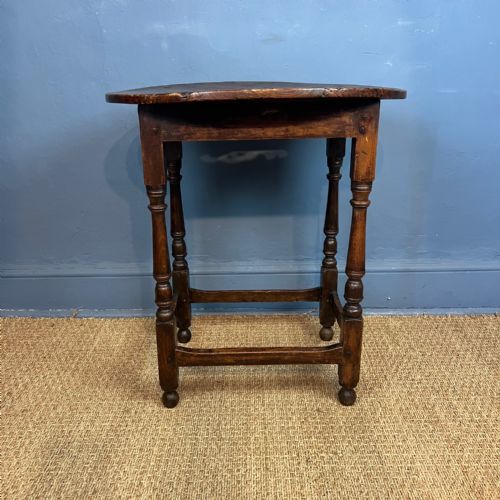
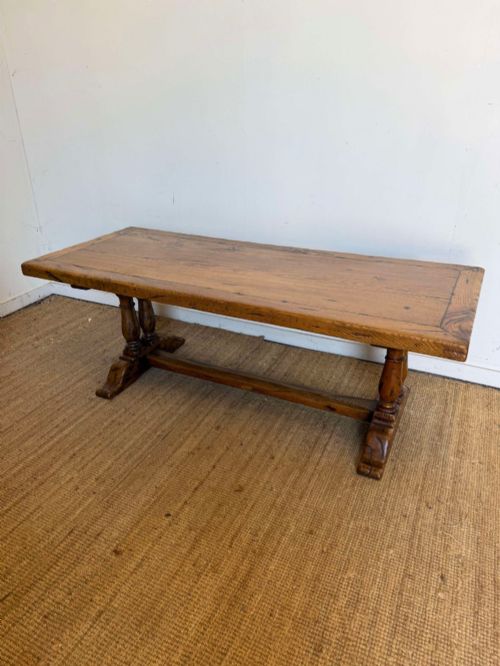
A brown oak table brings deep natural warmth and striking grain patterns into a room, spanning centuries of craftsmanship from simple farmhouse designs to formal Georgian dining pieces.
Brown Oak Table
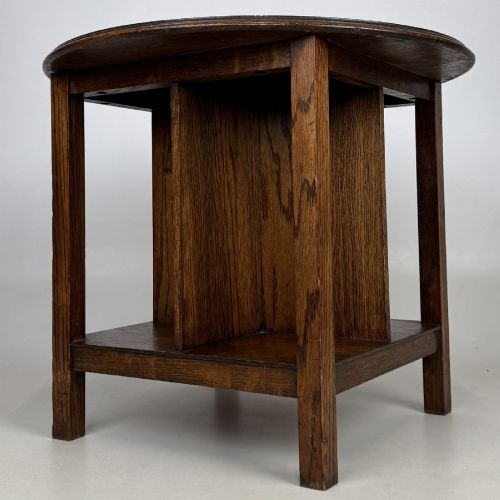
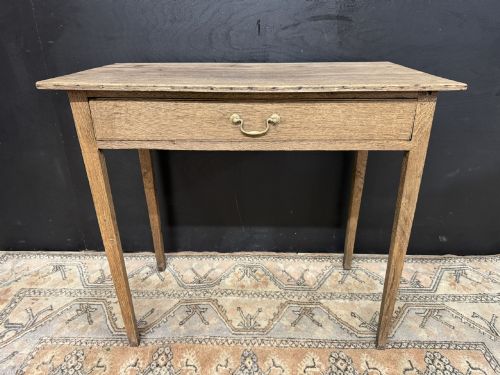
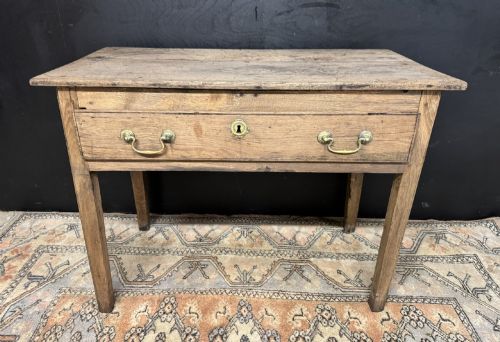
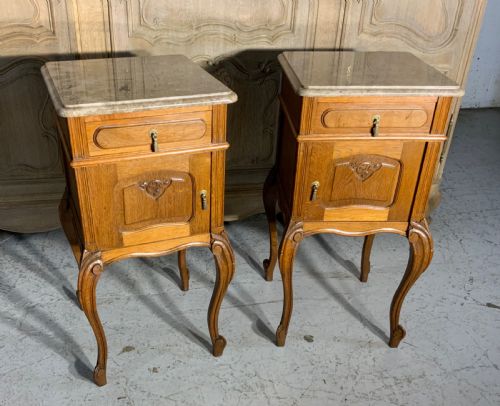
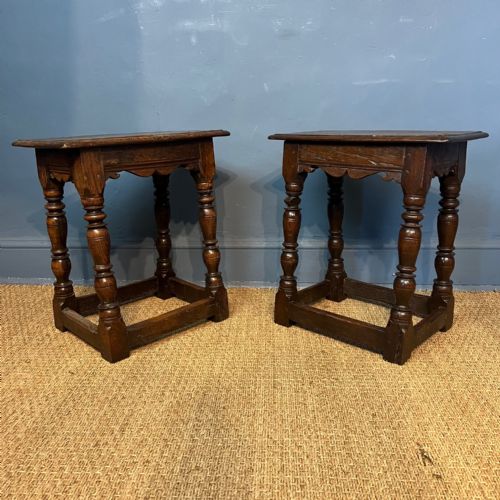
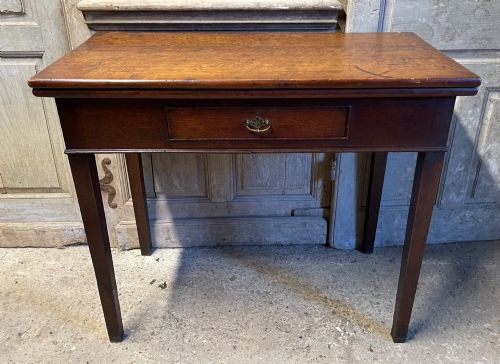
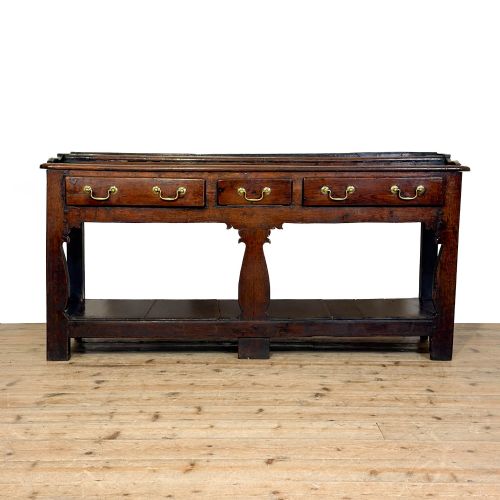
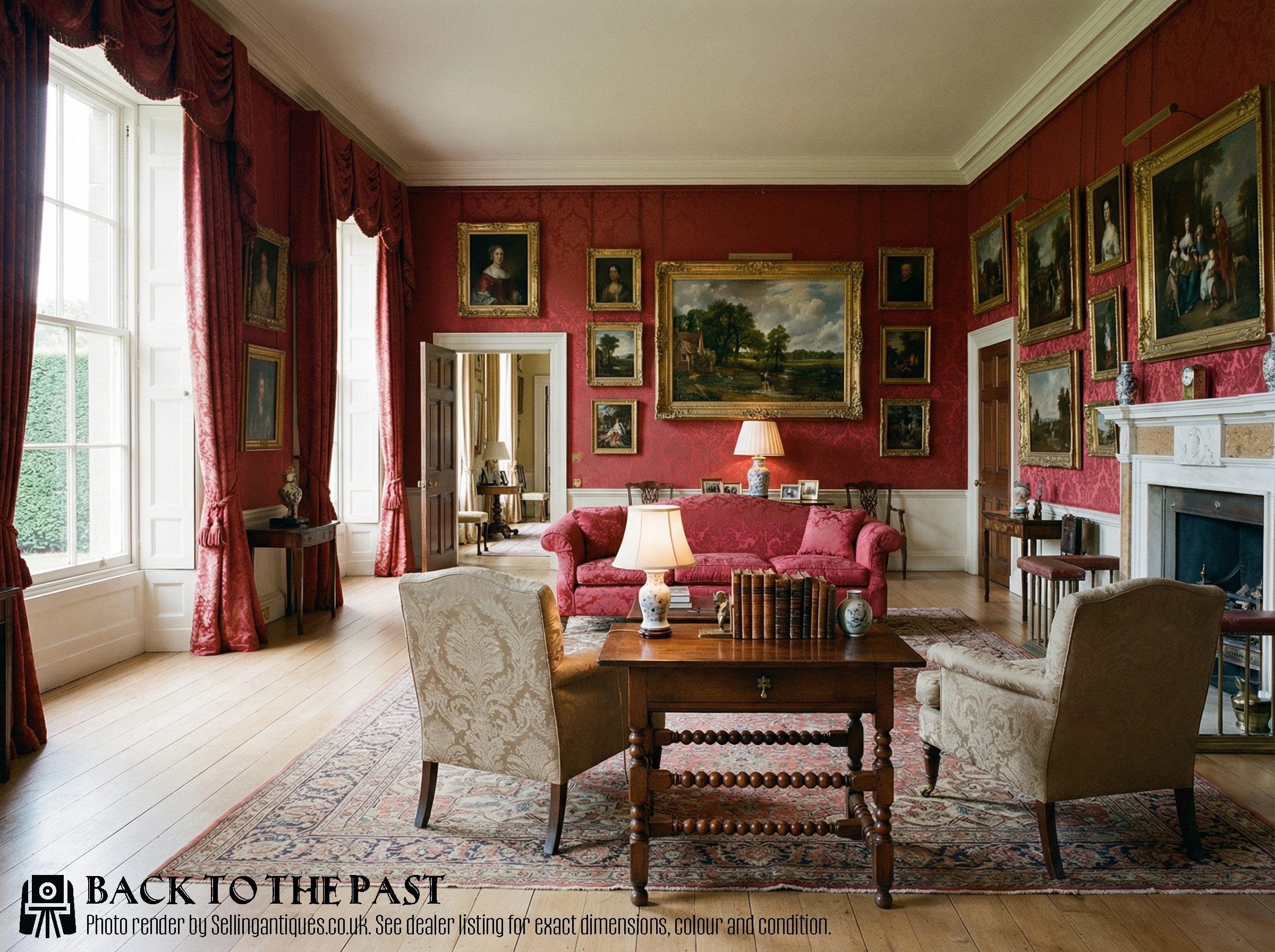
A brown oak table encompasses a wide variety of domestic furniture designed for dining, writing, and serving. The pieces span periods from the seventeenth century through to the Edwardian era, reflecting shifting domestic habits and interior tastes.
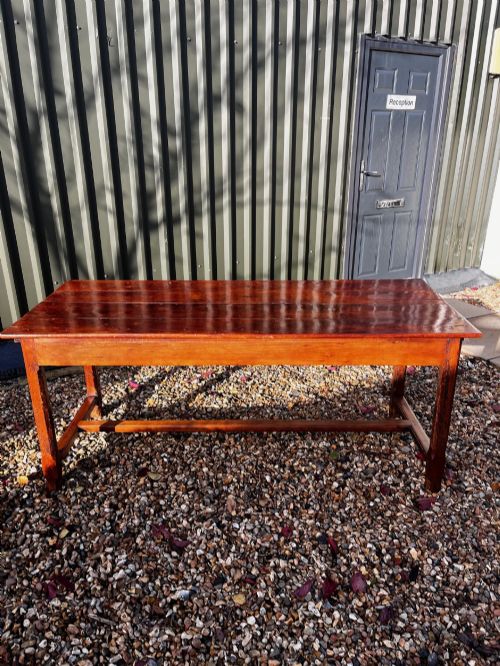
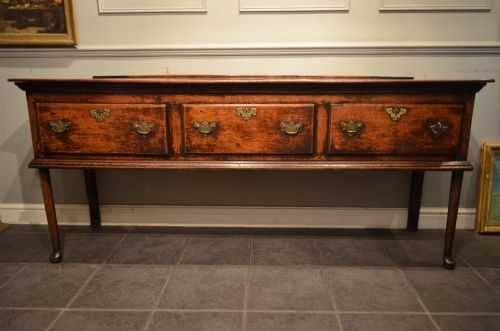
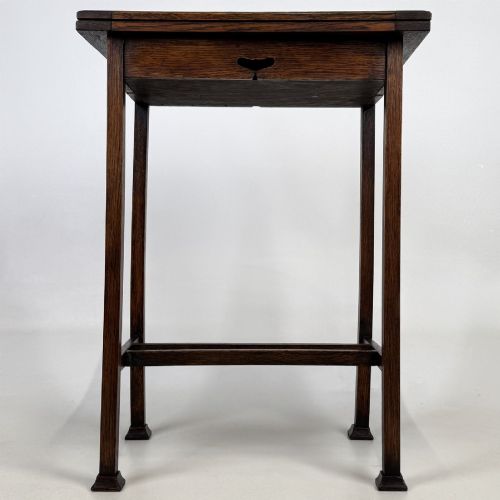
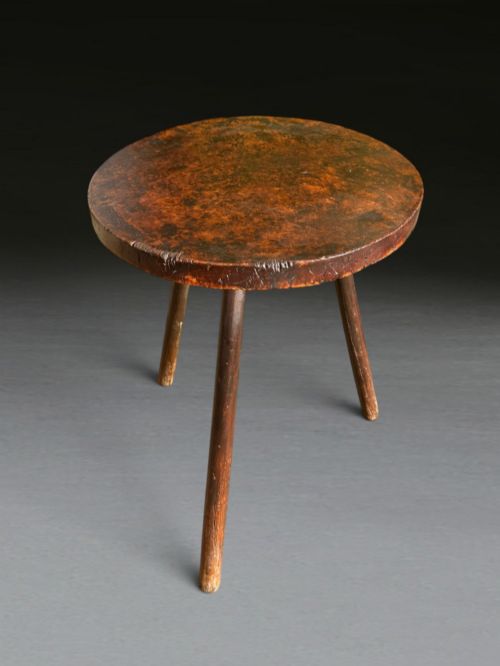
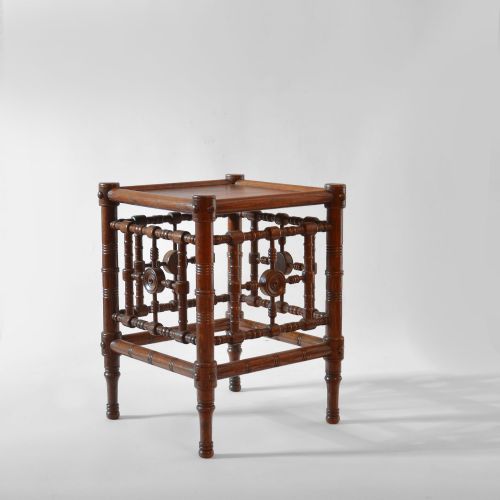
The most frequent examples found in this selection include nineteenth-century farmhouse dining tables and early twentieth-century occasional tables. Buyers also encounter specialised forms such as lowboys, cricket tables, and kneehole desks.
Makers utilised solid oak alongside secondary timbers like beech, elm, and deal, mounting them upon sturdy legs secured with brass or iron hardware.
Judging construction and character
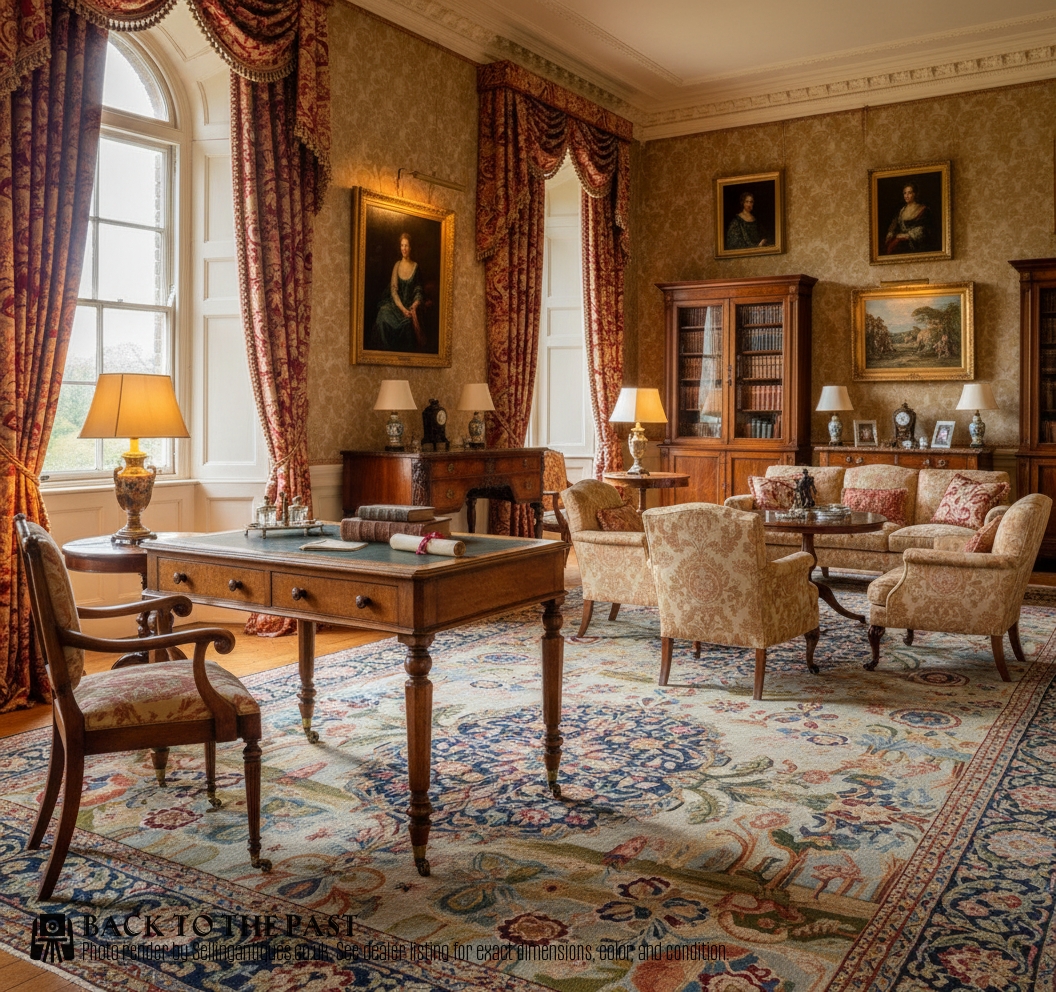
Quality rests upon the integrity of the timber selection and the precision of the underlying joinery. Single plank surfaces and substantial refectory frames demonstrate greater structural ambition than later occasional pieces.
The depth of the natural colour and the preservation of original hardware distinguish superior examples. Finer items exhibit thoughtful proportion and balanced carving rather than purely decorative additions.
Brown Oak Table Retail Price Guide 2026
Typical asking prices for brown oak table among the pieces listed under this phrase on Sellingantiques today, from the lower quarter to the upper quarter. They describe what is for sale here now, not the wider market.
Early cricket tables relied on three splayed legs because seventeenth-century cottage flagstone floors were rarely flat enough for four.
The Brown Oak Table Glossary
- Refectory table
- A long, narrow dining table traditionally used for communal meals. These pieces often feature stretcher rails for added stability.
- Lowboy
- A small seventeenth or eighteenth-century dressing table or side table fitted with drawers. They typically stand on slender legs.
- Cricket table
- A small, lightweight occasional table supported by three splayed legs. The design prevents wobbling on uneven early floors.
- Draw leaf table
- An extending dining table with leaves stored beneath the main top. Pulling the leaves extends the surface length.
- Pembroke table
- A drop-leaf table with hinged flaps on either side. These tables often include a single drawer and slender legs.
Brown Oak Table: Frequently Asked Questions
How do I clean a brown oak table?
Wipe surfaces gently with a dry or barely damp cloth to remove dust. Avoid harsh chemical cleaners that strip the historic finish.
Nourish the timber occasionally with appropriate beeswax to maintain the moisture and depth of the grain.
Can I use an antique oak table daily?
Most solid timber tables were built for rigorous domestic use and withstand regular dining or writing tasks. Use placemats and coasters to protect the polish from heat and moisture.
Keep the furniture away from direct heat sources and drastic humidity changes to prevent the wood from splitting.
What is the difference between refectory and farmhouse tables?
Refectory tables generally originate from formal or institutional dining settings, featuring long proportions and prominent underframe stretchers. Farmhouse tables usually display a more domestic, vernacular character shaped by regional workshop traditions.
Both types utilise heavy oak construction designed to anchor a room.
How do I date an antique oak table?
Examine the construction marks, nail types, and the method used to flatten the timber planks. Hand-sawn boards and pegged joints usually indicate earlier eighteenth-century or seventeenth-century origins.
Standardised machine milling and brass screws point towards later nineteenth-century or Edwardian production.