


French Country Table
A french country table brings practical domestic history into daily use through honest materials and working proportions.
French Country Table
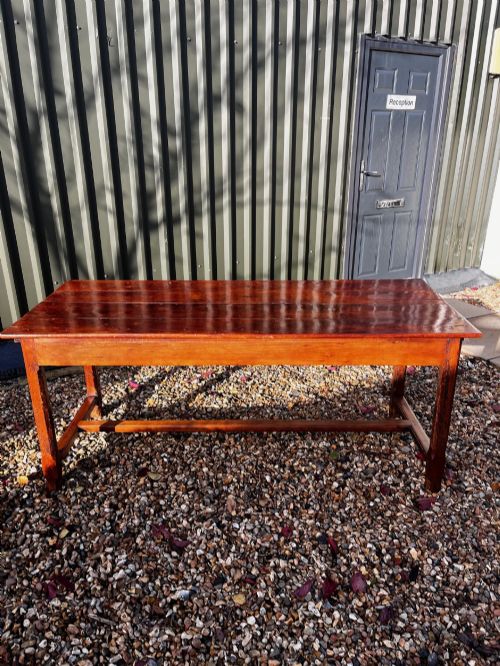
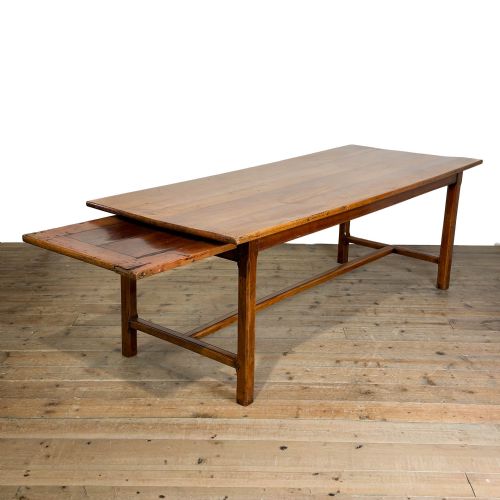
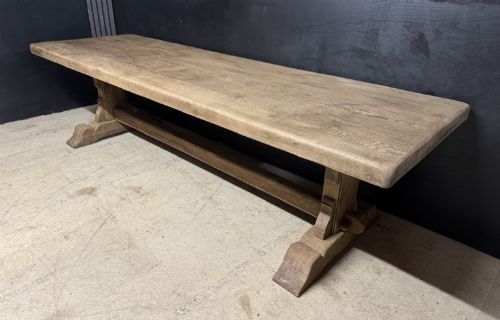
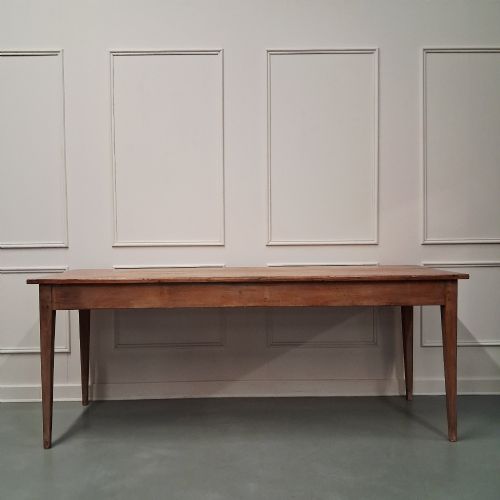
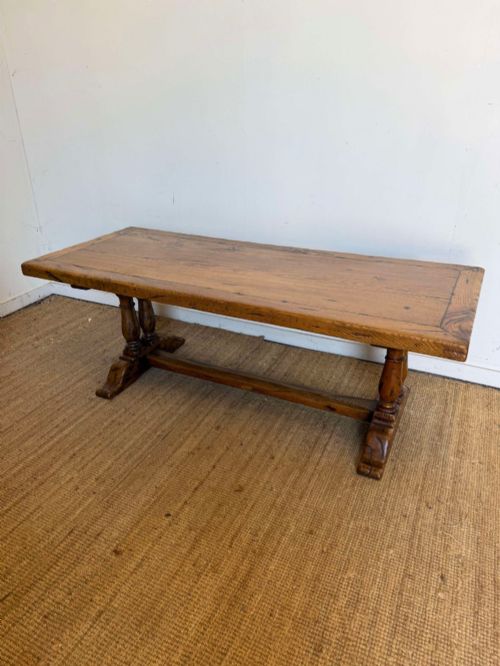
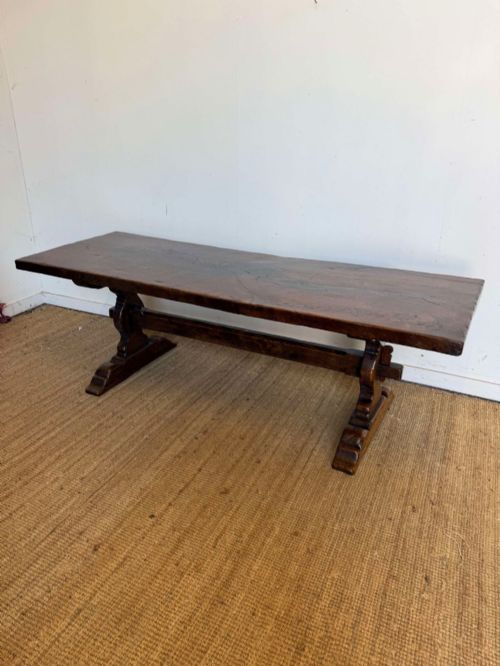
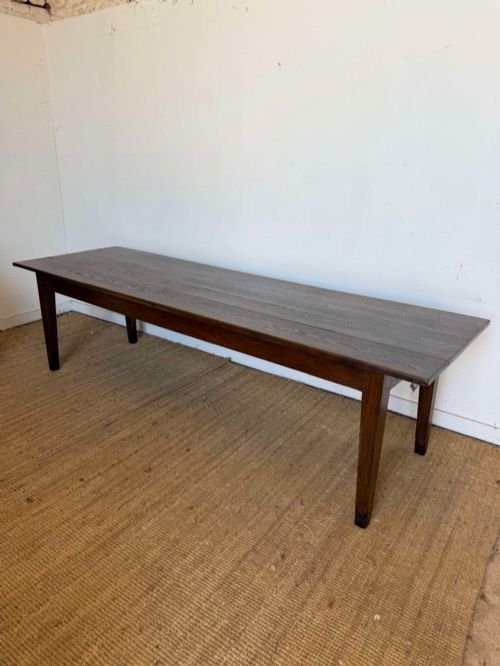
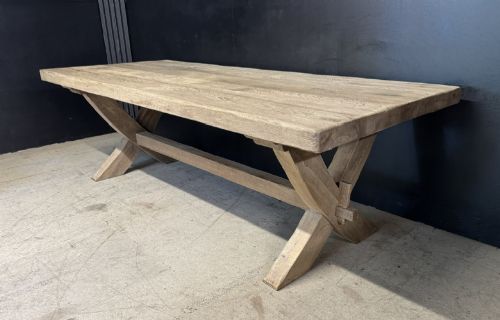
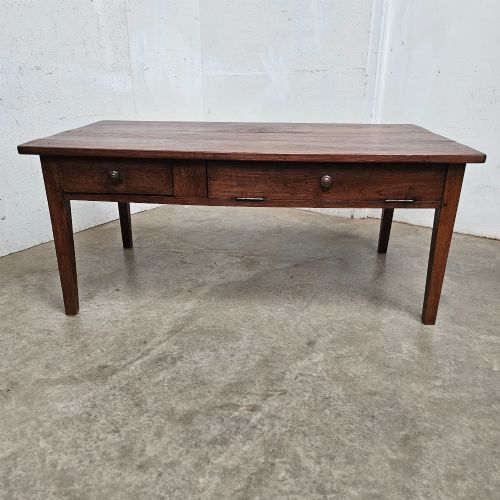
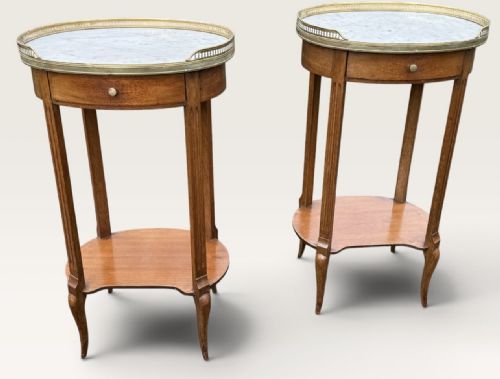
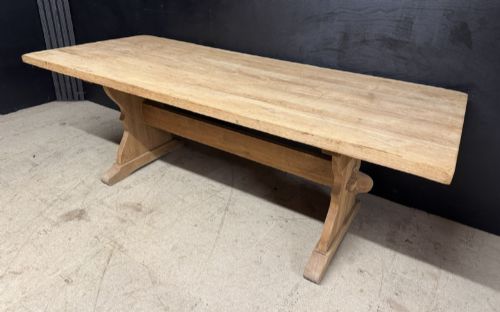
A french country table encompasses large dining formats, refectory boards, and smaller side or bedside variants designed for everyday rural life. Buyers encounter these forms across multiple periods, with nineteenth century interpretations appearing most frequently.
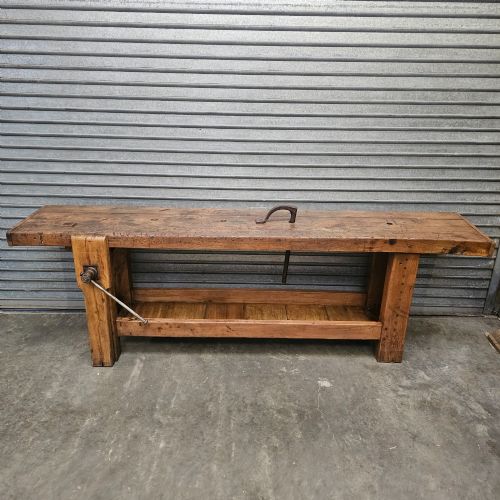
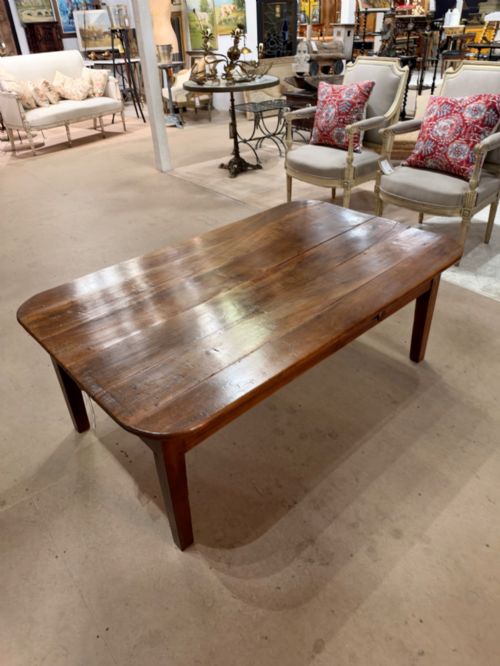
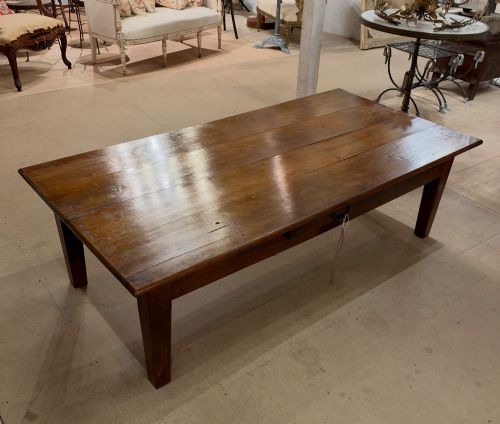
The category extends from kitchen work tables and serving boards to coffee tables and occasional pieces. Construction ranges from substantial oak and fruitwood dining boards to pine and elm surfaces shaped by decades of domestic use.
Materials and construction
Cabinet makers relied on indigenous timbers such as oak, fruitwood, walnut, cherry, elm, and pine, often combining woods within a single piece. Surfaces frequently show the marks of hand planning and natural timber movement over generations.
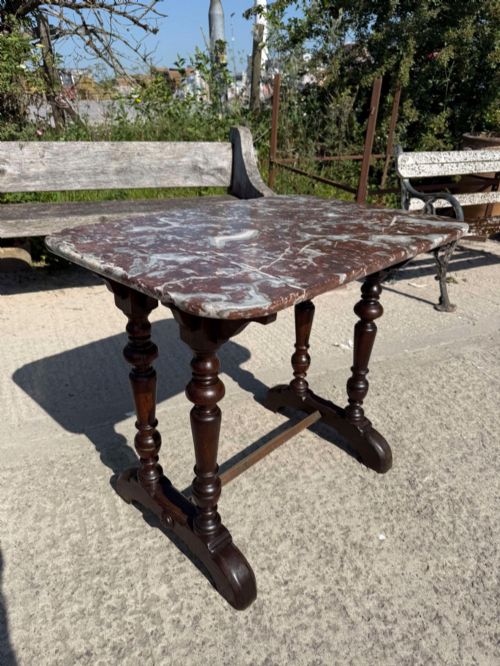
Joinery techniques prioritize structural integrity, utilising pegged mortise and tenon joints for heavy refectory and farmhouse formats. Secondary details include turned bobbin or tapered legs, iron bracing, and occasional parquetry inlay.
French Country Table Retail Price Guide 2026
Typical asking prices for french country table among the pieces listed under this phrase on Sellingantiques today, from the lower quarter to the upper quarter. They describe what is for sale here now, not the wider market.
Several pieces double as dough bins and wine tasting tables, proving that past households took their bread and wine very seriously indeed.
Factors of quality
Quality rests in the integrity of the timber selection and the retention of original surface patination. Pieces retaining their original fruitwood or oak boards display a depth of character distinct from later restorations.
Proportion and construction balance dictate the standing of a piece, where robust framing meets considered leg turning or subtle edge moulding. Timber choice, from dense walnut to weathered pine, governs the weight and presence of the table.
The French Country Table Glossary
- Refectory table
- A long narrow dining table originally built for communal dining halls. These sturdy forms typically feature heavy timber legs connected by floor stretchers.
- Fruitwood
- A collective term for timber harvested from fruit bearing trees like cherry, pear, and apple. Makers valued these dense woods for their fine grain and warm tone.
- Parquetry
- A geometric mosaic of wood pieces used for decorative surfaces on tables and desks. This technique requires precise cutting to form repeating patterns.
- Dough bin
- A domestic wooden trough fitted with a lid, historically used for kneading bread. In furniture form, these double as storage cupboards or low tables.
- Bobbin leg
- A turned furniture leg shaped to resemble a string of wooden bobbins or spools. This decorative turning style appears frequently on seventeenth and nineteenth century supports.
French Country Table: Frequently Asked Questions
What defines a french country table?
These tables are working domestic surfaces originating from rural regions, built for daily kitchen and dining tasks. They prioritize utility and robust timber construction over formal ornamentation.
Examples span large refectory boards to compact side tables, utilising regional woods like oak, cherry, fruitwood, and pine. Their character comes from decades of domestic service and honest joinery.
How were these tables used originally?
Families gathered around these surfaces for daily meals, food preparation, and household labour. Large formats served kitchens and dining rooms, while smaller versions functioned as bedside cabinets or serving tables.
Specialised variants like wine tasting tables and dough bins fulfilled specific agricultural and culinary needs. This practical purpose dictated their unpretentious proportions and sturdy frames.
How do I care for antique wood surfaces?
Maintain timber surfaces by dusting with a dry cloth and avoiding excessive moisture or direct heat sources. Natural waxes help nourish older oak, pine, and fruitwood without building up heavy chemical residue.
Allowing the wood to breathe preserves the patination accumulated over generations of use. Gentle handling ensures the original finish remains stable in modern environments.
How can I tell the period of a table?
Dating relies on examining tool marks, timber shrinkage, and structural joinery methods visible beneath the frame. Hand sawn boards and pegged joints typically point to nineteenth century or earlier manufacture.
Stylistic cues such as tapered legs, bobbin turnings, or specific wood choices like fruitwood and walnut help narrow the decade of origin. Comparing secondary woods inside drawers or aprons offers further clues to age.