
Parquetry Top Table
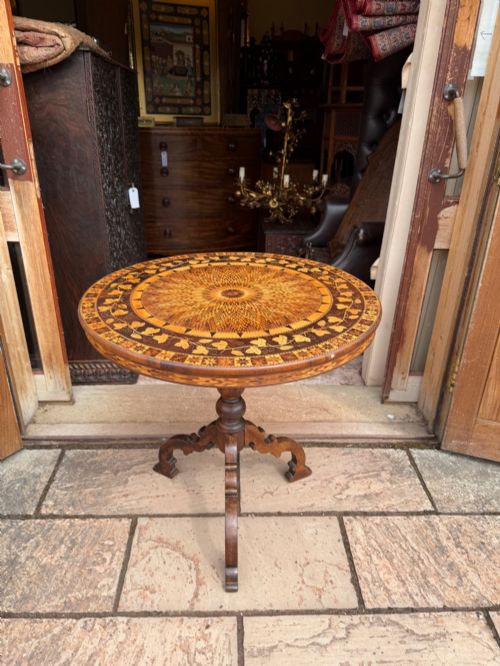
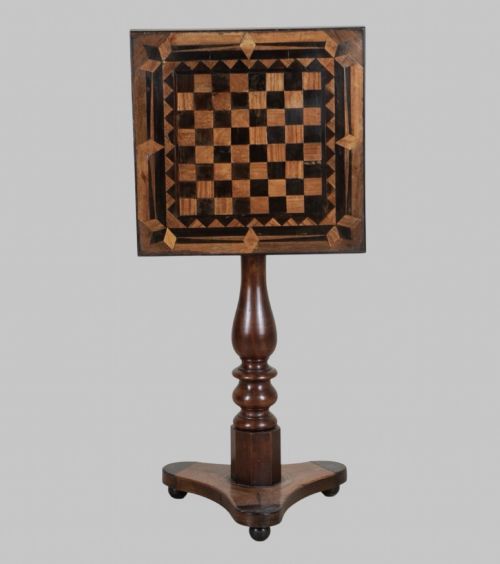
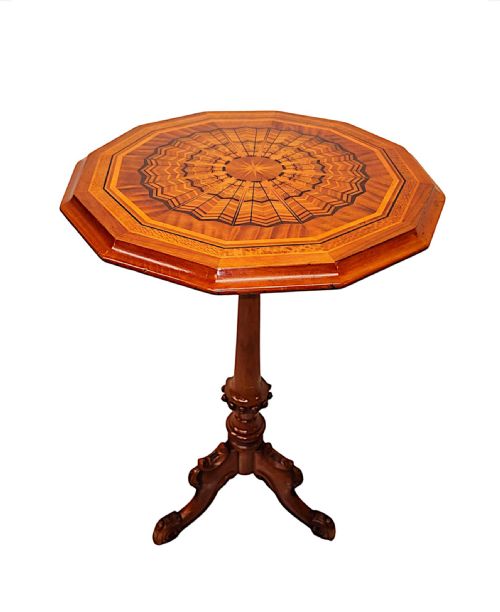
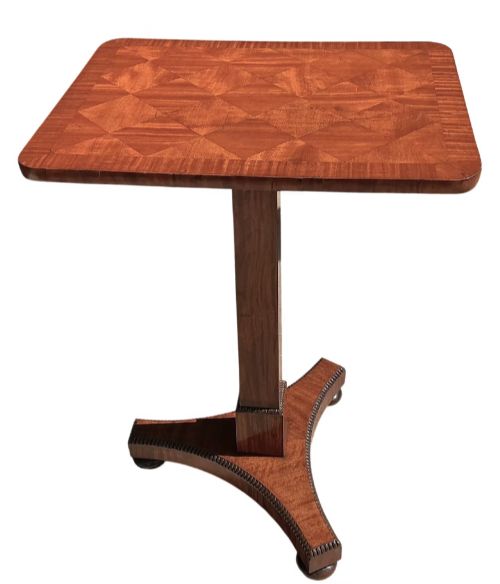
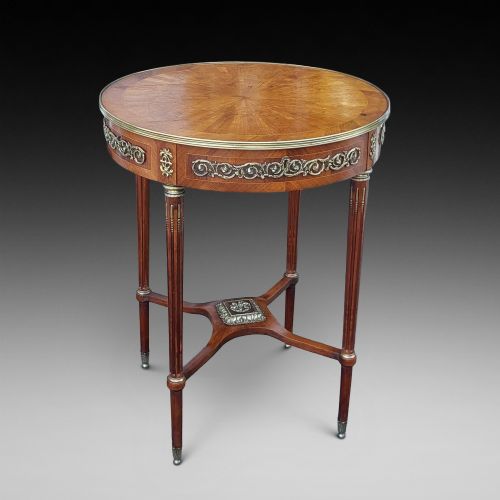
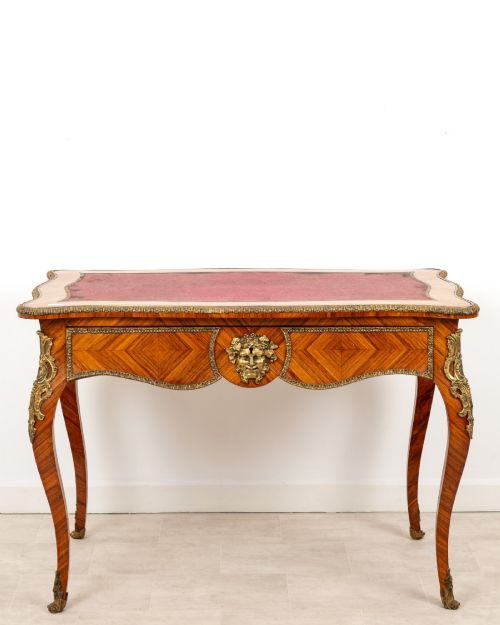
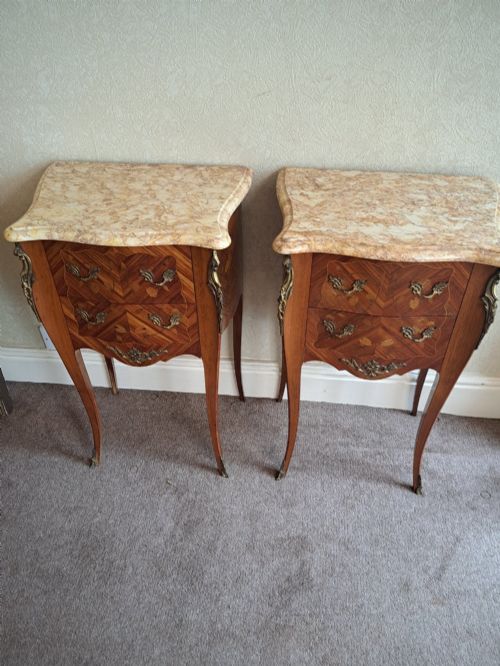
A parquetry top table brings geometric precision to a room, using contrasting wood veneers arranged in repeating patterns.
Forms and periods
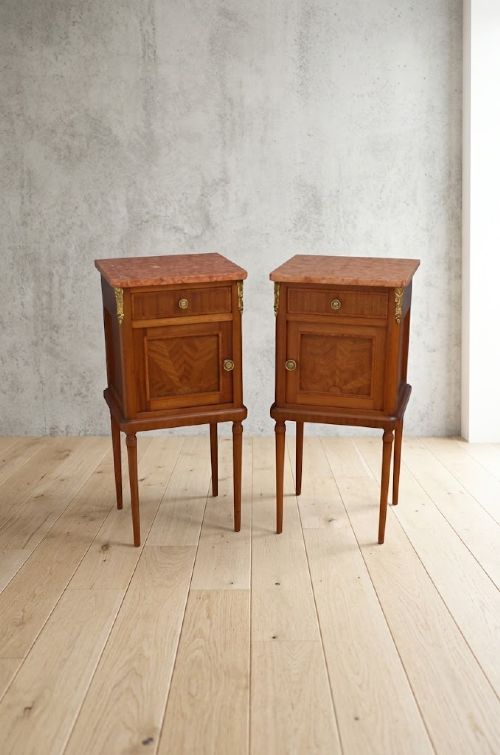
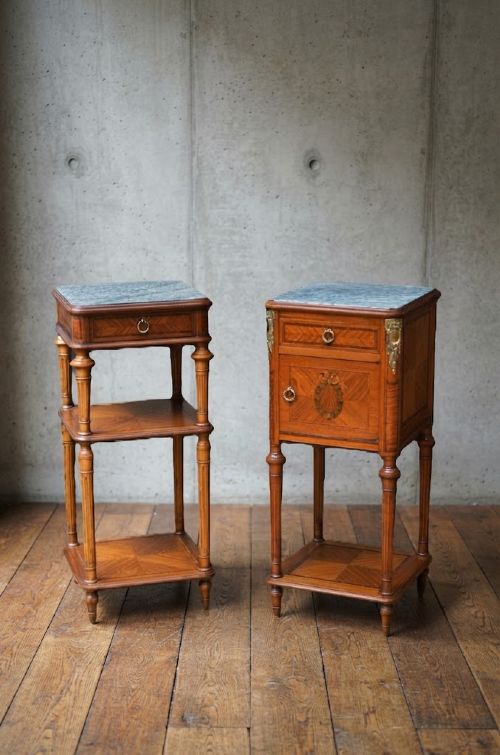
A parquetry top table appears across several centuries, with particular emphasis on Victorian and 19th-century examples alongside 18th-century pieces and later 20th-century items. The forms span from occasional, side, hall, and wine tables to large refectory dining tables, extending tables, and centre tables.
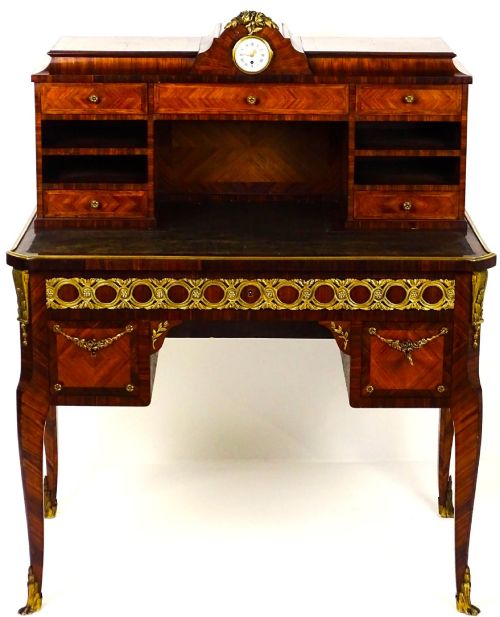
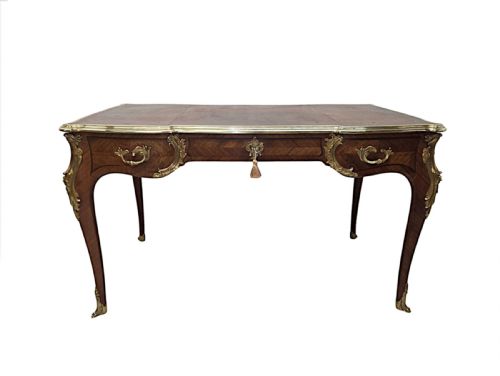
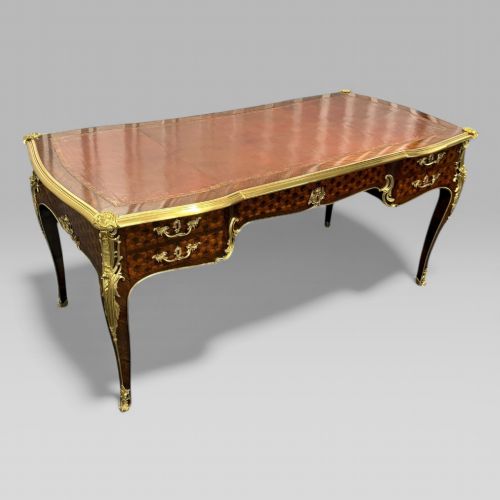
French pieces feature strongly in the record, especially French Empire, French Country, and styles associated with makers such as Collingson & Lock or Francois Linke. Buyers also encounter Arts and Crafts, Chippendale, and Aesthetic Movement designs among the broader mix of occasional and dining furniture.
Materials and construction
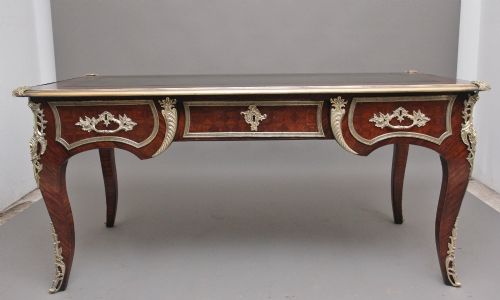
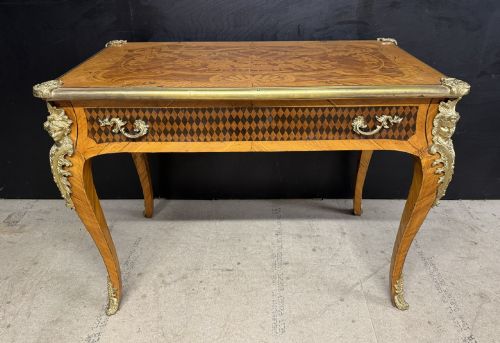
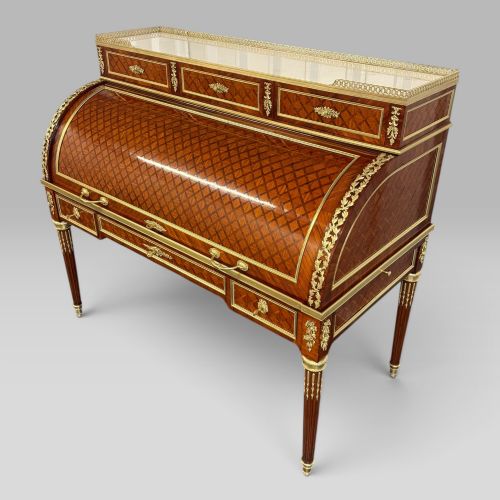
The geometric surfaces utilise timber veneer, walnut, oak, mahogany, kingwood, satinwood, rosewood, and coromandel, often laid down in precise tiling to form the decorative top. Artisans frequently combined these woods with brass, gilt bronze, and ormolu mounts to accent the structural lines of the furniture.
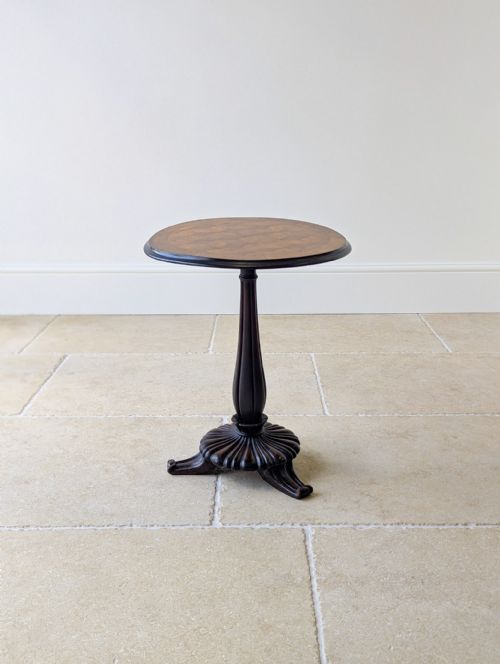
Larger items incorporate sturdy oak and walnut frameworks for refectory, draw-leaf, and extending dining formats, while smaller pieces rely on pedestal bases, turned legs, or occasional frames to support the detailed top surface.
Retail Price Guide 2026
Typical UK retail prices for parquetry top table, calculated from the Sellingantiques database of over a million retail prices indexed since 2003. This retail price guide relies exclusively on Sellingantiques data; no external sources or auction records are used, so the figures do not describe the wider market.
One late Victorian piece cleverly combines an inlaid occasional table with a built-in smokers' cabinet.
Craftsmanship and distinction
The standard of a parquetry top table rests upon the precision of the geometric layout and the choice of timbers used in the veneer work. Exhibition quality pieces demonstrate seamless joins between contrasting woods and refined integration with mounts made from brass or ormolu.
Finer examples show deliberate selection in specimen woods, creating depth and contrast within the pattern, whereas simpler farmhouse or occasional tables rely on straightforward oak or walnut construction with robust, utilitarian frames.
Collingson & Lock·Francois Linke
The Parquetry Top Table Glossary
- Parquetry
- A geometric mosaic of wood pieces used for decorative surfaces, distinct from curves found in marquetry. It relies on straight-edged shapes like squares, triangles, and lozenges.
- Kingwood
- A dense, richly figured timber featuring dark brown and violet streaks, frequently utilised in high-end cabinet making during the 19th century.
- Ormolu
- Gilt bronze ornamentation applied to furniture mounts, cast and finished to provide metallic contrast against polished wood surfaces.
- Draw-leaf
- An extending table mechanism where extension leaves store beneath the main top and pull out to lengthen the surface area.
- Gueridon
- A small occasional or display table, typically round and supported by a central pillar or figures.
Frequently Asked Questions
How do I clean a parquetry top?
Dust the surface regularly with a soft, dry cloth to prevent grit from settling into the veneer joints.
Avoid excessive moisture and harsh chemical polishes, using only a slightly damp cloth followed by dry buffing if necessary.
Were these tables used for dining?
Many examples serve as small coffee, wine, or occasional tables intended for display rather than heavy dining use.
Larger refectory and extending formats in oak and walnut were built specifically for family dining and hospitality.
How do I spot a French piece?
French tables frequently incorporate kingwood, walnut, or fruitwoods combined with ormolu mounts and distinctive cabriole or tapered legs.
Stylistic cues point towards French Empire, provincial farmhouse designs, or fine cabinet work echoing Parisian workshops.
Is the geometric pattern delicate?
The veneer pattern is constructed from thin pieces of wood laid onto a stable secondary timber base for strength.
While sturdy for normal household use, these surfaces benefit from protection against heavy impacts and extreme temperature shifts.