

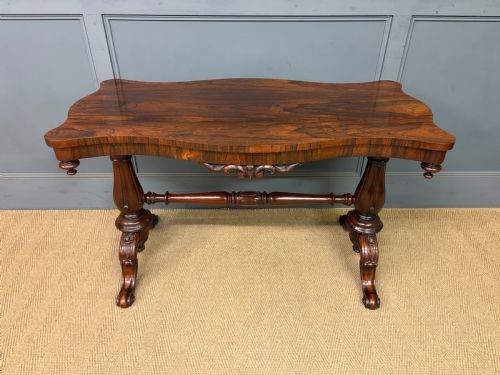
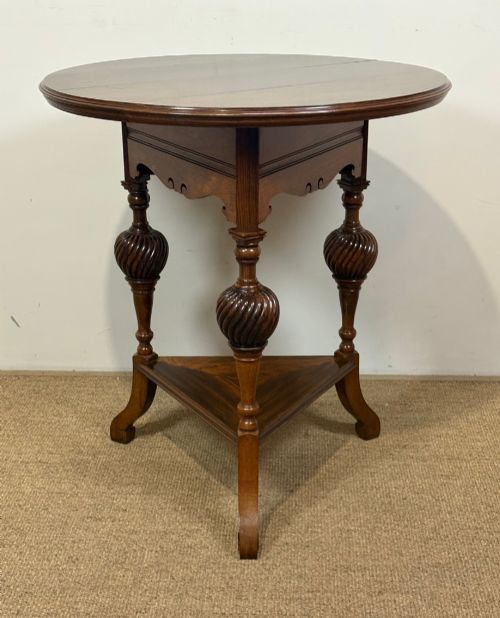
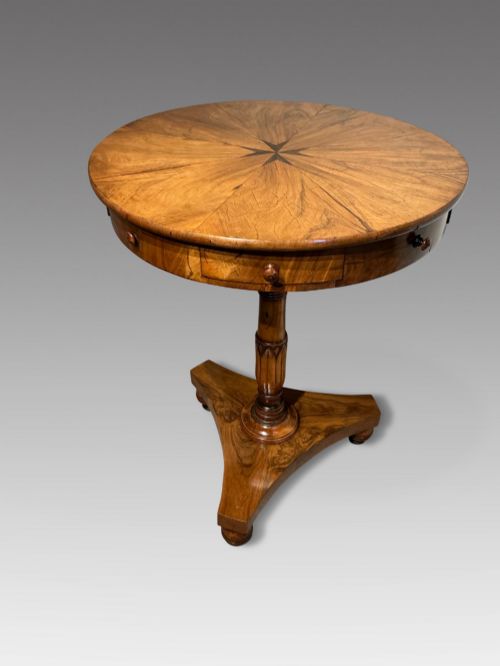
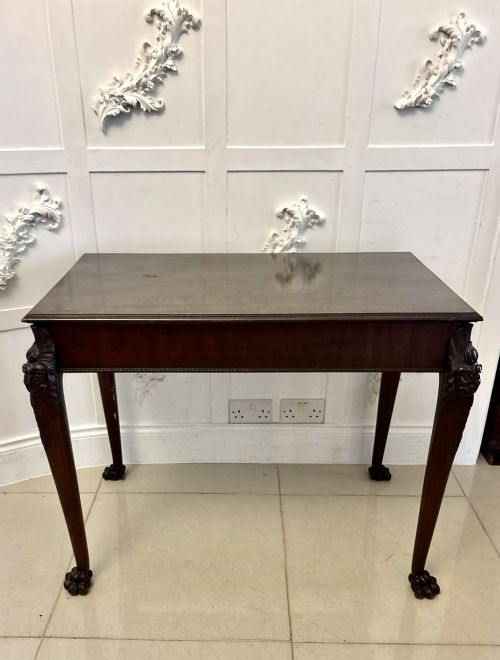
Antique Center Table
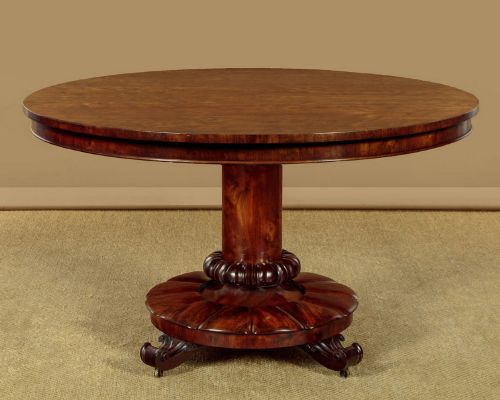
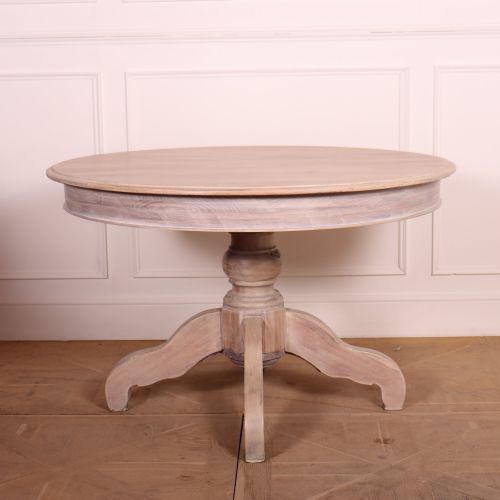
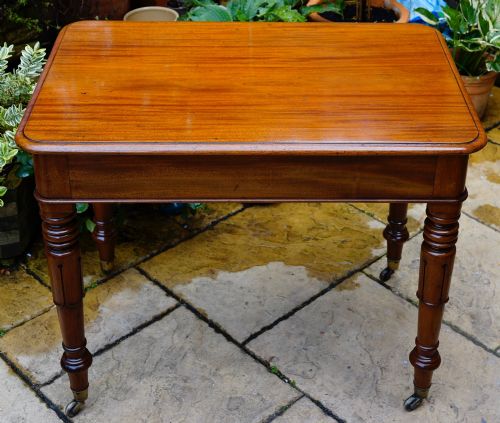
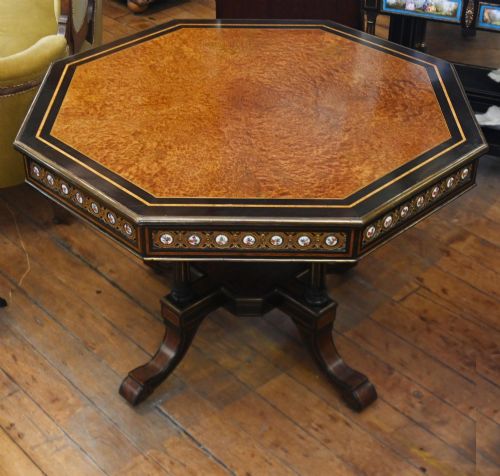
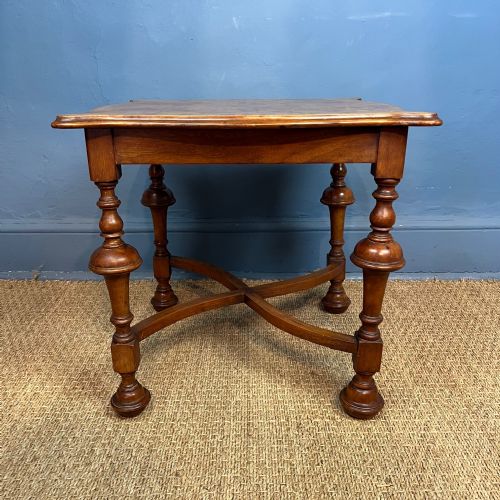
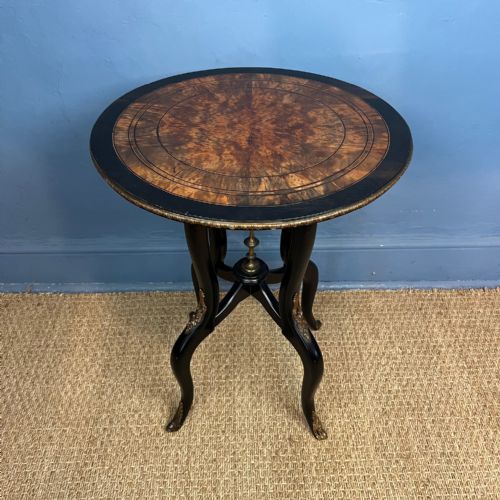
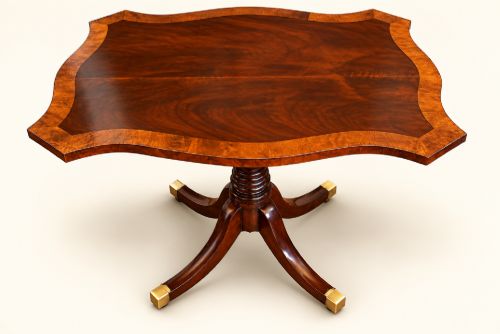
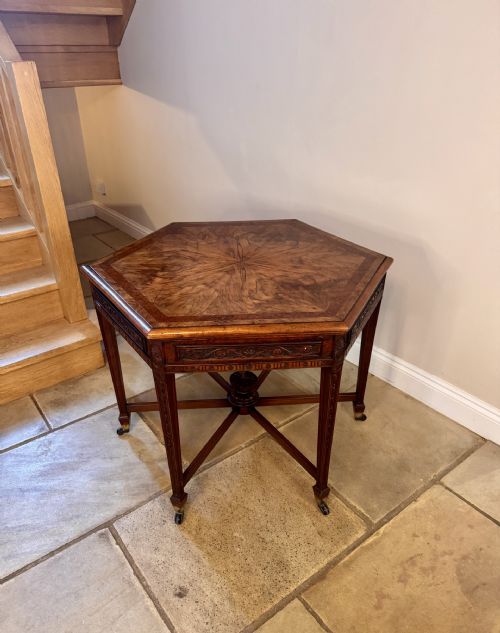
An antique centre table stands free in a room, designed to be seen from every side.
How they were made
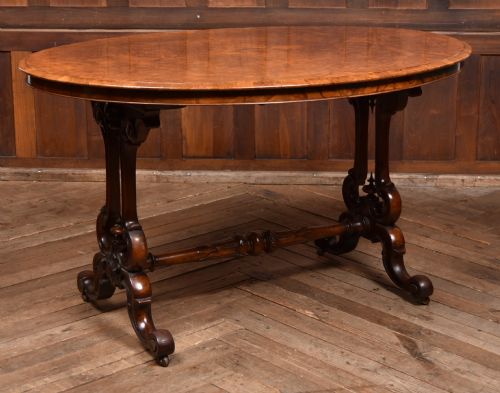
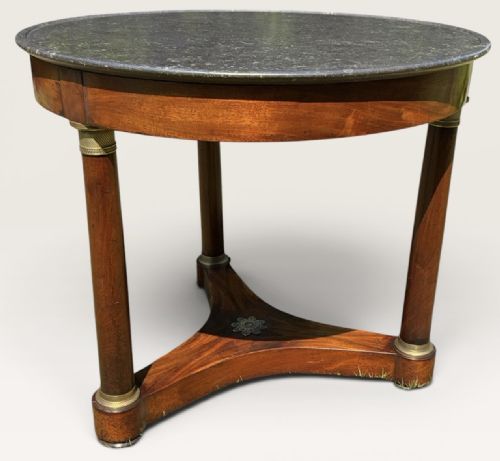
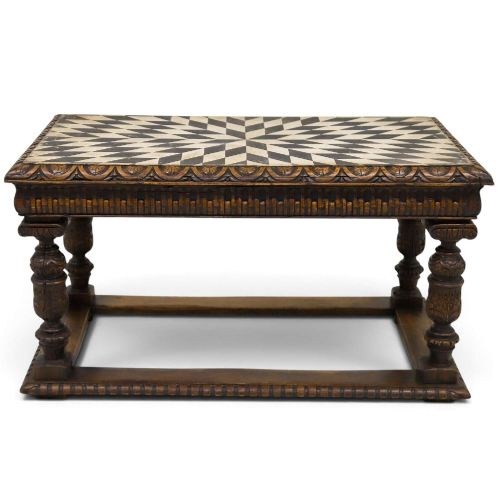
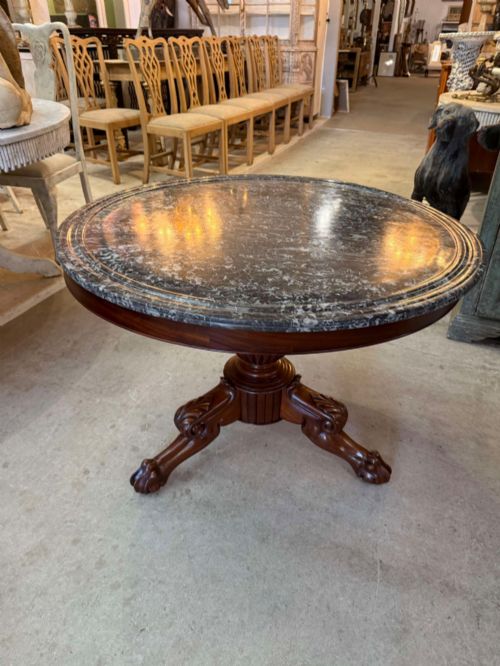
Makers constructed these tables using solid hardwoods and decorative veneers applied to stable secondary timbers. Burr walnut, rosewood, mahogany, and satinwood provided striking grain patterns, particularly when arranged in symmetrical marquetry or parquetry panels. Ormolu mounts, brass details, and marble slabs added weight and refinement to French and English pieces.
Joinery techniques matched the ambitious forms, employing sturdy pedestals, turned legs, and tilt mechanisms for large dining surfaces. Cabinetmakers combined traditional framing with intricate hand-cut veneer work and gilded bronze applications. The structural integrity relied on seasoned timbers capable of supporting heavy marble tops or cantilevered leaves without warping.
What varies in quality
Quality rests upon the selection of timber figures and the precision of the cabinetwork. Tables featuring finely figured burr walnut or master-carved rosewood stand apart from plain utilitarian pieces. The crispness of hand-carved foliage, the complexity of marquetry inlay, and the weight of genuine ormolu mounts signal superior workshop standards.
Construction details distinguish standard production from exceptional artistry. A superior table exhibits seamless veneer matching across the top, stable pedestal joints that prevent wobble, and identical finish quality on all sides. The integration of original marble tops or stamped maker signatures elevates a piece within the historical range.
Antique Center Table Retail Price Guide 2026
Typical asking prices for center table among the pieces listed under this phrase on Sellingantiques today, from the lower quarter to the upper quarter. They describe what is for sale here now, not the wider market.
Listings feature nineteen-thirties French pieces alongside eighteenth-century George III dining tables, spanning walnut, mahogany, and rosewood.
Edward Holmes Baldock·Francois Linke·Maples and Co·Gillows
The Antique Center Table Glossary
- Freestanding
- Finished on all sides so the piece can stand in the middle of a room rather than against a wall. This design ensures every elevation receives decorative attention.
- Marquetry
- Decorative patterns formed by fitting small pieces of veneer into a wooden background to create pictures or geometric designs. Craftsmen utilised contrasting timbers like satinwood and rosewood for visual depth.
- Ormolu
- Gilded bronze mounts applied to furniture for decorative enrichment, particularly prominent on French nineteenth-century pieces. The metalwork was cast and chased by hand.
- Tilt Top
- A tabletop hinged to a pedestal base so it can pivot vertically when not in use. This mechanism allowed large dining and occasional tables to be stored against walls.
- Gueridon
- A small French freestanding table, often round and supported by a single central pillar or three legs. They frequently featured marble inserts or delicate marquetry.
Antique Center Table: Frequently Asked Questions
What is an antique centre table?
An antique centre table is a freestanding piece designed to be viewed from all sides in the middle of a room rather than pushed against a wall. These tables served various functions including dining, writing, and displaying decorative objects.
They appear in numerous historical styles, ranging from English Regency rosewood designs to French Louis XV revival pieces with marble tops.
How were these tables used originally?
In period homes, they occupied the middle of drawing rooms, libraries, and halls to hold lamps, books, or floral arrangements. Larger versions functioned as breakfast or dining surfaces.
Their freestanding nature allowed people to walk completely around the furniture while engaging in domestic life.
How do I identify a Victorian centre table?
Victorian examples frequently utilise dark woods such as mahogany, walnut, and burr walnut with rich grain patterns. They often feature carved pedestals, oval tops, and inlaid marquetry.
Many Victorian pieces also incorporate tilt-top mechanisms or heavy turned legs characteristic of mid-nineteenth-century cabinetmaking.
How do I live with an antique centre table?
Position the table in an open space where its details can be appreciated from every angle. Use coasters to protect polished wood and marble surfaces from moisture and heat.
Keep the piece away from direct sunlight and strong heat sources to prevent the veneers from drying out or splitting.