

William IV Writing Desk
A william iv writing desk is a substantial piece built for correspondence, combining rich timbers and bold proportions.
William IV writing desk forms
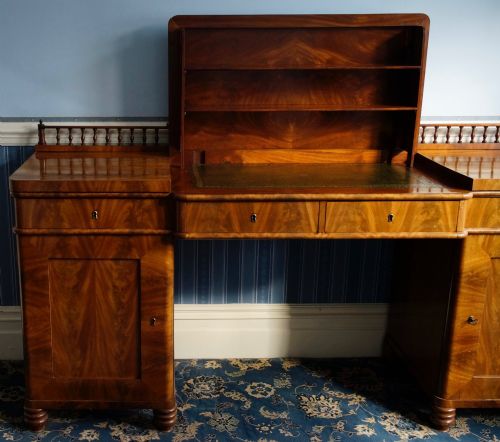
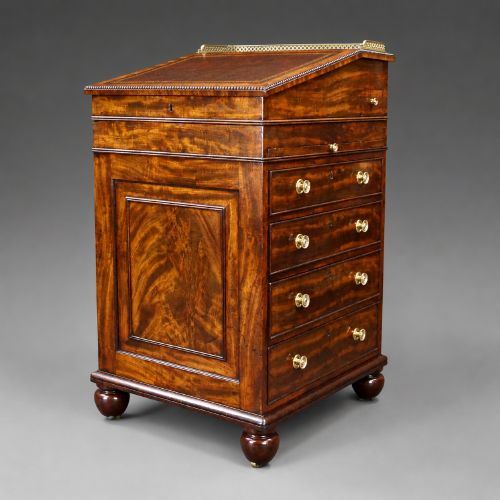
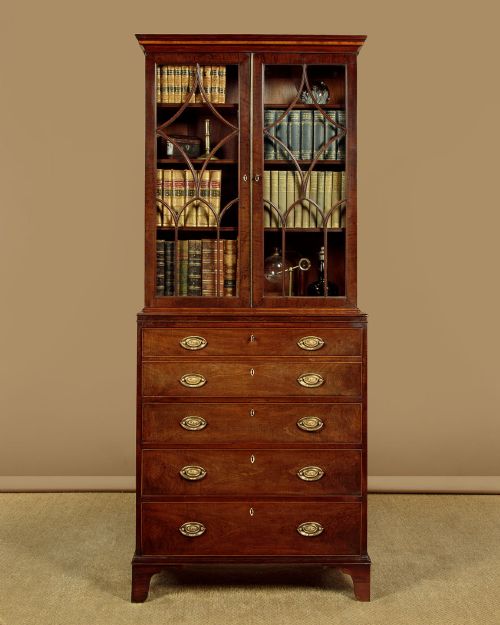
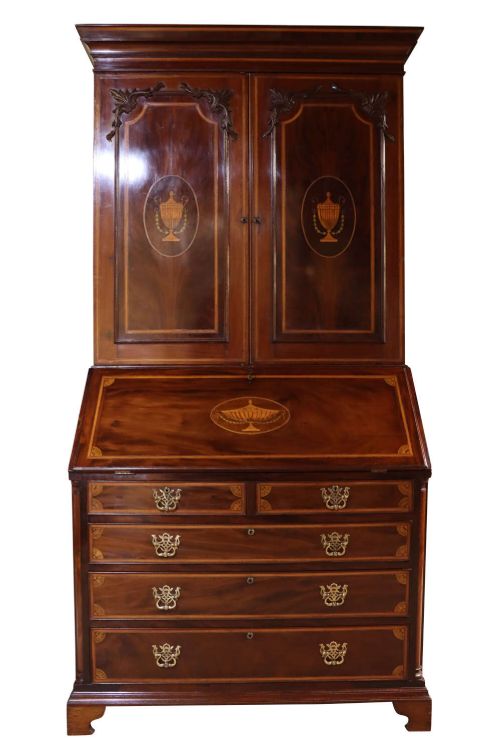
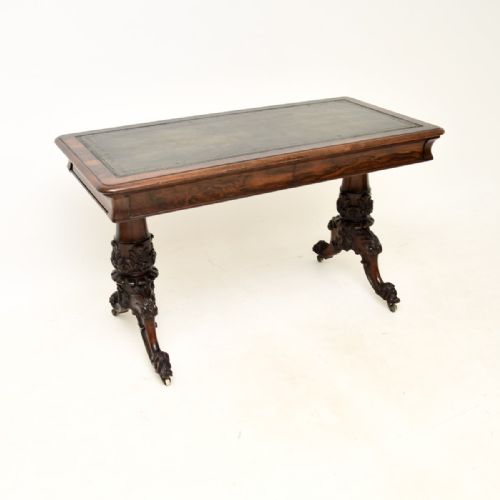
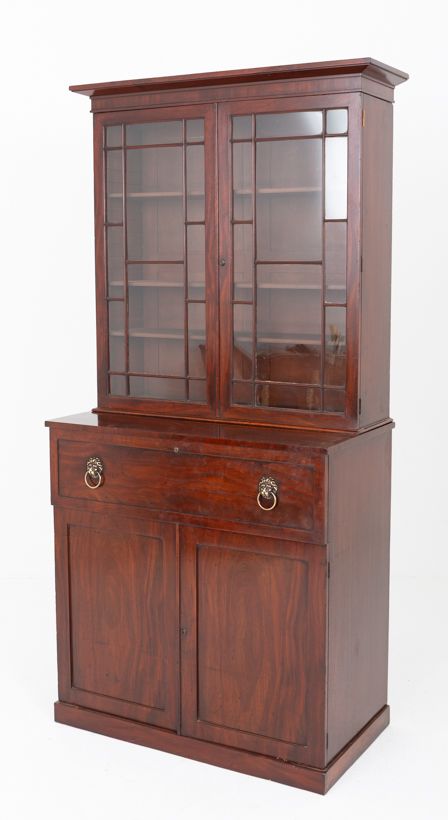
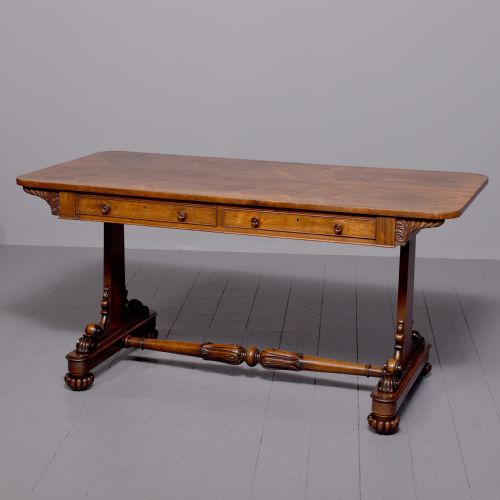
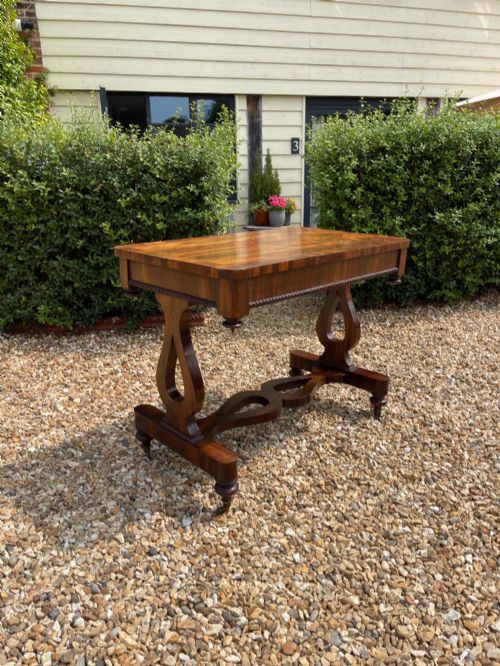
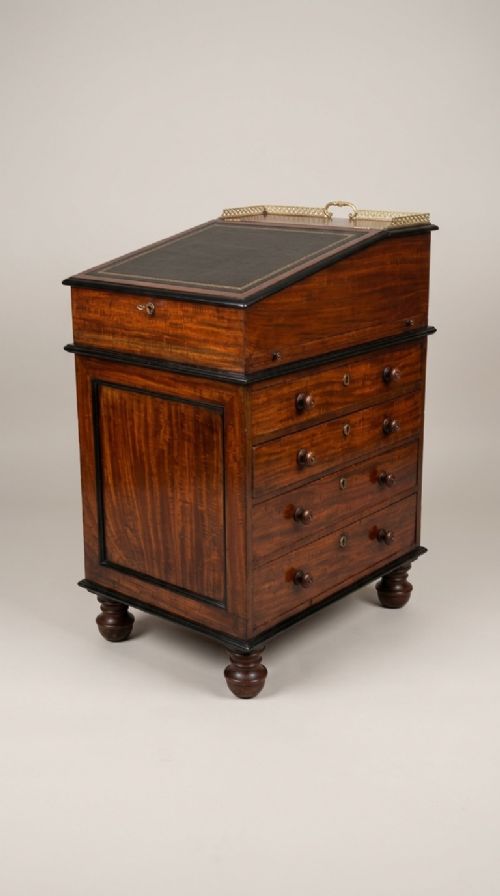
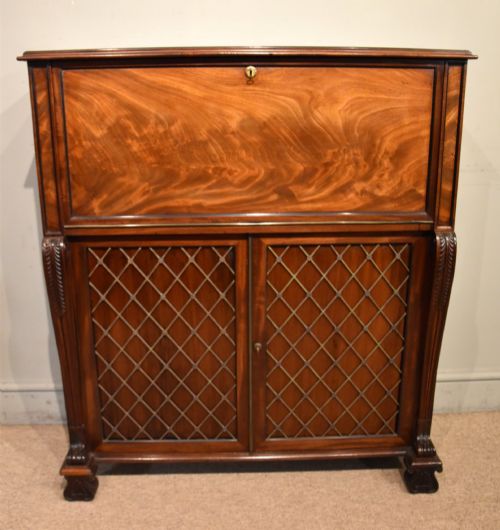
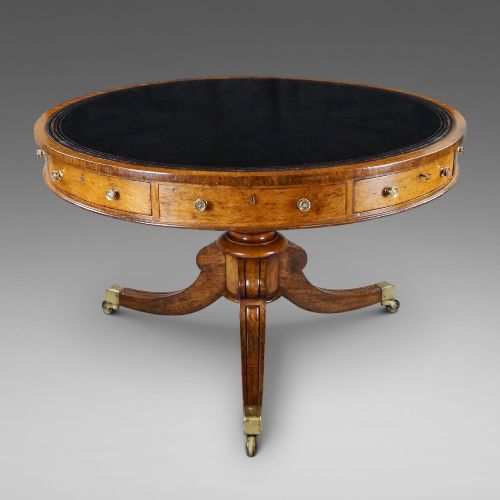
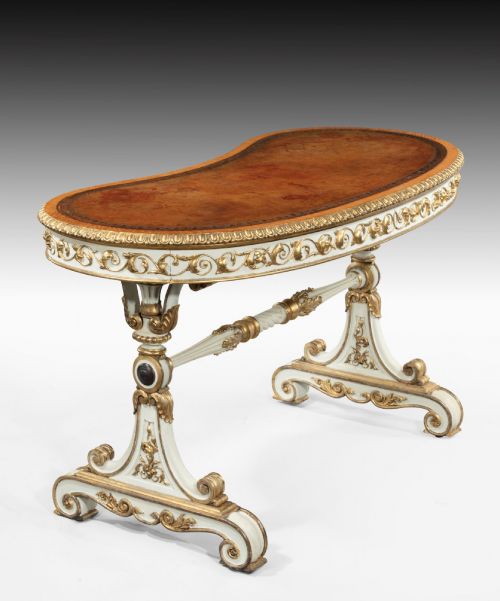
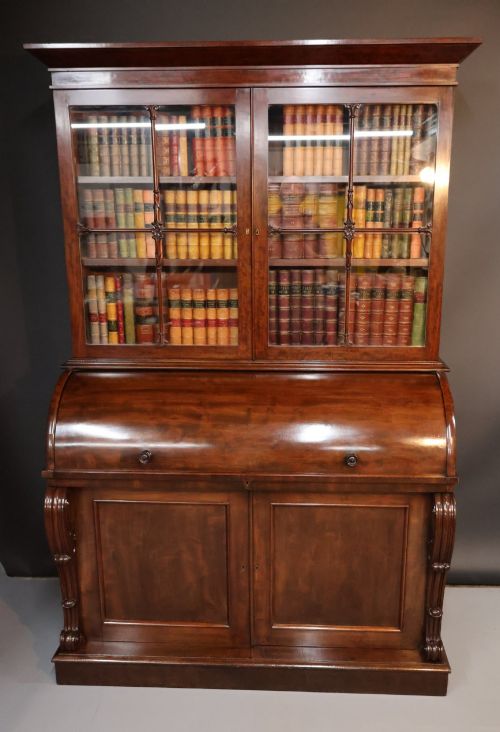
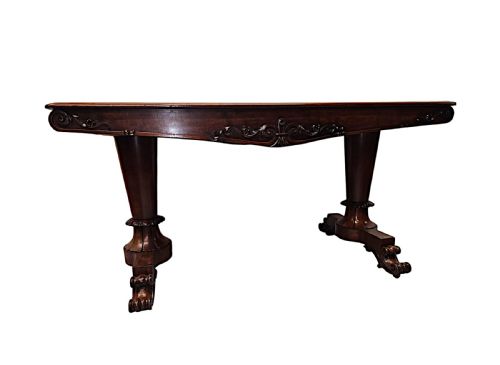
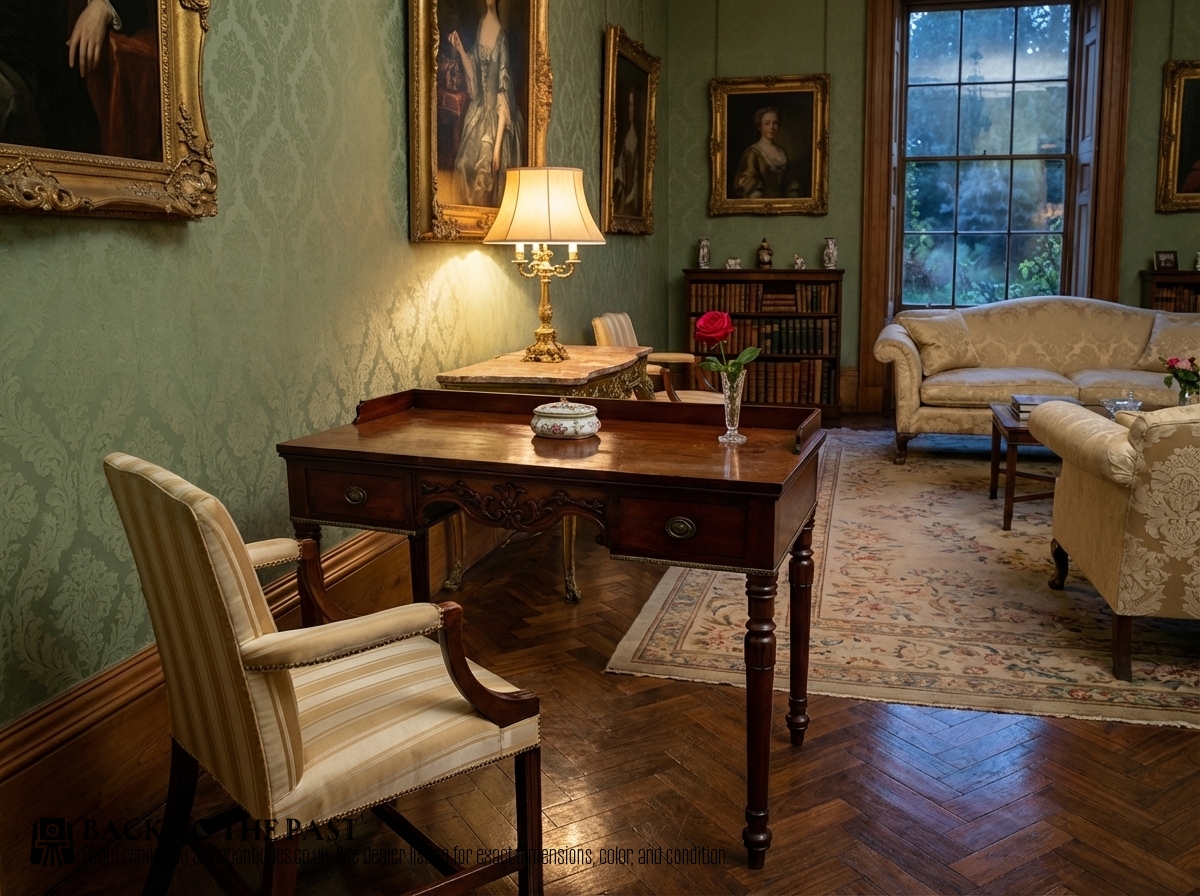
A william iv writing desk encompasses various practical forms designed for study and administration during the nineteenth century. The selection typically includes freestanding library tables, compact davenports with sliding tops, bureau bookcases, and large partners desks fitted with multiple drawers.
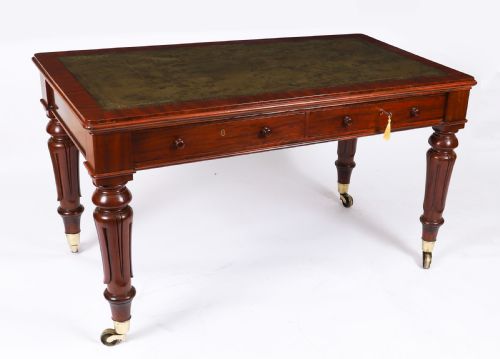
Mahogany and rosewood dominate the pieces originating from this era, often supplemented by writing slopes and lap desks finished for travel or desktop use. Many examples incorporate inset leather surfaces tailored for daily writing tasks.
The objects appear alongside related furniture from the Georgian, Regency, and early Victorian periods, reflecting transitional design traits. Buyers frequently encounter variants featuring folio stands, dressing attachments, or intricate satinwood inlay.
Materials and construction
Cabinet makers utilised dense hardwoods such as mahogany and rosewood for the primary carcases and frames of these tables. Surfaces often received contrasting details through satinwood inlay or mother of pearl work.
Writing surfaces were traditionally lined with leather or velvet inserts, frequently finished with gold tooling along the edges. Brass fittings, including locks, handles, and castors, completed the structural assembly.
Retail Price Guide 2026
Typical UK retail prices for william iv writing desk, calculated from the Sellingantiques database of over a million retail prices indexed since 2003. This retail price guide relies exclusively on Sellingantiques data; no external sources or auction records are used, so the figures do not describe the wider market.
Distinctions in craftsmanship
The division between standard items and superior examples rests on the selection of timber and the precision of carved details. Richly grained rosewood and figured mahogany indicate elevated production standards.
Signed pieces and items featuring complex mechanisms, such as sliding tops or integrated folio stands, command greater interest. The integration of satinwood inlay or intricate mother of pearl work further elevates the standing of a desk.
Mein of Kelso·Gillow of Lancaster·A Solomon·Lowe Bristol
The William IV Writing Desk Glossary
- Partners desk
- A large double-sided writing table designed for two people to work opposite each other, featuring drawers on both faces.
- Davenport
- A compact desk featuring a sloping writing surface above a pedestal of drawers, often incorporating a sliding top.
- Bureau bookcase
- A combination furniture piece comprising a fitted writing desk below enclosed shelving for books.
- Writing slope
- A portable box with a slanted lid that opens to reveal a writing surface and compartments for stationery.
- Library table
- A large freestanding table utilised for reading and writing, finished on all sides for placement in the centre of a room.
Frequently Asked Questions
How do I identify a william iv writing desk?
These desks generally display heavy proportions, robust turned or carved legs, and dark timbers like mahogany and rosewood. They bridge the refined elegance of the Regency style and the heavier forms of early Victoria.
Look for specific construction traits such as brass castors, inset leather writing surfaces, and robust drawer linings. Dates typically centre around the 1830s and 1840s.
Where should I place a library table?
Library tables are designed as freestanding pieces meant to sit in the middle of a room rather than against a wall. Because they are finished on all sides, they provide access from multiple angles.
Ensure there is sufficient clearance around the table for chairs and movement. They function well in studies, living rooms, or wide hallways.
What is a davenport desk used for?
A davenport provides a compact writing station with built-in storage for paper, pens, and correspondence. The sloping top offers a comfortable angle for writing letters.
Drawers typically open to the side rather than the front, maximising the utility of a small footprint. Many examples include a small compartment at the top for inkwells.
How do partners desks work?
Partners desks feature banks of drawers on both sides, allowing two individuals to sit opposite each other and work simultaneously. They offer substantial surface area and deep storage capacity.
These pieces were traditionally utilised in offices, libraries, or administrative rooms. Their large scale requires generous room dimensions to maintain proper balance.