


Regency Writing Cabinet
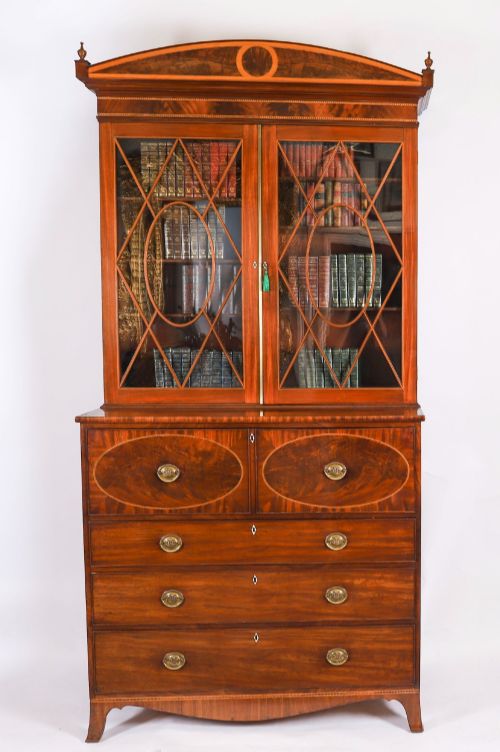
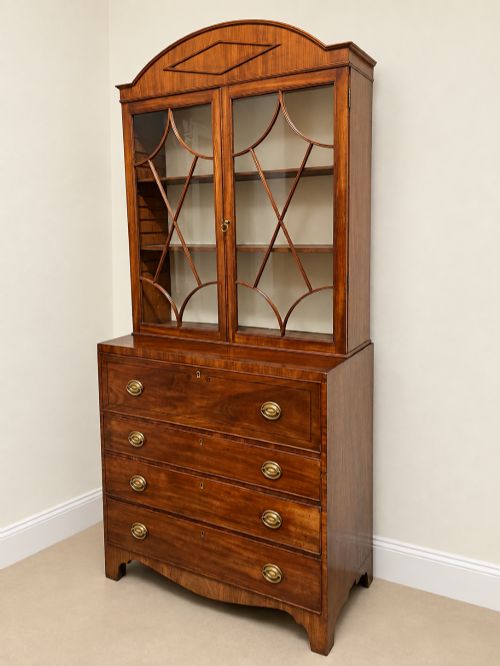
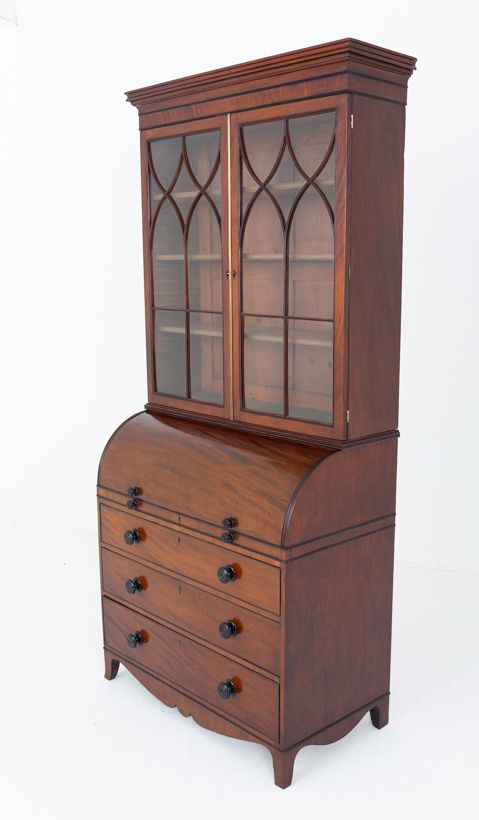
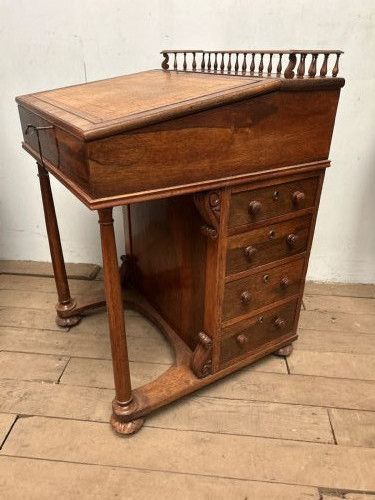
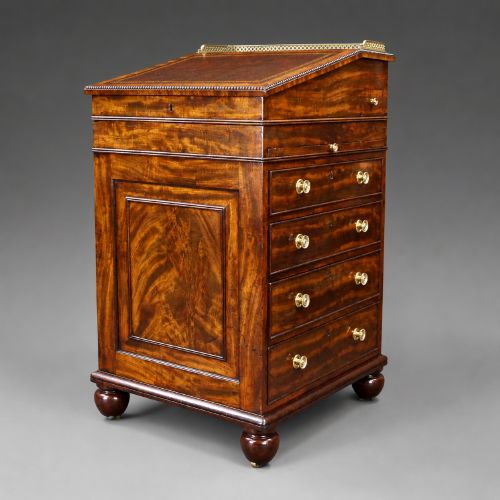
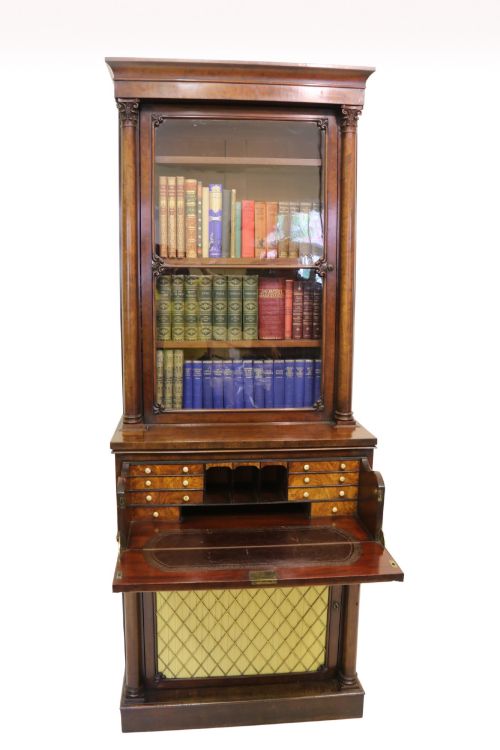
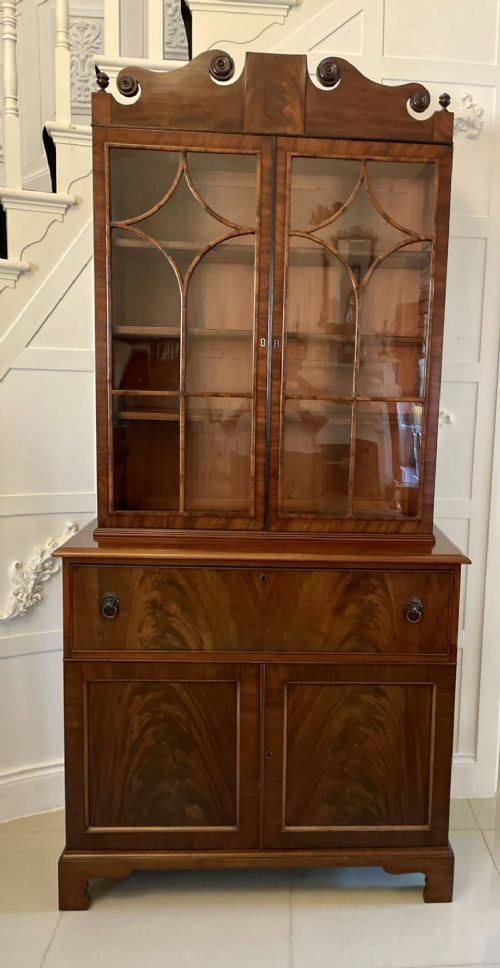
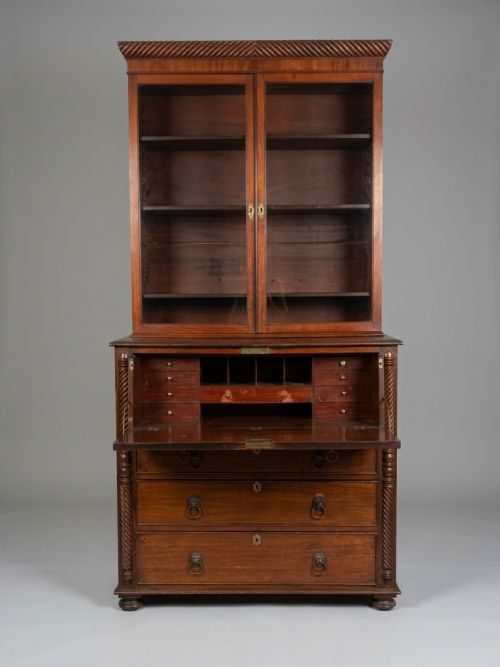
A regency writing cabinet is a piece of furniture designed for correspondence, most frequently seen here as a tall secretaire bookcase or a compact Davenport desk.
Regency Writing Cabinet
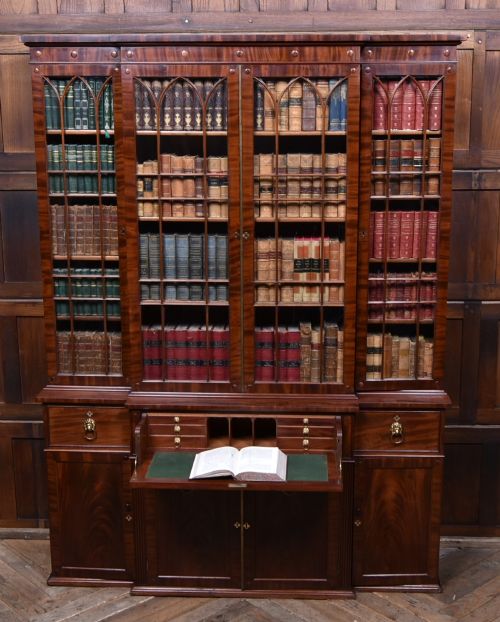
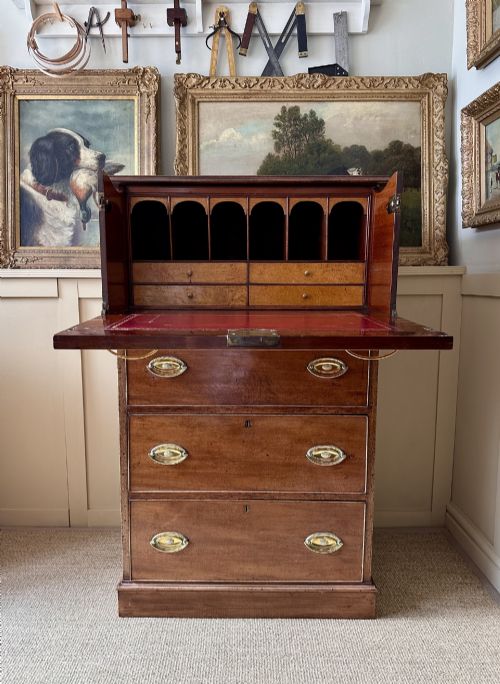
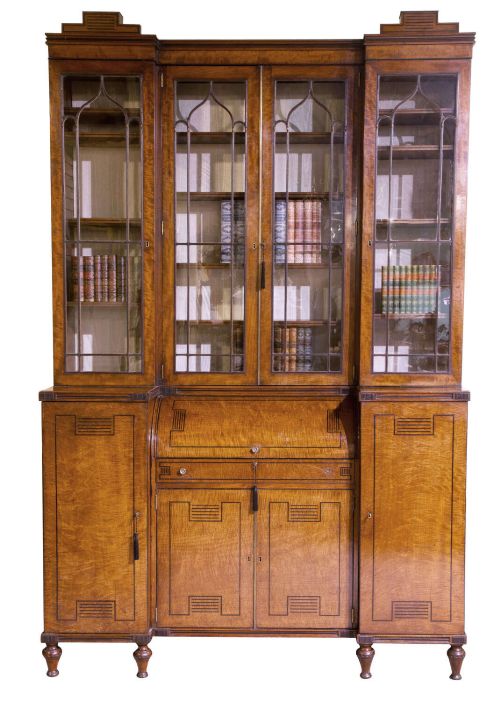
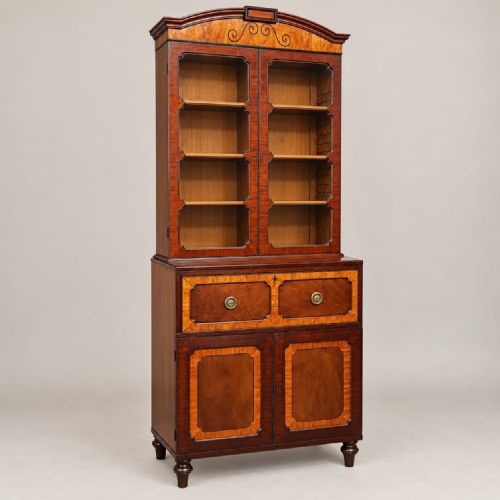
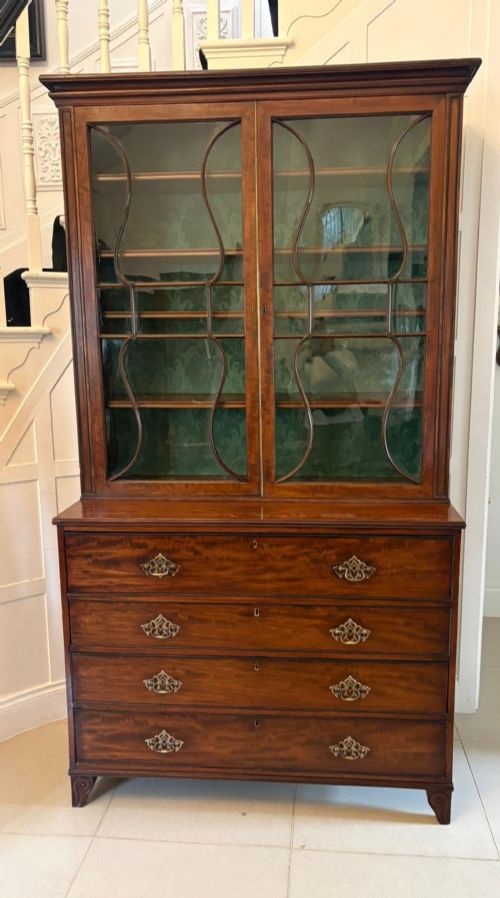
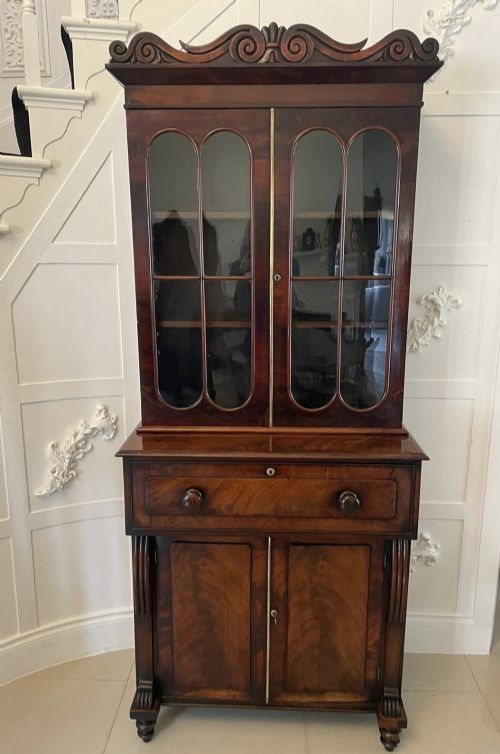
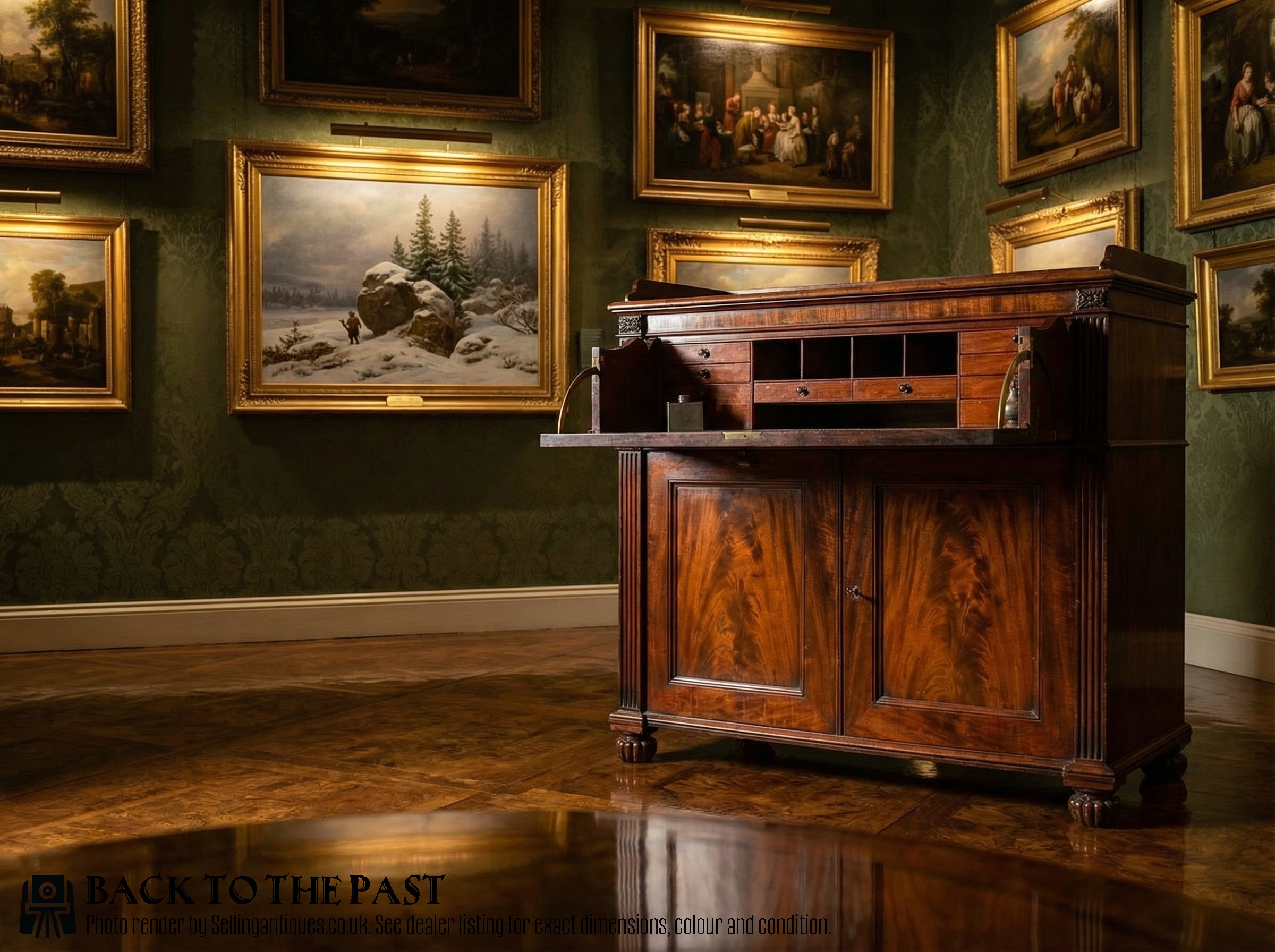
A regency writing cabinet combines a secure storage compartment with a dedicated writing surface, often incorporating a pull-out drawer or a drop-front fall. These pieces emerge predominantly from the Regency, George III, George IV, and William IV periods, extending into the wider nineteenth century. Buyers searching for a regency writing cabinet will frequently encounter tall secretaire bookcases with glazed upper doors alongside smaller Davenport desks and writing chests.
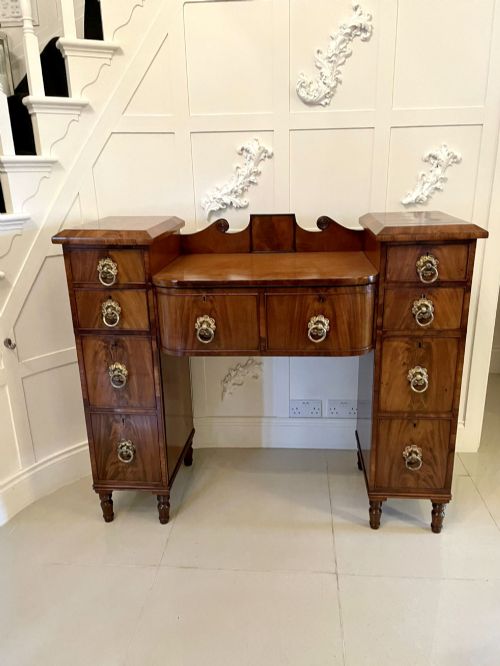
The practical forms vary from grand scale library bookcases with fitted internal drawers to compact tables and cabinets equipped with leather writing surfaces. Workshops of the era constructed these items in figured mahogany, flame mahogany veneer, and rosewood, sometimes accented with brass inlay. Cabinets range from simple fall-front escritoires to elaborate pieces featuring stationery cases and side cupboards.

Materials and construction
Cabinet makers relied heavily on solid mahogany, burr walnut, and rosewood, frequently applying flame mahogany veneer to create striking grain patterns on drawer fronts and fall-front desks. Secondary timbers provide structural stability within the internal pigeonholes and small drawers of the fitted interiors.
Metalwork played a functional and decorative role, with brass utilised for handles, inlays, and gallery rails on Davenport desks. Glass was carefully fitted into the upper doors of bookcases, whilst leather surfaces provided a durable writing medium for the pull-out slides and drop-front desks.
Regency Writing Cabinet Retail Price Guide 2026
Typical asking prices for regency writing cabinet among the pieces listed under this phrase on Sellingantiques today, from the lower quarter to the upper quarter. They describe what is for sale here now, not the wider market.
Listings feature mahogany, rosewood, walnut, and brass, spanning the Regency, Georgian, and Victorian periods.
Assessing quality and execution
The distinction between standard items and superior examples lies in the selection of timber veneers, such as richly figured mahogany or burr walnut, matched symmetrically across the facade. Finely executed cockbeading around drawers and precise brass inlay indicate meticulous cabinet work.
Internal arrangement determines execution level, where secondary woods, secret compartments, and intricately fitted stationery interiors reflect the ambition of the original maker. The integration of glazed doors with delicate astragal bars demonstrates higher craftsmanship than plain utility carcases.
Gillows of Lancaster·George Oakley
The Regency Writing Cabinet Glossary
- Secretaire
- A piece of furniture containing a drawer or compartment with a drop-front panel that serves as a writing surface.
- Davenport
- A compact desk featuring a sloping writing top above a pedestal of drawers, popular during the Regency and William IV periods.
- Escritoire
- A tall writing cabinet or desk, often featuring a fall-front writing flap and internal pigeonholes.
- Astragal
- A moulded bar or strip of wood dividing the panes of glass in a bookcase door.
Regency Writing Cabinet: Frequently Asked Questions
What is a secretaire bookcase?
A secretaire bookcase combines a tall upper section with glazed doors for book storage and a lower section featuring a pull-out writing drawer or fall-front desk.
These pieces served as multi-functional library furniture in nineteenth-century homes, housing both a personal writing station and a collection of bound volumes.
How do I use a Davenport desk?
A Davenport desk provides a compact writing surface on a sloping lid that lifts to reveal a small interior compartment for stationery.
The drawers incorporated into the pedestal structure store pens, paper, and correspondence accessories while occupying minimal floor space.
How do I date a regency writing cabinet?
Dating relies on identifying stylistic markers associated with the Regency, George III, George IV, and William IV periods alongside specific construction methods.
Cabinet makers of the early nineteenth century favoured distinct wood veneers, brass inlay patterns, and particular forms of fitted internal stationery drawers.
What woods were used for writing cabinets?
Makers predominantly selected mahogany, flame mahogany veneer, rosewood, and walnut for the exterior surfaces of these writing cabinets.
Secondary timbers like oak and pine appear inside the drawers and hidden compartments of the fitted interiors.