


Drop Front Bureau
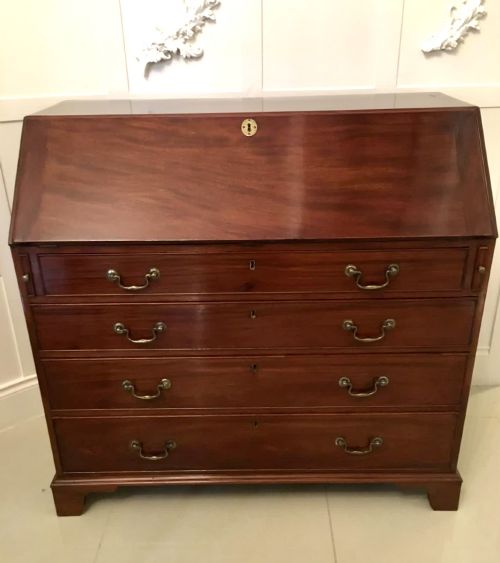
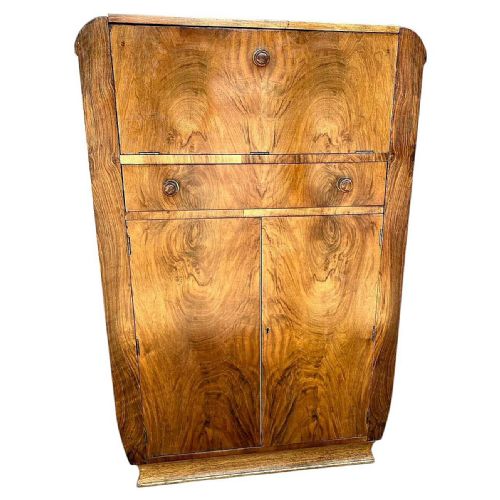
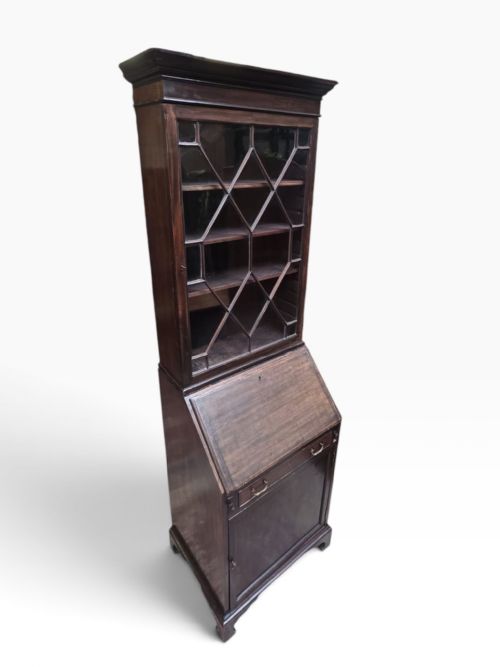
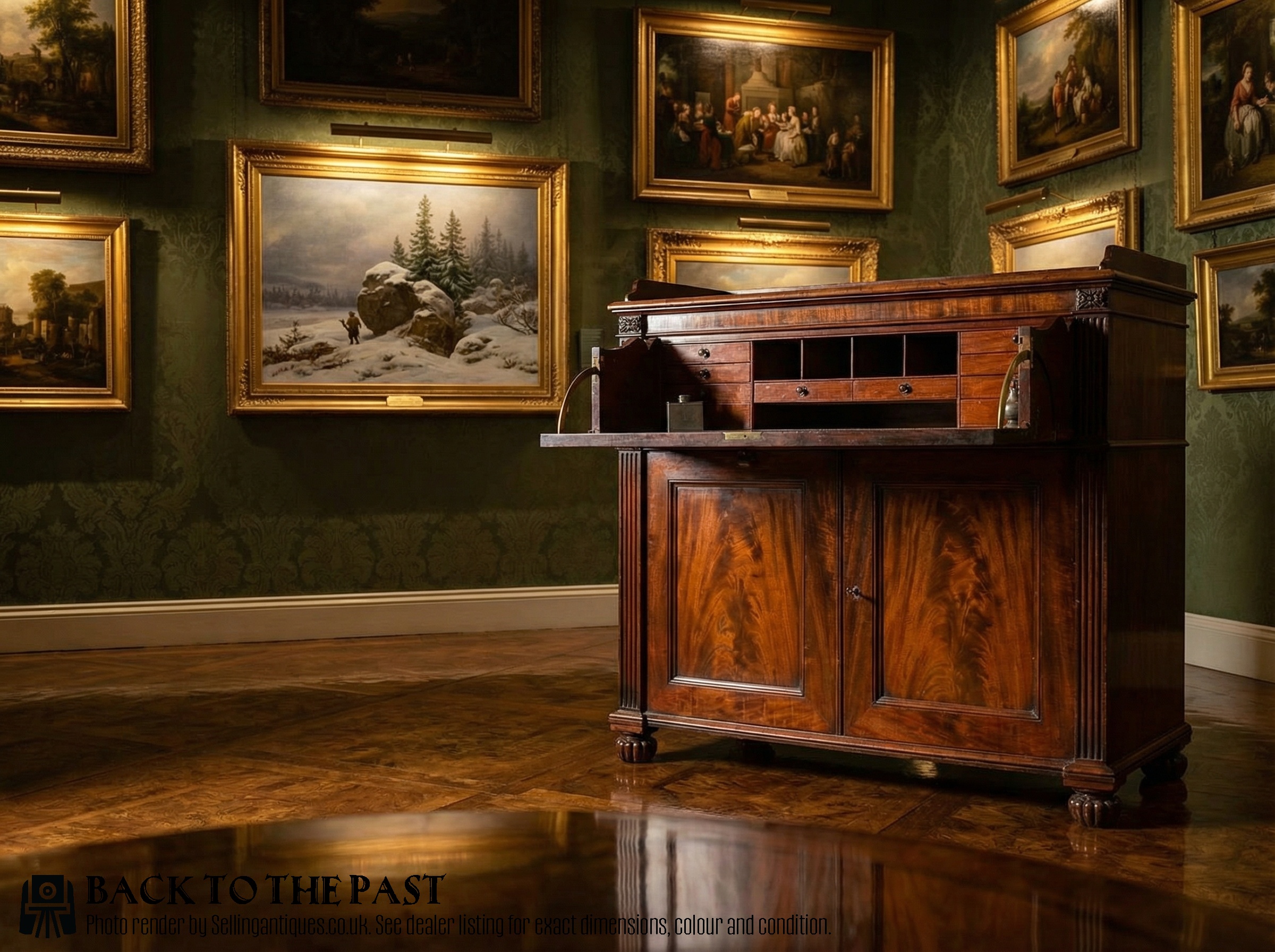
A drop front bureau conceals a fitted writing interior behind a sloping panel, offering both workspace and storage for letters and papers.
Drop Front Bureau
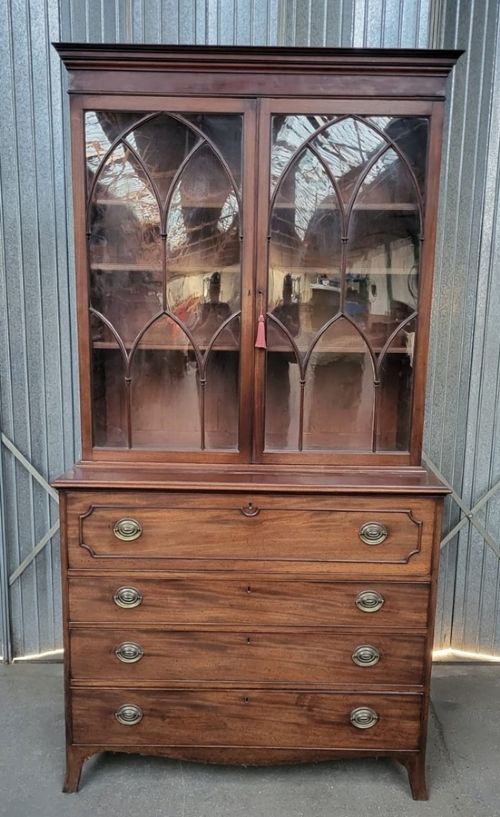
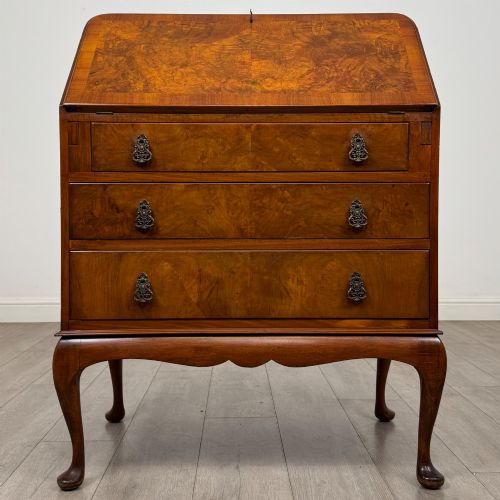
When you search for a drop front bureau, you find writing furniture designed with a hinged writing flap that opens down to form a desk surface. The selection spans centuries of cabinetmaking, ranging from seventeenth-century walnut examples to Edwardian oak models and later twentieth-century forms.
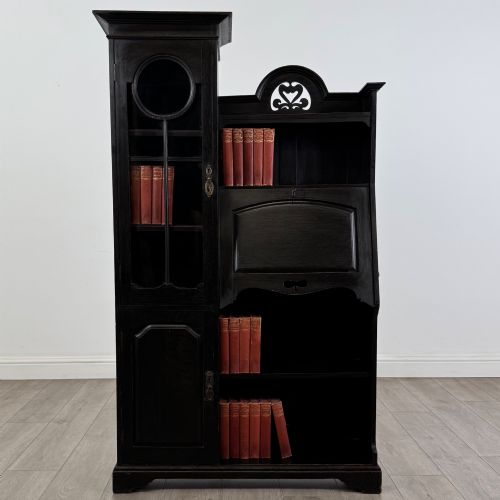
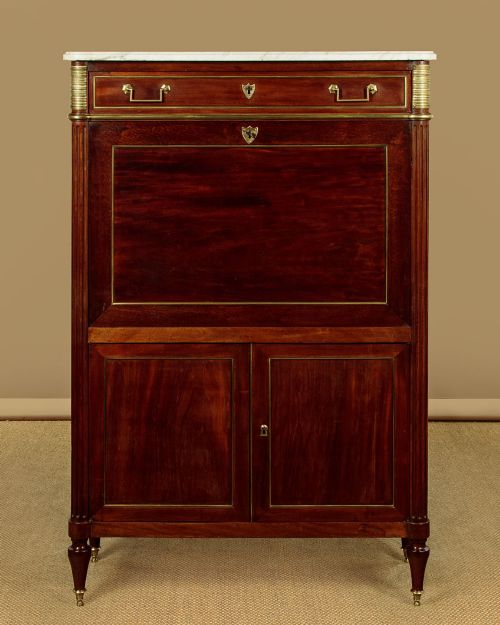
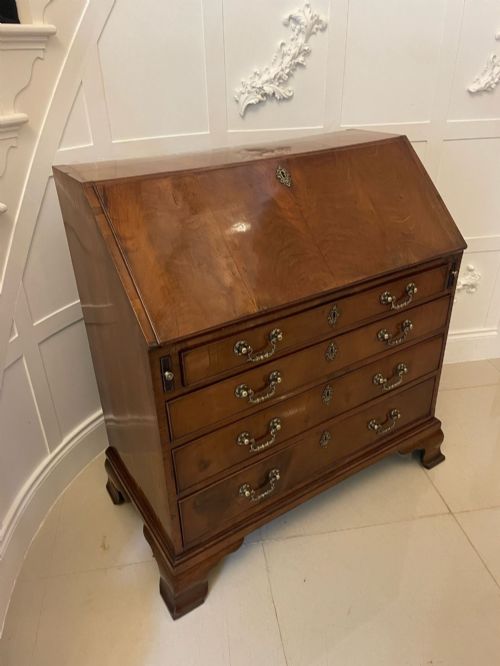
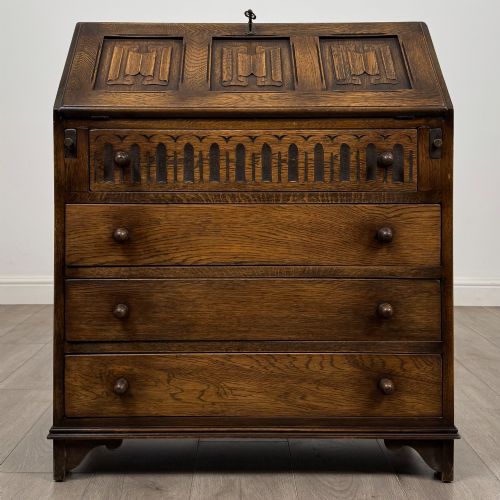
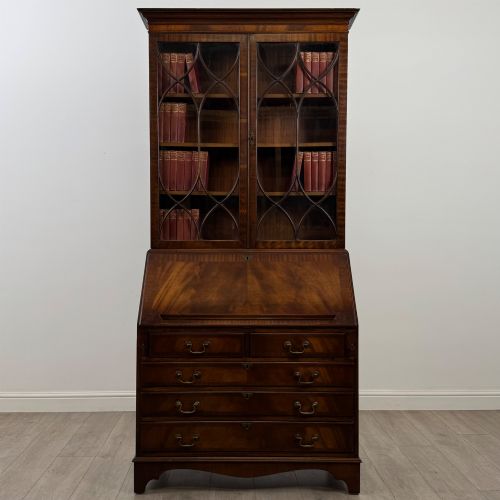
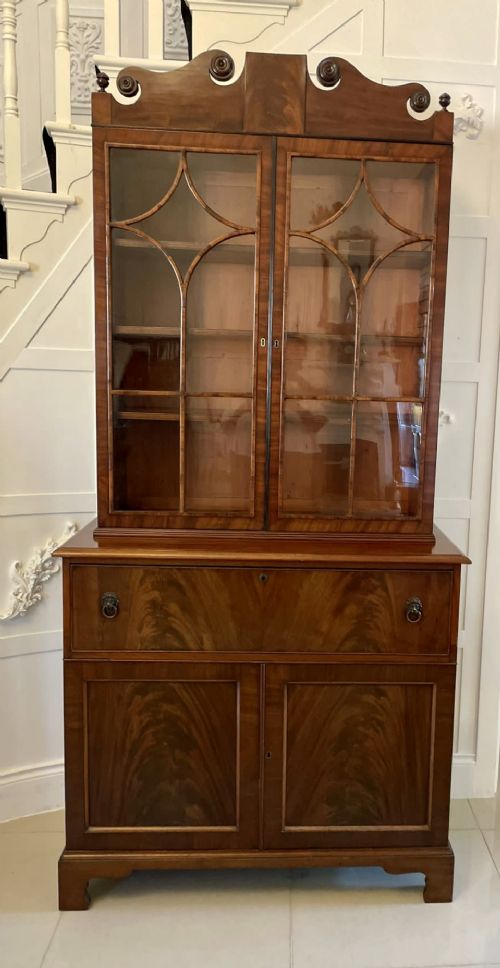
The pieces on this page appear in various regional and stylistic interpretations, including Georgian mahogany writing desks, Arts and Crafts oak workstations, and French secretaire abattants with marble tops. Bureau bookcases and tall escritoires also feature prominently, combining the traditional drop front desk with upper shelving or glazed display cabinets.
Buyers regularly encounter both simple writing chests and complex bureau bookcases originating from the Georgian, Victorian, and Edwardian eras. Oak and mahogany dominate the lower and middle periods, while burr walnut and rosewood appear on finer seventeenth and eighteenth-century items.
How they were made
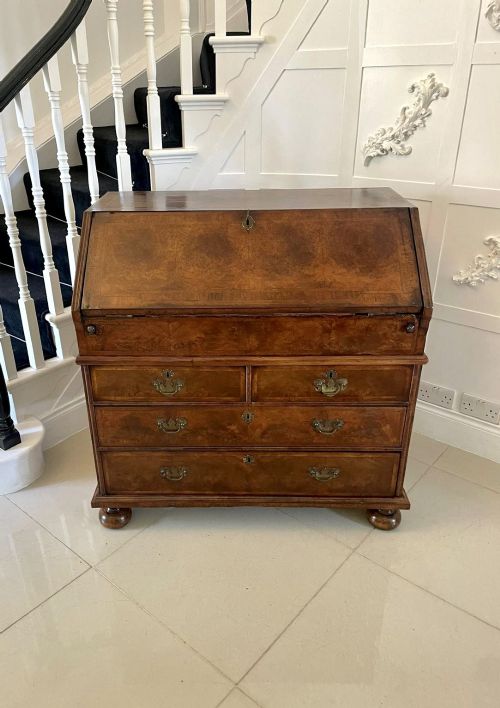
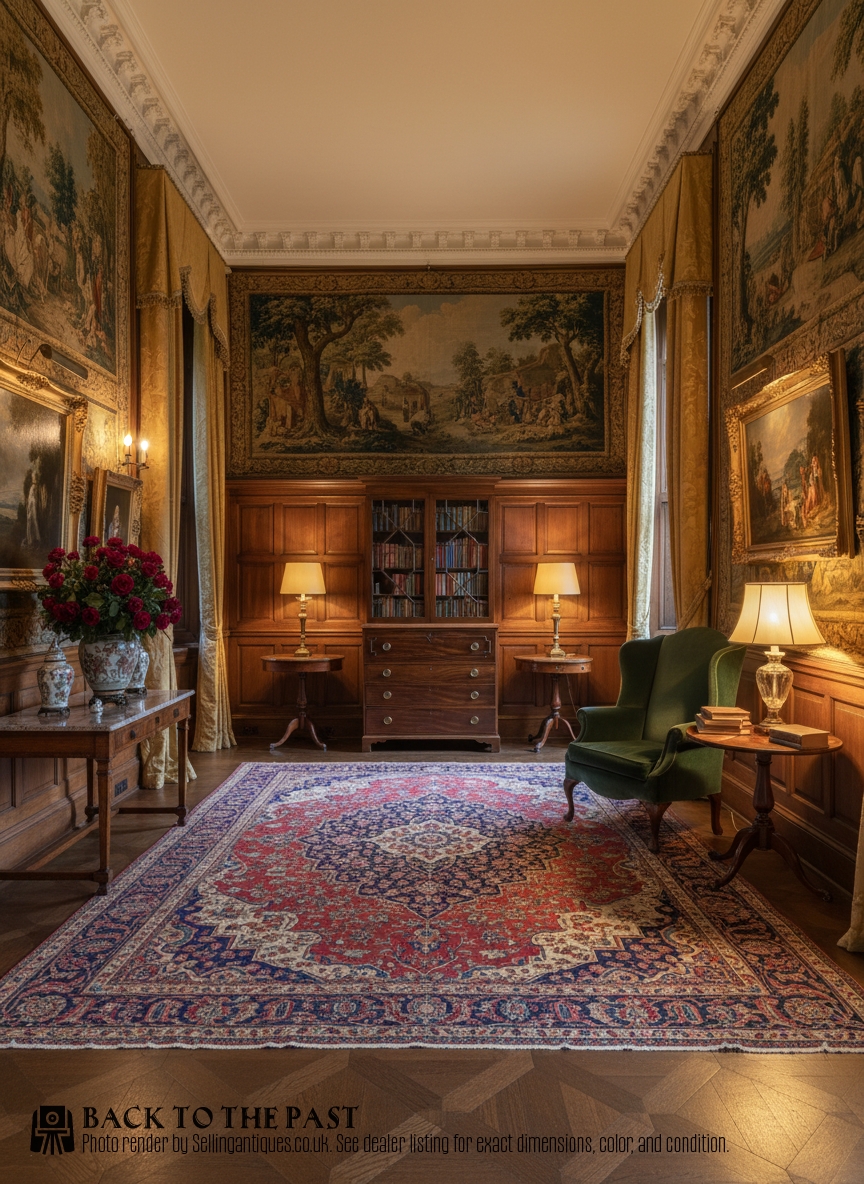
Cabinetmakers constructed these writing cabinets using solid timbers like oak and mahogany, often applying decorative veneers such as burr walnut, flame mahogany, and herringbone inlay onto secondary wood foundations. Brass hardware, including drop handles and escutcheons, secures the drawers and internal pigeonholes.
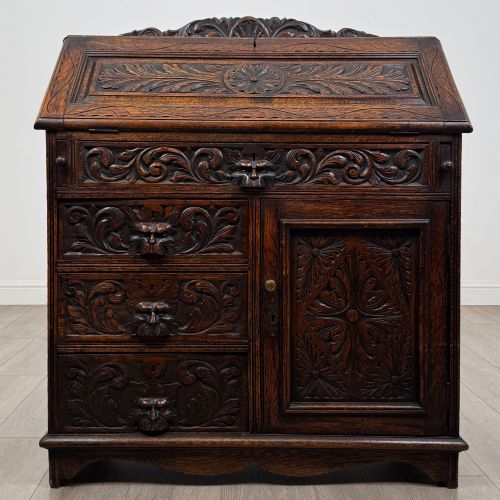
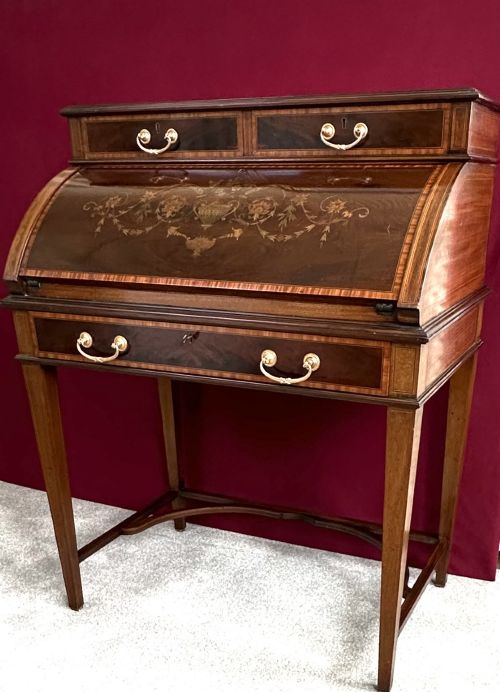
Advanced techniques included marquetry inlay, carved linenfold panels, and ebonised finishes, particularly on continental pieces and pieces influenced by the Arts and Crafts movement. Fall fronts require sturdy internal hinging and pigeonhole partitions to support the writing flap when lowered.
Drop Front Bureau Retail Price Guide 2026
Typical asking prices for drop front bureau among the pieces listed under this phrase on Sellingantiques today, from the lower quarter to the upper quarter. They describe what is for sale here now, not the wider market.
Many drop front bureaux conceal secret sliding panels behind the pigeonholes for hiding letters and small treasures.
What varies in quality
The distinction between ordinary and superior pieces rests on the choice of timber and the precision of the cabinetwork. Fine examples utilise highly figured timbers like burr walnut or flame mahogany with matched grain across the fall front and drawer fronts.
Internal joinery and the complexity of the fitted interior also signal higher standards. Superior bureaux feature secret compartments, finely dovetailed small drawers, and well-executed marquetry or inlay work rather than plain secondary woods.

ARTHUR BASIL REYNOLDS·GEORGE OAKLEY·LARKIN
The Drop Front Bureau Glossary
- Drop front bureau
- A writing desk featuring a hinged sloping panel that pulls down to create a flat writing surface. It conceals internal compartments, small drawers, and pigeonholes.
- Secretaire abattant
- A tall upright cabinet with a vertical drop front panel that opens forward for writing. This form is common in French and continental pieces from the nineteenth century.
- Escritoire
- An antique writing cabinet or desk, often fitted with drawers and pigeonholes behind a fall front. The term frequently applies to seventeenth and eighteenth-century walnut and marquetry examples.
- Bureau bookcase
- A dual-purpose piece combining a drop front writing desk at the base with an upper section enclosed by wooden or glass doors. The upper cabinet usually contains shelves for books.
- Herringbone inlay
- A decorative wood banding technique where small pieces of veneer are laid in a V-shaped pattern. It is commonly found around the borders of high-grade walnut and mahogany furniture.
- Linenfold
- A style of carved wooden panelling that resembles folded vertical rolls of linen. This decoration appears frequently on oak pieces from the Edwardian period and earlier revivals.
Drop Front Bureau: Frequently Asked Questions
How do I use a drop front bureau?
You unlock and lower the front flap to create a desktop, revealing small drawers and letter slots inside. When finished writing, you lift the flap back into place to hide the contents.
This keeps your writing materials neatly organised while presenting a tidy wooden cabinet surface in your room.
Can I store books in a bureau bookcase?
Yes, bureau bookcases combine a lower writing desk with upper shelving enclosed by glazed or wooden panel doors. They were designed to hold a working library alongside stationery.
Ensure the shelves are deep enough for your volumes before placing heavy books in the upper section.
How do I identify a Georgian bureau?
Georgian pieces generally show high-quality mahogany or walnut construction with hand-cut dovetails inside the drawers. They often feature bracket feet and modest brass hardware.
Look for pegged joints and timber patination consistent with eighteenth-century cabinetmaking practices.