

Georgian Secretaire Chest
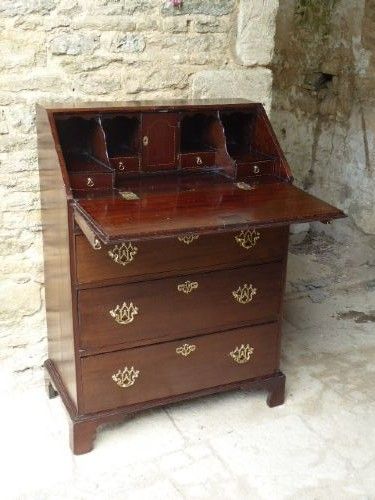
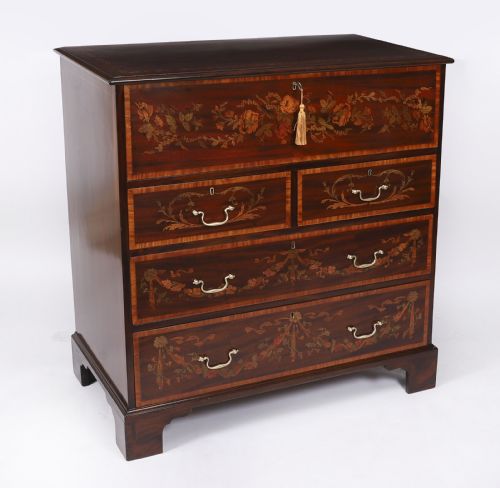
A georgian secretaire chest conceals a fitted writing drawer behind a drop-front panel, offering dual purpose elegance for study and storage.
Georgian Secretaire Chest
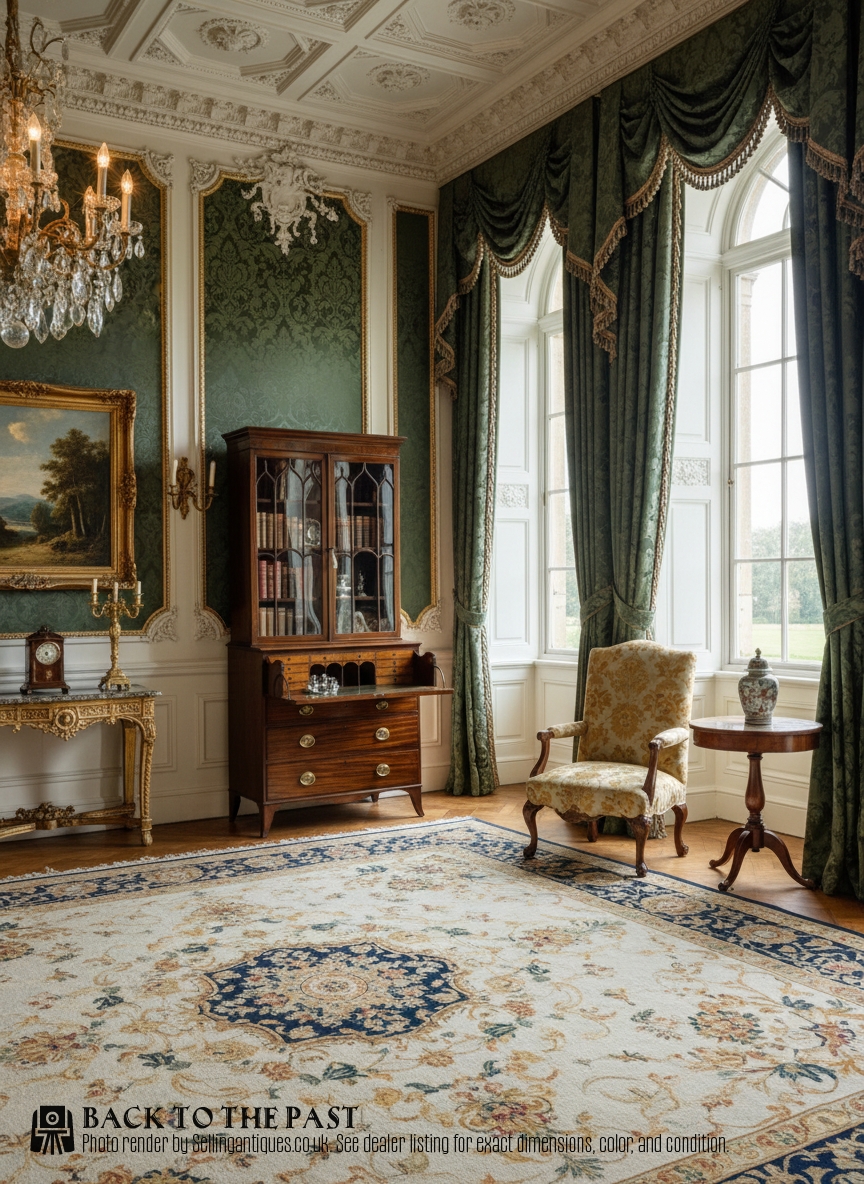
A georgian secretaire chest combines the outward appearance of a standard set of drawers with an integrated writing surface hidden in the upper section.
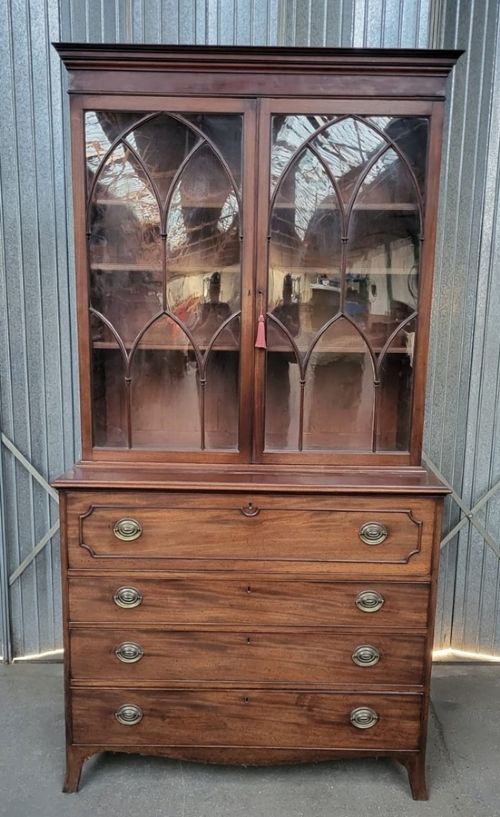
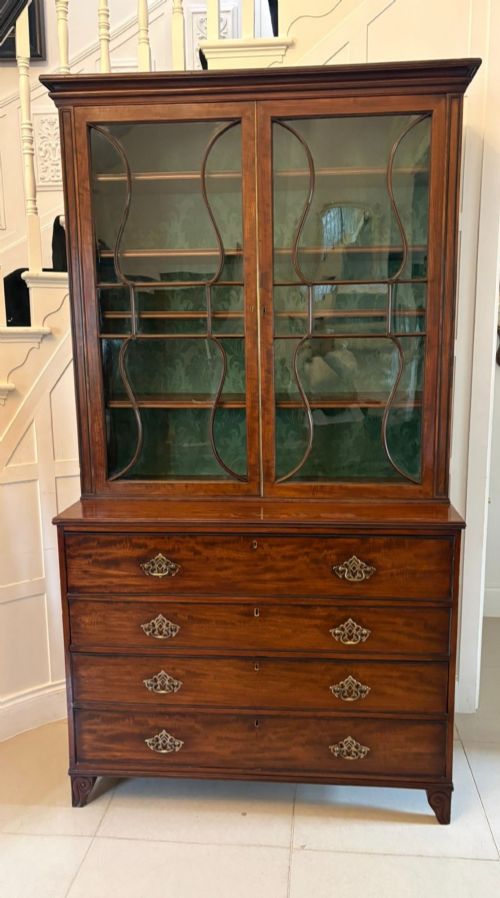
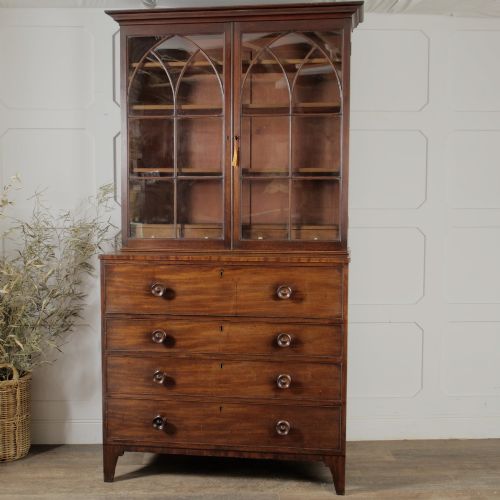
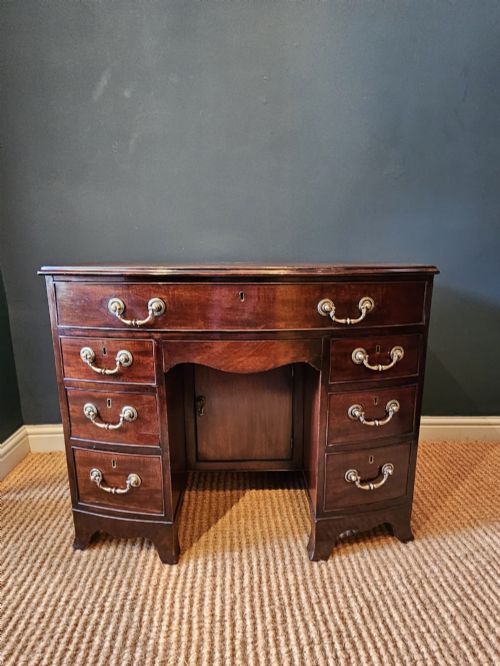
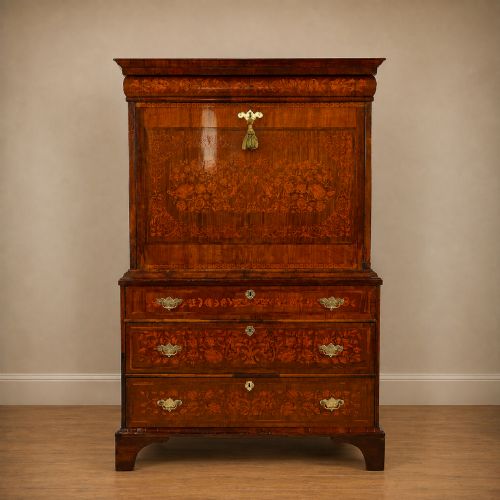
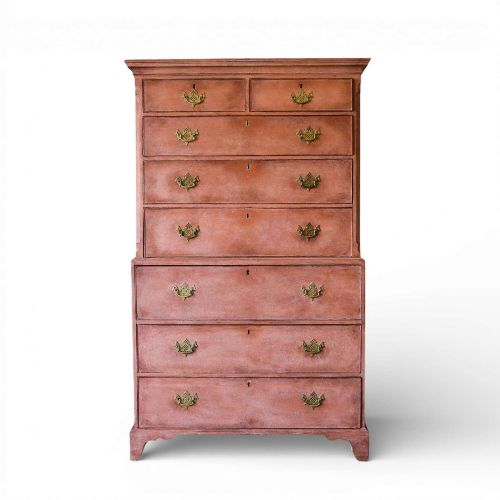
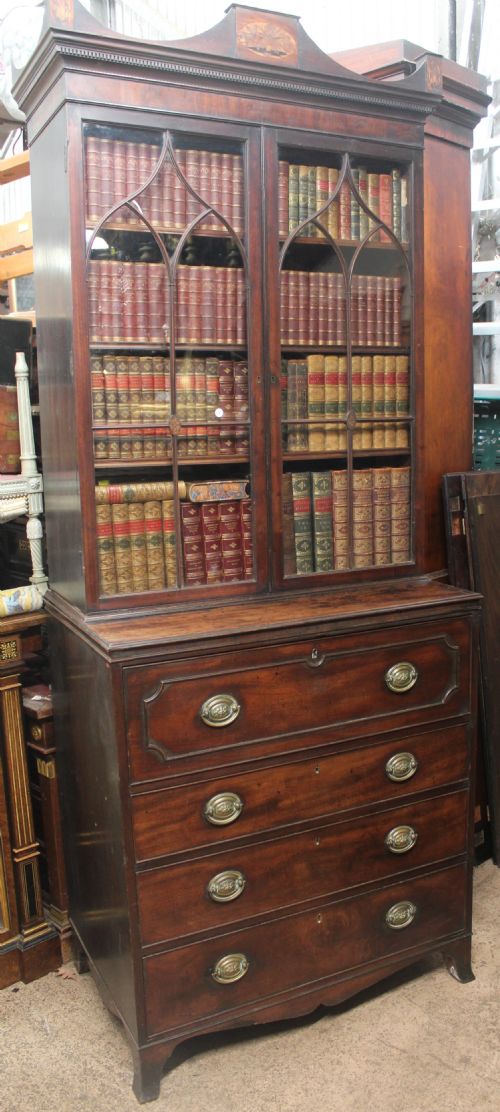
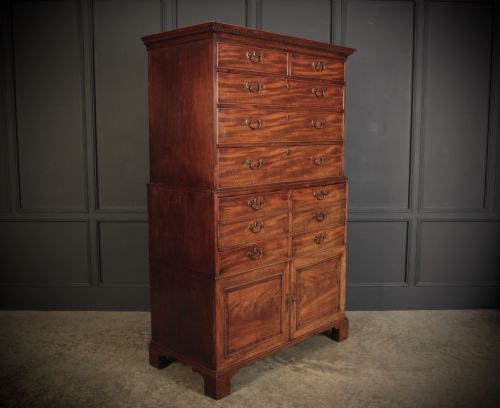
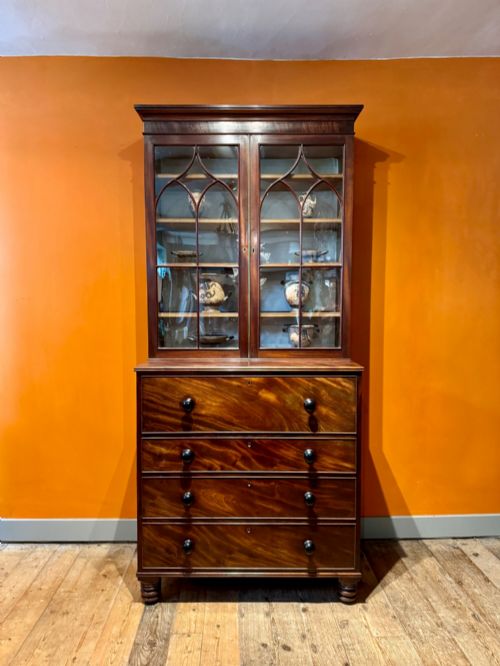
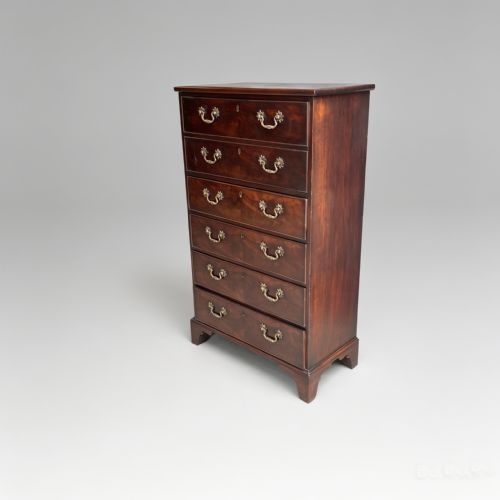
The versions most frequently encountered on this page span the Georgian and Regency periods, appearing in forms ranging from simple freestanding chests to towering chest-on-chest tallboys and glazed bookcases.
Cabinetmakers constructed these pieces primarily in mahogany, oak, and walnut, often incorporating specialised compartments for stationery, ledgers, and small valuables.
Materials and Technique
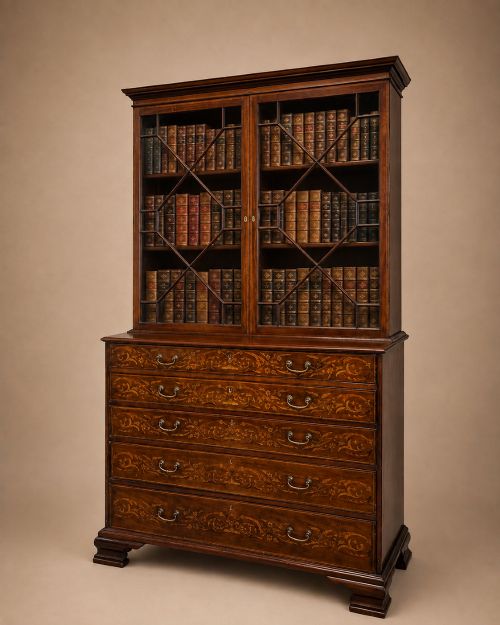
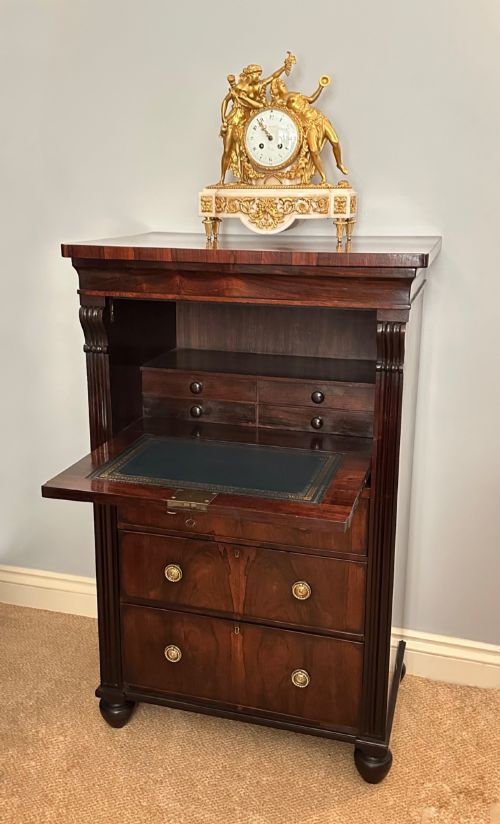
Construction relies heavily on dense timbers such as mahogany and oak, frequently enhanced with decorative veneers like satinwood, burr walnut, or detailed floral marquetry.
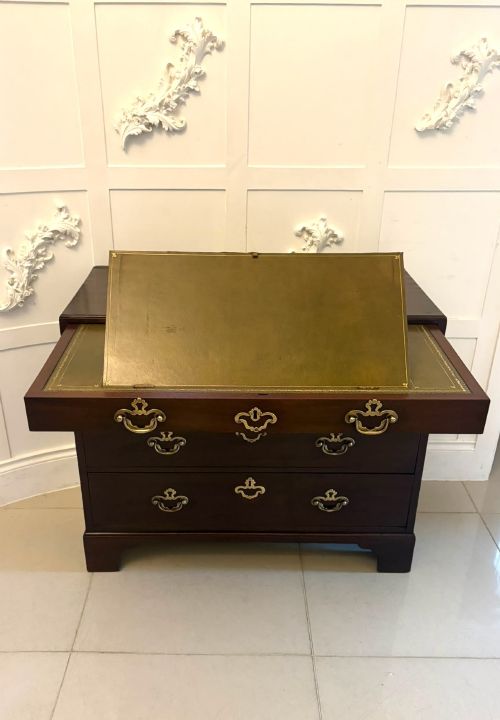
Writing surfaces within the pull-down drawers are commonly lined with contrasting leather or baize to provide a smooth, durable desk area.
Glazed upper bookcase sections utilise individual wooden framing bars to hold small glass panes, while brass hardware secures doors and internal compartments.
Georgian Secretaire Chest Retail Price Guide 2026
Typical asking prices for georgian secretaire chest among the pieces listed under this phrase on Sellingantiques today, from the lower quarter to the upper quarter. They describe what is for sale here now, not the wider market.
Listings feature mahogany, oak, walnut, and satinwood constructions spanning the 18th and 19th centuries.
Craftsmanship and Proportion
The standard of a piece depends largely on the crispness of internal drawer pigeonholes, hidden compartments, and the subtlety of wood figuring across the drawer fronts.
Proportion and cabinetwork precision differentiate utilitarian storage from refined pieces, visible in the tight joinery of drawer linings and the alignment of decorative inlays.
Gillows
The Georgian Secretaire Chest Glossary
- Secretaire
- A piece of furniture containing a drawer or compartment that pulls down to form a writing desk. This central feature distinguishes the form from standard chests of drawers.
- Tallboy
- A tall chest of drawers made in two sections, often stacked as a chest on chest. These pieces maximise vertical storage capacity.
- Astragal
- A moulding profile used to divide glass panes within bookcase doors. These wooden strips create small geometric compartments across upper cabinet fronts.
- Marquetry
- Decorative veneer work arranged in floral or pictorial patterns using various coloured woods. Artisans inlay these designs directly into the primary timber surfaces.
- Escritoire
- An alternative historical term for a writing cabinet or bureau. The word shares roots with the primary secretaire function.
Georgian Secretaire Chest: Frequently Asked Questions
What is a secretaire chest?
A secretaire chest is a dual-purpose item of furniture that looks like a traditional chest of drawers from the outside. Its distinguishing feature is a middle drawer that drops open to reveal a fitted writing surface and small compartments.
Cabinetmakers designed these pieces to save space in domestic interiors by combining a desk with bedroom or library storage.
How were these desks used?
Owners used the drop-front writing drawers for correspondence, managing household accounts, and storing private papers. The internal pigeonholes and small drawers kept inkwells, quills, and letters organised.
When the writing session ended, the panel folded up and locked, hiding the contents entirely from view.
How do I identify the period?
Dating relies on observing timber choices, handle styles, and overall architectural proportions. Earlier pieces often feature rich walnut or figured oak, while later Georgian and Regency examples frequently utilise dense mahogany with satinwood crossbanding.
Construction methods inside the drawers, such as hand-cut dovetailing, also help pinpoint the era of manufacture.
Where should I place one?
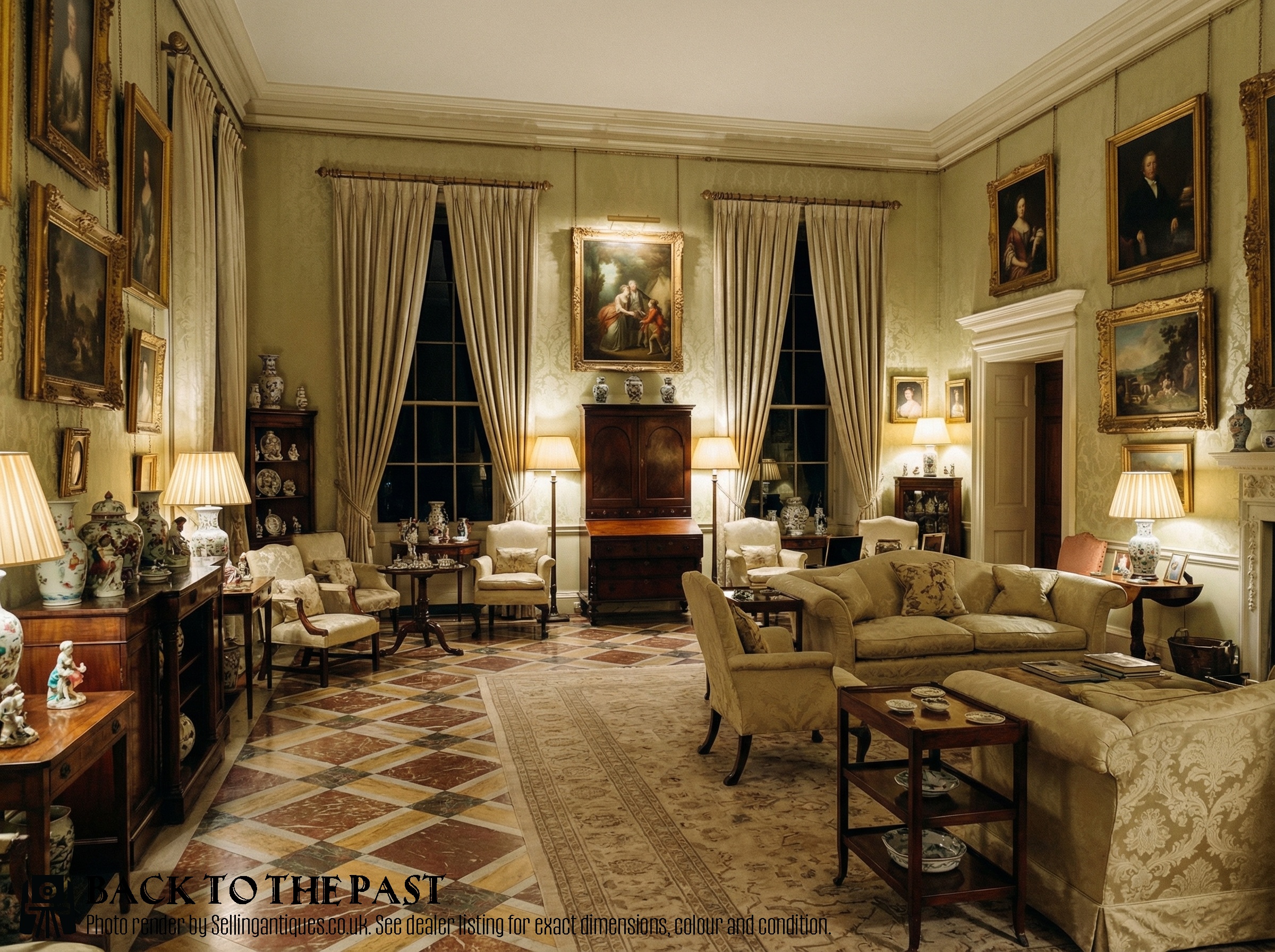
These chests suit studies, living rooms, and bedrooms where floor space is limited. Their compact footprint provides both surface writing space and deep drawer storage without dominating a room.
Placing them away from direct sunlight and heat sources protects the antique wood veneers and leather desk inserts from drying out.