

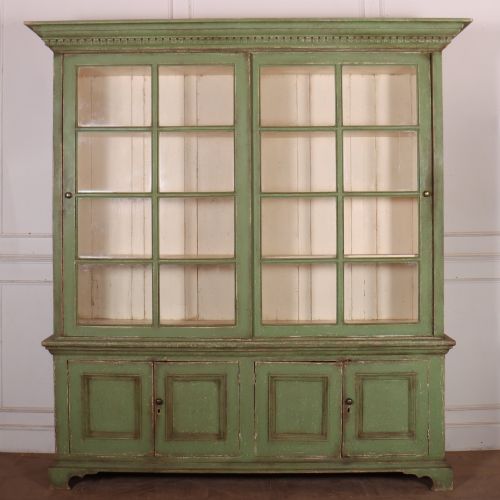
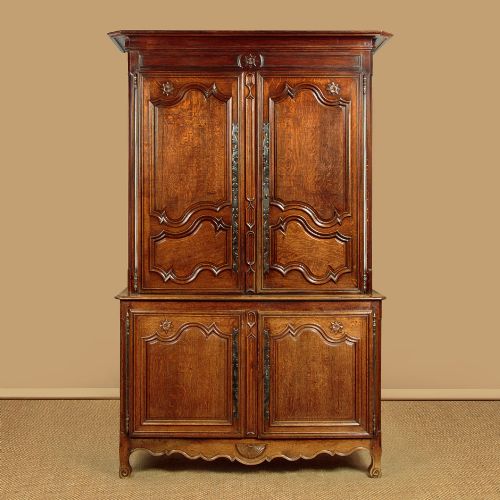
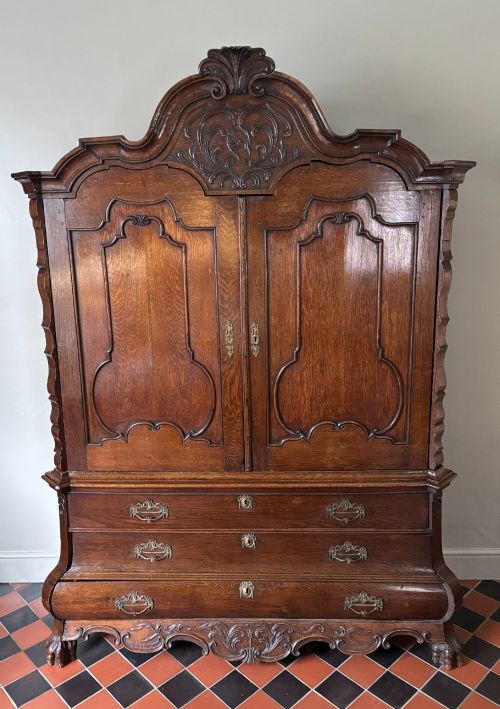
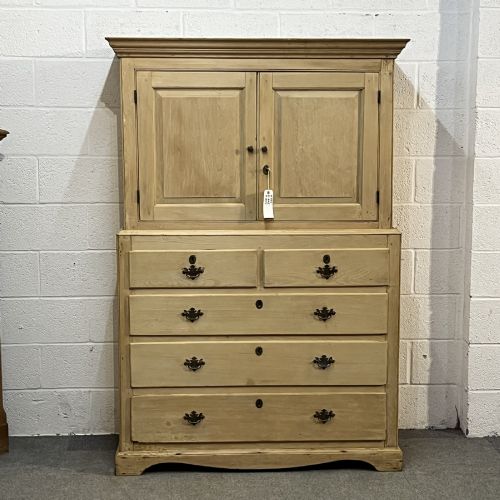
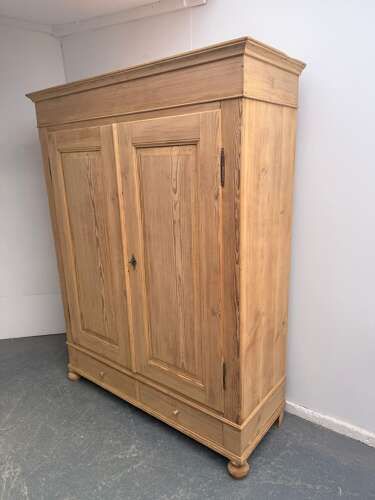
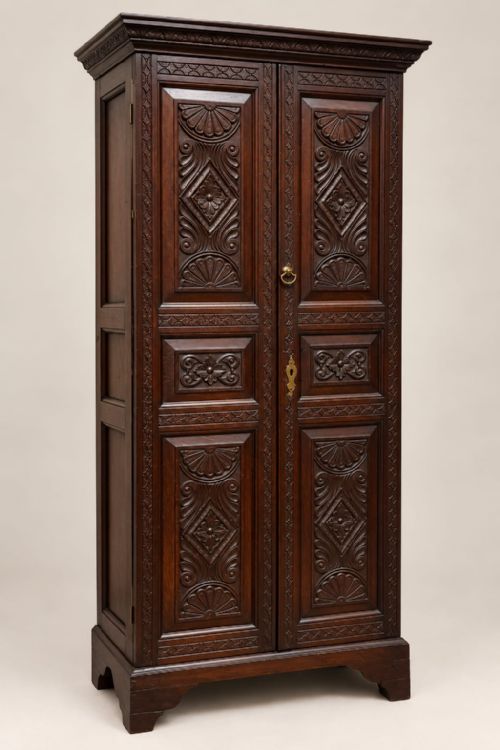
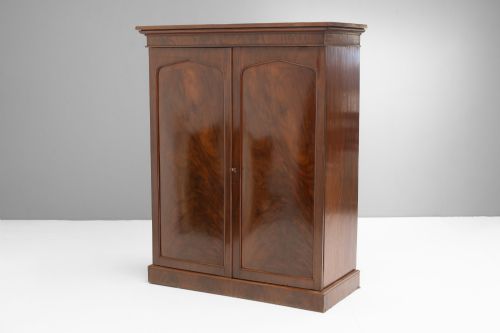
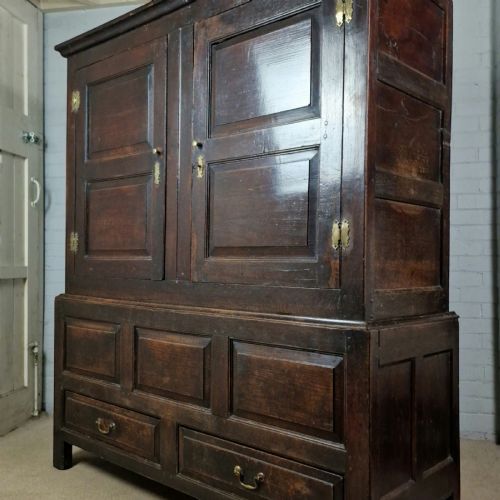
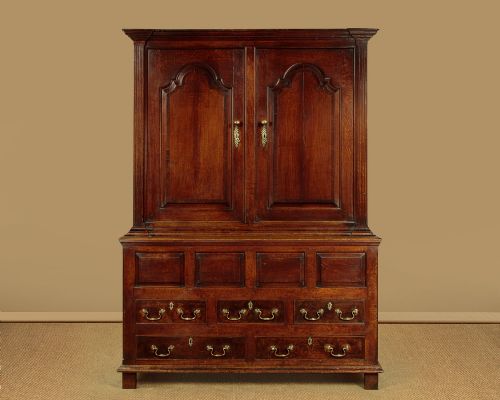
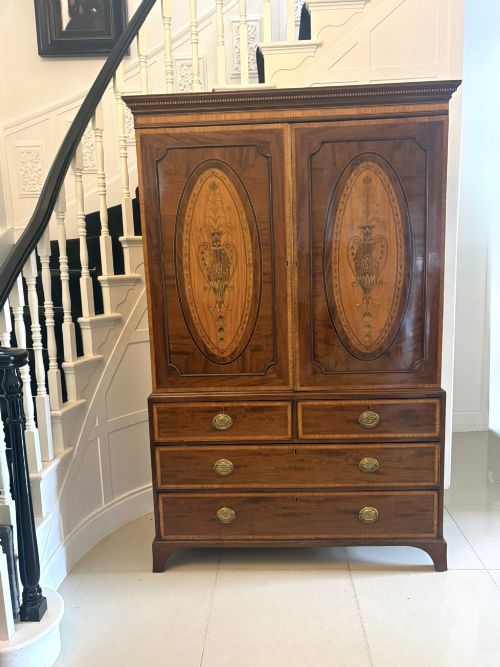
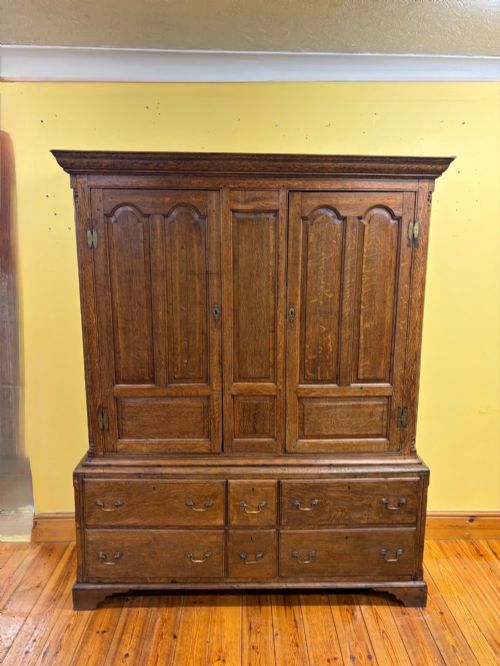
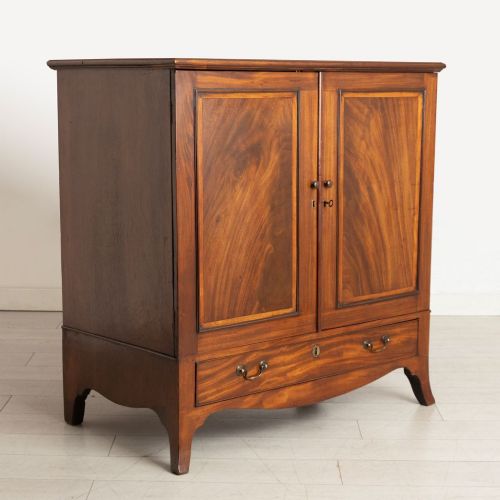
Georgian Housekeepers Cupboard
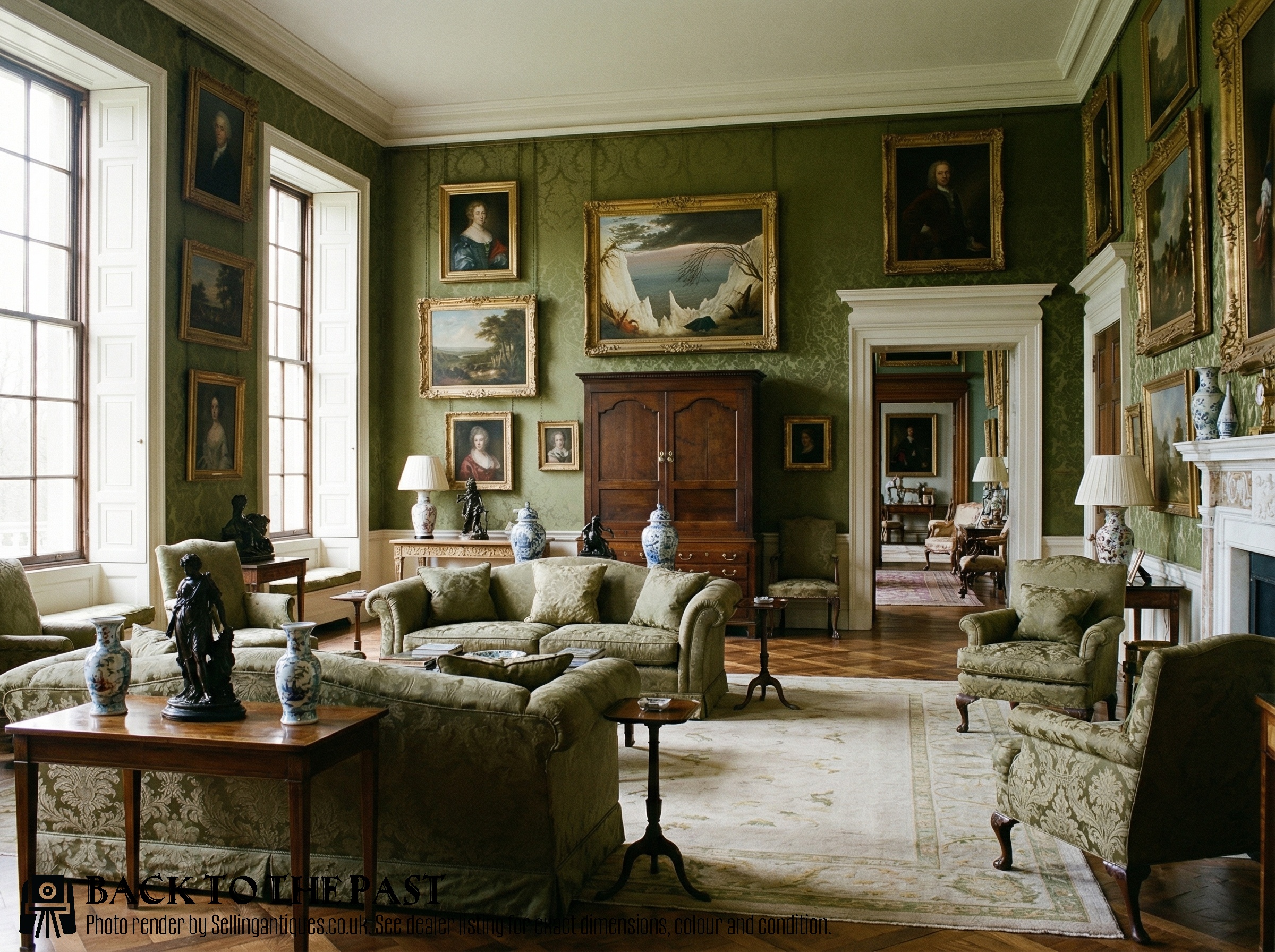
When you set out to acquire a georgian housekeepers cupboard, you are looking for a monumental piece of domestic history built to store linen, provisions and household stores.
Georgian Housekeepers Cupboard
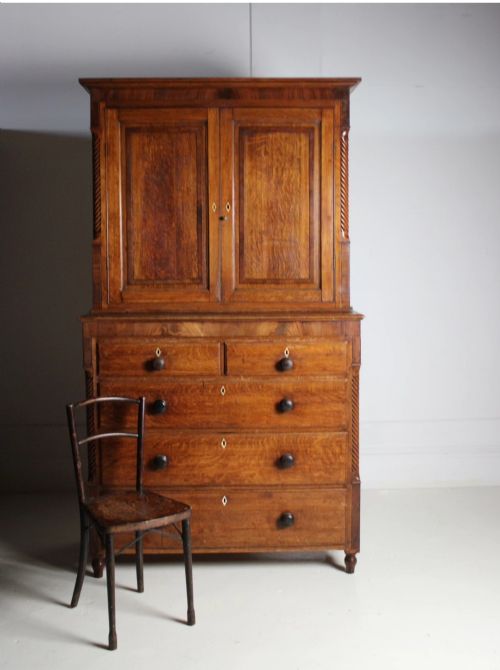
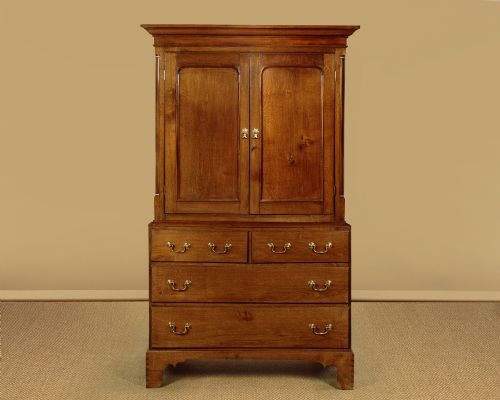
A georgian housekeepers cupboard is typically a large, timber-built storage cabinet originating from the eighteenth and early nineteenth centuries, designed for the functional demands of country houses and domestic estates.
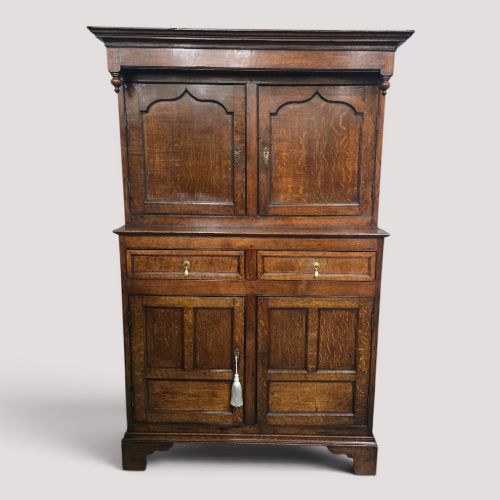
The listings on this page frequently present regional vernacular variations, including Welsh, West Country and Irish examples, alongside formal mahogany pieces from the Georgian period.
Buyers commonly encounter two-part constructions, low press cupboards, livery cupboards and tall wardrobes, often associated with kitchens, pantries and cloakrooms.
Materials and Construction
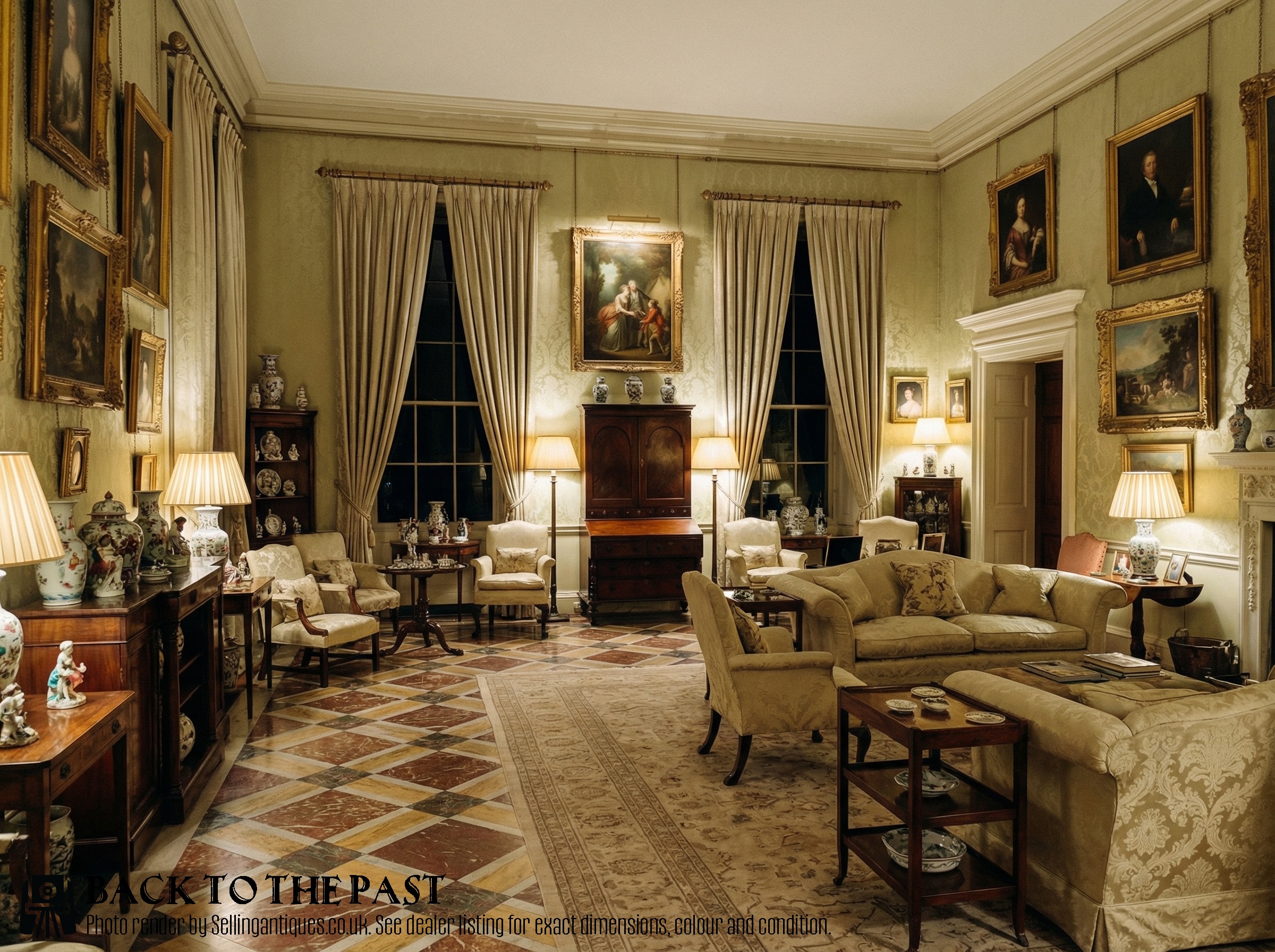
Cabinet makers relied heavily on native hardwoods and softwoods, predominantly oak and pine, frequently complemented by mahogany, satinwood inlay and brass hardware.
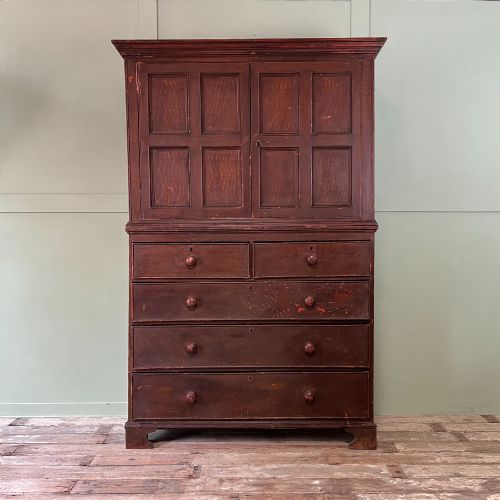
Surfaces show various historical treatments, ranging from the natural grain of golden and brown oak to painted pine finishes in green, blue or later overpainting.
Construction techniques include two-part knockdown framing, panelled doors, and interior sliding trays or hanging spaces tailored for domestic storage.
Georgian Housekeepers Cupboard Retail Price Guide 2026
Typical asking prices for georgian housekeepers cupboard among the pieces listed under this phrase on Sellingantiques today, from the lower quarter to the upper quarter. They describe what is for sale here now, not the wider market.
Several cupboards retain traces of historic paint layers, whispering of forgotten pantries and Victorian kitchen refurbishments.
Evaluating Quality
Quality rests upon the choice of timber, the crispness of architectural mouldings, and the integrity of the original construction rather than mere decorative flourish.
Finer pieces display sophisticated details such as mahogany crossbanding, satinwood inlay, and well-proportioned two-part cornices, whilst vernacular items derive merit from honest, robust proportions and regional character.
The Georgian Housekeepers Cupboard Glossary
- Linen Press
- A tall storage cabinet featuring sliding internal trays traditionally used for storing pressed linen flat before the advent of modern wardrobes.
- Livery Cupboard
- An early form of storage cupboard originally designed for provisions or clothing, often featuring panelled doors or ventilation slats.
- Crossbanding
- A decorative border technique where thin strips of veneer are laid across the grain of the primary wood, commonly seen in mahogany on Georgian furniture.
- Vernacular
- Architecture and furniture built by local craftsmen using regional materials to satisfy practical domestic needs, rather than following strict metropolitan stylistic rules.
- Knockdown
- Furniture constructed to be dismantled into sections for ease of transport and installation in large country houses.
Georgian Housekeepers Cupboard: Frequently Asked Questions
What is a housekeepers cupboard?
A large domestic storage cabinet historically used by a housekeeper to store household linens, dry goods, and provisions.
These versatile pieces combined deep shelving, drawers, and hanging space within large timber frames.
How do I date a Georgian cupboard?
Dating relies on timber choice, construction methods, and stylistic details such as bracket feet, cornices, and brass handles.
Eighteenth-century pieces often utilise solid oak with hand-cut joinery, while later nineteenth-century examples may incorporate pine or mahogany with machine-sawn components.
Where were these cupboards placed?
They originated in the working quarters of large country houses, estate offices, and large kitchens.
Today, buyers frequently place them in modern kitchens, hallways, or bedrooms as statement storage solutions.