

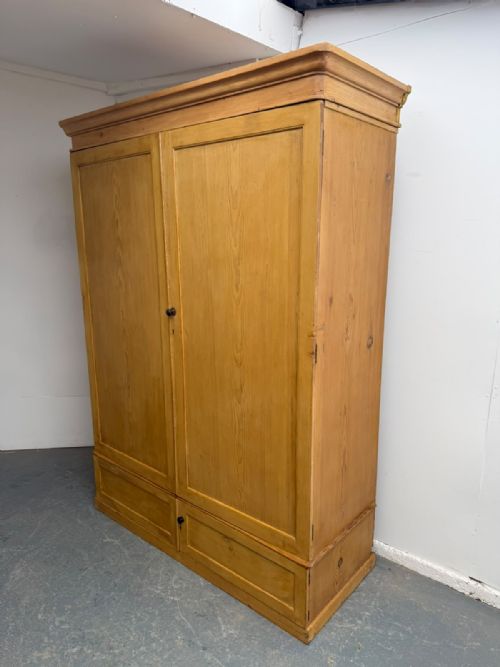
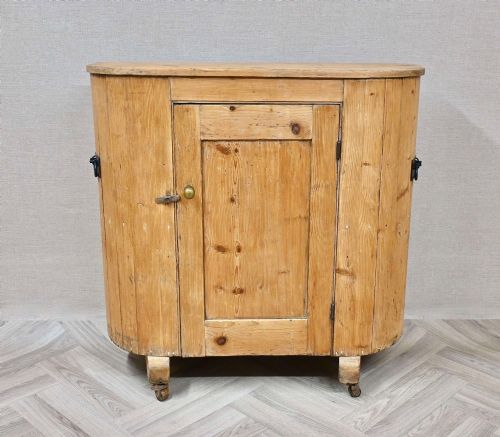
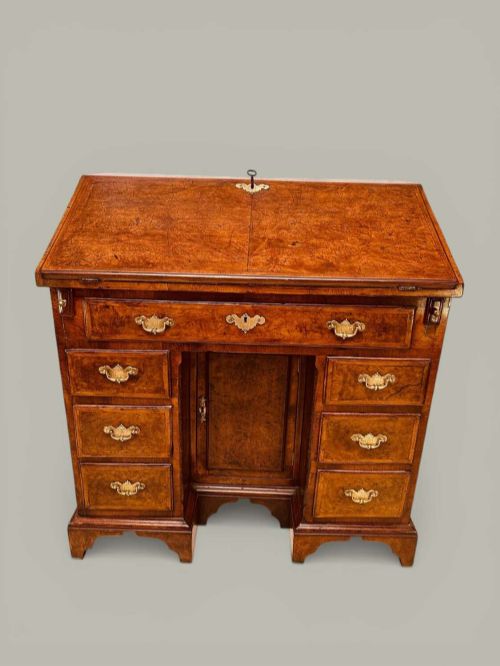
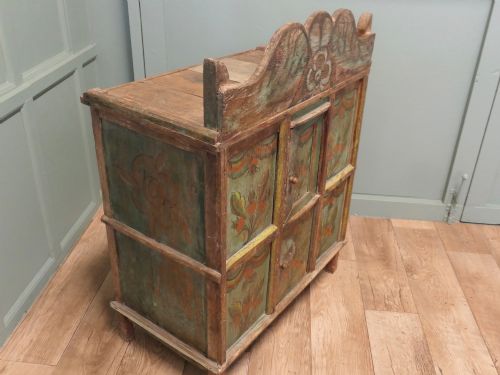
Country Pine Cabinet
These country pine cabinet examples bring honest utilitarian charm to any room, offering robust storage shaped by practical domestic needs.
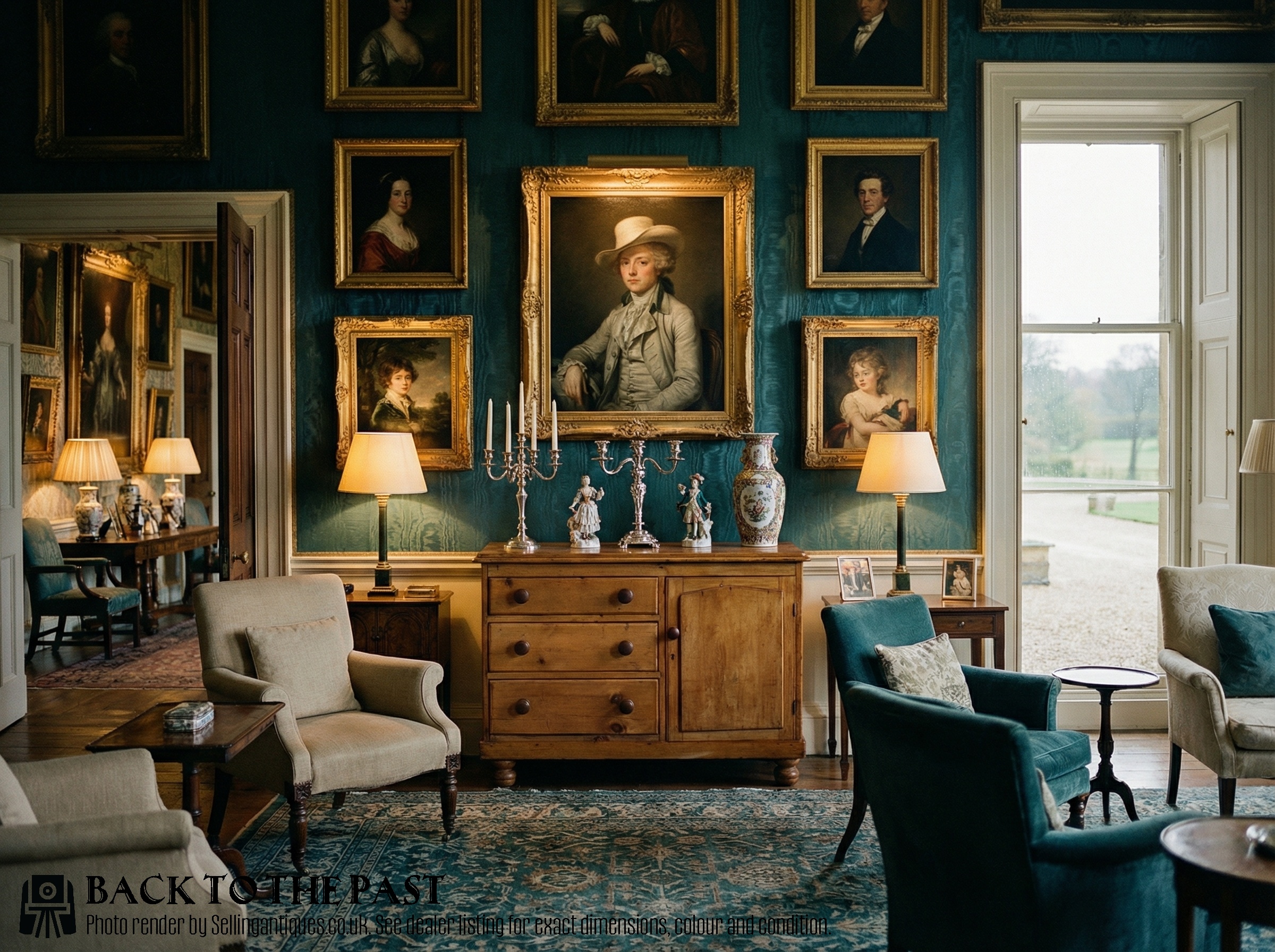
Country Pine Cabinet
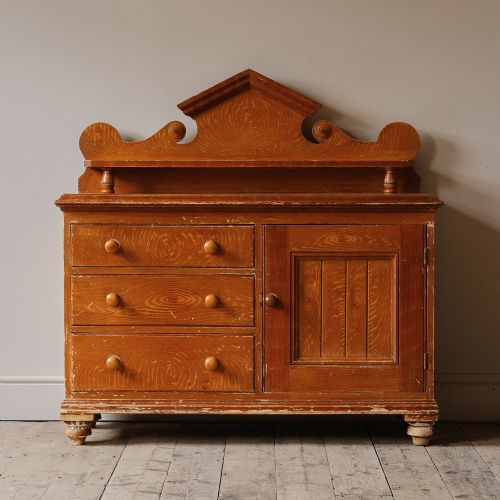
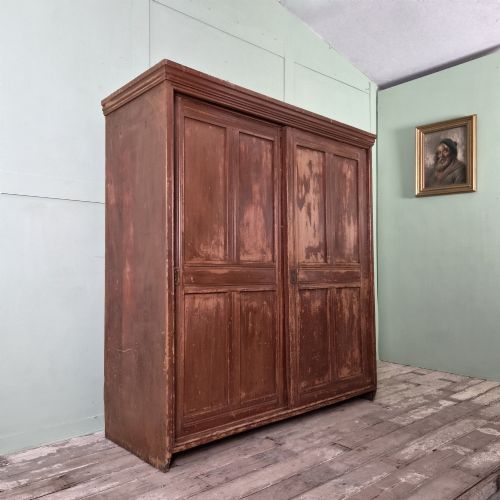
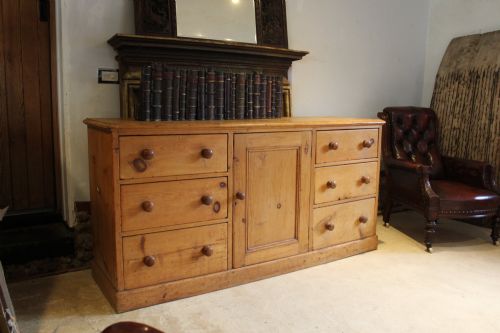
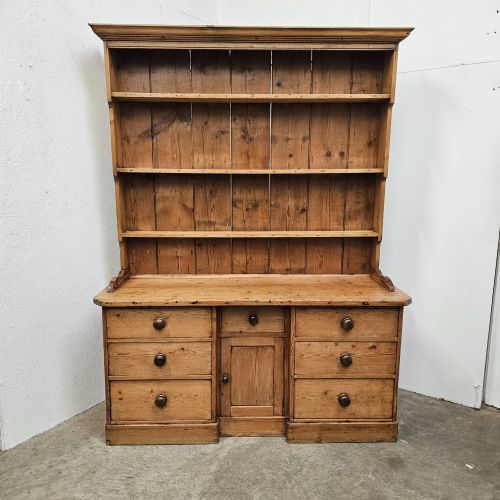
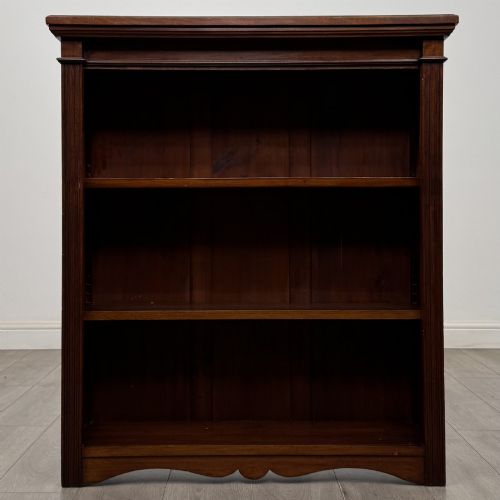
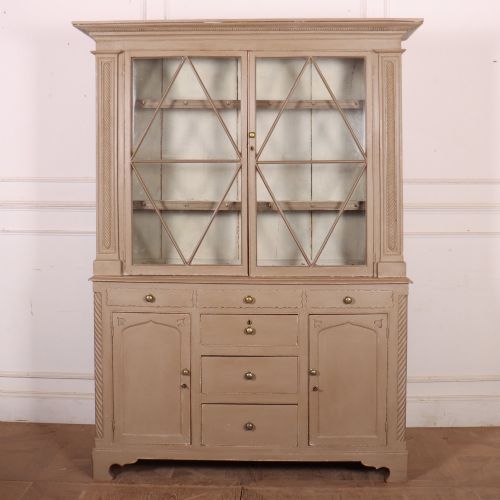
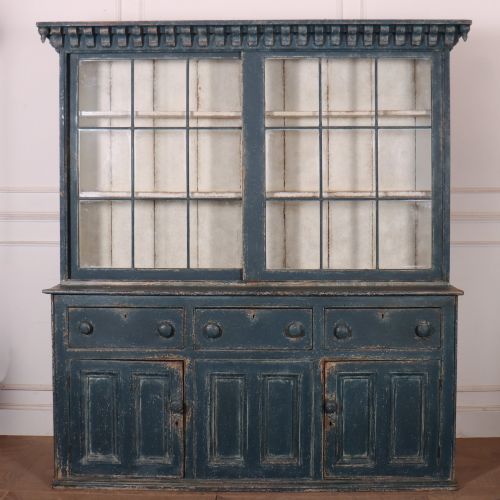
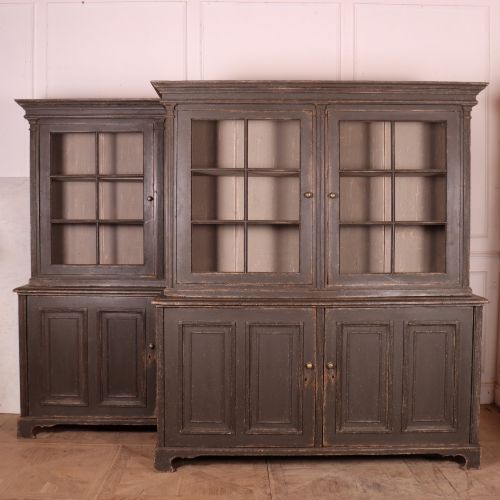
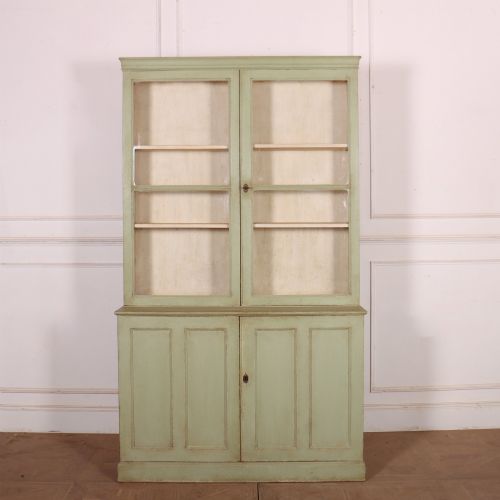
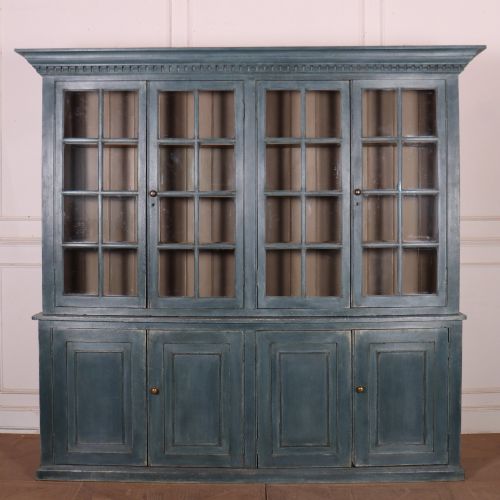
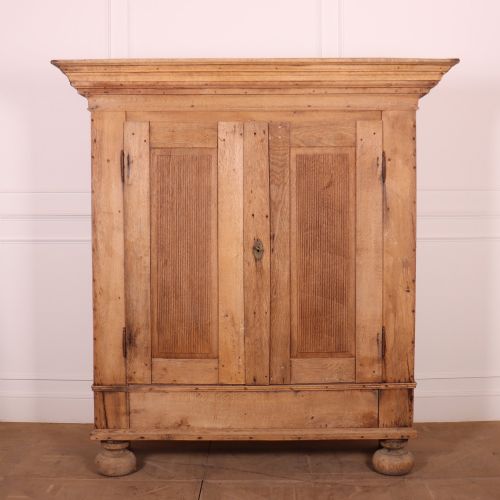
A country pine cabinet encompasses a range of utilitarian storage forms rooted in domestic history. Pieces meeting this search phrase include wall cupboards, dresser bases, glazed display cabinets, and housekeepers cupboards.
The versions most commonly met on this page span the Georgian and Victorian eras, reflecting regional domestic traditions. Examples incorporate specific regional forms such as Welsh country kitchen dressers and corner cupboards.
Makers designed these items for everyday utility rather than formal display. They served busy kitchens and pantries, accumulating layers of character through decades of domestic use.
How they were made
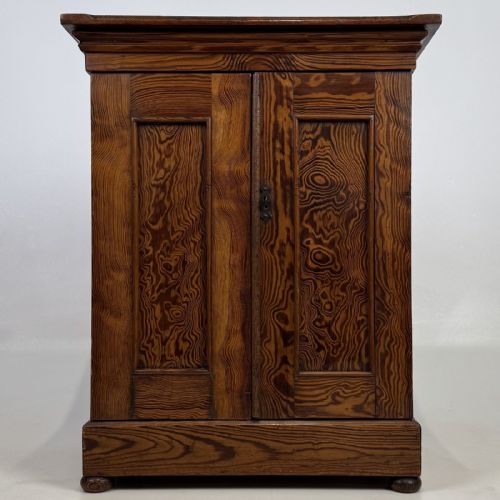
Construction relies primarily on pine and pitch pine, selected for accessibility and workability. Workshops combined these softwoods with iron and brass hardware to build sturdy doors and storage compartments.
Surfaces received various treatments depending on preference and period taste. Cabinet makers applied paint or wax finishes, while others integrated glass panels into upper display sections.
Country Pine Cabinet Retail Price Guide 2026
Typical asking prices for country pine cabinet among the pieces listed under this phrase on Sellingantiques today, from the lower quarter to the upper quarter. They describe what is for sale here now, not the wider market.
Several Welsh kitchen dressers include a dog kennel space beneath the drawers, originally built to keep the working spaniel warm.
What varies in quality
Quality rests in the integrity of the original construction and the proportion of the piece. Better examples maintain balanced dimensions across dresser bases and display racks without clumsy alterations.
The treatment of surfaces also distinguishes the range. Original paint or patinated waxed pine surfaces command greater interest than stripped or overly modernised timber.
The Country Pine Cabinet Glossary
- Pitch pine
- A resinous pine variety known for distinct grain patterns and durability. It frequently appears in nineteenth-century country furniture construction.
- Dresser base
- The lower section of a kitchen dresser featuring drawers and cupboards. These lower units often stand alone as sideboards.
- Display cabinet
- A glazed storage piece designed to showcase crockery or pantry items. Upper doors incorporate glass panes to protect contents while keeping them visible.
- Housekeepers cupboard
- A large storage piece historically used for linen or dry goods. These tall cupboards provide substantial enclosed shelving.
Country Pine Cabinet: Frequently Asked Questions
What rooms suit a country pine cabinet?
These pieces fit naturally into kitchens, dining rooms, and hallways where practical storage is needed. Their straightforward timber construction complements both rustic and traditional interiors.
They also work well as standalone storage in living spaces. The generous proportions of dresser bases and wall cupboards provide useful surface area alongside enclosed storage.
How do I distinguish Georgian from Victorian pieces?
Georgian examples often display simpler, tighter proportions and older construction methods. They frequently feature hand-planed boards and older iron hinges.
Victorian pieces tend to be heavier, sometimes incorporating glazed display sections or elaborate dresser racks. The scale of nineteenth-century country furniture also grew more substantial over time.
Were these cabinets painted originally?
Many country pieces received coats of paint to protect the softwood timber or to match changing interior colour schemes. Historic painted finishes add significant character to surviving examples.
Alternatively, many surfaces were waxed to highlight the natural grain of the pine. Both treatments reflect traditional domestic maintenance practices.
How should I care for waxed pine?
Waxed pine requires occasional treatment with a quality beeswax to nourish the dry timber. Avoid placing these cabinets near direct heat sources to prevent the wood from splitting.
Routine dusting with a soft cloth maintains the surface patina. Harsh chemical cleaners should be avoided entirely to preserve the historic finish.