




English Pine Furniture
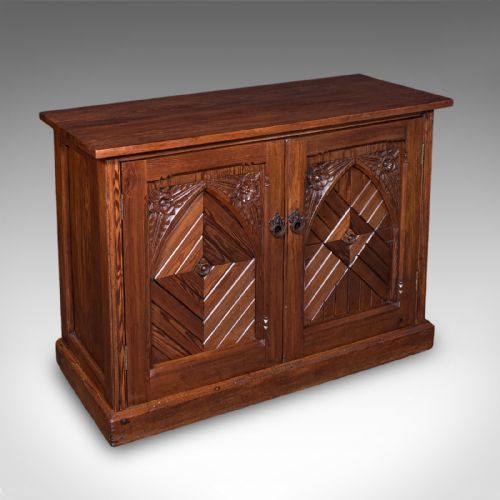
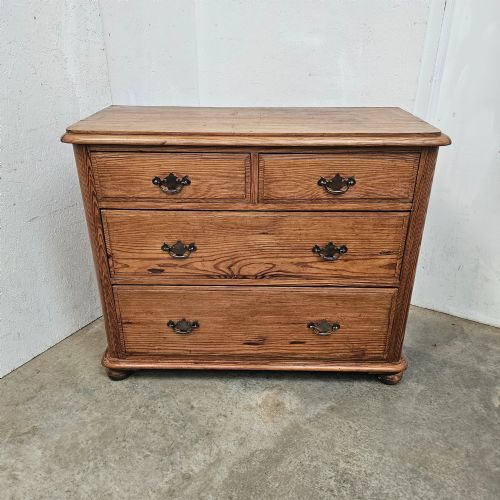
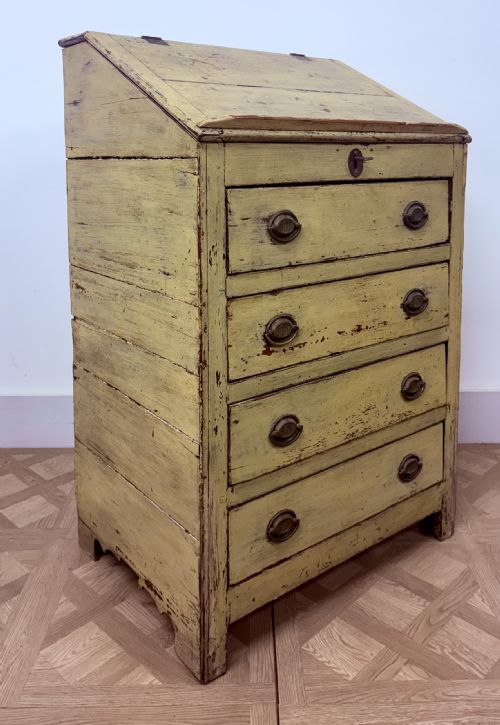
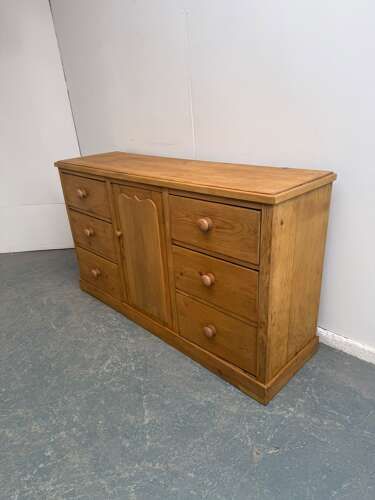
English pine furniture brings honest utility and vernacular charm to a room, ranging from scrubbed kitchen dressers to painted country house cupboards.
English Pine Furniture
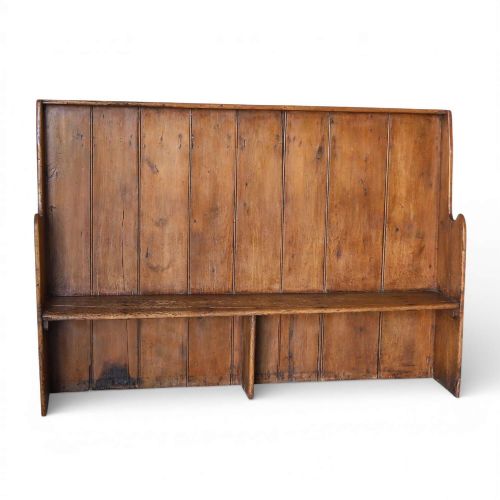
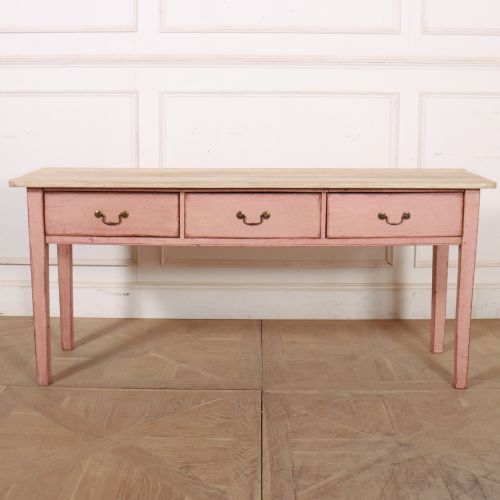
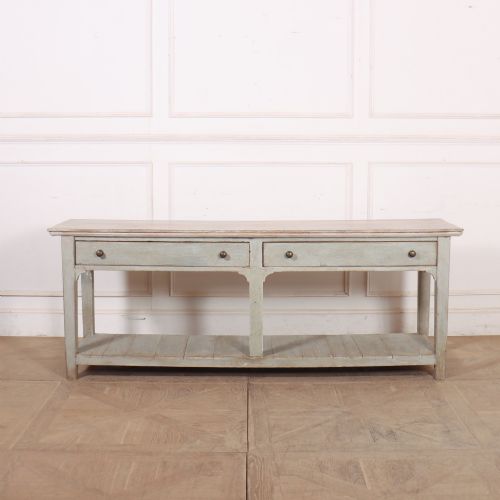
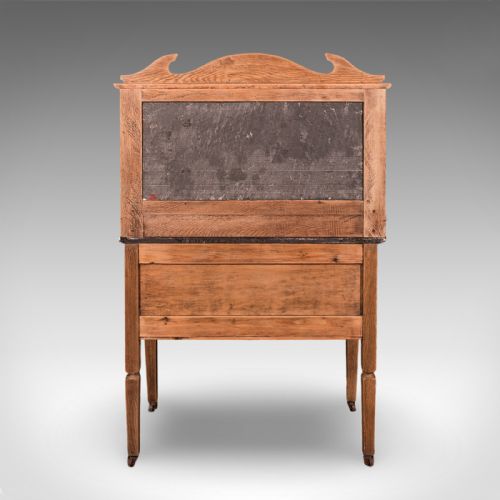
When buyers search for english pine furniture, they encounter a robust domestic tradition spanning chest of drawers, settles, washstands, and dressers. These utilitarian objects served everyday household storage and seating needs in farmhouses, rectories, and townhouses.
The selections on this page are dominated by 19th-century and Victorian pieces, alongside earlier Georgian examples from the 18th century. Forms vary from simple provincial storage cupboards to architectural bookcases and kitchen dresser bases.
Provincial workshops and country makers constructed these pieces for practical service rather than formal display. Over decades of domestic use, the timber has acquired distinct character through patination, paint, and wax finishes.
Materials and construction
Makers relied primarily on native pine and pitch pine, often supplementing the softwoods with brass hardware, ceramic details, and cast iron supports. Surfaces frequently received layers of paint, scumble finishes, or wax to protect the wood and alter its appearance.
Construction techniques prioritised durability, utilising pegged joints, dovetails for drawer construction, and robust framing suited to heavy domestic service. Painted surfaces ranged from simple single-colour coats applied by local tradesmen to decorative schemes executed on country house furniture.
Among the full-sized settles and dressers sits a tiny miniature Windsor chair, proving that country makers took equal care with playthings.
Assessing quality and character
Quality in these pieces rests upon the integrity of the original construction, timber selection, and the survival of early or original surface treatments. Pieces retaining untouched paint finishes, scumble work, or natural honey-brown wax patination stand apart from stripped or heavily altered examples.
Proportion and restrained detail separate fine vernacular pieces from basic utility items. Subtle architectural elements, such as Corinthian columns, well-proportioned drawer configurations, or original brass pulls, elevate a standard chest or cupboard into a more accomplished example of English country craftsmanship.
Melissa White
The English Pine Furniture Glossary
- Scumble paint
- A translucent glaze brushed over a base coat and manipulated with combs or rags to simulate richer timbers or create textured patterns.
- Settle bench
- A high-backed wooden seat designed with solid panels to block draughts in provincial halls and tavern interiors.
- Housekeeper's cupboard
- A large storage piece with upper and lower compartments traditionally used for linen, dry goods, and household provisions.
- Pitch pine
- A dense, resinous softwood with pronounced grain patterns utilised for robust furniture and architectural fittings during the 19th century.
- Potboard dresser
- A kitchen sideboard featuring an open lower shelf specifically positioned to hold heavy earthenware and metal pots.
English Pine Furniture: Frequently Asked Questions
How do I care for waxed pine furniture?
Maintain waxed surfaces by applying a traditional beeswax polish sparingly and buffing with a soft cloth to nourish the timber. Avoid placing these pieces near direct heat sources or strong sunlight, which can dry out the soft wood and crack old finishes.
Clean surfaces with a dry or barely damp cloth rather than chemical sprays that strip historical wax. Regular gentle maintenance preserves the natural patination built up over decades of use.
What is the difference between deal and pine?
In British vernacular furniture, deal generally refers to softwood timber cut from pine or fir trees imported from Northern Europe. Carpenters used the terms interchangeably for structural carcases and secondary woods in drawers and backs.
Pitch pine, by contrast, is a specific resinous North American variety noted for its heavy weight and distinct dark grain. Both materials served practical domestic roles but possess different visual weights.
Are painted finishes usually original?
Many pieces retain later coats of paint applied as fashions or room colour schemes changed over generations of domestic service. Original paint survives when protected beneath later layers or preserved in less exposed environments.
Inspect corners, interiors, and hard-to-reach mouldings to identify underlying pigment layers. Traces of early scumble glaze or original green and white paint indicate how the piece looked in its first setting.
How can I date an old pine chest?
Examine the drawer construction for hand-cut dovetails, tool marks, and secondary woods like oak or deal. Earlier Georgian chests often feature solid timber backs and side panels, whereas later Victorian examples show machine-sawn components.
Hardware styles, lock types, and the presence of original feet or bracket bases provide further chronological clues. Gradual wear patterns and the depth of the wax patination corroborate the age indicated by construction methods.