
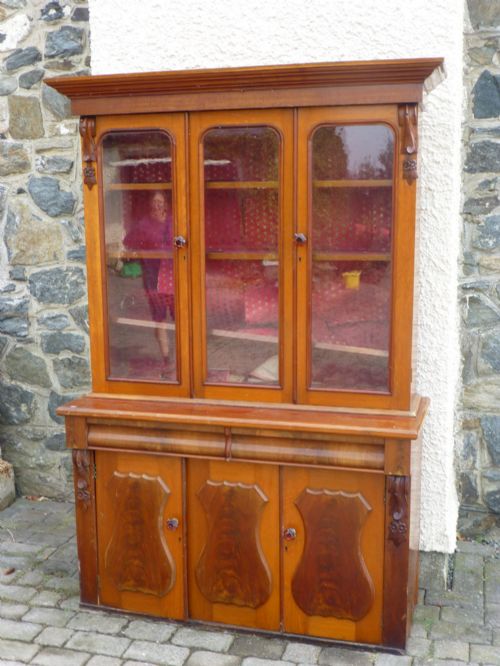
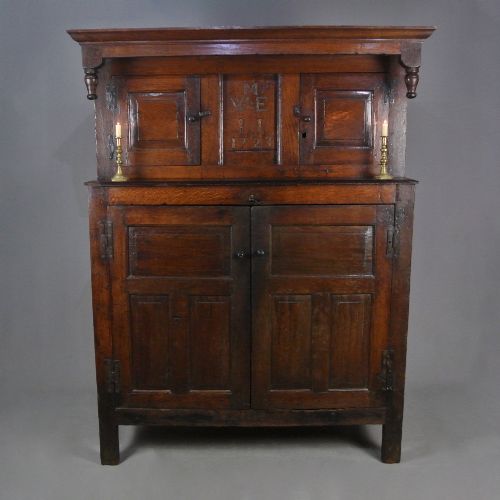
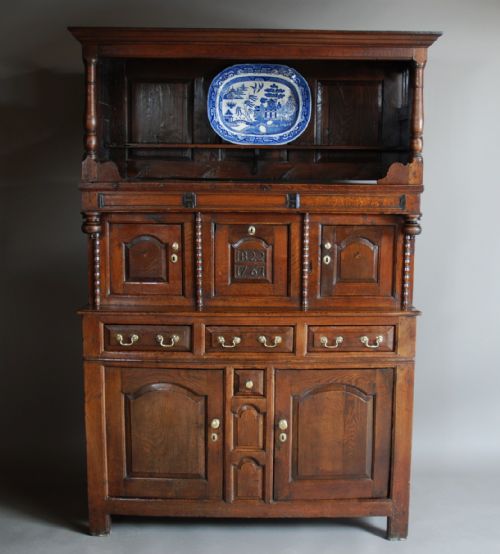
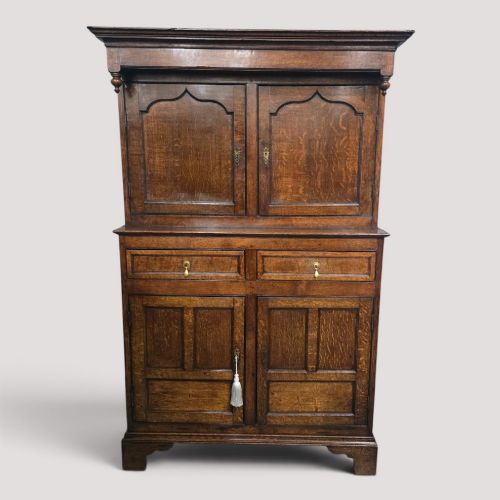
Brown Oak Press
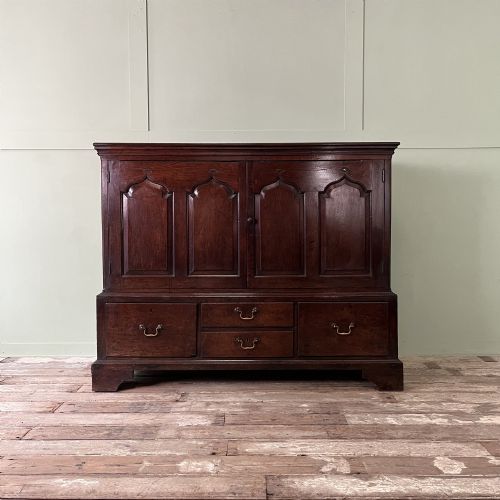
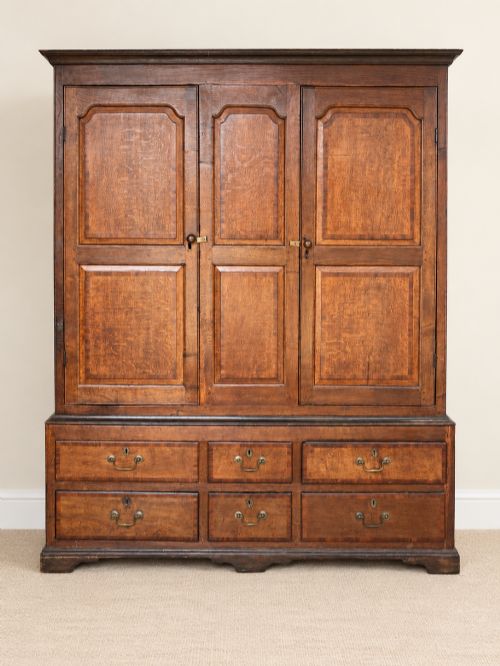
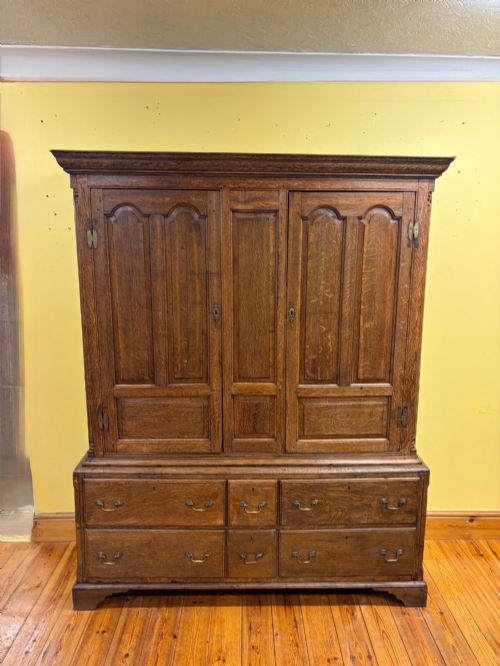
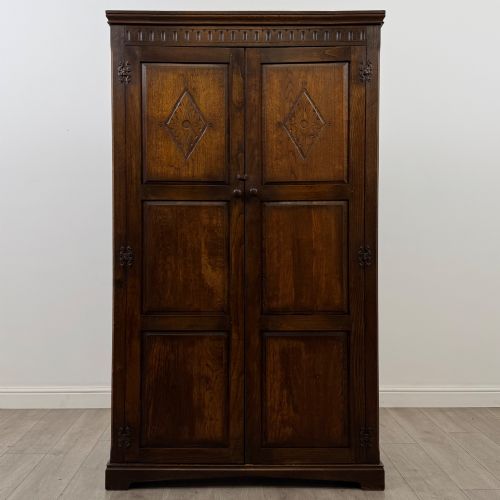
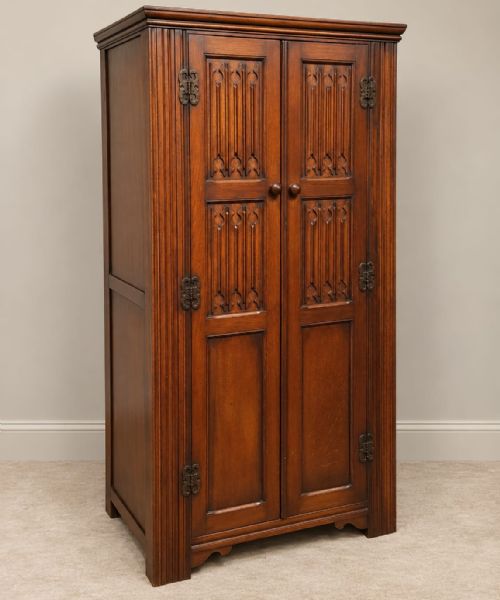
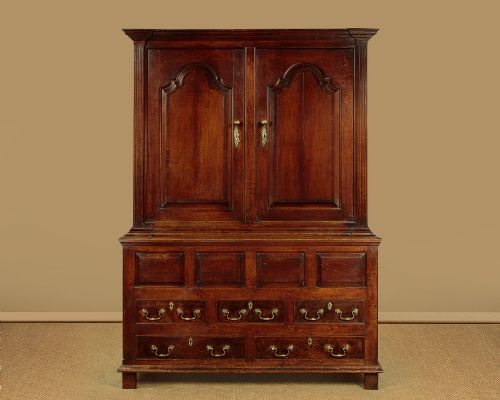
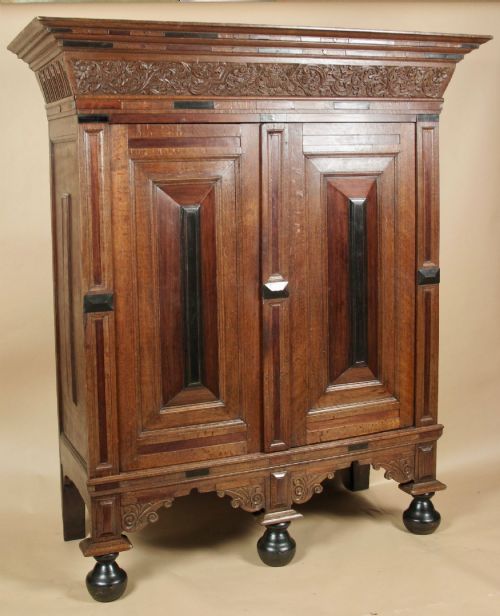
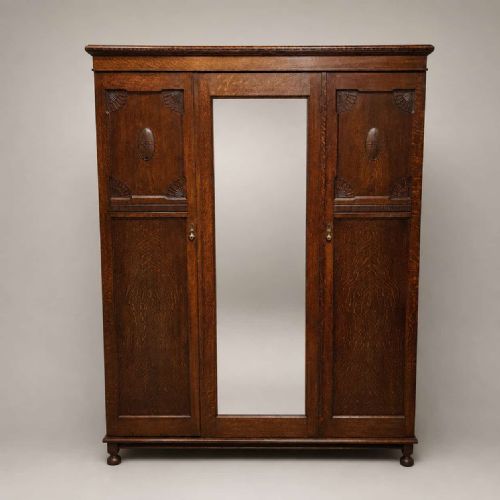
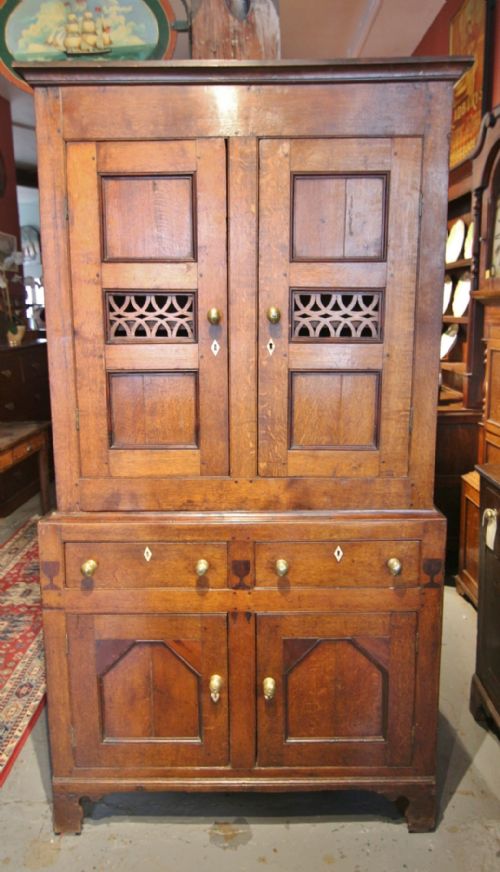
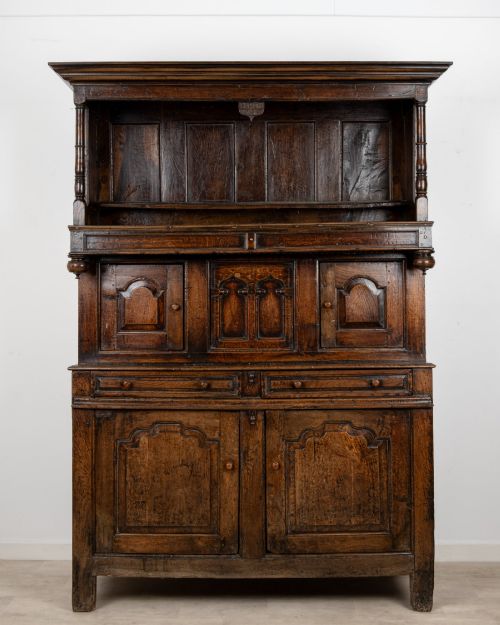
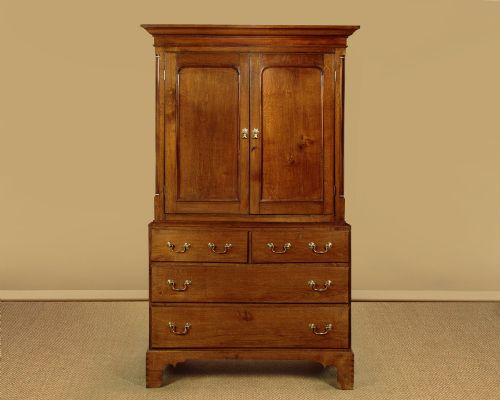
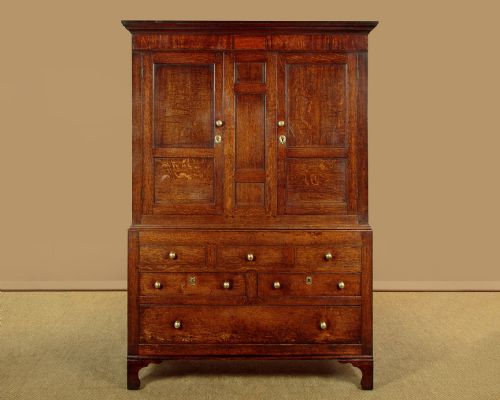
Brown oak press pieces are substantial Georgian country cupboards and storage furniture crafted in rich timber, prized for their deep grain and practicality.

Understanding brown oak press furniture
A brown oak press represents heavy storage furniture originating primarily from the Georgian period, including housekeepers cupboards, kitchen cupboards, and court cupboards. These pieces reflect robust domestic design from the eighteenth century and the early nineteenth century.
Visitors browsing this selection encounter regional Welsh vernacular work alongside English country pieces. The forms range from small dwarf cupboards to large court cupboards designed for linen and provisions.
Materials and construction
Makers utilised solid oak timber throughout these structures, often highlighting the natural figuring and deep colour of brown oak. Carpenters built these press cupboards using traditional joinery methods suited to heavy daily use.
Metal hardware such as brass fixtures frequently appears on these cupboards for hinges and handles. The joinery combines pegged frames with panelled doors typical of Georgian country workshops.
Retail Price Guide 2026
Typical UK retail prices for brown oak press, calculated from the Sellingantiques database of over a million retail prices indexed since 2003. This retail price guide relies exclusively on Sellingantiques data; no external sources or auction records are used, so the figures do not describe the wider market.
Housekeepers kept their keys fastened securely to their apron strings, guarding the cupboard contents from curious staff.
Assessing quality and proportion
Quality in a brown oak press rests on the richness of the timber grain and the survival of original brass hardware. Finer pieces display careful selection of figured oak boards and well-balanced proportions.
Regional variations also influence character, with Welsh vernacular examples showing distinct regional styling compared to standard English Georgian pieces. The integrity of the original construction separates superior examples from heavily altered ones.
The Brown Oak Press Glossary
- Brown oak
- Timber derived from standard oak trees affected by a fungus that colours the wood a deep rich brown. This material is highly sought after for its distinctive warmth and figuring.
- Court cupboard
- An antique enclosed storage piece, often featuring upper and lower tiers with panelled doors. These date predominantly from earlier periods and country workshops.
- Housekeepers cupboard
- A large storage unit traditionally utilised for linens, dry goods, and household accounts. They feature multiple doors and internal shelving.
- Welsh vernacular
- Regional furniture styles originating from Wales that display local traditions and practical rural construction. These pieces often utilise native oak.
- Dwarf cupboard
- A lower height storage cabinet designed to fit beneath windows or in smaller rooms. They maintain the robust construction of larger press cupboards.
Frequently Asked Questions
What is a brown oak press used for?
These large storage cupboards serve practical storage functions in modern homes much as they did in the eighteenth century. They store linens, tableware, or everyday items while adding traditional character to a room.
Their sturdy construction makes them reliable for daily use. Many people utilise them in kitchens, hallways, or living spaces as statement storage.
How do I date a brown oak press?
Dating relies on examining construction methods, timber patination, and stylistic details typical of the Georgian period. Hand-cut joints and original brass hardware provide key clues to the age of the piece.
Regional variations in Welsh vernacular pieces also help narrow down the period. Comparing panel construction and mouldings against documented examples confirms the era.
Are these cupboards English or Welsh?
The listings include both English country pieces and Welsh vernacular examples from the eighteenth century. Regional characteristics often distinguish Welsh workshop traditions from English ones.
Local timber choices and subtle design differences indicate the likely geographic origin. Both traditions share a reliance on solid oak and practical form.
How do I care for brown oak furniture?
Maintenance involves keeping the timber away from direct heat sources and sudden humidity changes to prevent wood movement. Regular dusting with a soft cloth preserves the natural finish.
Applying traditional wax occasionally nourishes the oak and enhances the surface grain. Avoiding harsh chemical cleaners protects the historic patination.