


18th Century Welsh Furniture
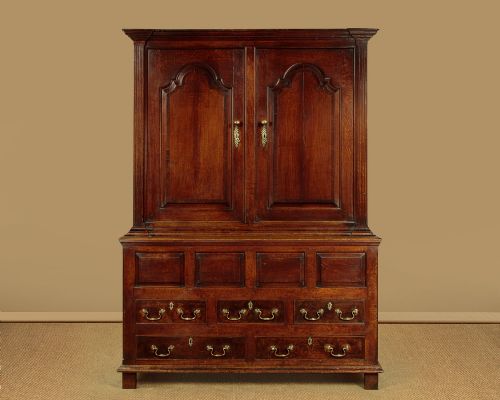
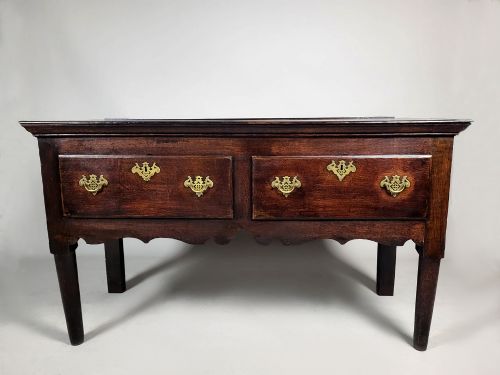
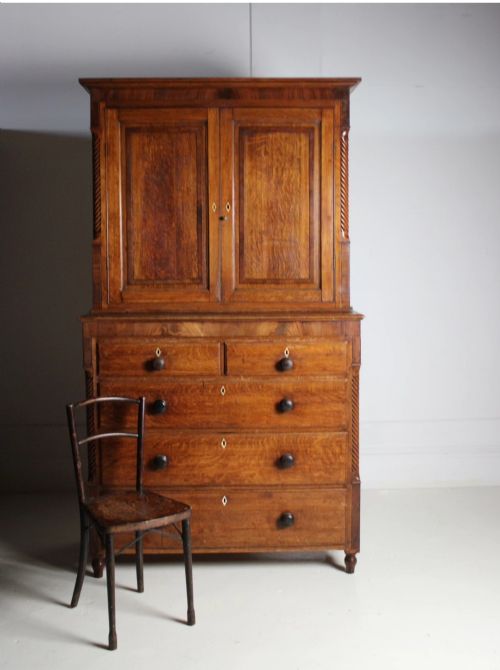
18th century welsh furniture comprises robust oak dressers, tridarns, and coffer baches built for practical country use by regional cabinetmakers.

18th Century Welsh Furniture
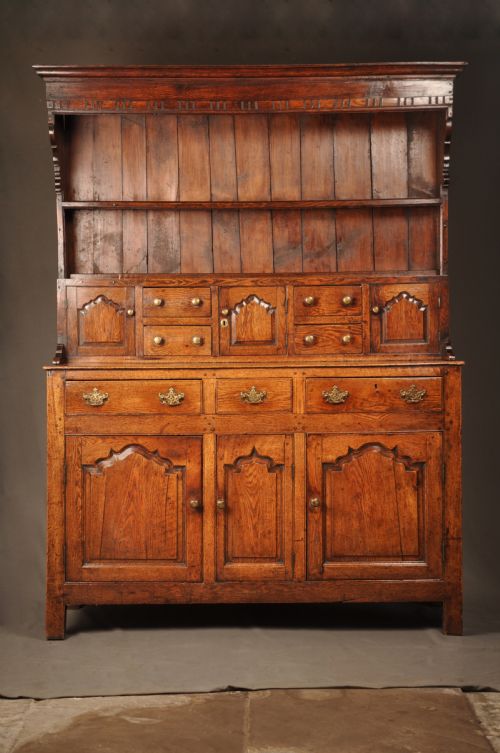
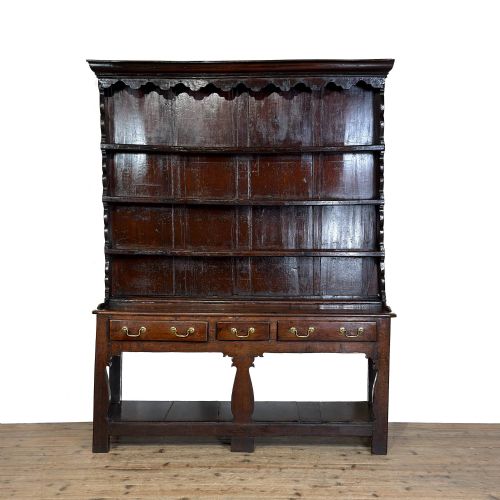
18th century welsh furniture encompasses heavy domestic timber pieces built across rural workshops, featuring forms designed for daily utility. Dressers, dresser bases, and food cupboards dominate the selection, alongside smaller pieces such as coffer baches and box settles.
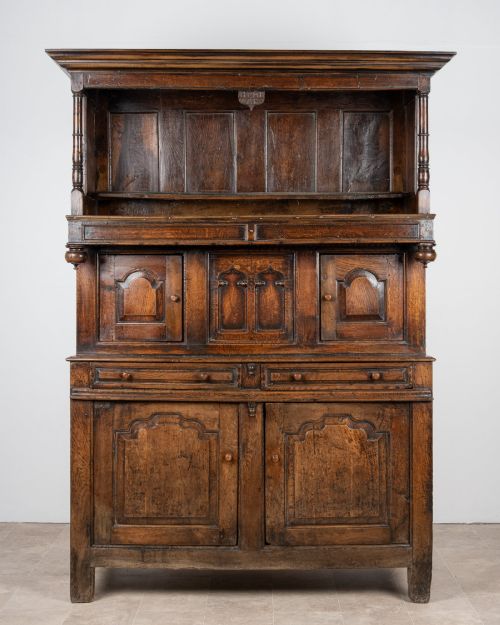
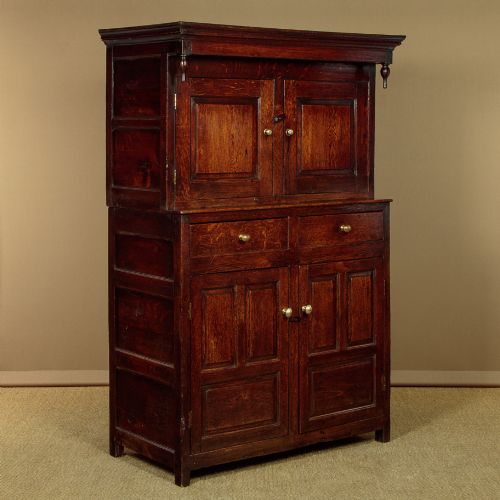
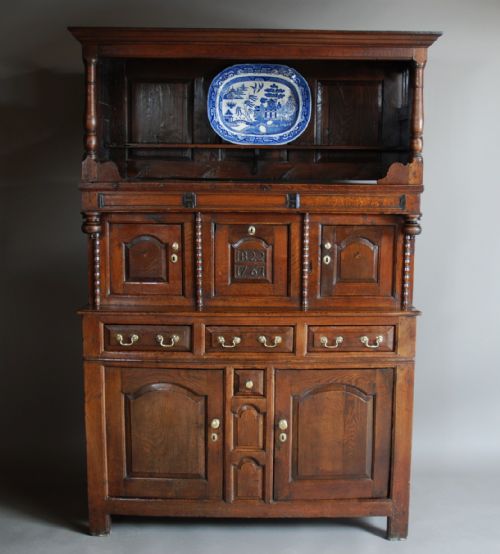
The regional diversity appears in distinct local forms like the multi-tiered cwpwrdd tridarn and deuddarn originating from areas such as Snowdonia. Makers utilised native hardwoods to construct sturdy items intended to last generations within Welsh homes.
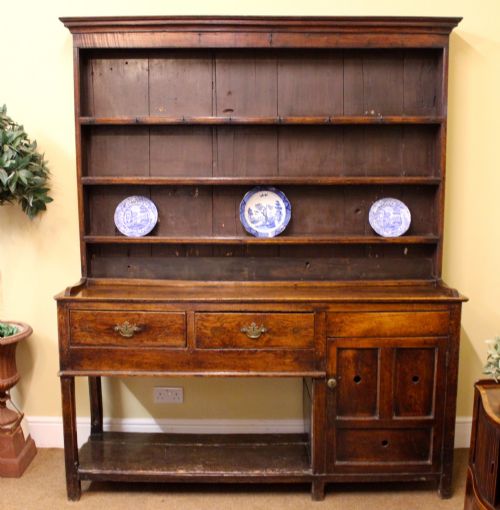
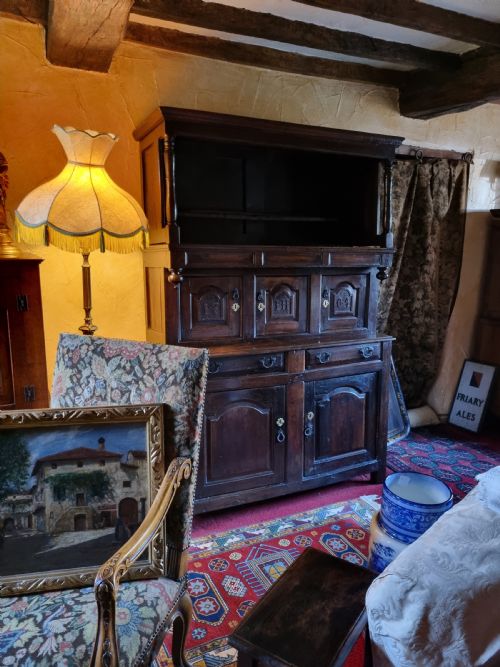
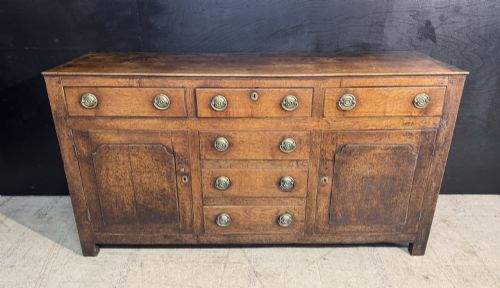
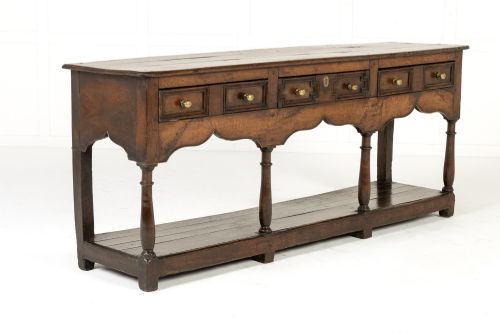
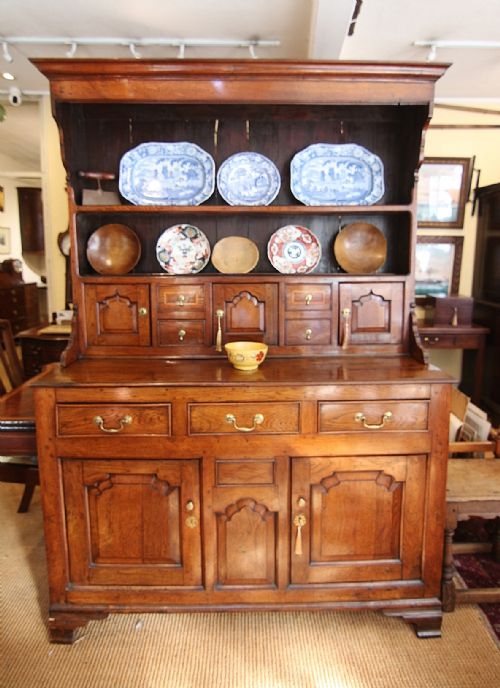
Buyers encountering this material will frequently find oak dressers with open plate racks, potboards, and panelled cupboards. These utilitarian forms reflect the specific domestic storage needs of rural households during the Georgian period.

What varies in quality
Quality rests in the integrity of the original timber structure and the depth of surface patination accumulated over time. Pieces retaining their original brass handles, iron butterfly hinges, and untouched boarded backs command greater appreciation.
Proportion and regional detailing set finer examples apart from plainer utilitarian work. Regional characteristics, such as specific cornice mouldings or inlaid detail found on Snowdonia pieces, distinguish standard vernacular items from exceptional regional expressions.
18th Century Welsh Furniture Retail Price Guide 2026
Typical asking prices for 18th century welsh furniture among the pieces listed under this phrase on Sellingantiques today, from the lower quarter to the upper quarter. They describe what is for sale here now, not the wider market.
Listings demonstrate the frequent use of native oak, elm, and ash across regional Welsh forms dated to the eighteenth century.

The 18th Century Welsh Furniture Glossary
- Cwpwrdd Tridarn
- A three-tier Welsh cupboard featuring an enclosed upper section, an open middle stage with turned spindles, and cupboards below. This form represents one of the most ambitious achievements of rural Welsh joinery.
- Coffer Bach
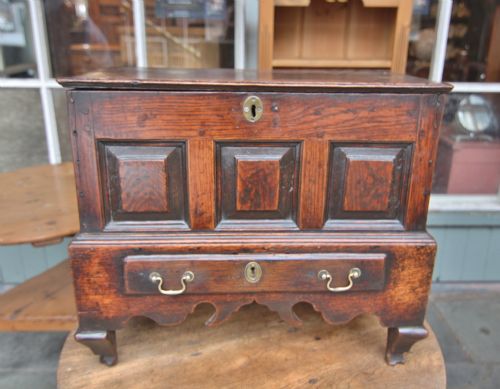
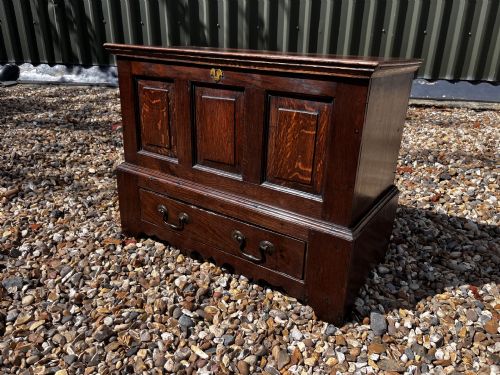
- A small tabletop or miniature chest used for holding valuables or documents. These diminutive oak boxes often repeat the panelled construction of larger blanket chests.
- Potboard
- A lower slatted or boarded shelf incorporated into the base of a dresser. This open level allowed wet pottery and heavy kitchen utensils to dry.
- Box Settle
- An enclosed wooden bench featuring a high panelled back and a hinged seat concealing storage space below. These seats provided protection against draughts in rural cottages.
- Cwpwrdd Deuddarn
- A two-part Welsh press cupboard featuring panelled upper and lower doors. This form preceded or accompanied the tridarn in domestic storage.
18th Century Welsh Furniture: Frequently Asked Questions
What is a cwpwrdd tridarn?
A cwpwrdd tridarn is a traditional three-piece Welsh cupboard divided into an upper canopy, a middle display tier with spindles, and a lower base section.
These large storage units served as the focal point of rural Welsh farmhouse kitchens during the Georgian era.
How do I care for antique oak?
Antique oak benefits from simple cleaning with a soft cloth and occasional applications of traditional beeswax to nourish the dry timber.
Keep these pieces away from direct heat sources and sudden humidity changes to prevent the old wood from splitting.
What is a coffer bach?
A coffer bach is a small Welsh oak chest, often constructed with detailed paneling and fitted with a hinged lid for storing precious documents or linen.
Tradition suggests these miniature chests served as marriage gifts or presentation pieces within rural communities.
Where were these pieces made?
These items were made in rural workshops and farmsteads across Wales, with distinct regional styles developing in areas such as Snowdonia and Llanrwst.
Local cabinetmakers relied on available native timbers like oak, elm, and ash to construct durable domestic furnishings.