



Small Oak Chest
A small oak chest condenses centuries of domestic storage into compact proportions that suit modern rooms.
Small Oak Chest
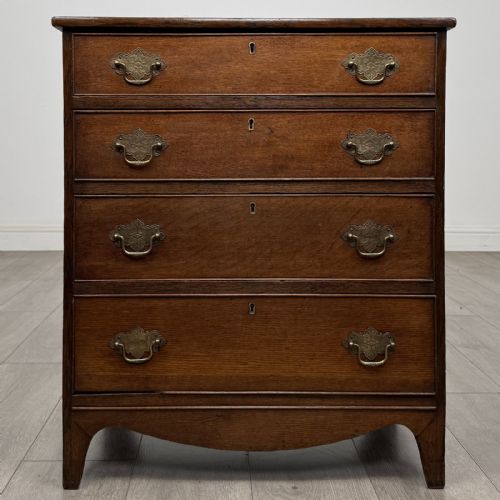
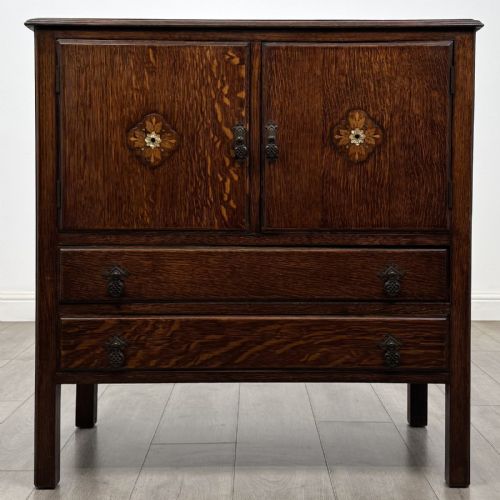
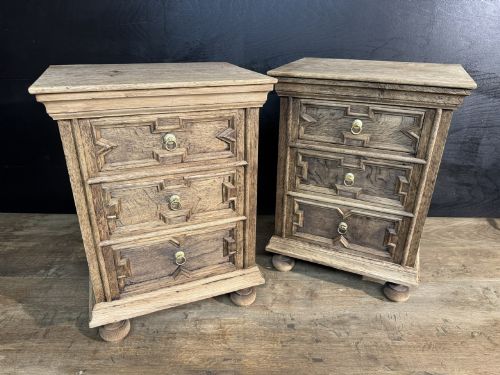
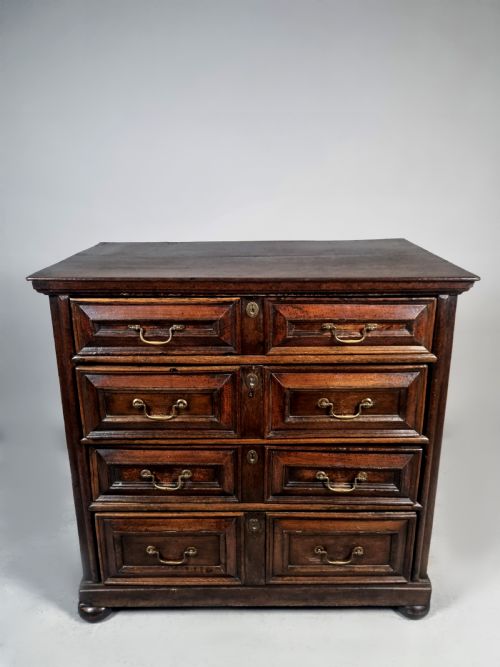
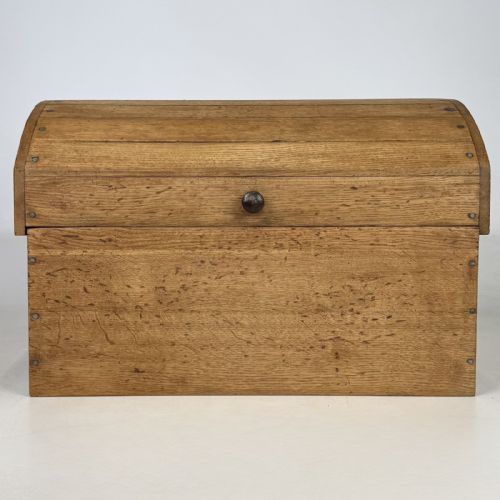
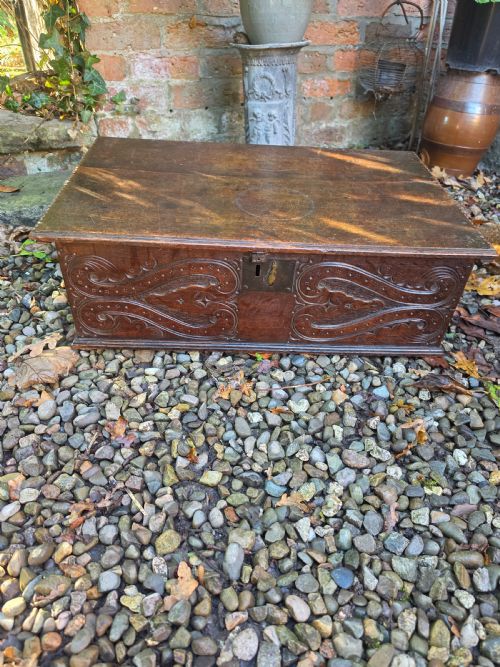
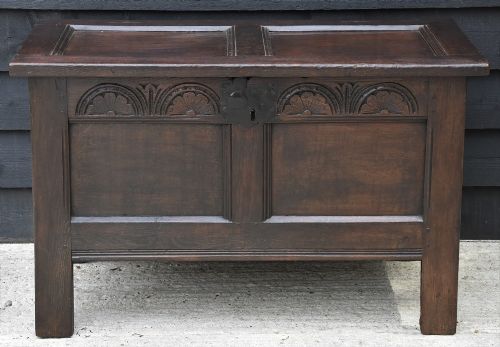
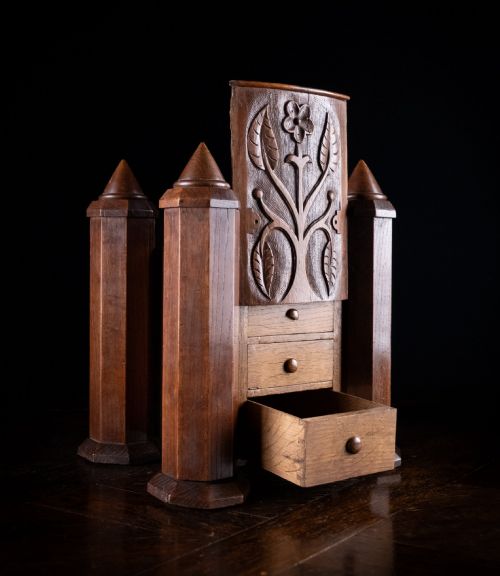
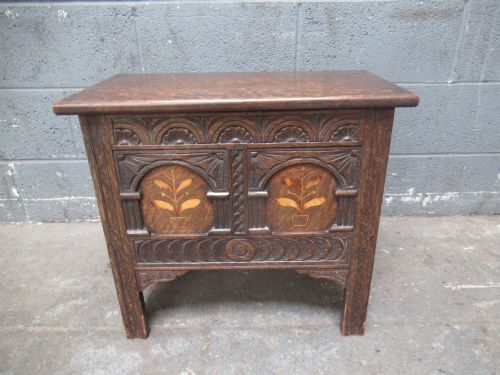
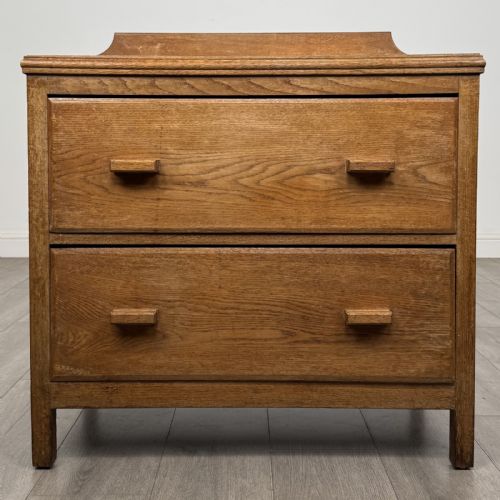
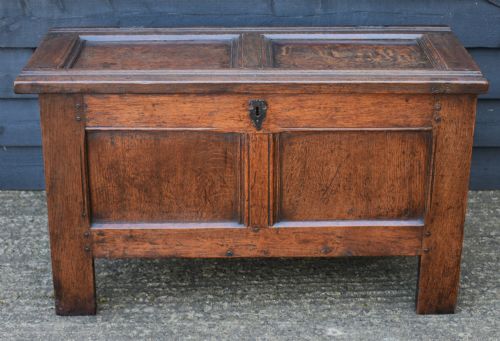
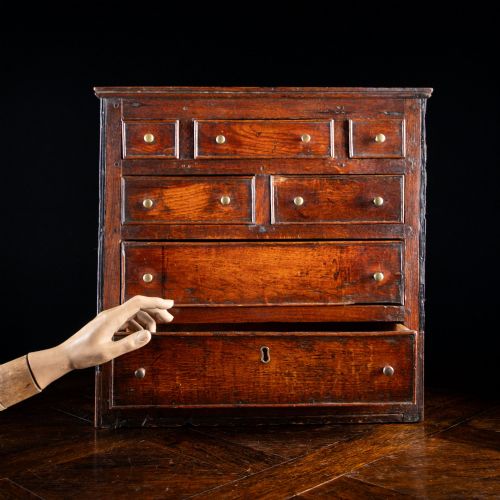
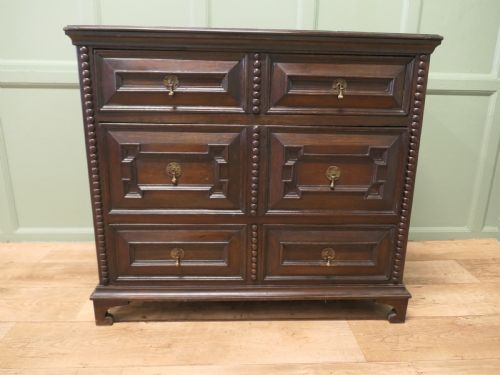
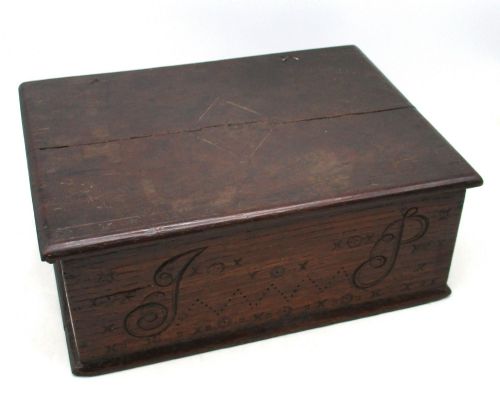
A search for a small oak chest reveals a diverse assortment of domestic furniture, ranging from early document boxes and panelled coffers to later chests of drawers and bedside cabinets. Buyers encounter pieces spanning several centuries, with vernacular forms such as the Welsh coffer bach sitting alongside formal Georgian bachelor chests and 1930s Art Deco designs.
The material palette centres firmly on timber, with solid oak dominating the earlier periods alongside occasional pairings with elm, ash, or pine. Iron and brass hardware frequently accentuates the wooden structures, appearing on hinges, handles, and locks across centuries of production.
Origins vary from English country workshops to continental examples, including Flemish coffers and pieces shaped by regional British traditions. These items served multiple historic functions, operating as travelling strong boxes, spice cupboards, blanket chests, and miniature tabletop storage units.

Materials and construction
Carpenters constructed these pieces using solid oak, often complemented by secondary timbers like pine or mahogany depending on the period and form. Joinery techniques evolved from early panelled construction with pegged joints to later dovetailed drawer construction and applied mouldings.
Surface treatments vary from waxed finishes that highlight the natural grain to older panelled surfaces displaying centuries of handling. Metal components such as brass drop handles, iron hinges, and original locks are integrated directly into the wooden frames.
Small Oak Chest Retail Price Guide 2026
Typical asking prices for small oak chest among the pieces listed under this phrase on Sellingantiques today, from the lower quarter to the upper quarter. They describe what is for sale here now, not the wider market.
One curious 18th-century piece doubles as a close stool disguised as a small bedside chest.
Quality and proportion
Quality rests in the retention of original proportions, surface patination, and unaltered hardware such as brackets and handles. Pieces that retain their early finishes and structural integrity command greater attention than those with extensive replacement timber.
The refinement of the joinery and carving distinguishes standard vernacular items from exceptional cabinetwork. Crisp linenfold panels, well-defined mouldings, and surviving interior fittings elevate the standing of an individual piece.
The Small Oak Chest Glossary
- Coffer bach
- A small Welsh box on legs or a drawer base, traditionally used for storing valuables or as a presentation piece.
- Document box
- A compact lidded container designed to protect legal papers, deeds, and letters in early households.
- Mule chest
- A storage chest featuring one or more drawers in the base beneath the main compartment.
- Bracket foot
- A structural support projecting from the corners of a case piece, shaped in a simple ogee or mitred profile.
- Linenfold
- A carved wooden panel motif resembling folded cloth, common in late medieval and 17th-century work.
Small Oak Chest: Frequently Asked Questions
How do I date an oak chest?
Dating relies on observing construction methods, joinery, and hardware styles across different eras. Early 17th-century pieces often feature hand-planed panels held with wooden pegs and simple iron hinges.
Later Georgian and Victorian examples introduce machine-sawn elements, standard dovetail joints, and brass drawer pulls that reflect the prevailing taste of the period.
Where were small oak chests used?
These versatile pieces found places throughout historic homes, functioning as bedside cupboards, tabletop storage, or travelling strong boxes. Their modest proportions allowed them to sit on tables or fit into compact bedchambers.
In modern settings, they adapt easily to living rooms and hallways as accent furniture with practical storage.
Are these chests made of solid oak?
Many examples are constructed from solid oak, though secondary woods like pine, elm, or mahogany sometimes appear in internal drawer linings and backboards. Early pieces from the 17th and 18th centuries rely heavily on solid native timber.
Later 19th and 20th-century items may incorporate veneered surfaces or alternative hardwoods alongside golden oak.