
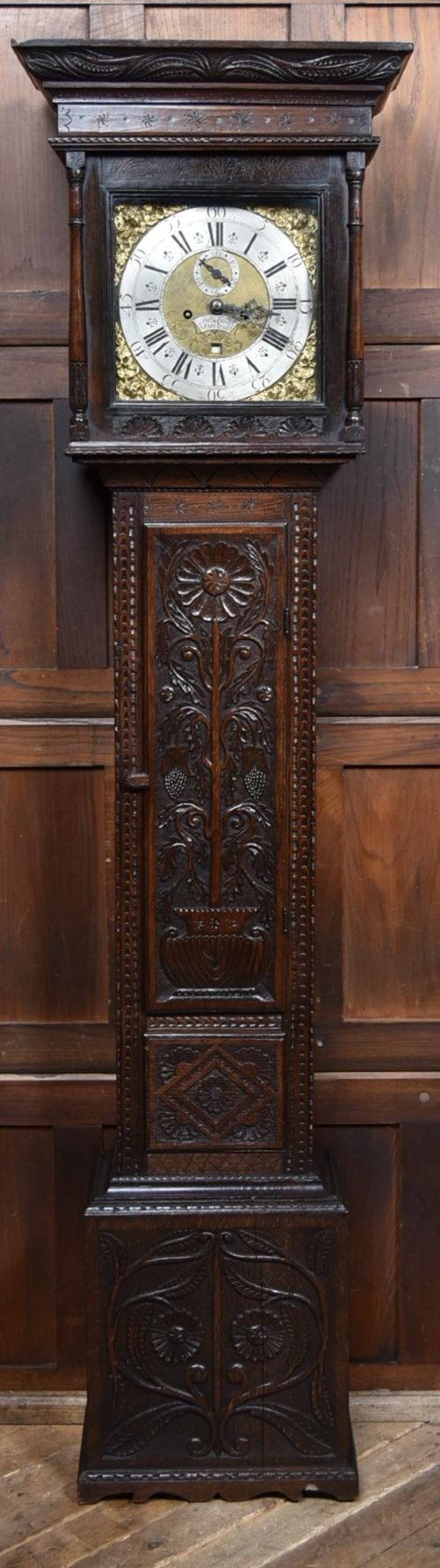


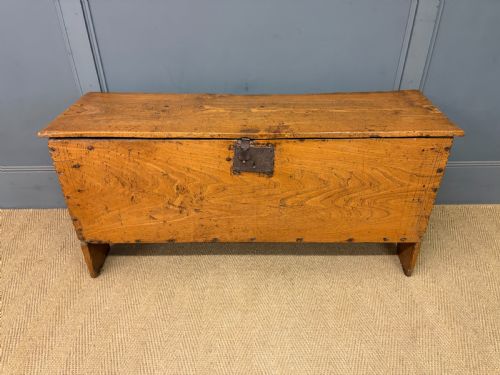
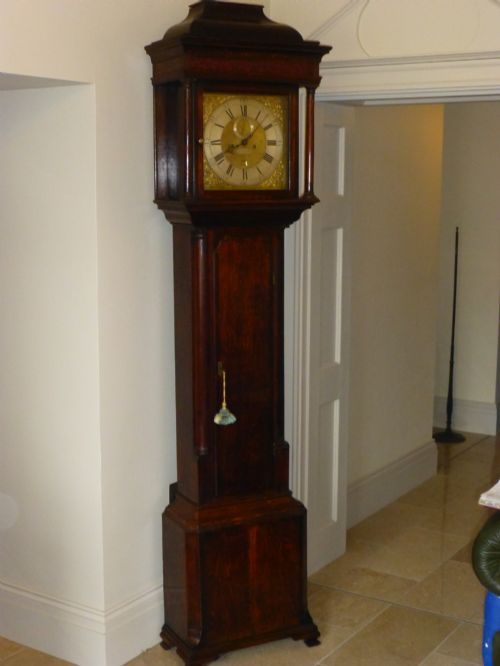
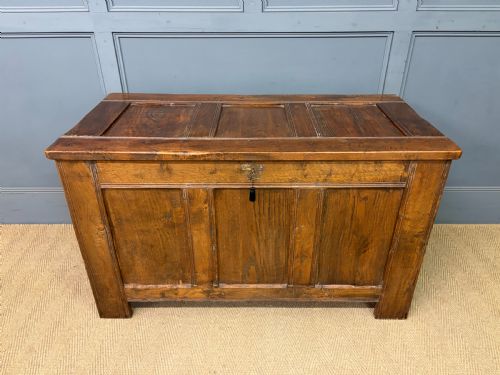
Georgian Oak Trunk
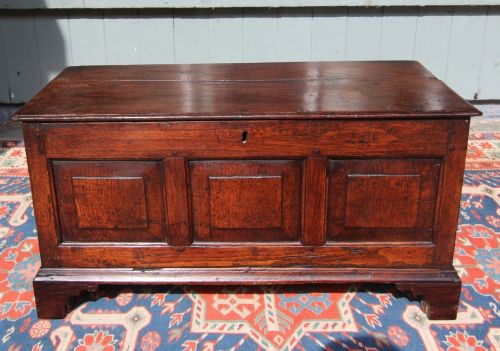
When you want a georgian oak trunk, you are looking at utilitarian storage pieces built to last centuries in country houses and farmhouses.
Georgian Oak Trunk
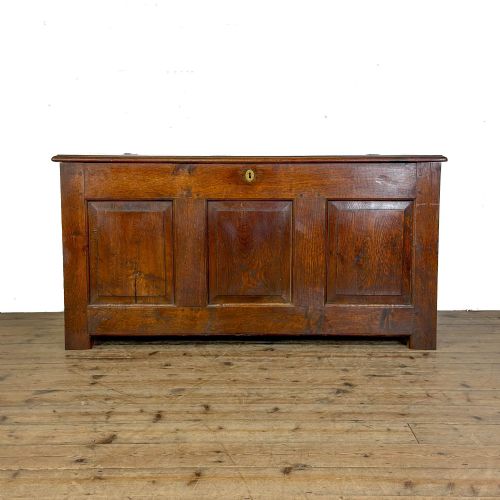
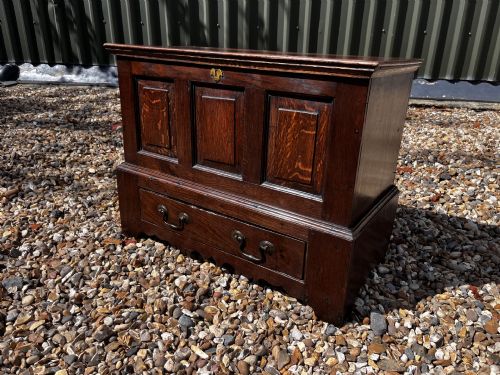
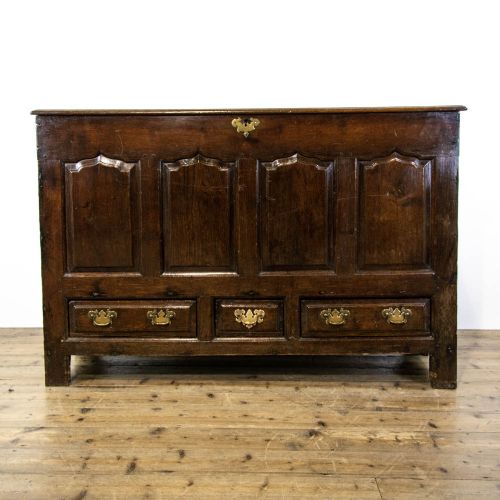
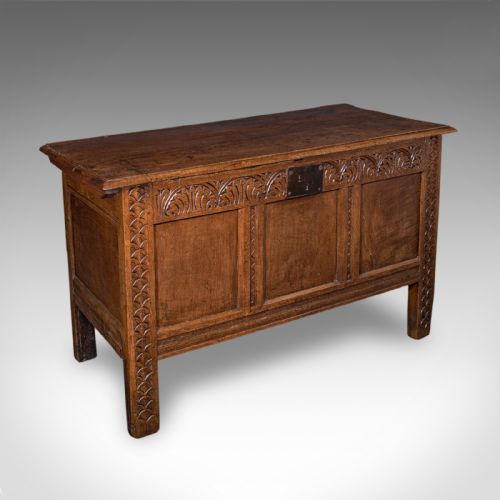
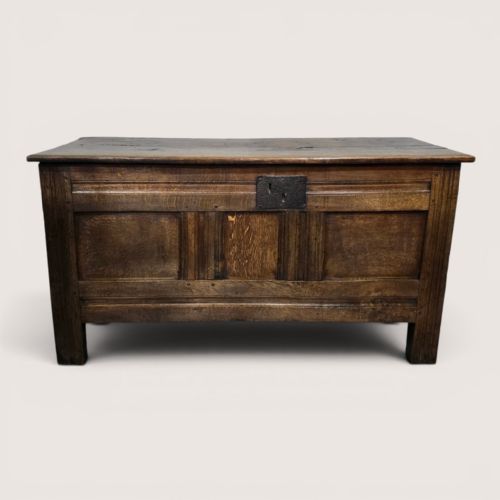
A georgian oak trunk most commonly takes the form of a coffer, blanket chest or mule chest designed for domestic storage. These items served households for storing textiles, linen and valuables before fitted wardrobes became common.
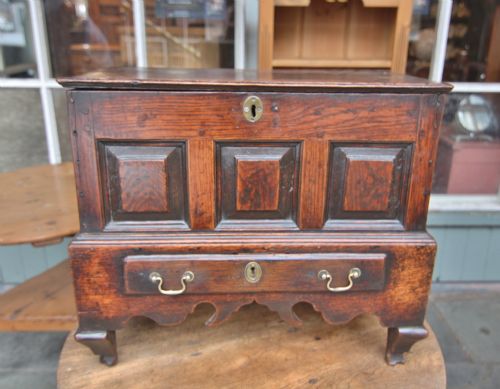
The inventory includes regional variations such as the Welsh coffer bach, alongside compact miniature boxes and joined chests featuring panelled construction. Most examples date from the eighteenth century, with occasional pieces stretching into the seventeenth and nineteenth centuries.
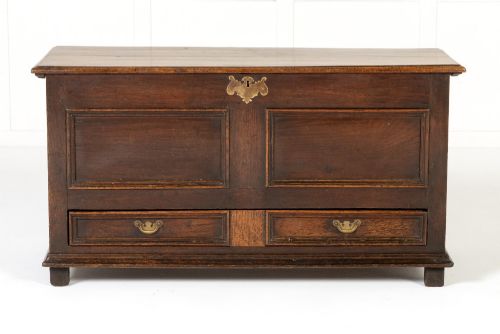
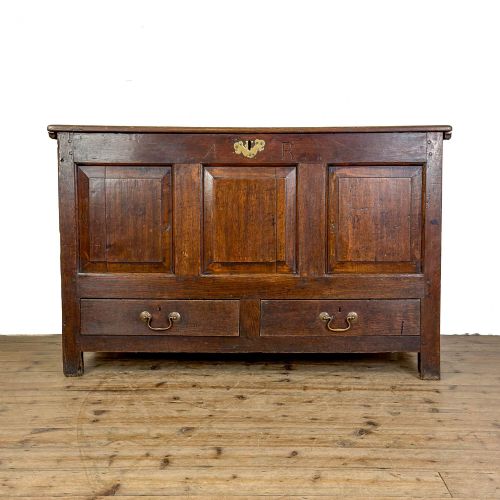
Mule chests appear frequently, distinguished by the inclusion of one or more drawers beneath the main storage compartment. Buyers will also encounter plain blanket boxes and robust chests fitted with iron strapping or working locks.

What varies in quality
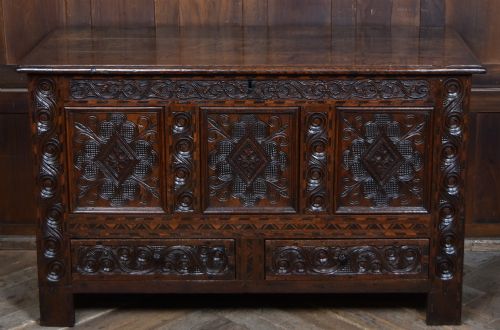
The distinction between ordinary and superior pieces rests on the choice of timber and the ambition of the joinery. Selected examples incorporate burr elm panels, complex carved details or well-proportioned drawer arrangements beneath the primary chest.
Proportion and untouched surfaces separate honest vernacular furniture from heavily altered examples. Original feet, hinges, locks and patinated timber surfaces elevate a piece far above items that have suffered extensive replacement timber or harsh stripping.
Georgian Oak Trunk Retail Price Guide 2026
Typical asking prices for georgian oak trunk among the pieces listed under this phrase on Sellingantiques today, from the lower quarter to the upper quarter. They describe what is for sale here now, not the wider market.
Listings feature structural timbers predominantly in oak, complemented by elm, walnut and burr elm panels across eighteenth and nineteenth-century forms.

Jn° Smith·Richard Corless
The Georgian Oak Trunk Glossary
- Coffer
- A large wooden chest used historically for storing valuables, documents or clothes. These pieces often feature joined panel construction and heavy lids.
- Mule chest
- A storage chest featuring one or more drawers built into the base beneath the main compartment. This form bridges the gap between the traditional coffer and the chest of drawers.
- Panelling
- A method of framing timber where smaller boards fit into grooves within a surrounding wooden framework. This technique accommodates the natural expansion and contraction of oak as humidity changes.
- Escutcheon
- A protective plate surrounding a keyhole, usually fashioned from brass or iron. It prevents the wood around the lock from splitting with repeated use.
Georgian Oak Trunk: Frequently Asked Questions
What is the difference between a coffer and a mule chest?
A coffer is a simple storage chest with a hinged lid opening from the top to access the main compartment. It represents the oldest form of domestic container.
A mule chest adds one or more drawers beneath the main body of the box. This development allowed users to retrieve items without lifting the heavy lid and disturbing objects stacked on top.
How can I date an oak trunk?
Dating relies on examining construction methods, timber preparation marks and the evolution of styles from the seventeenth to nineteenth centuries. Early pieces from the seventeen hundreds often display hand-split panels and pegged frame joinery.
Later nineteenth-century examples frequently show machine-sawn timber and standardised hardware fixings. Regional characteristics and specific vernacular traditions also help narrow down the period of manufacture.
Were these trunks used as coffee tables?
Historic inventories show these pieces were made strictly for storage in bedrooms, hallways and living spaces. Their robust tops and flat surfaces made them practical for holding household items over generations.
Modern interiors often repurpose them as coffee tables due to their height and sturdy proportions. Buyers should ensure daily use does not compromise antique surfaces.
What is a coffer bach?
A coffer bach is a small Welsh box or miniature chest produced during the eighteenth century. They mirror the construction of full-sized mule chests on a reduced scale.
Craftsmen often built them as presentation pieces, wedding gifts or master examples of a joiner's skill. Their diminutive size makes them particularly sought after by collectors.