
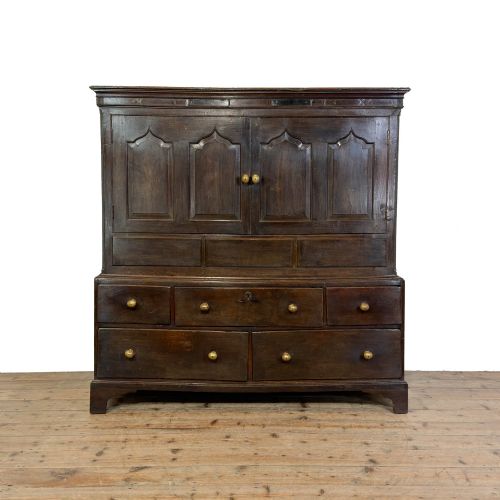
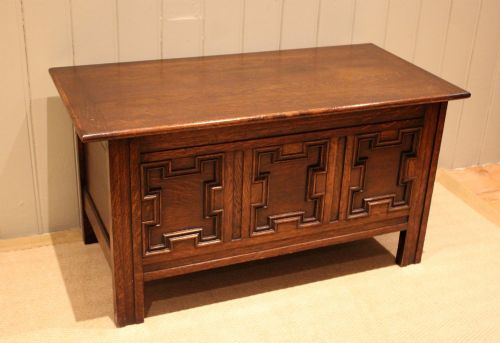
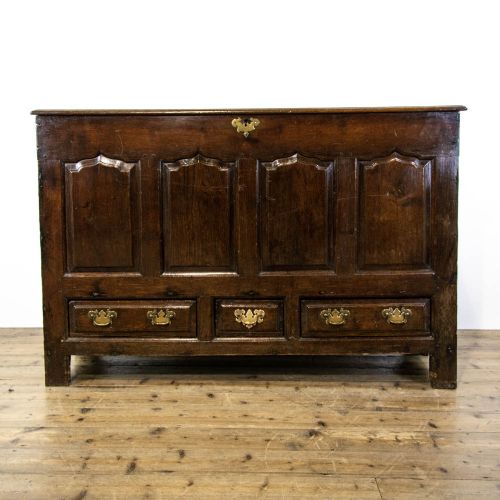
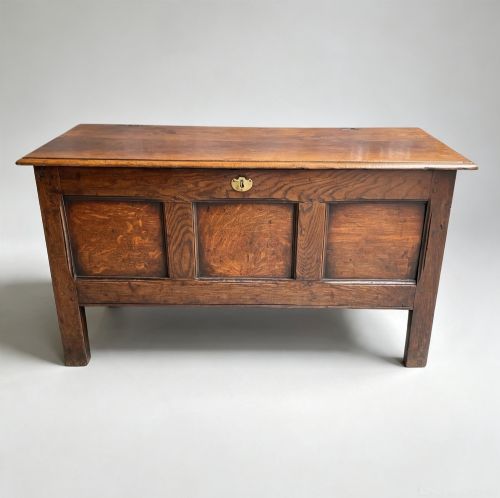
Traditional Oak Mule Chest
A traditional oak mule chest brings centuries of practical storage and rich timber grain directly into a room.
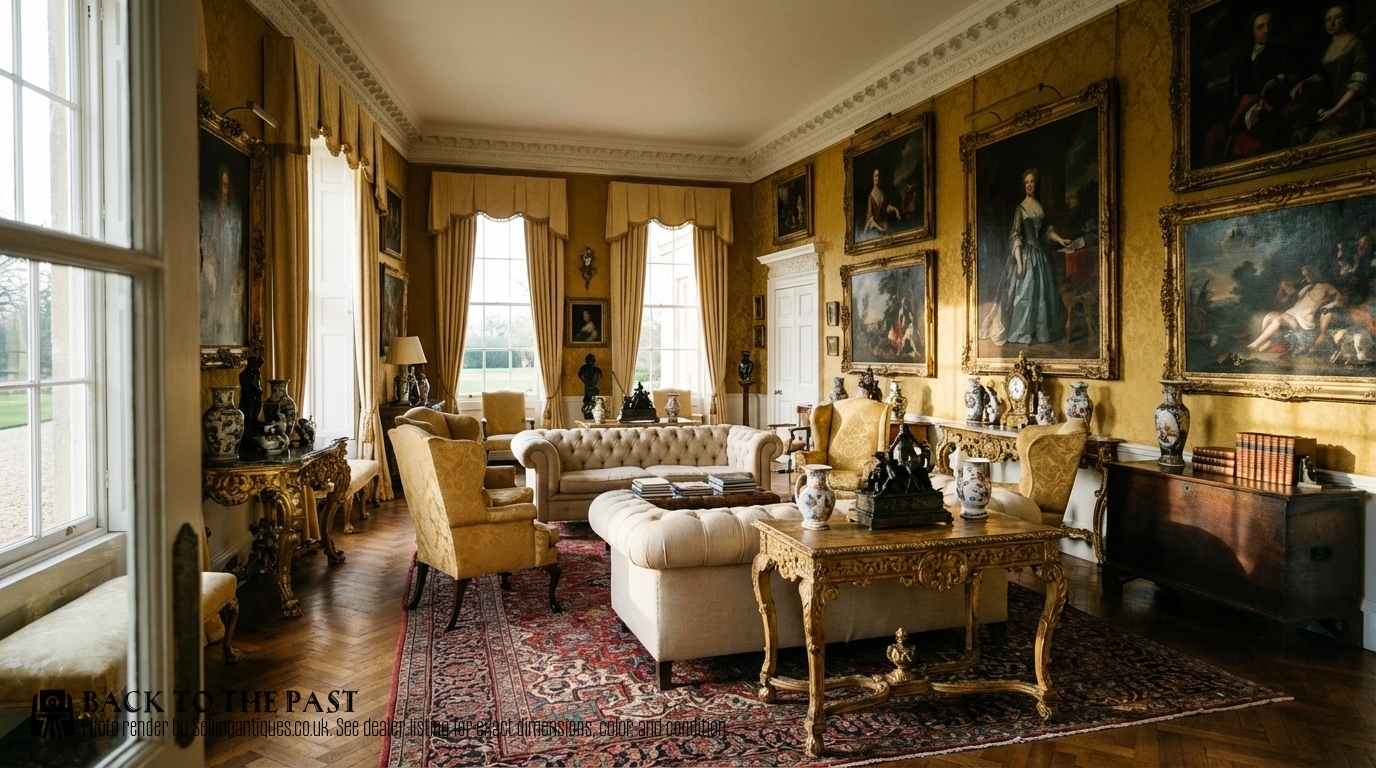
Traditional Oak Mule Chest
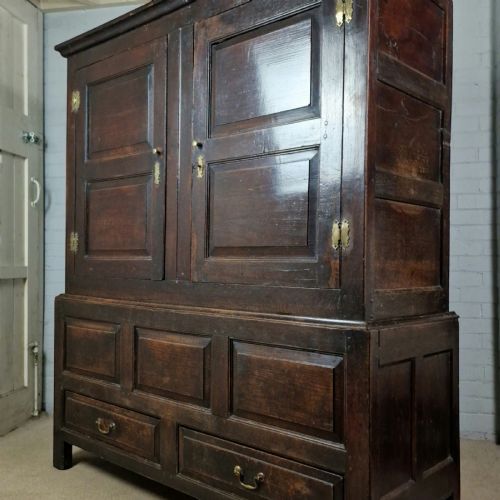
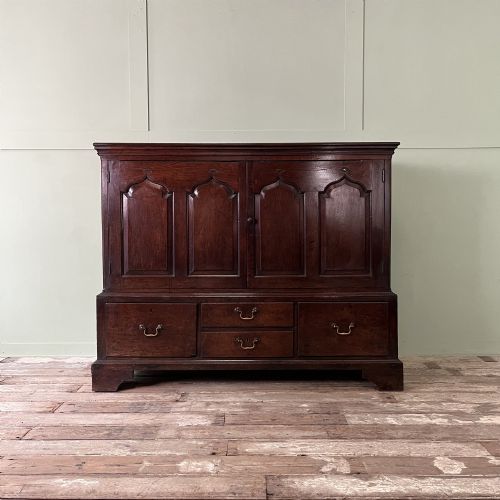
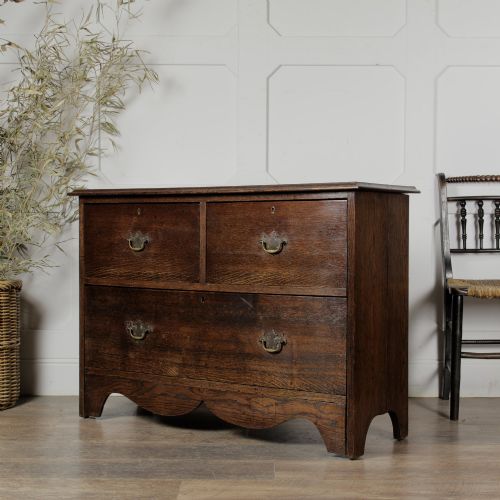
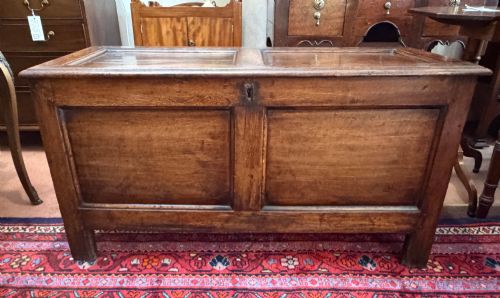
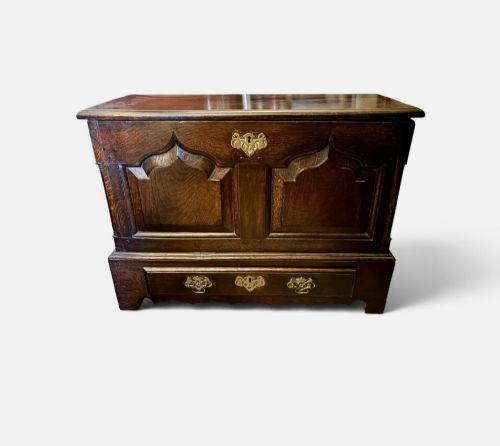
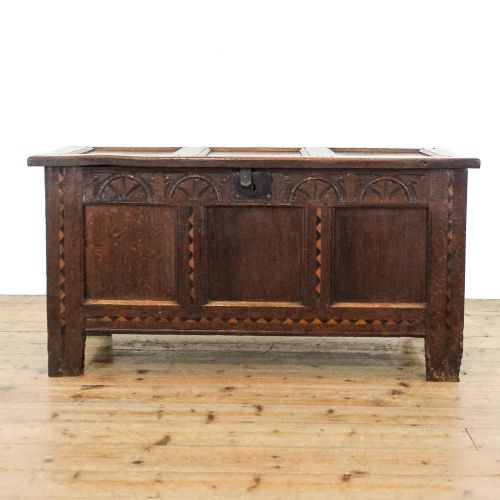
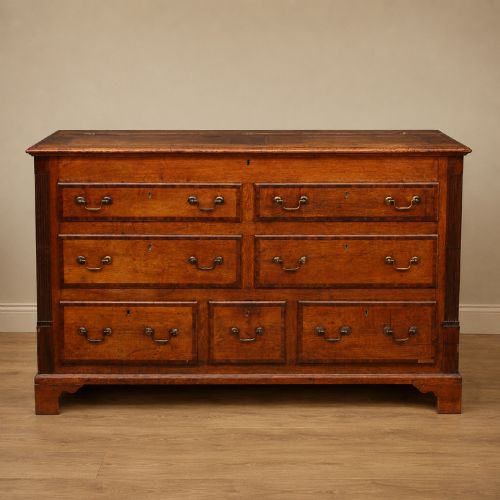
A traditional oak mule chest combines a deep storage box with one or more lower drawers, bridging the form of a coffer and a chest of drawers. This page centres on pieces that span the seventeenth, eighteenth, and nineteenth centuries, alongside regional variations from Wales and Lancashire.
The version you are most likely to meet here is an eighteenth-century or Georgian example, often featuring panelled construction and visible timber grain. These utility pieces evolved to store blankets, linen, and garments in domestic settings before built-in wardrobes became common.
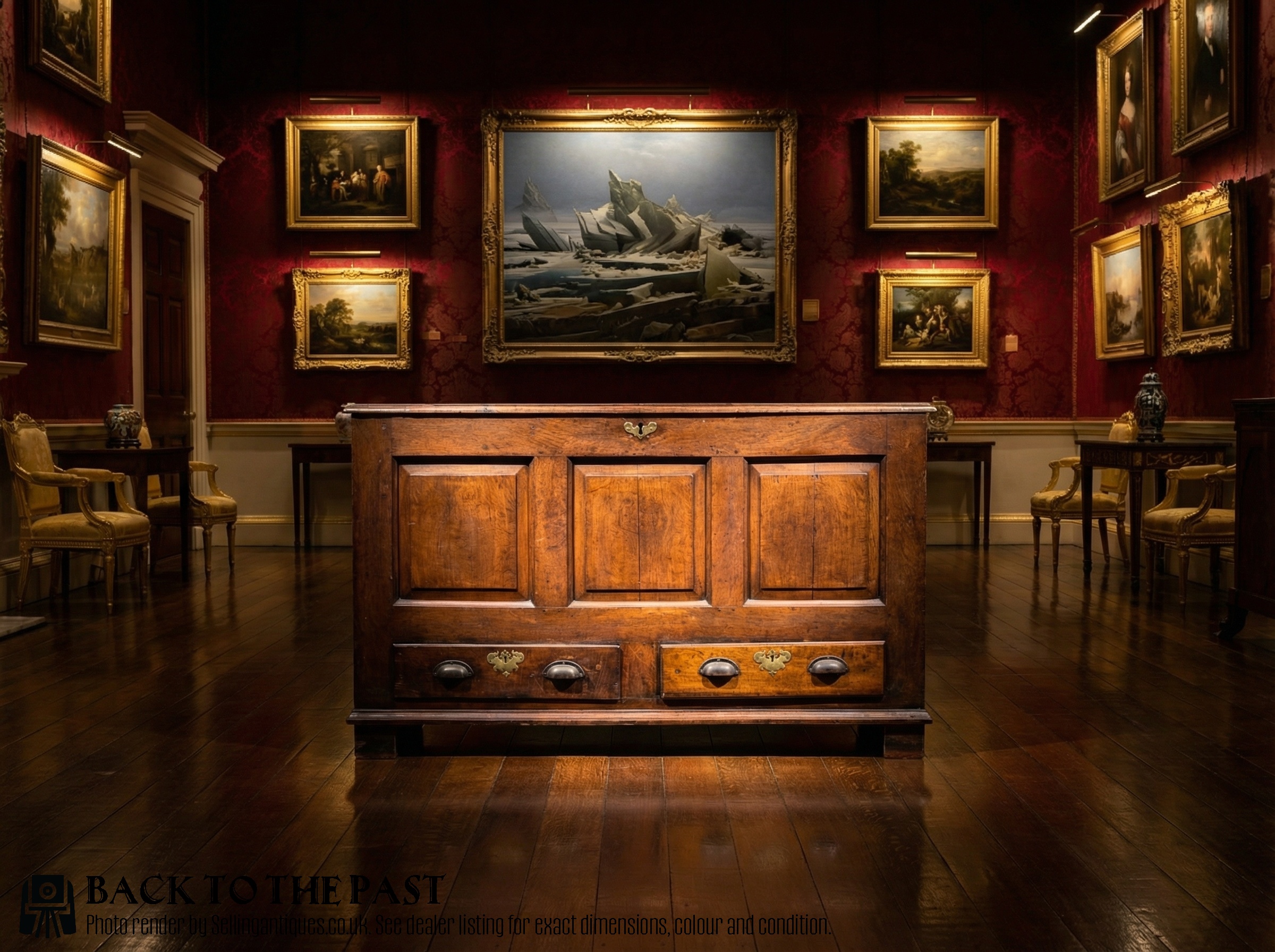
How they were made
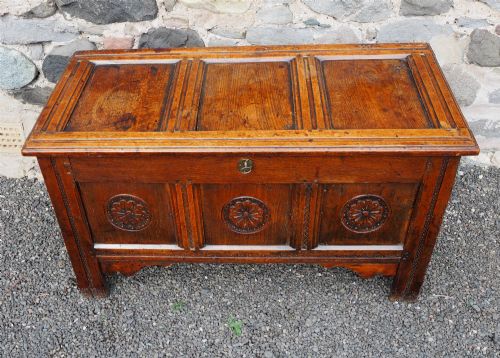
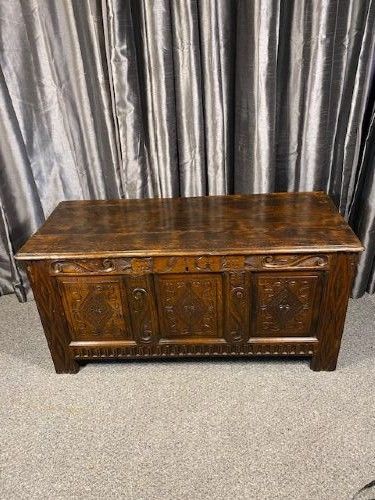
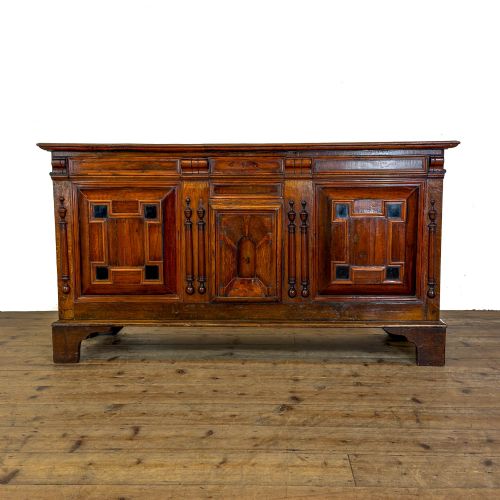
Joiners built these chests primarily from solid oak, utilising pegged frame-and-panel construction to accommodate the natural expansion and contraction of timber. Secondary materials such as mahogany crossbanding, burr elm panels, and wood inlay appear on specific regional pieces.
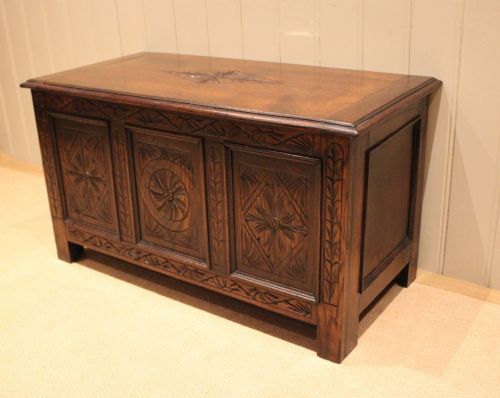
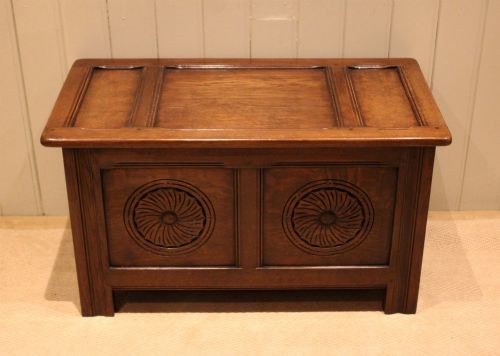
Hardware played a functional role, with iron hinges securing heavy lids and brass details occasionally accenting drawer fronts or key escutcheons. Carving, where present, was hand-executed directly into the oak panels using traditional gouges and chisels.
Traditional Oak Mule Chest Retail Price Guide 2026
Typical asking prices for traditional oak mule chest among the pieces listed under this phrase on Sellingantiques today, from the lower quarter to the upper quarter. They describe what is for sale here now, not the wider market.
Several chests hide tiny internal candle boxes, proving that seventeenth-century joiners knew midnight linen folding required proper illumination.
What varies in quality
The caliber of a traditional oak mule chest rests on the integrity of its timber selection, the crispness of any hand-carving, and the proportion between the upper coffer section and the base drawers. Pieces retaining their original floor timbers, internal candle boxes, and working hardware command greater respect among collectors.
Regional distinctiveness also shifts the character of a piece, from plain English country examples to elaborately panelled Welsh or Lancashire variants. The depth of colour in the aged oak and the harmony of secondary wood additions, such as mahogany crossbanding, define the upper tier of surviving chests.

The Traditional Oak Mule Chest Glossary
- Mule chest
- A storage chest featuring one or more drawers built beneath the main hinged compartment. This form developed during the late seventeenth and eighteenth centuries.
- Coffer
- A heavy wooden chest with a hinged lid, used historically for storing valuables, documents, or textiles. These form the direct structural ancestor to the mule chest.
- Crossbanding
- A border technique where thin strips of veneer, such as mahogany, are laid with the grain running perpendicular to the surrounding timber. This frames panels and drawer fronts on refined Georgian pieces.
- Candle box
- A small internal compartment fixed inside a chest to hold candles or small items away from main textiles. Its presence adds utility detail for collectors.
- Cofer bach
- A small Welsh coffer, often translated as little coffer, designed to sit on a table or stand. These miniature pieces mirror the construction of larger storage chests.
Traditional Oak Mule Chest: Frequently Asked Questions
What is a traditional oak mule chest?
A traditional oak mule chest is a storage piece that combines a top-opening coffer with one or more drawers fitted beneath. These chests provided essential household storage for blankets and garments.
They reflect centuries of domestic joinery, particularly from seventeenth and eighteenth-century workshops across England and Wales.
How were mule chests used?
Households utilised these chests primarily for storing household linens, blankets, and woollen garments close to living areas. The addition of lower drawers allowed access to stored items without needing to lift the heavy top lid.
Over time, they functioned as blanket chests, window seats, and general repositories for family belongings in country homes.
How do I identify an eighteenth-century chest?
Eighteenth-century examples typically display hand-carved oak panels, pegged frame construction, and timber patination developed over generations of use. Regional characteristics, such as Lancashire crossbanding or Welsh panel arrangements, often point to specific periods and origins.
Examining the interior reveals structural clues like hand-planed boards and original candle boxes that distinguish earlier craftsmanship from later revivals.
Where did mule chests originate?
Mule chests evolved in British domestic workshops, with notable regional variations emerging from Wales, Lancashire, and various English counties. Local joiners adapted standard coffer designs by incorporating drawers beneath the main well.
This regional diversity produced distinct styles ranging from plain country oak to inlaid Georgian interpretations.