


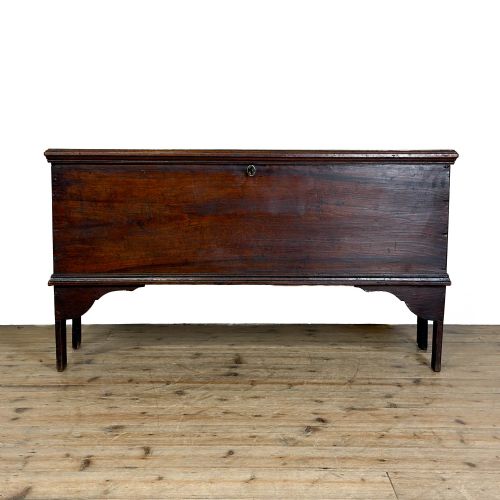
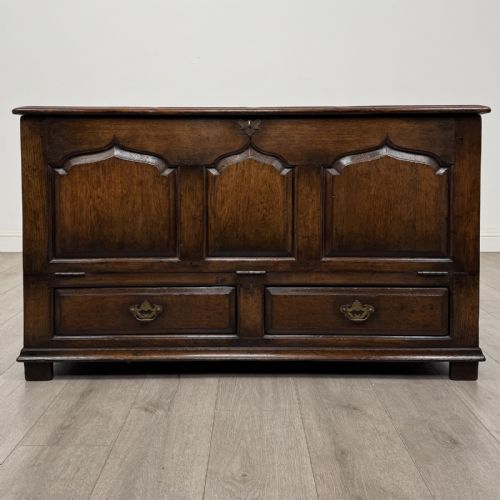

Georgian Oak Blanket Box
When you search for a georgian oak blanket box, you enter a world of sturdy country storage built to endure centuries.
Georgian Oak Blanket Box
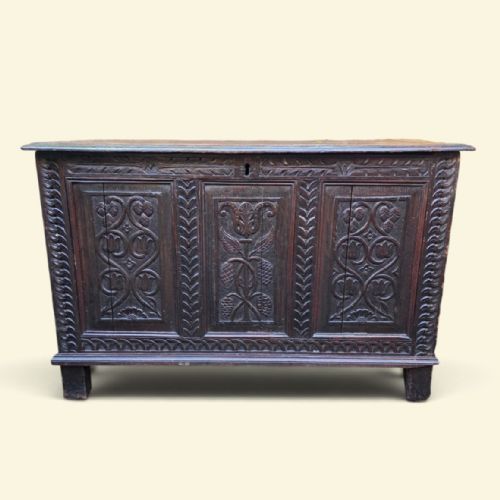
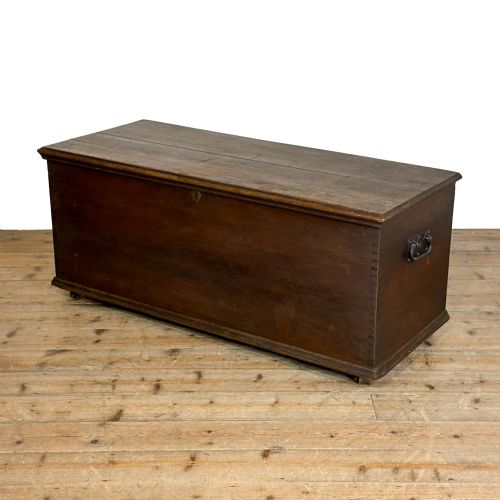
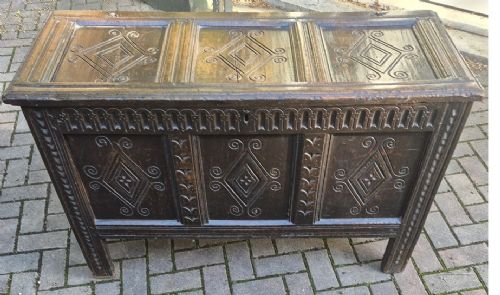
A georgian oak blanket box encompasses traditional storage chests, coffers, and mule chests shaped by regional vernacular traditions. These utilitarian items served households for linens, textiles, and valuables before modern wardrobes took hold.
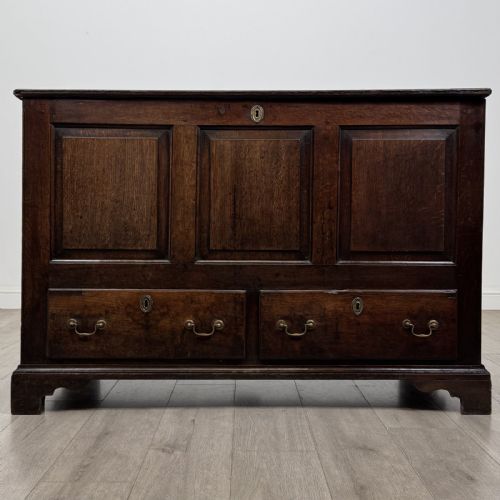
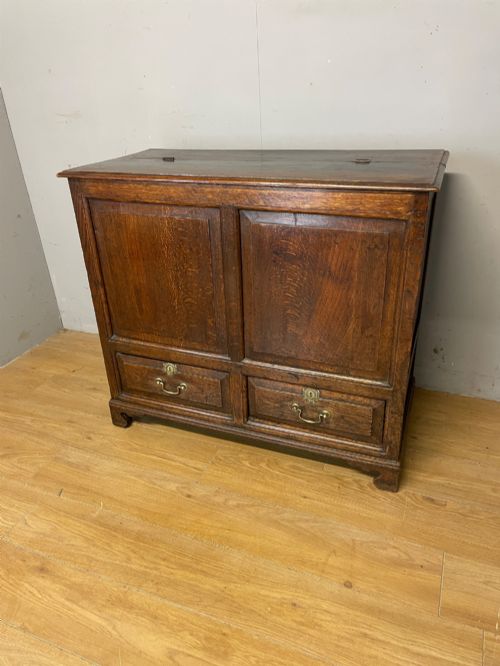
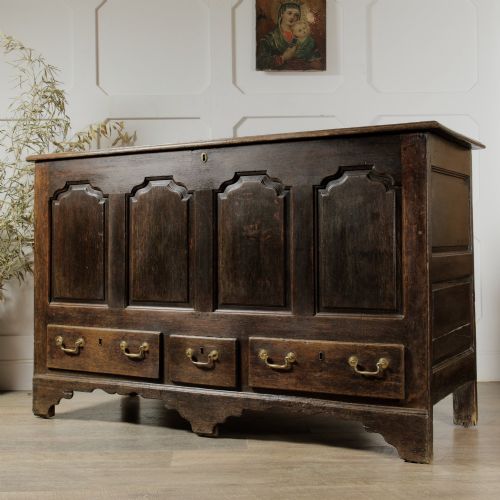
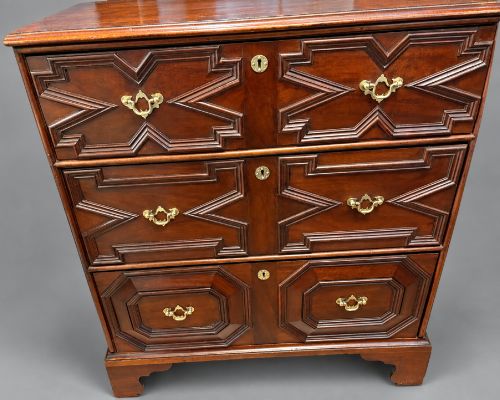
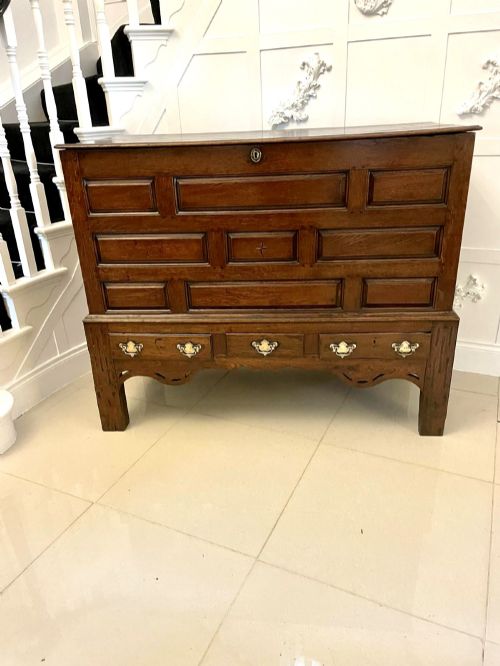
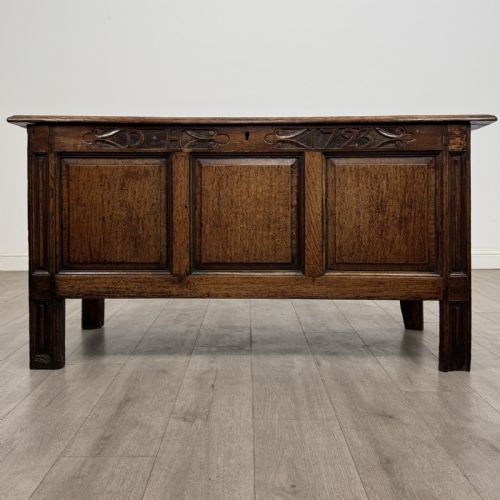
The version you meet most frequently on this page is a joined and panelled oak coffer or a mule chest fitted with lower drawers. Many display regional British characteristics, such as Welsh or Lancashire origins, alongside simpler English country workshop designs.
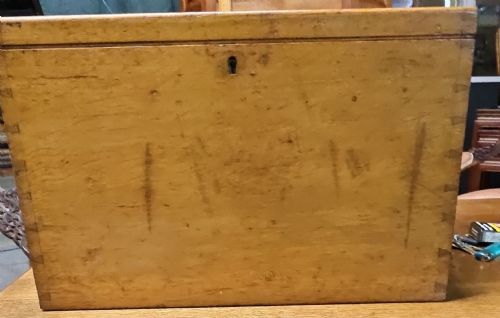
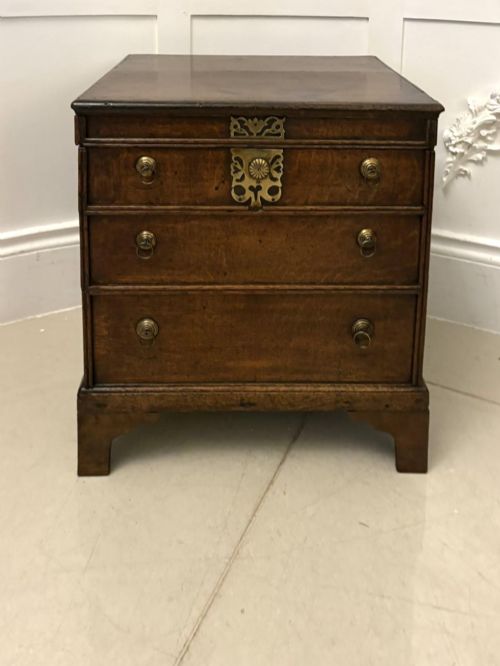
Beyond basic chests, the selection stretches to include smaller coffer baches, miniature boxes, and occasional examples incorporating elm, mahogany crossbanding, or burr elm panels.
How they were made
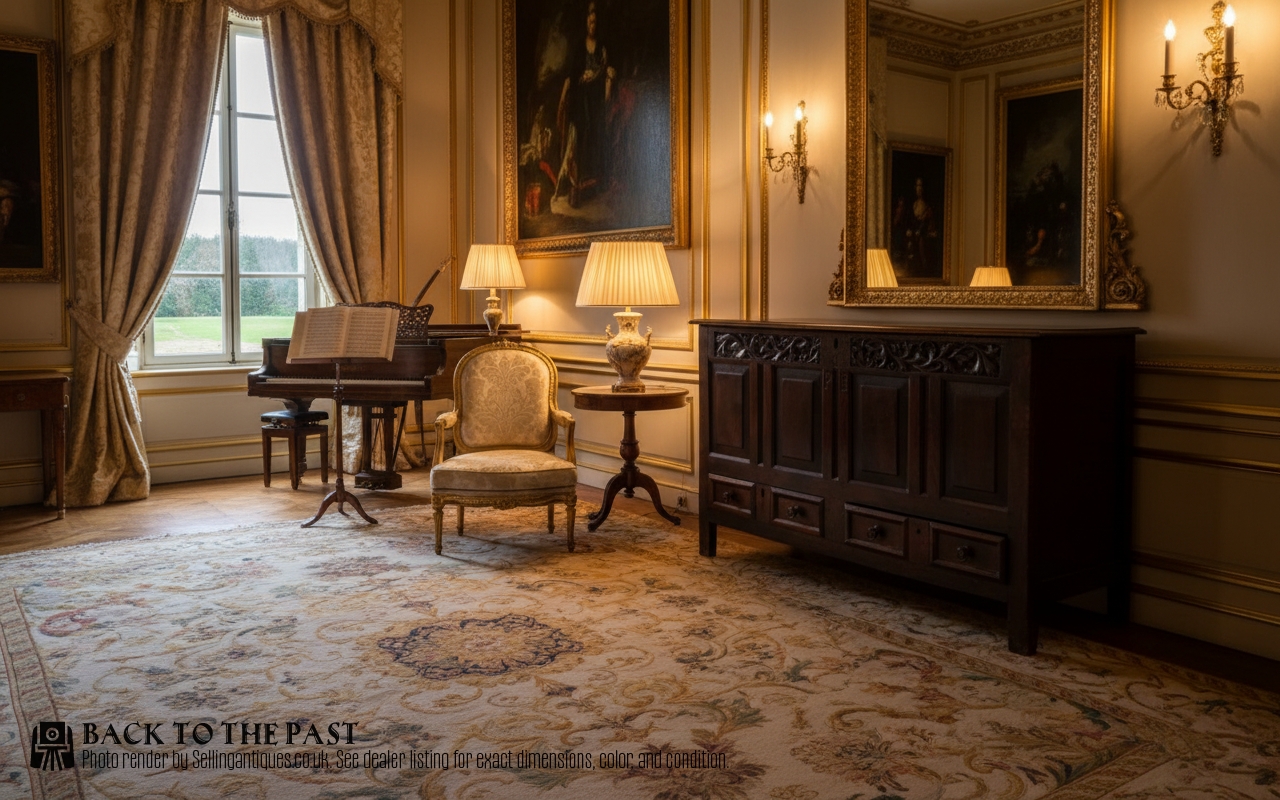
Local joiners constructed these pieces primarily from solid timber using traditional frame-and-panel techniques that allowed the wood to expand and contract naturally. Oak provided the structural backbone, often complemented by secondary woods like elm and occasional decorative mahogany crossbanding.
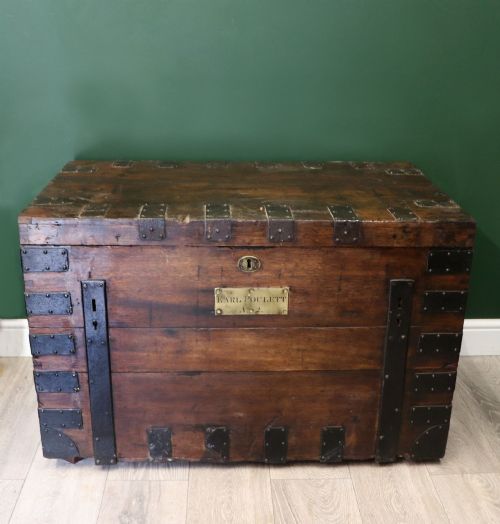
Hardware played a functional role, utilising hand-forged iron hinges and brass fittings to secure heavy lids. Decorative enrichment relied on simple geometric carving, panel mouldings, and occasional wood inlay rather than applied veneers.
Georgian Oak Blanket Box Retail Price Guide 2026
Typical asking prices for georgian oak blanket box among the pieces listed under this phrase on Sellingantiques today, from the lower quarter to the upper quarter. They describe what is for sale here now, not the wider market.
Miniature coffer baches offer miniature storage for items too precious for the big box.
What varies in quality
The distinction between standard utility items and finer examples rests upon the crispness of the joinery, the selection of figured timber, and the restraint of any carved ornamentation. Superior pieces demonstrate balanced proportions and thoughtful integration of lower storage drawers.
Preservation of original surfaces, patination, and untampered hardware elevate certain examples above others. Alterations to lids, feet, or replacement hinges alter the historical integrity of the piece.
The Georgian Oak Blanket Box Glossary
- Mule chest
- A storage chest featuring one or more drawers beneath the main lift-top compartment. This form bridged the gap between the traditional coffer and the chest of drawers.
- Coffer
- A heavy timber chest traditionally used for storing valuables, documents, or textiles. Early examples feature joined frame-and-panel construction.
- Coffer bach
- A small Welsh tabletop or miniature coffer, translated literally as little chest. These served intimate domestic storage needs or served as apprentice pieces.
- Crossbanding
- A border technique where thin strips of veneer are laid running perpendicular to the main grain. This added subtle decorative contrast to drawer fronts or lids.
- Panel
- A flat piece of wood fitted within a grooved frame. This construction method accommodated seasonal wood movement without splitting.
Georgian Oak Blanket Box: Frequently Asked Questions
What is a mule chest?
A mule chest combines a traditional lift-top storage compartment with one or more drawers built into the base. This evolution offered easier access to everyday items without unstacking folded textiles from the top.
Makers frequently added these lower drawers during the eighteenth century as domestic storage needs expanded. They represent a transitional form between simple blanket boxes and tall drawer chests.
How were blanket boxes used?
These chests served as secure domestic storage for heavy woollen blankets, household linens, and personal valuables. In rural homes, they doubled as impromptu seating or tables when space was tight.
Their robust construction allowed them to withstand daily household demands. Over generations, they evolved from utilitarian storage into prominent living space furniture.
How do I date an oak chest?
Dating relies on observing construction methods, timber selection, and hardware styles across different eras. Hand- split panels, pegged joints, and forged iron hinges typically point towards earlier eighteenth-century or seventeenth-century origins.
Later eighteenth and nineteenth-century examples often incorporate machine-sawn timber, brass fittings, and refined crossbanding. Regional design traits also help narrow down the period of manufacture.
Where should I place a blanket box?
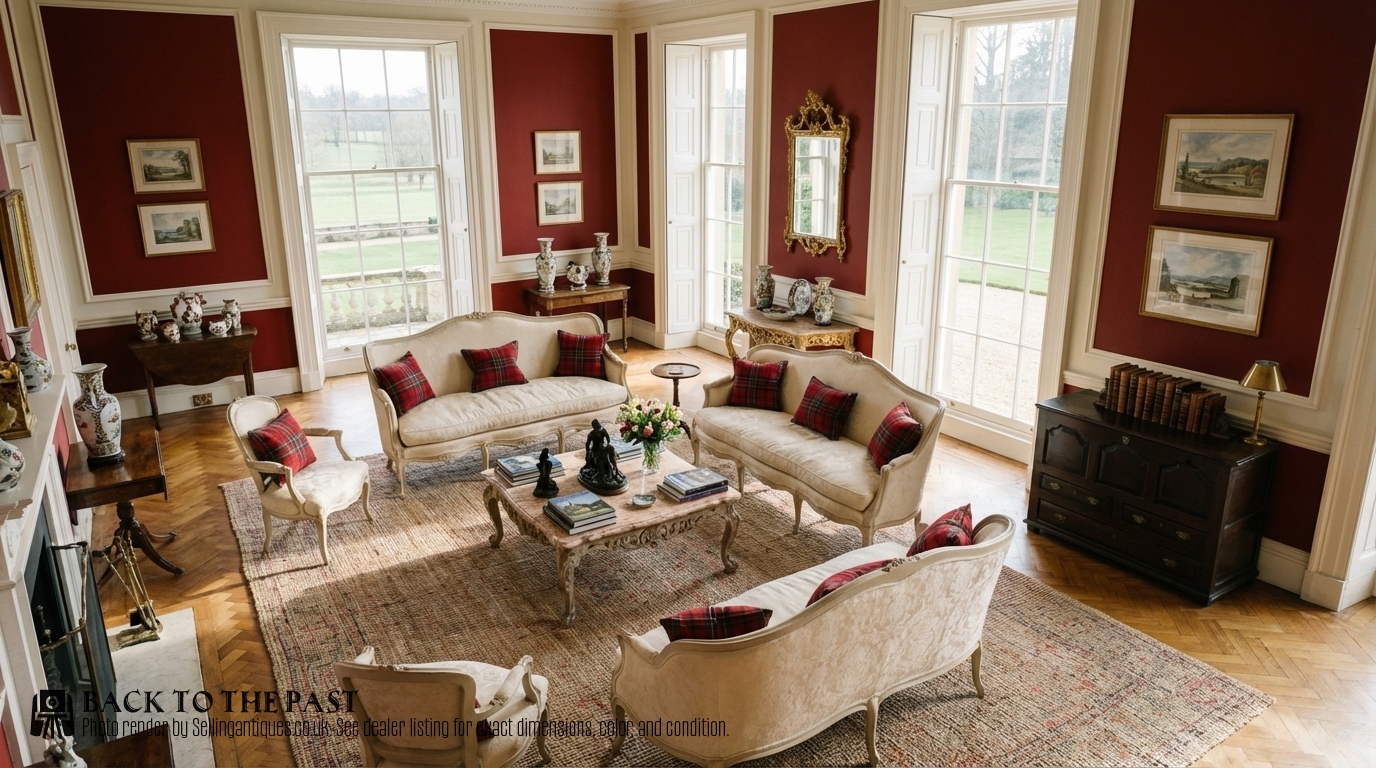
These low chests fit naturally at the foot of a bed or beneath windows as deep seating. Their flat lids make them practical coffee tables in living areas while providing hidden interior storage.
Keep them away from direct heat sources and strong sunlight to protect the aged oak surface. Allowing adequate air circulation around the timber helps preserve the wood.