


Traditional Oak Storage Chest
A traditional oak storage chest brings enduring utility to a room, offering robust construction and generous proportions for household textiles.
Traditional Oak Storage Chest
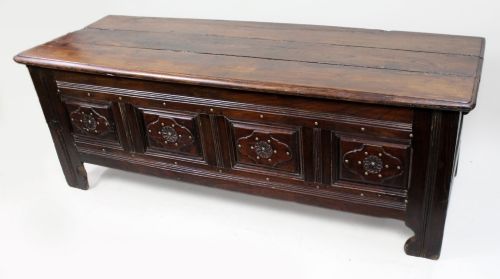
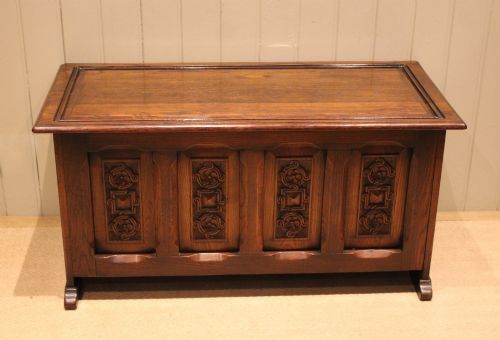
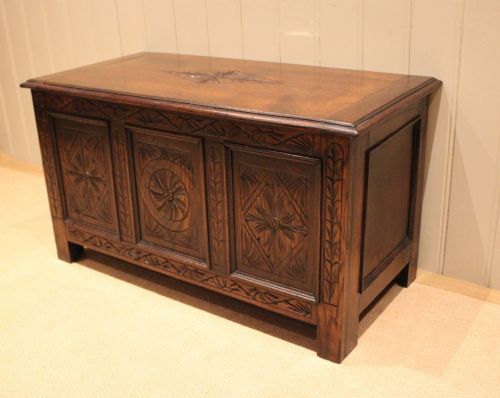
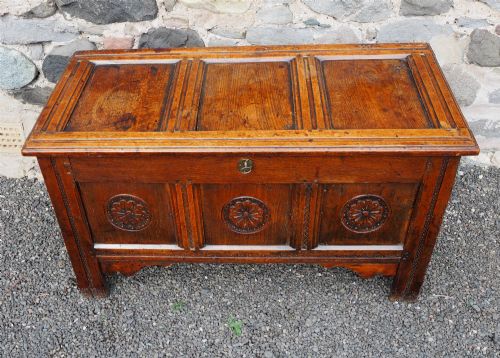
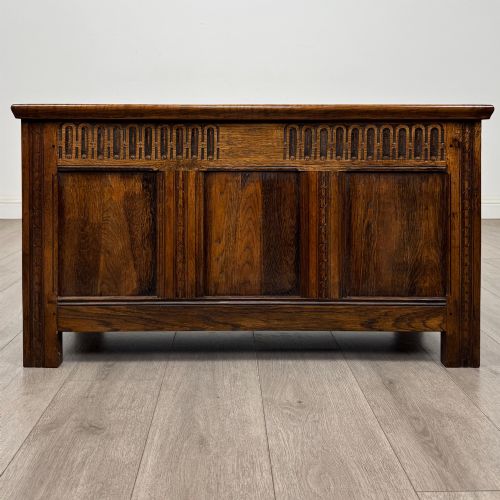
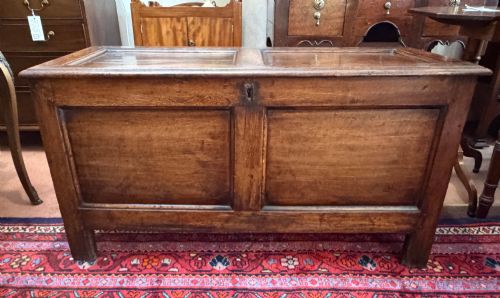
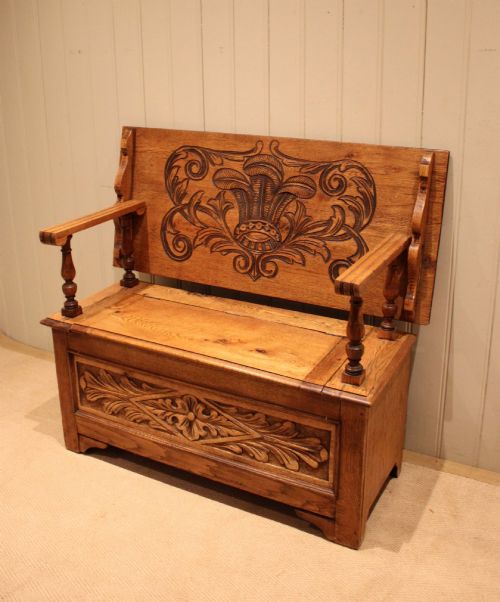
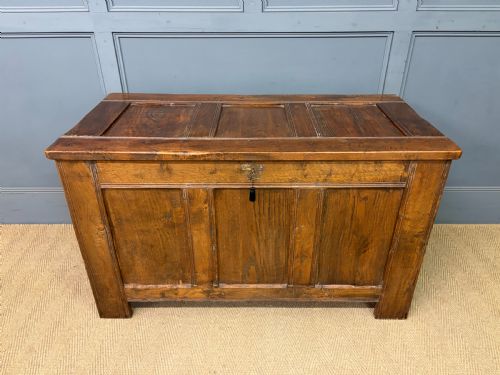
A traditional oak storage chest encompasses various utilitarian forms, most frequently appearing as panelled coffers, blanket boxes, and mule chests designed to keep garments and linens secure. The selection spans centuries of regional cabinet-making, featuring early joined construction alongside later provincial interpretations.
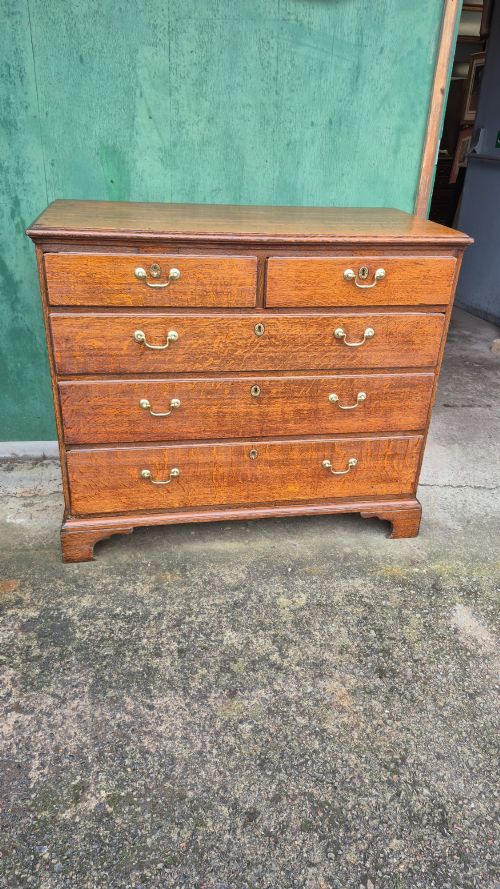
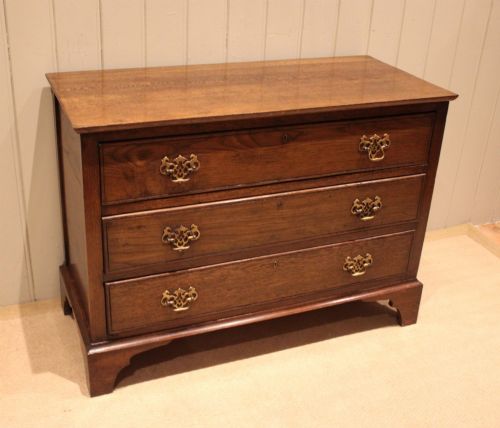
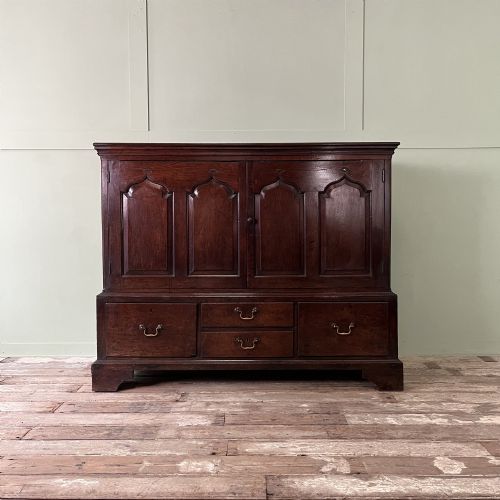
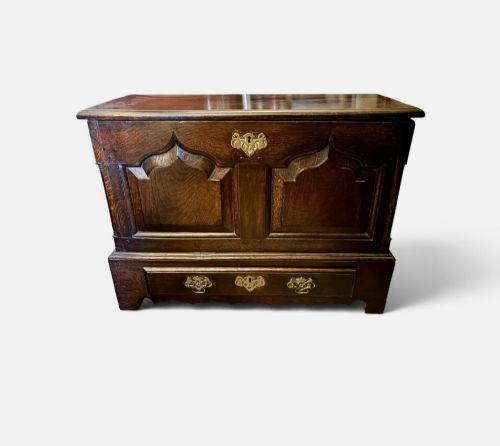
The listings here showcase pieces originating across distinct eras, ranging from austere seventeenth-century examples to carved nineteenth-century variants and lighter Edwardian interpretations. Alongside straightforward blanket storage, buyers regularly encounter mule chests incorporating lower drawers and low linen press cupboards.
Provincial workshops in Wales and France contribute distinct regional variations to the inventory, often displaying characteristic carving or local timber selection. These forms bridge the gap between simple utility and decorative furniture, serving both practical storage needs and traditional interior schemes.
Materials and construction techniques
Solid oak serves as the primary structural material across these pieces, frequently complemented by secondary timbers like pine in hidden areas or walnut for specialised decorative veneers. Craftsmen utilised heavy planks and sturdy framing to ensure durability against daily household wear.
Joinery methods rely heavily on traditional pegged mortise and tenon joints to secure panels within heavy frames, accommodating the natural movement of timber over time. Metal fittings, notably brass and iron hinges, locks, and handles, provide both structural reinforcement and functional operation.
Surface ornamentation ranges from plain exposed grain to elaborate hand carving, linenfold detailing, and occasional geometric inlay work. These decorative flourishes reflect the prevailing taste of each period, from seventeenth-century strapwork to later revival styles.
Traditional Oak Storage Chest Retail Price Guide 2026
Typical asking prices for traditional oak storage chest among the pieces listed under this phrase on Sellingantiques today, from the lower quarter to the upper quarter. They describe what is for sale here now, not the wider market.
Materials appearing across the current inventory include solid oak, pine, walnut, brass, and iron hardware.
Distinguishing quality across the range
The grade of timber selection and the crispness of hand-carved detailing distinguish finer examples from more utilitarian workshop production. Superior pieces exhibit carefully chosen grain patterns, particularly in quarter-sawn oak, and well-proportioned mouldings that remain faithful to their period.
Structural integrity depends heavily on the preservation of original joints, hinges, and internal floorboards rather than extensive modern replacements. The subtlety of patination, developed through generations of handling and wax polishing, marks out pieces that have retained their authentic surface character.
The Traditional Oak Storage Chest Glossary
- Coffer
- A traditional heavy wooden box with a hinged lid, primarily used for storing valuables, documents, or garments before the widespread use of fitted wardrobes. These pieces form the foundational ancestor of modern chest design.
- Mule chest
- A storage chest featuring one or more drawers built into the base beneath the main compartment. This hybrid form emerged to provide easier access to stored clothing without requiring the removal of top-loaded items.
- Linenfold
- A style of carved wooden panelling that resembles folded fabric, typically linen, popular during the Tudor and Gothic revival periods. Craftsmen used specialised planes and chisels to achieve the characteristic draped effect.
- Crossbanding
- A decorative border technique where thin strips of veneer are laid across the grain of the primary wood to frame a panel or drawer front. This method creates a subtle contrasting border around the main timber.
- Patina
- The surface sheen and mellow colour developed by timber over decades or centuries of exposure to light, air, and handling. A genuine patina offers tactile evidence of age that cannot be artificially replicated.
Traditional Oak Storage Chest: Frequently Asked Questions
What is a traditional oak storage chest?
A traditional oak storage chest is a heavy wooden receptacle with a hinged lid, built primarily from solid oak to store household textiles and valuables.
These pieces range from early joined coffers to later mule chests and blanket boxes produced across the seventeenth, eighteenth, and nineteenth centuries.
How were these chests used historically?
Historically, these chests served as secure storage for blankets, clothing, and household silver in domestic interiors before built-in closets became common.
Their robust construction also allowed them to double as occasional seating or tables within the home.
How do I identify seventeenth-century examples?
Seventeenth-century examples typically rely on joined frame-and-panel construction with heavy pegged mortises and hand-carved geometric or strapwork decoration.
They generally display simpler interiors without internal partitioning or drawers, reflecting their early utilitarian purpose.