
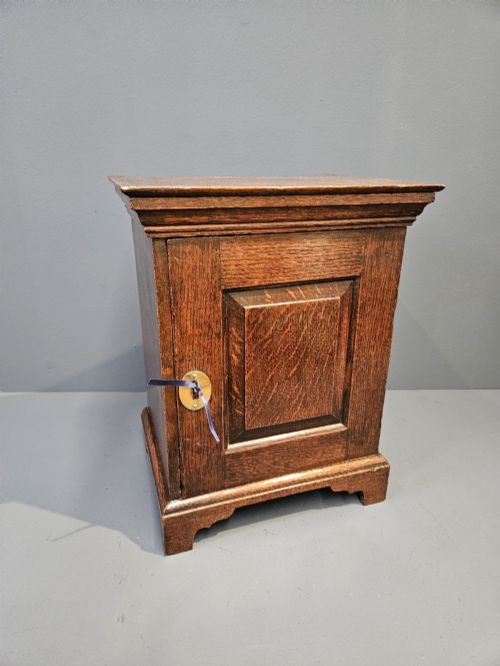
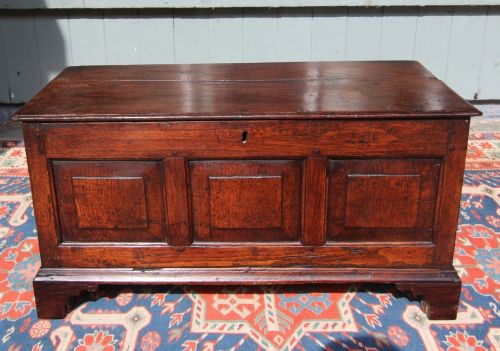


Fielded Panel Oak Chest
These fielded panel oak chests bring robust storage and centuries of rural character straight into a modern room.
Fielded Panel Oak Chest
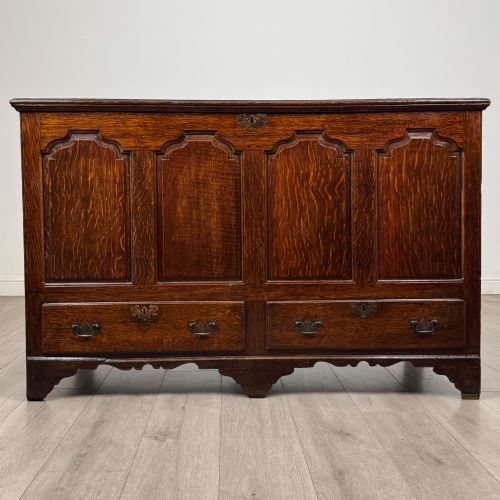
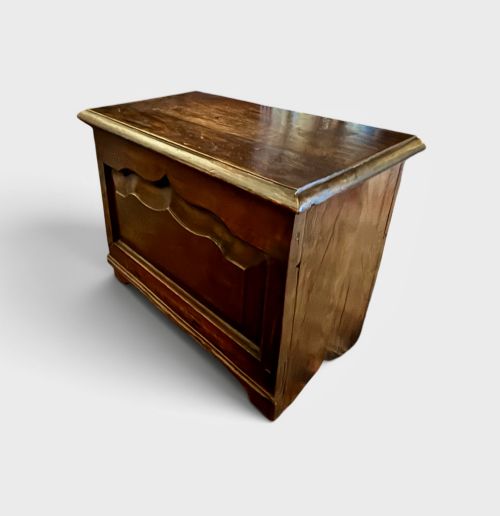
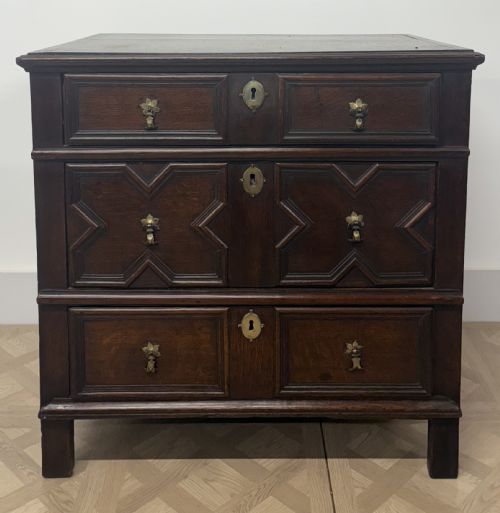
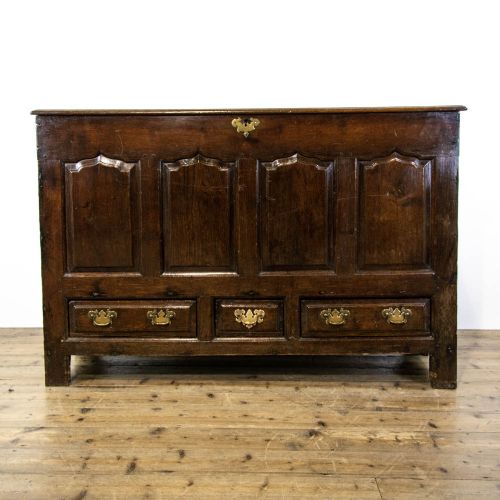
When you search for a fielded panel oak chest, you find sturdy storage furniture spanning several centuries of British cabinetmaking. The pieces range from small wall-hanging spice cupboards and miniature coffers up to large mule chests fitted with lower drawers.
You are most likely to meet 18th Century and Georgian examples on this page, along with regional Welsh vernacular forms. The construction relies on frame and panel joinery designed to handle seasonal movement in timber without splitting.

How they were made
Joiners built these items using solid oak boards joined within sturdy frames, often incorporating iron hinges and brasses for handles and escutcheons. Panels were bevelled at the edges to sit neatly within grooved stiles and rails.
Regional workshops across England and Wales produced these storage pieces by hand, using pegged joints rather than metal screws to secure the structural frame.
Fielded Panel Oak Chest Retail Price Guide 2026
Typical asking prices for fielded panel oak chest among the pieces listed under this phrase on Sellingantiques today, from the lower quarter to the upper quarter. They describe what is for sale here now, not the wider market.
Materials across the inventory comprise solid oak augmented by iron strapwork and brass drawer pulls.
What varies in quality
The distinction between standard storage pieces and finer examples rests on the crispness of the fielded panels and the proportions of the mouldings. Sharply bevelled panels and well-balanced proportions indicate a more accomplished maker.
Original brass hardware and untouched surface patination elevate a piece, while later alterations or replacement boards diminish the integrity of the object.
The Fielded Panel Oak Chest Glossary
- Fielded panel
- A wooden panel with bevelled edges that thin towards the perimeter so the centre stands proud. This traditional technique reduces weight while allowing the timber to expand and contract.
- Mule chest
- A storage chest with one or more drawers built into the base beneath the main compartment. It combines the deep storage of a traditional coffer with the accessible drawer space of a chest.
- Coffer bach
- A small Welsh box or coffer, often mounted on a stand or used on a table for holding valuables. The term translates simply from Welsh as a little chest.
- Kist
- A regional term used in parts of Britain for a heavy wooden storage chest or trunk. These robust boxes served domestic storage needs for textiles and documents.
Fielded Panel Oak Chest: Frequently Asked Questions
What is a fielded panel oak chest?
A fielded panel oak chest is a sturdy wooden storage box constructed with bevelled panels set into a sturdy frame. These pieces were built to hold textiles, household goods, and valuables.
They appear in various forms, including plain storage chests and mule chests equipped with lower drawers for smaller items.
How do I date an oak chest?
Dating relies on examining the construction methods, handle hardware, joinery marks, and the overall style of the piece. Pegged joints and hand-bevelled panels typically point towards earlier centuries.
Comparing the timber patination and regional design traits, such as Welsh vernacular styles, helps narrow down the period of origin.
What is the difference between a coffer and a mule chest?
A basic coffer is simply a deep lidded box used primarily for bulk storage. A mule chest adds one or more drawers beneath the main compartment.
This addition made it easier to access smaller items without having to lift heavy textiles stored in the top section.
How do I care for antique oak furniture?
Keep wooden furniture away from direct heat sources and drastic humidity changes to prevent the timber from splitting. Applying a traditional beeswax polish occasionally helps nourish the dry surface.
Avoid using modern silicone sprays or harsh chemical cleaners that can permanently damage the historic patination of the oak.