

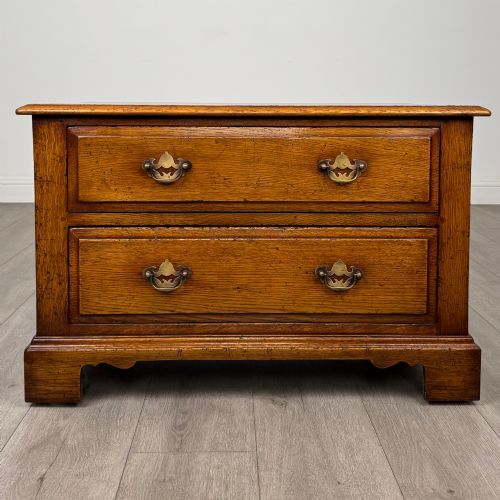
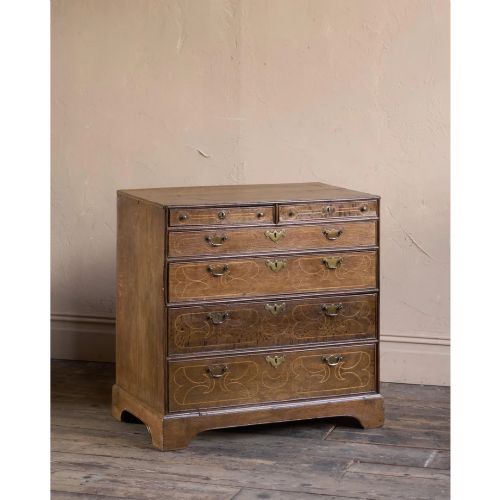
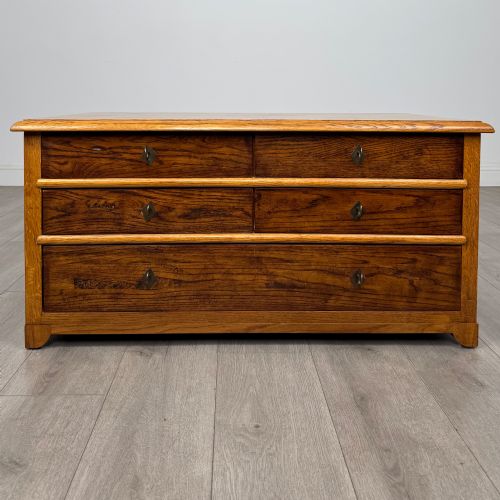
Carved Oak Commode
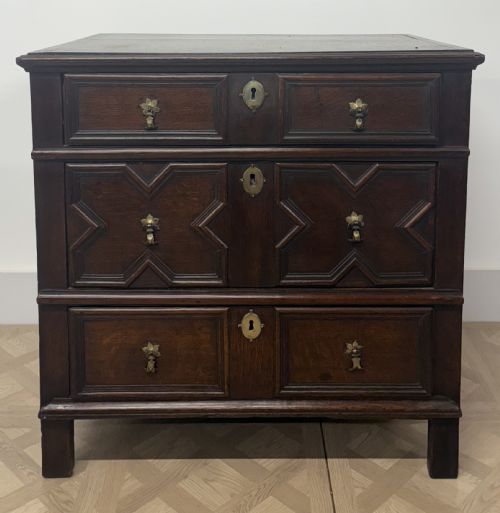
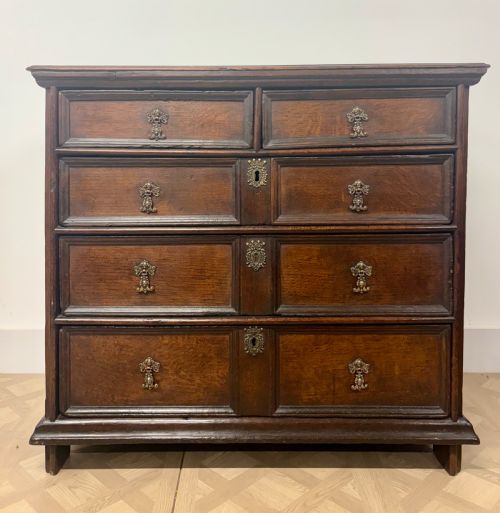
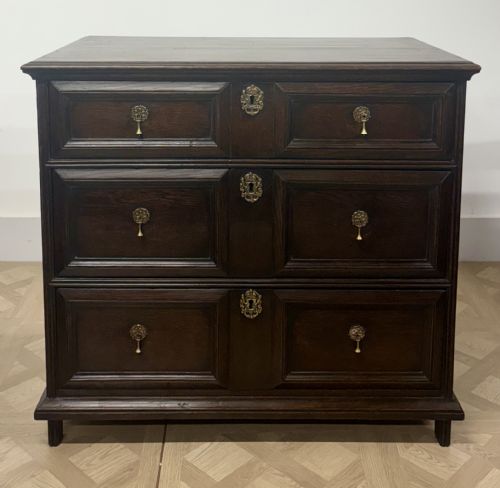
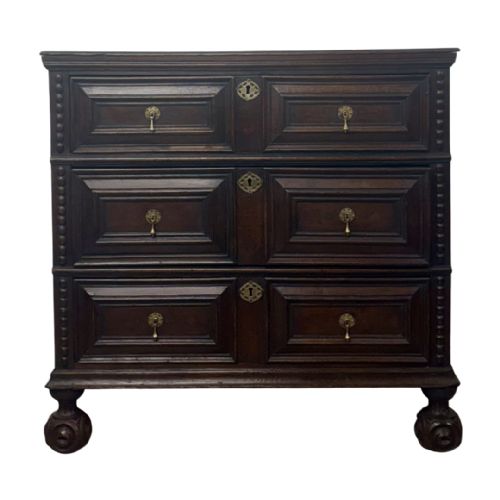
A carved oak commode brings robust texture and centuries of domestic storage into a room.
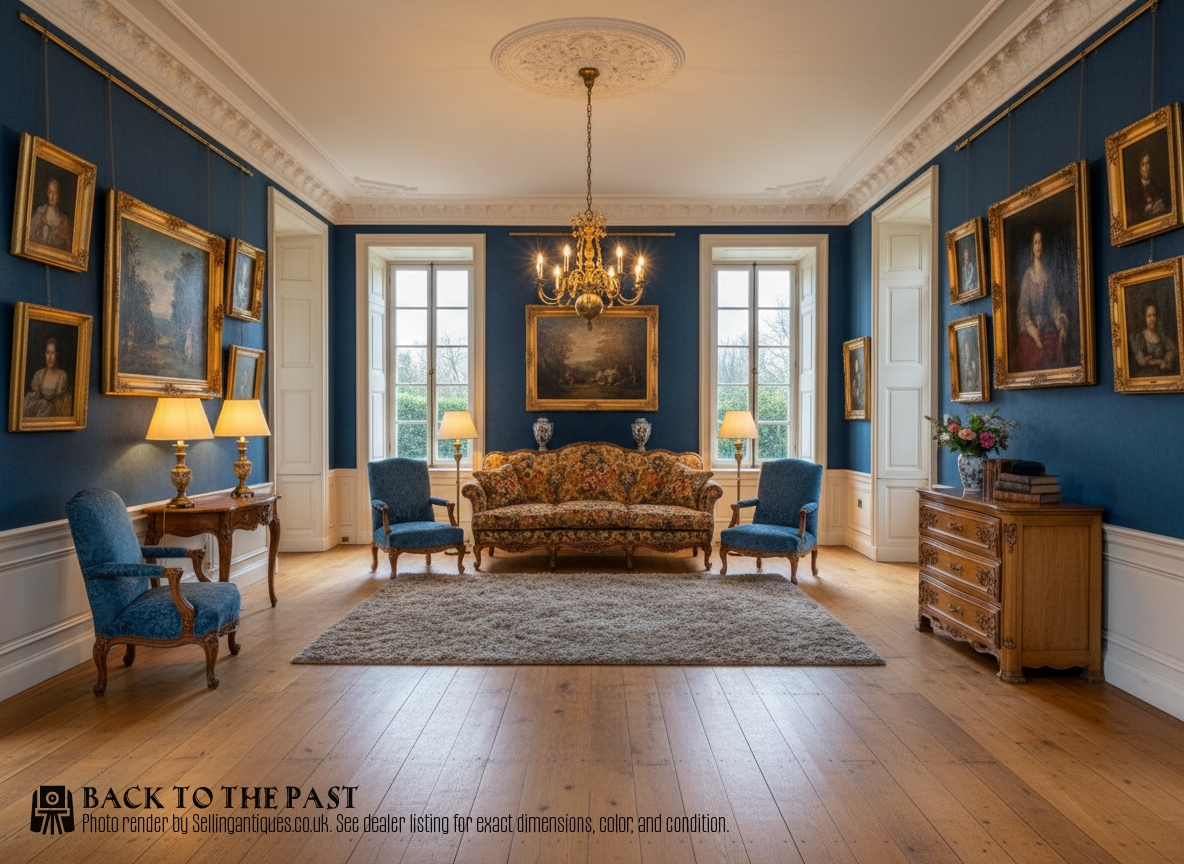
Carved Oak Commode
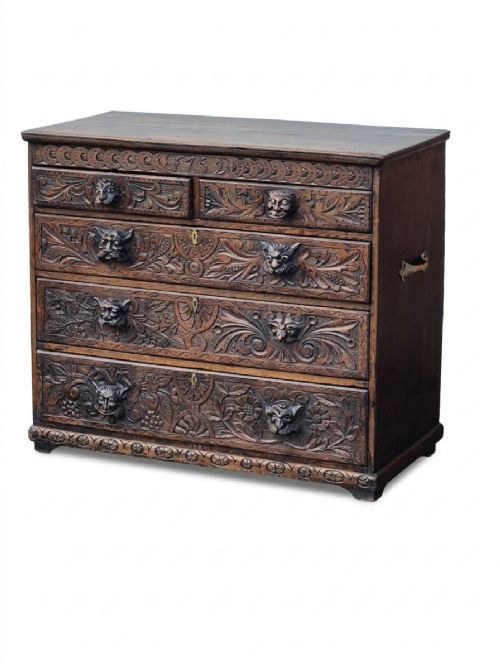
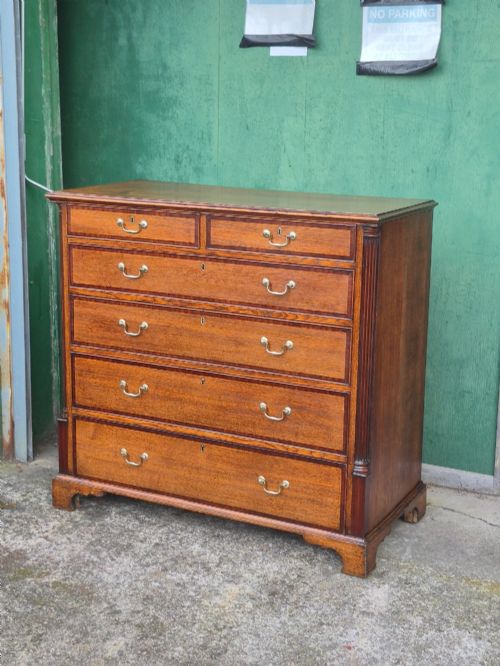
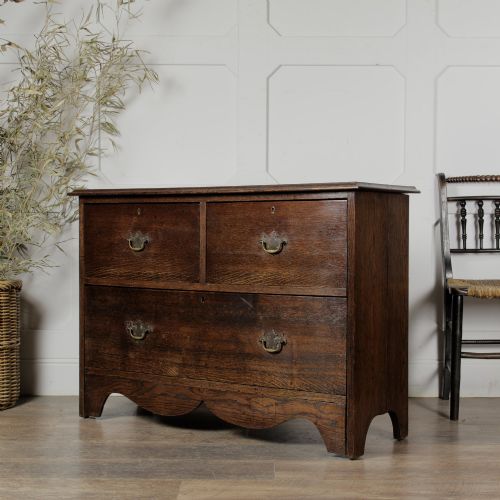
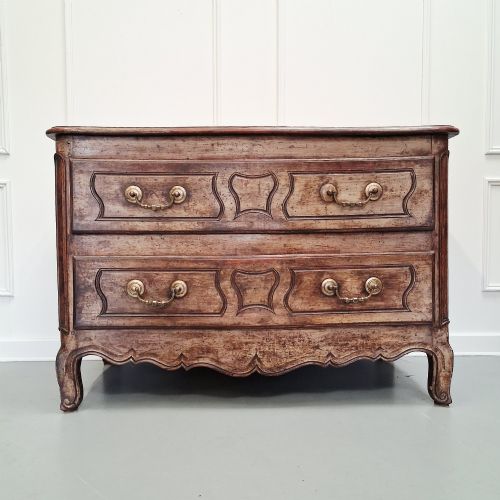
A carved oak commode encompasses both British pieces from the seventeenth and eighteenth centuries and continental European examples, primarily French, ranging from provincial chests to formal commodes. Many items that appear under this description take the form of chests of drawers, alongside bedside cabinets, washstands, and occasional commode stools.
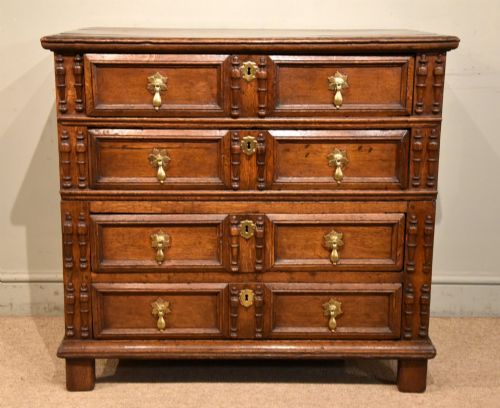
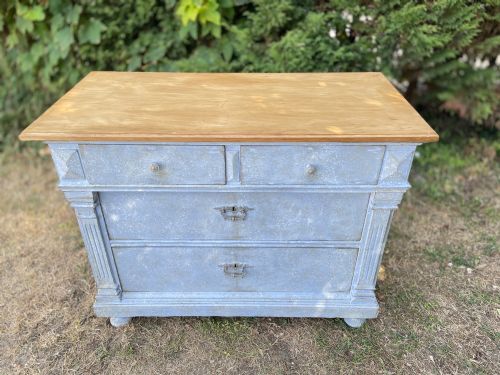
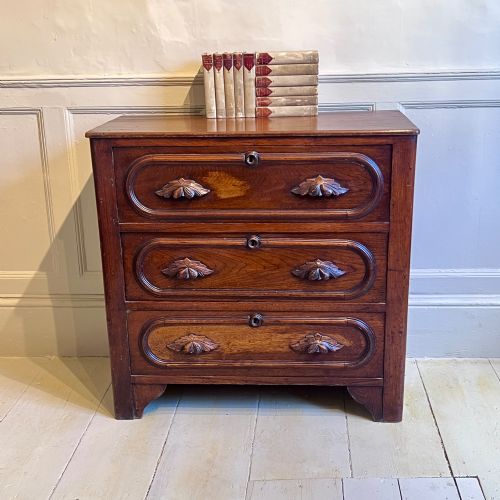
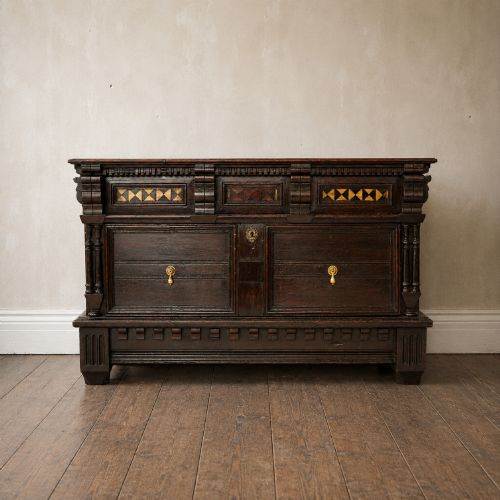
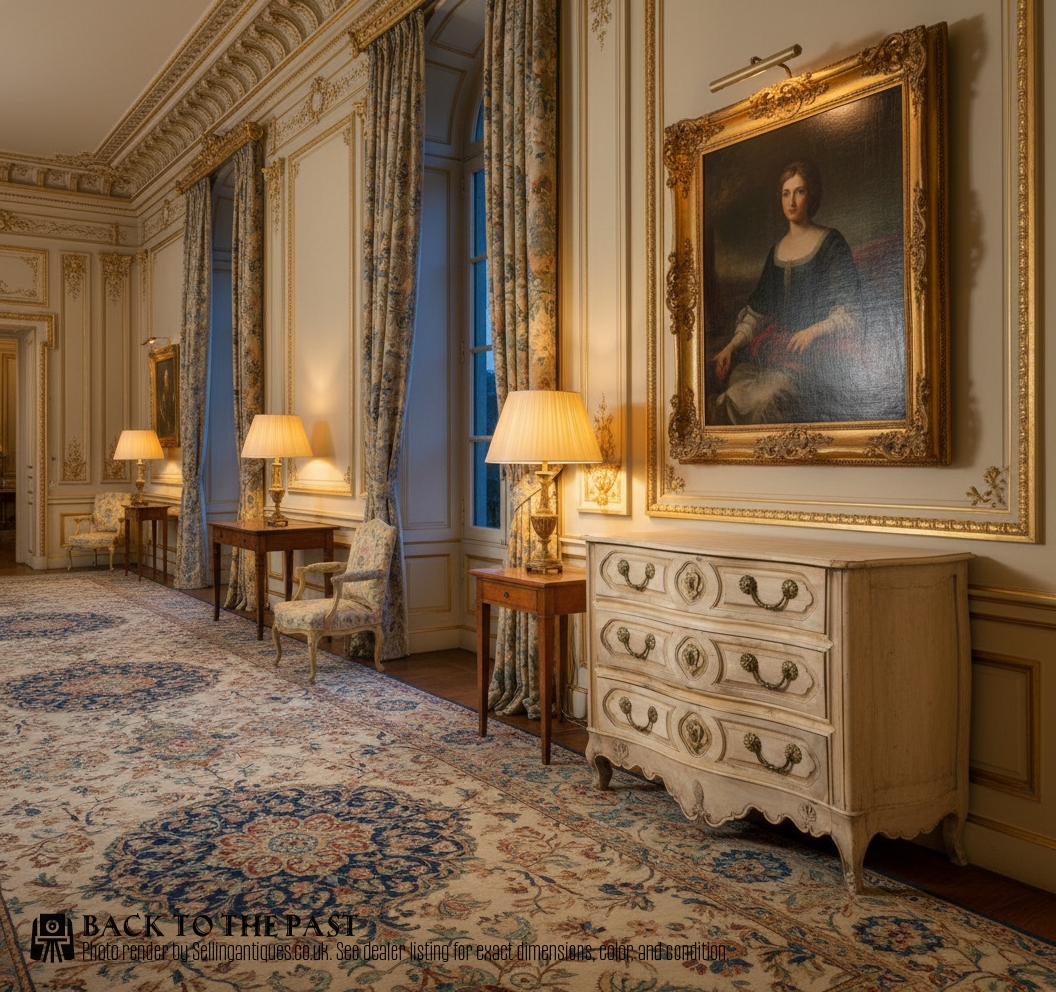
The seventeenth-century pieces rely heavily on geometric mouldings and crisp panel carving associated with the Charles II and Jacobean periods. Later continental examples often display bleached surfaces, floral carvings, and occasional marble tops.
Buyers will encounter substantial regional variation, from English joined oak furniture with pegged joints to French Provincial forms and later Victorian interpretations.
Materials and construction
The primary material across these pieces is solid oak, frequently paired with secondary woods like pine and accented by brass or iron handles, hinges, and escutcheons. Certain continental forms incorporate marble tops, while others utilise painted wood or ebonised finishes.
Cabinetmakers employed traditional frame-and-panel construction, hand-cut dovetails for drawer boxes, and applied mouldings to create depth and shadow on drawer fronts. Surface treatments range from the natural grain of bleached oak to historic dark wax and polish.
Carved Oak Commode Retail Price Guide 2026
Typical asking prices for carved oak commode among the pieces listed under this phrase on Sellingantiques today, from the lower quarter to the upper quarter. They describe what is for sale here now, not the wider market.
Listings span periods from the 17th century through the Georgian, Victorian, and Edwardian eras into the 1920s, constructed in oak, marble, brass, and iron.
Assessing quality and authenticity
Quality rests in the crispness of the original carving, the integrity of the timber, and the survival of period brassware or appropriate replacement mounts. Pieces retaining their original structural framing and uncompromised drawer linings command greater attention from collectors.
The degree of later adaptation alters a piece, as seventeenth-century fronts are occasionally married to later carcases or augmented with subsequent carving. The harmony between the oak patination and the overall proportions ultimately defines the standing of an individual commode.
The Carved Oak Commode Glossary
- Commode
- A low chest of drawers or cabinet. Originally a French furniture form, the term frequently applies to continental and British drawer units on this page.
- Geometric moulding
- Applied strips of wood arranged in repeating patterns on drawer fronts. This technique is especially prevalent on seventeenth-century English pieces.
- Bleached oak
- Timber treated to lighten its natural tone. This finish appears frequently on French provincial commodes and bedside cabinets from the twentieth century.
- Frame-and-panel
- A method of construction allowing wood to expand and contract with humidity changes. It keeps panels stable within a fixed outer frame.
- Escutcheon
- A protective plate surrounding a keyhole. These fittings are commonly cast in brass or iron.
Carved Oak Commode: Frequently Asked Questions
How do I date a carved oak commode?
Dating relies on construction methods, timber patination, and decorative motifs. Early pieces display hand-riven oak, pegged joints, and geometric mouldings typical of the seventeenth century.
Later continental or Victorian versions show softer lines, machine-sawn elements, and different hardware styles. Comparing the drawer linings and internal construction helps clarify the period of manufacture.
Are marble tops original to these commodes?
Marble tops are common on French commodes and bedside cabinets from the eighteenth century onwards. They provide a durable, decorative surface suited to washing and daily use.
English pieces more typically feature solid timber tops. When assessing a marble top, check how it seats onto the oak carcase to ensure it matches the period.
How do I care for antique oak furniture?
Antique oak benefits from stable room temperatures and protection from direct sunlight and heat sources. Sudden humidity changes cause timber to split or warp.
Apply a microcrystalline wax sparingly to nourish the wood and maintain the finish. Avoid silicone-based polishes that build up and attract dust over time.