

Vintage French Commode
A vintage french commode brings continental elegance to a room with practical drawer storage and a substantial stone top.

Vintage French Commode
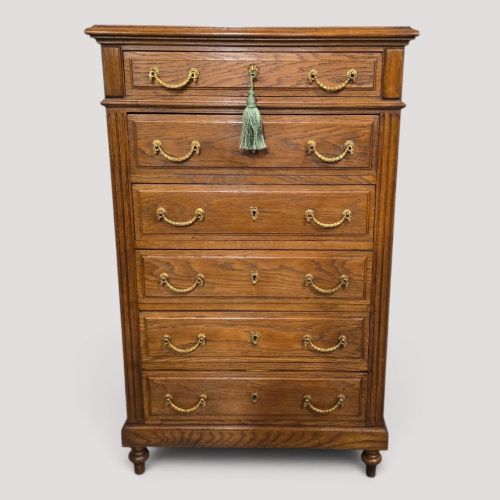
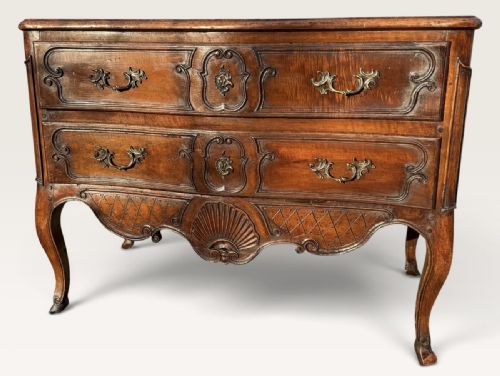
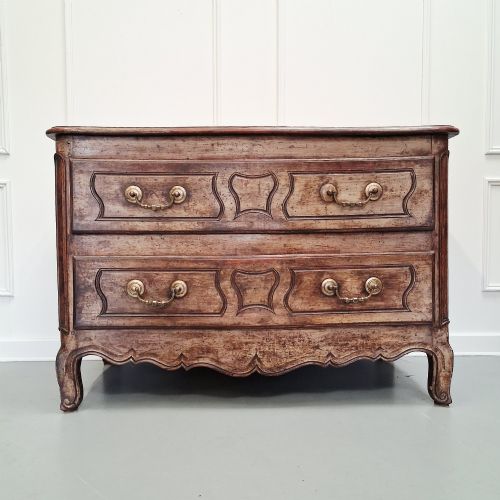
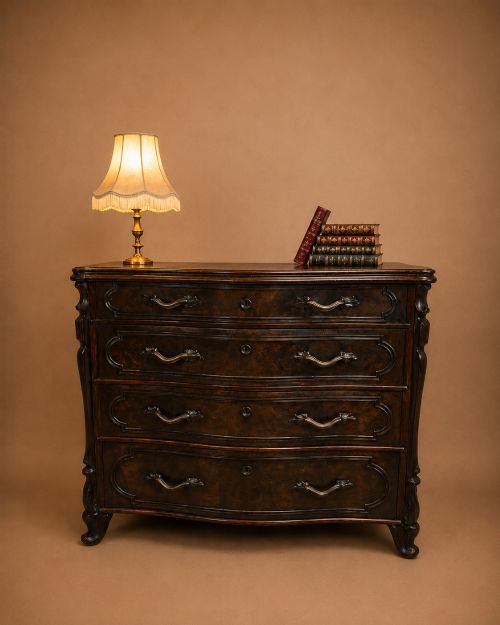
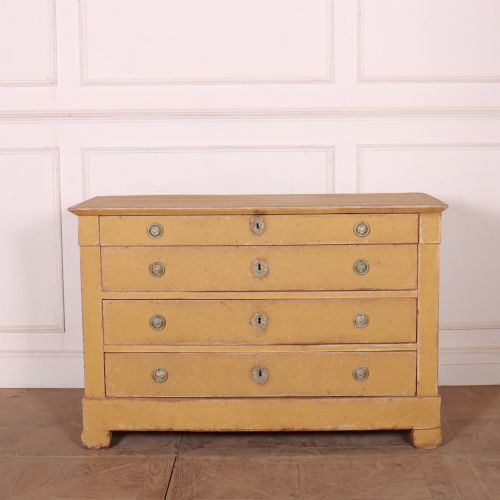
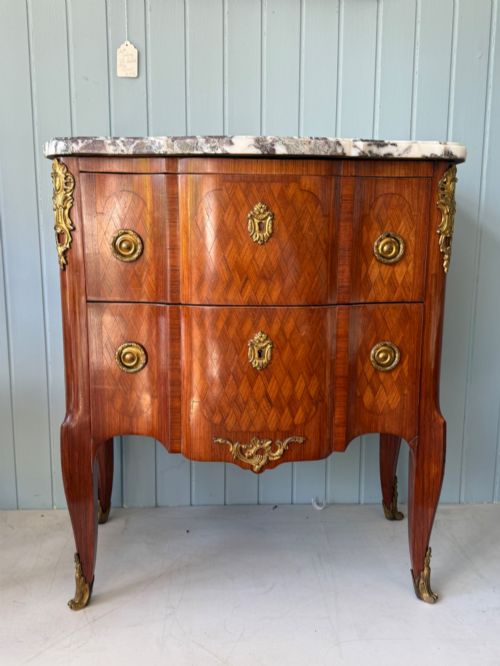
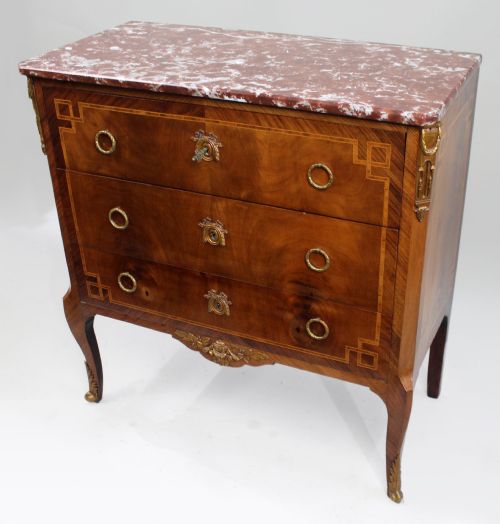
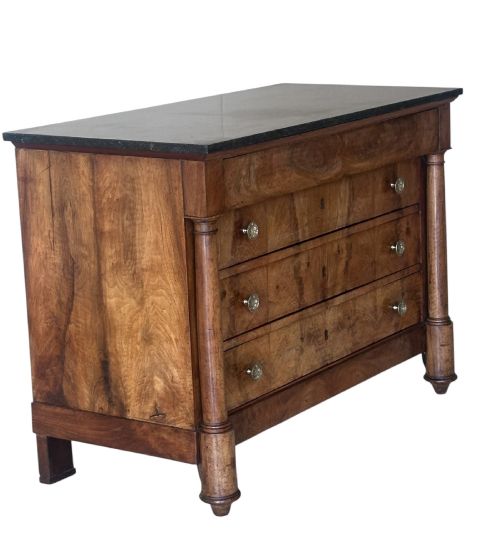
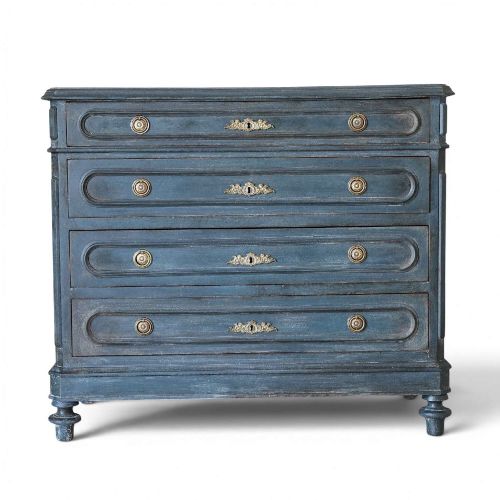
A vintage french commode is a low chest of drawers originating from France, typically featuring a fitted marble top in grey, rouge, or white. Buyers encounter numerous forms on this page, ranging from grand eighteenth-century walnut examples to lighter nineteenth-century painted pieces and twentieth-century revival styles.
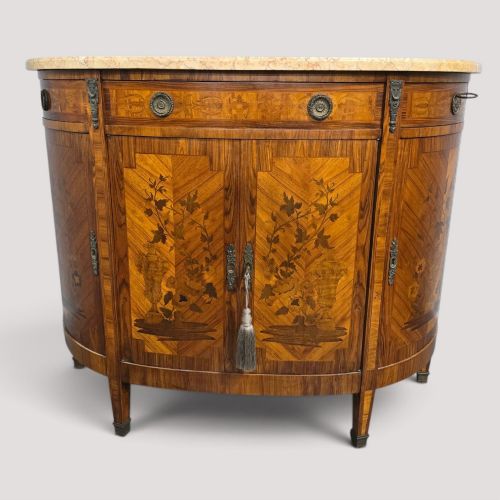
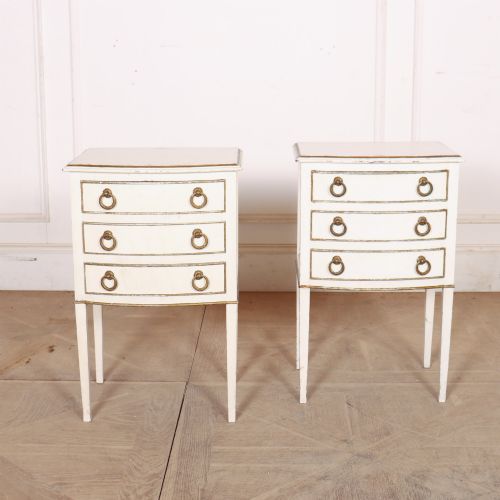
The silhouettes span serpentine fronts, bombe shapes, and straight-lined Louis Philippe models. Alongside traditional chest of drawers formats, the selection includes matching pairs of bedside cabinets, side cabinets, and demi-lune display units.
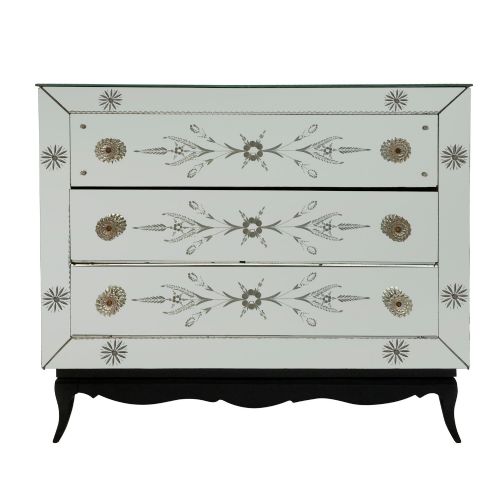
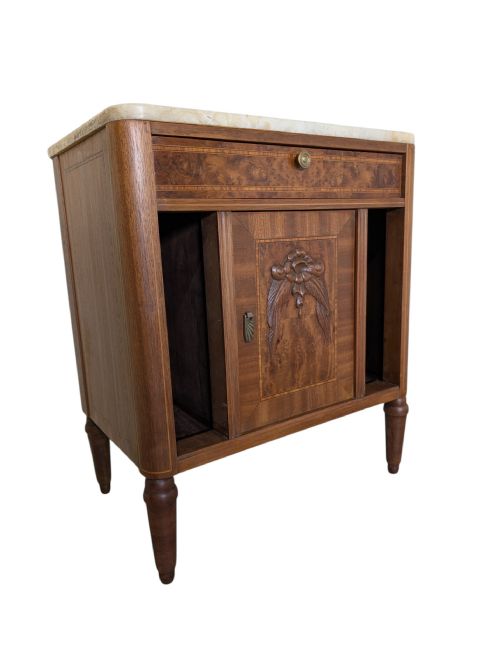
Craftsmanship draws on distinct stylistic periods including Louis XV, Louis XVI, Charles X, and Art Deco. These pieces function as statement storage units in bedrooms and living spaces alike.

Materials and construction
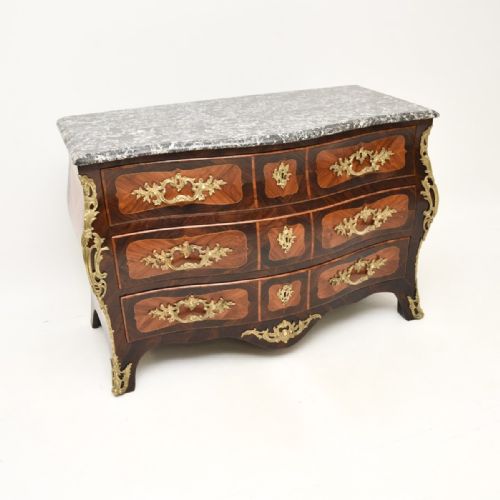
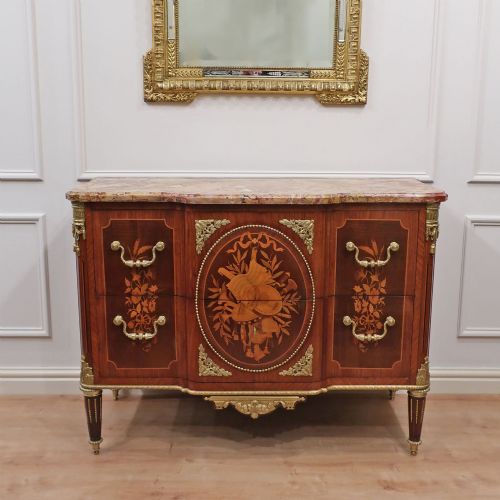
Carpenters utilised fine hardwoods such as walnut, mahogany, kingwood, and oak for the structural carcase and drawer framing. Marquetry and inlaid veneers create decorative geometric or floral patterns across drawer fronts and sides.
Heavy marble slabs rest on the timber tops, shaped with moulded edges to follow the serpentine or bow front of the commode. Cast brass and ormolu mounts accentuate key corners, handles, and key escutcheons.
Vintage French Commode Retail Price Guide 2026
Typical asking prices for vintage french commode among the pieces listed under this phrase on Sellingantiques today, from the lower quarter to the upper quarter. They describe what is for sale here now, not the wider market.
One exceptional Art Deco commode hides parchment-covered drawers within a palisander frame.
Judging execution and finish
Quality rests in the precision of the cabinetmaker's joinery and the integrity of the timber selection. Superior pieces display seamless marquetry matching and crisp, hand-chased ormolu mounts rather than mass-produced brassed metal.
The thickness and finishing of the marble top also dictate standard, where polished bevelling and clean natural veining distinguish the finer examples from simpler pine or oak utility builds.
Jacques Bircklé
The Vintage French Commode Glossary
- Bombe
- A swollen or bulging convex shape characteristic of eighteenth-century and revival commode forms. This curved profile requires advanced woodworking skill to build the undulating drawer fronts.
- Marquetry
- Decorative patterns formed by fitting small pieces of wood veneer into the carcase. Craftsmen used various tinted timbers to create pictorial designs.
- Ormolu
- Gilded bronze mounts applied to furniture for decorative effect. The metal is cast and chased to produce crisp relief details.
- Demi-lune
- A half-moon shape used for console tables and small cabinets. This format fits flush against a wall in narrow hallways.
- Serpentine
- A front edge shaped with a central concave curve flanked by two convex sweeps. This undulating line appears frequently on eighteenth and nineteenth-century pieces.
Vintage French Commode: Frequently Asked Questions
What is a french commode?
A french commode is a traditional low chest of drawers designed for domestic storage, typically finished with a decorative marble top and ornate wooden veneers.
These pieces developed in France across various royal periods, evolving from heavy formal case furniture into lighter provincial and revival designs.
How do I clean a marble top?
Marble requires gentle cleaning with warm water and a soft cloth to preserve the polished surface without scratching the stone.
Avoid acidic household cleaners or vinegar, which can etch the calcium carbonate in the marble and dull the finish.
Are these commodes suitable for modern bedrooms?
The modest height and generous drawer depth make these pieces practical for clothes storage or as bedside tables in contemporary interiors.
Their stone tops provide a durable surface for lamps and decorative items while introducing historical character to a room.
How can I tell the period?
Dating relies on identifying stylistic markers like the cabriole legs of Louis XV forms or the straighter geometric lines of Louis XVI and Art Deco pieces.
Construction methods inside the drawers and the type of wood veneers used also help determine whether a piece is eighteenth century or a later nineteenth-century revival.