
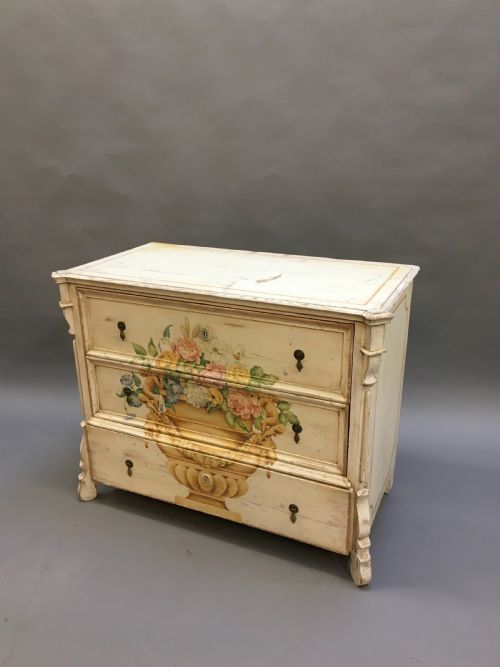
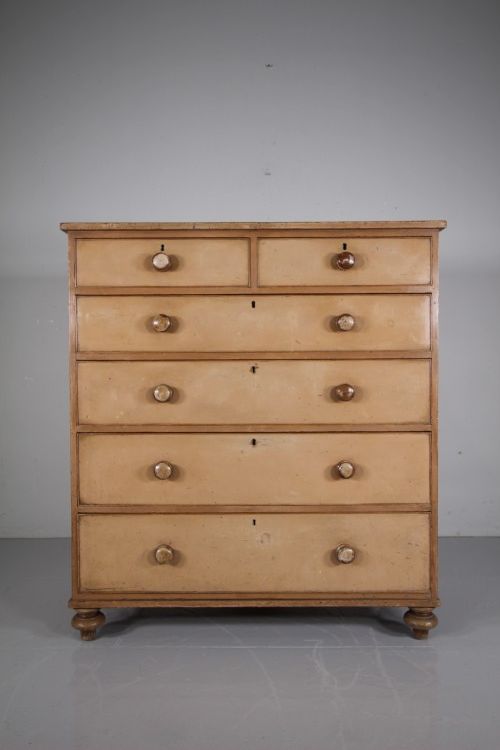

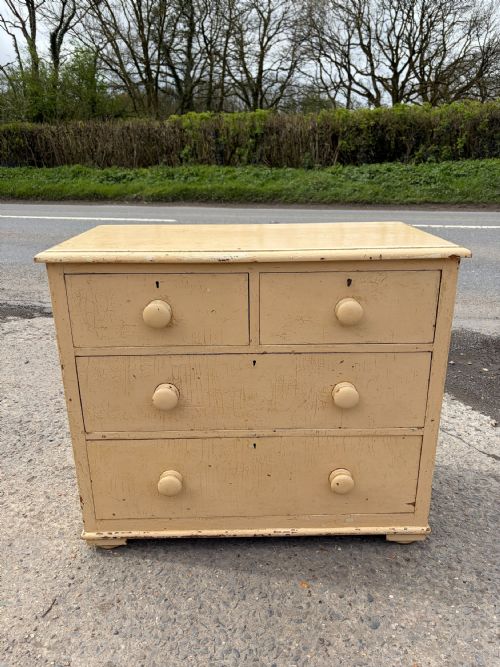
Cream Painted Commode
A cream painted commode brings continental elegance and practical storage to a room through curved silhouettes and aged painted surfaces.
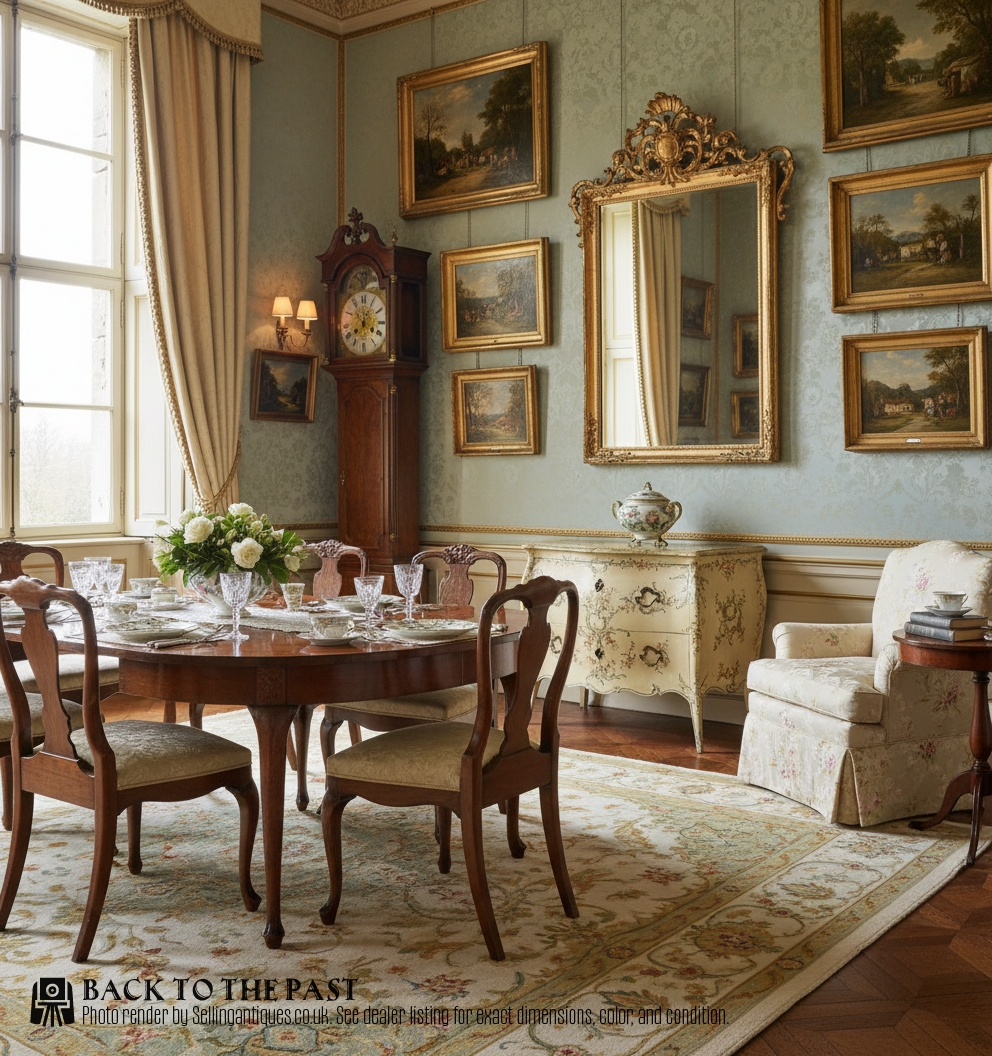
Cream Painted Commode
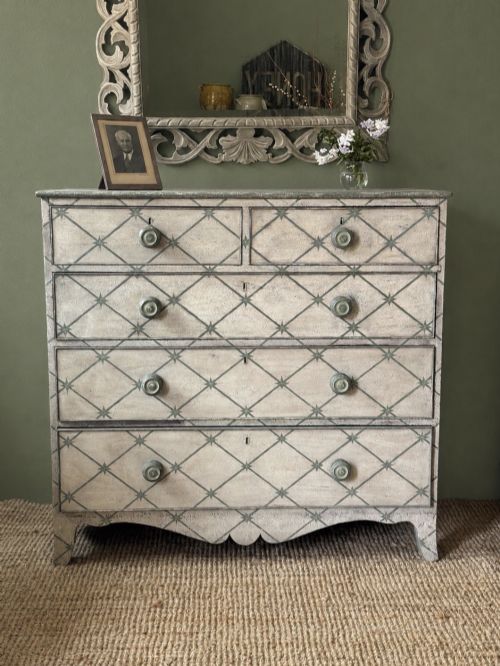
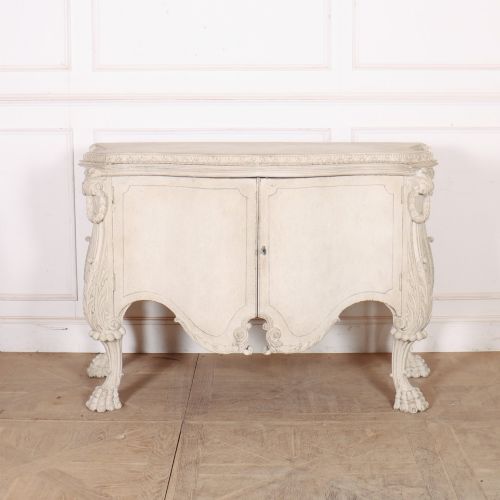
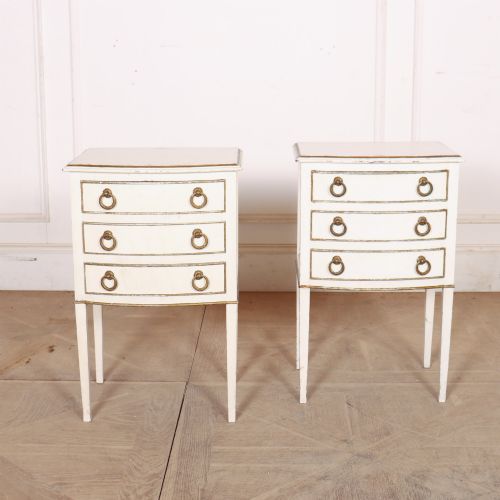
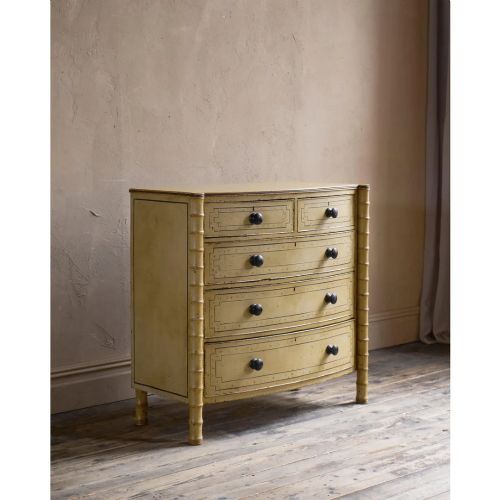
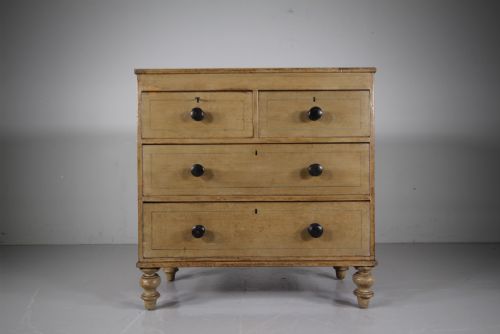
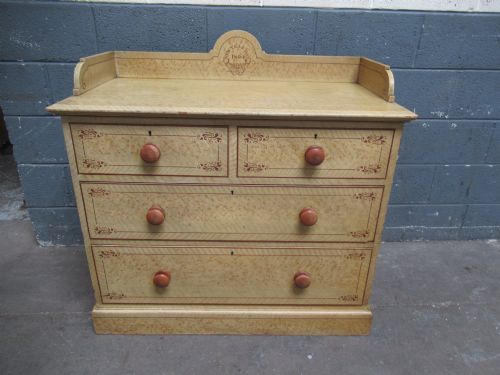
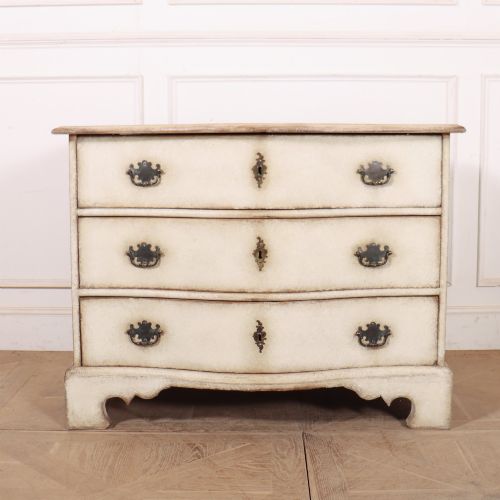
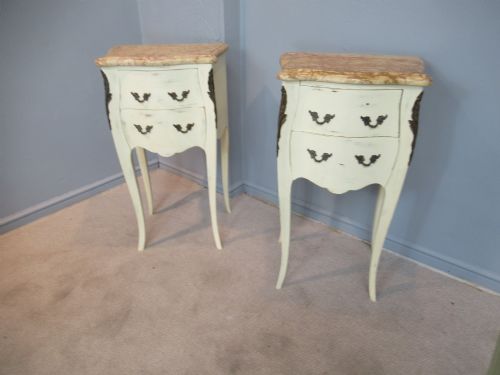
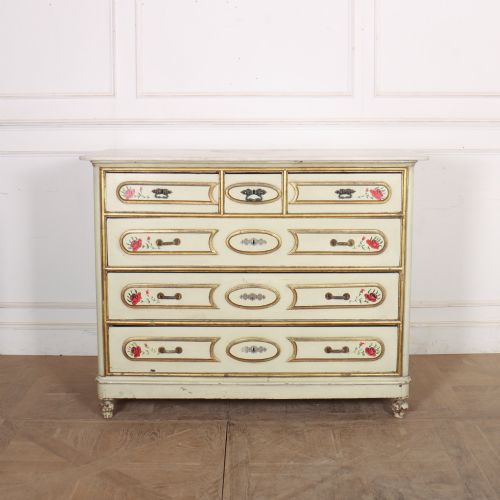
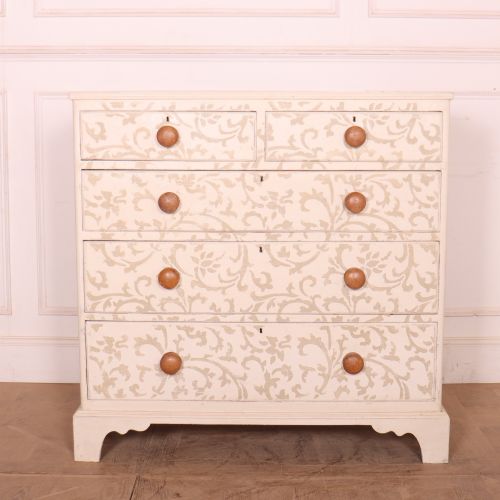
A cream painted commode is a low storage chest, often featuring serpentine or bow fronts, originating across diverse European traditions from the eighteenth century onwards. When searching this phrase, buyers encounter pieces spanning French, Italian, Swedish, and English workshops, constructed in forms ranging from full-sized chests to bedside cabinets and sideboards.
The selection on this page relies heavily on nineteenth-century examples alongside eighteenth-century originals and early twentieth-century interpretations. Pine, oak, and other woods form the carcasses beneath layers of historic or decorative paint.
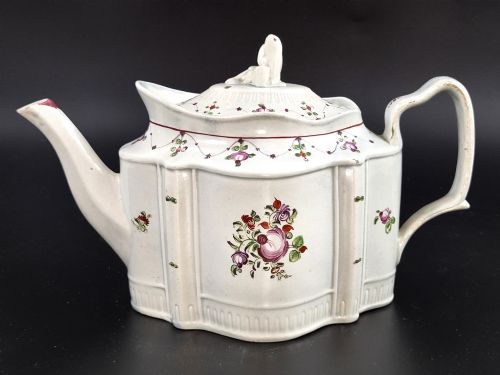
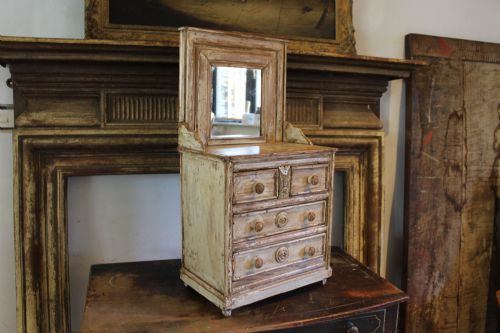
Beyond standard chests of drawers, the category encompasses side cabinets, commode-shaped teapots, and miniature apprentice pieces. French provincial and Italian rococo styles dominate the aesthetic, frequently paired with marble tops and brass hardware.
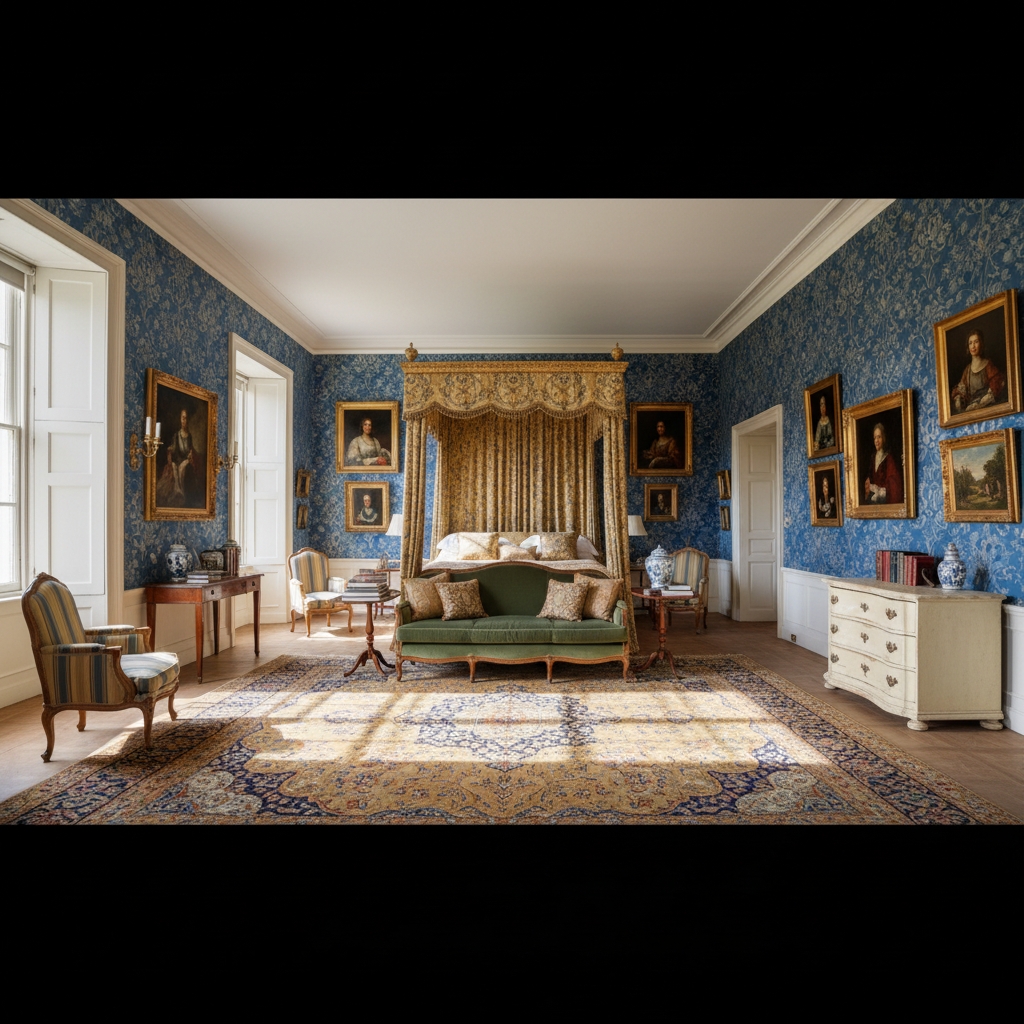
How they were made
Carpenters constructed these pieces using solid timbers like pine and oak, often shaping the wood into serpentine or bow-front profiles requiring precise joinery. Surfaces received multiple applications of paint, sometimes in decorative japanned finishes or layered over older schemes to achieve depth.
Details such as carved mouldings, brass pulls, and inset marble tops completed the construction, uniting structural joinery with ornamental surface treatments.
Cream Painted Commode Retail Price Guide 2026
Typical asking prices for cream painted commode among the pieces listed under this phrase on Sellingantiques today, from the lower quarter to the upper quarter. They describe what is for sale here now, not the wider market.
Listings feature items from the eighteenth, nineteenth, and early twentieth centuries, spanning Victorian, Regency, and French provincial styles in painted wood, pine, and marble.
What varies in quality
Quality rests in the harmony of the proportions, the integrity of the timber beneath the paint, and the survival of original decorative schemes rather than later overpainting. Finer examples display fluid serpentine carving and balanced hardware integration that reflect their period of origin.
The handling of the painted surface dictates much of the character, where skilled brushwork and natural wear distinguish superior artisan production from simpler utilitarian builds.
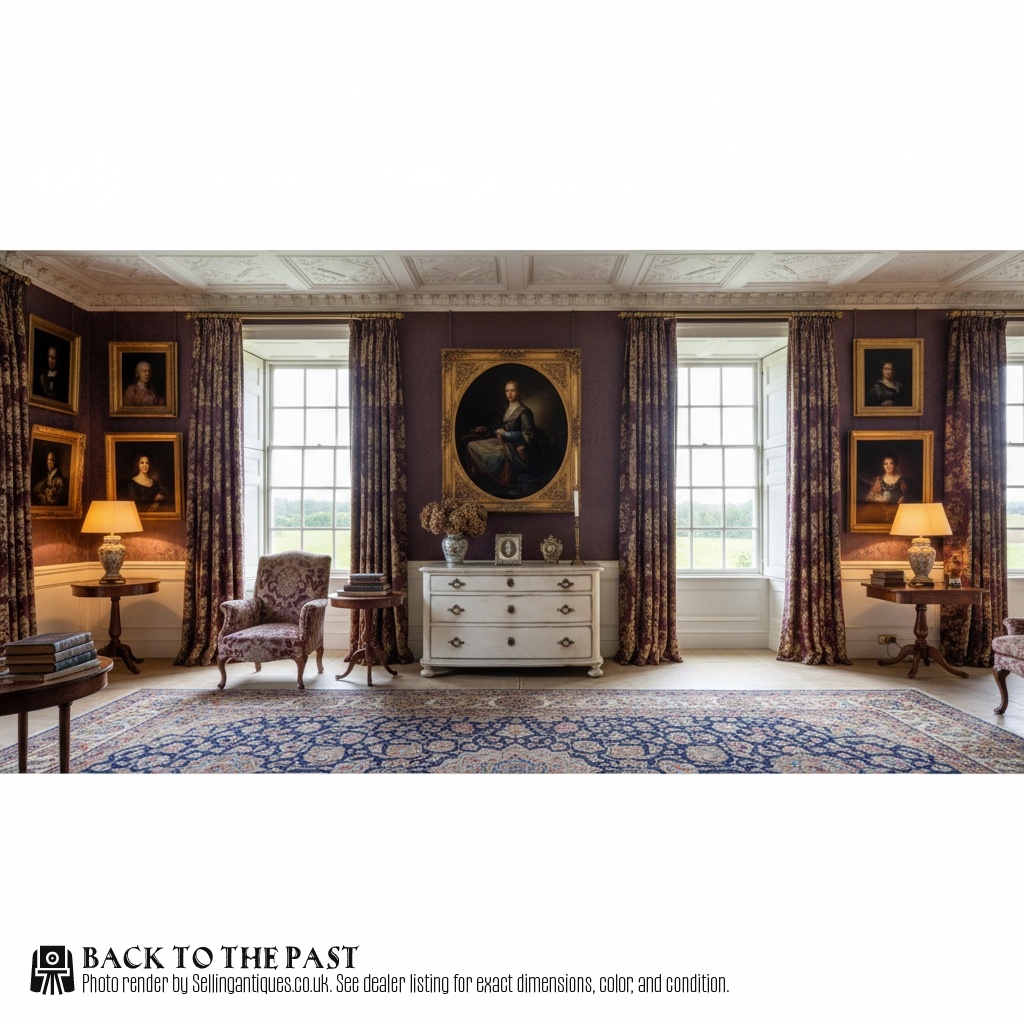
The Cream Painted Commode Glossary
- Serpentine
- A furniture front curved in a concave-convex-concave wave shape. This rhythmic contour requires skilled carpentry and defines many continental pieces.
- Bowfront
- A convex, outward-curving front profile popular in nineteenth-century case furniture. It softens the geometric rigidity of a standard rectangular chest.
- Japanned
- European imitation of East Asian lacquerwork using resin-based varnishes and decorative painting. It appears on select twentieth-century decorative pieces.
- Demi-lune
- A half-moon shape used for the tops and footprints of side cabinets and consoles. This form fits neatly against walls while offering surface display area.
Cream Painted Commode: Frequently Asked Questions
Where should I place a painted commode?
These cabinets work well in bedrooms as bedside tables or clothes storage, and in hallways as statement console pieces.
Their decorative painted surfaces allow them to function as focal points against plain walls or to soften neutral interior palettes.
How do I care for an antique painted surface?
Dust gently with a dry, soft cloth and avoid chemical cleaners that can lift historic paint layers.
Keep pieces away from direct sunlight and excessive heat fluctuations to protect the underlying timber and finish.
What is the difference between a commode and a chest of drawers?
While both provide drawer storage, a commode traditionally refers to a low, decorative cabinet with continental origins, often featuring curved serpentine or bow fronts.
Standard chests of drawers can be taller and follow more utilitarian English or regional vernacular designs.
How can I tell an eighteenth-century piece from a later style?
Examine the construction joints, timber shrinkage, and the nature of the paint layers beneath magnification.
Eighteenth-century examples show hand-cut joinery and natural wear patterns that differ from twentieth-century revivals.