

French Commode Chest
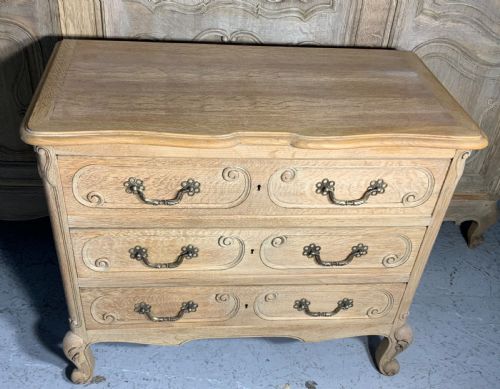
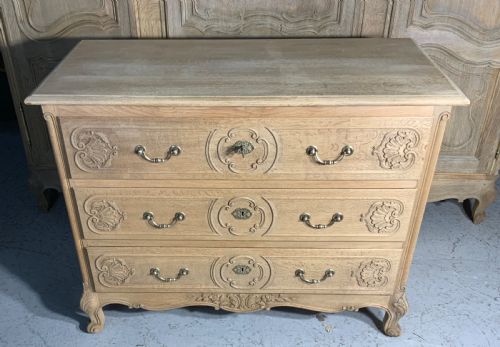
When sourcing a french commode chest, you are looking at substantial continental storage designed with architectural presence and fine timber work.
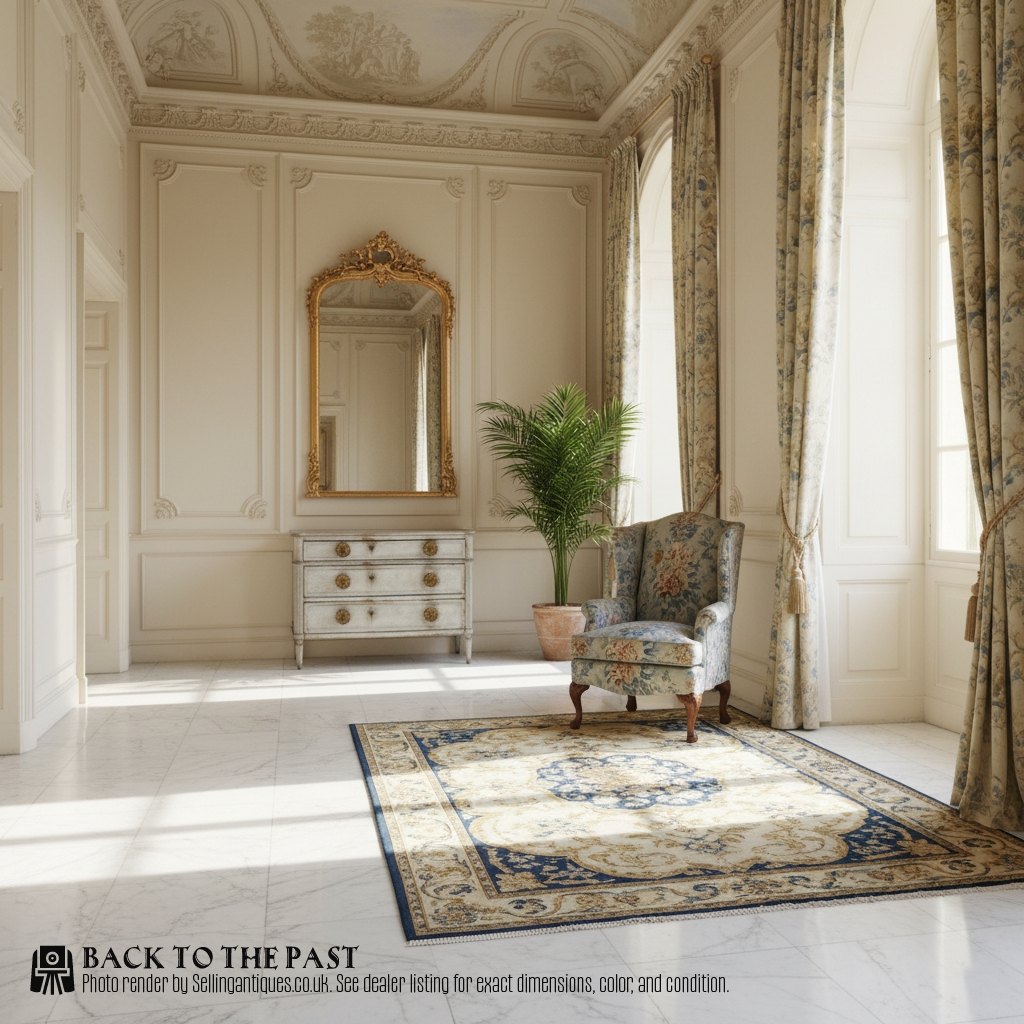
French Commode Chest
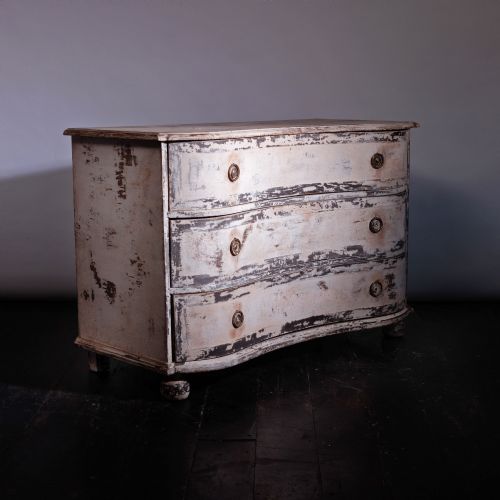
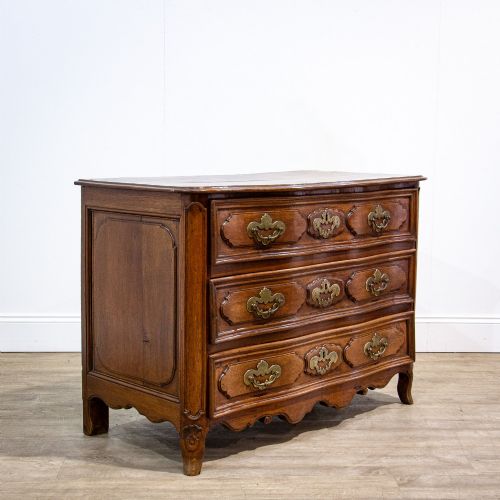
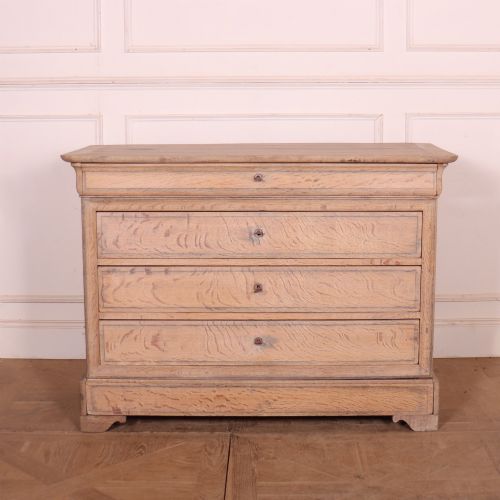
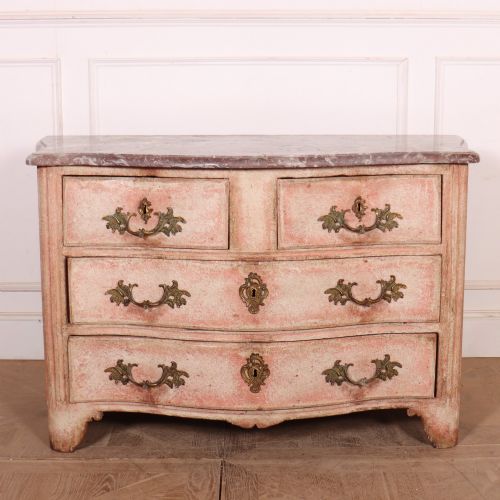
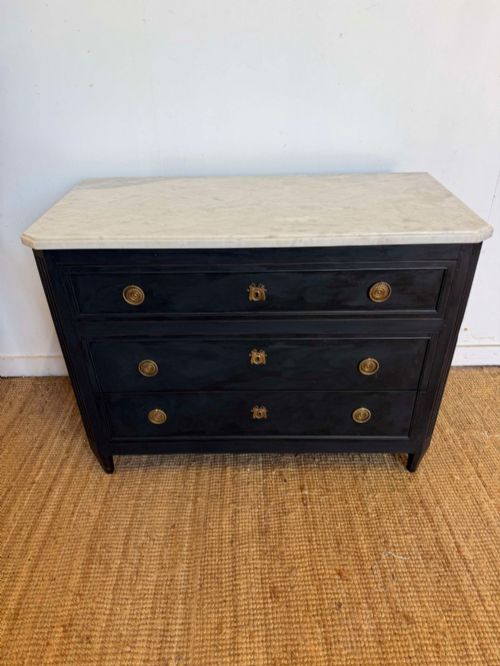
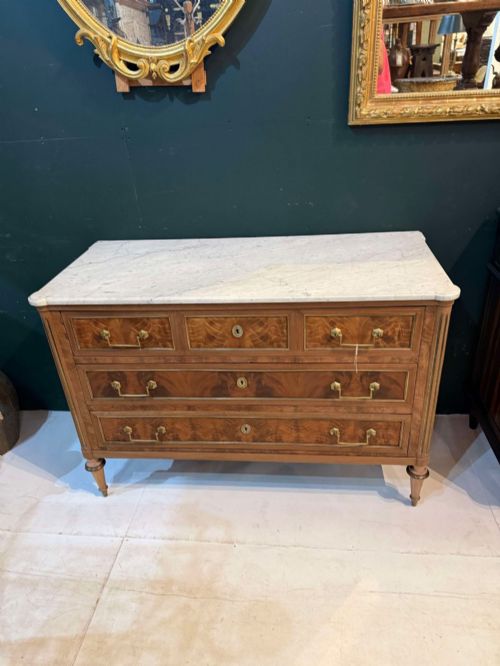
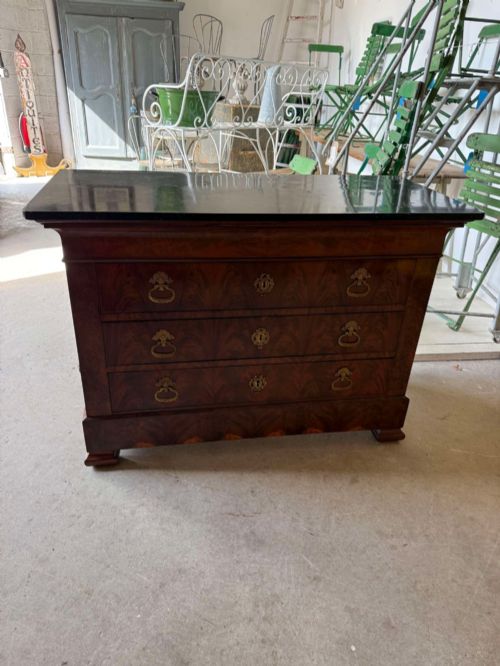
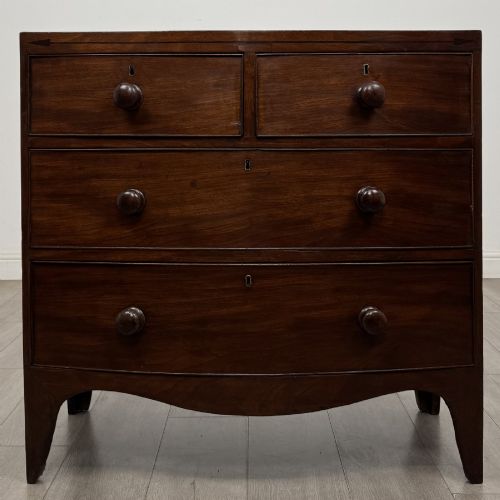
A french commode chest is a low storage unit with multiple drawers, developed primarily in continental Europe for domestic chambers and salons. The form ranges from robust provincial walnut and cherrywood examples to highly ornamented urban pieces dressed in exotic veneers.
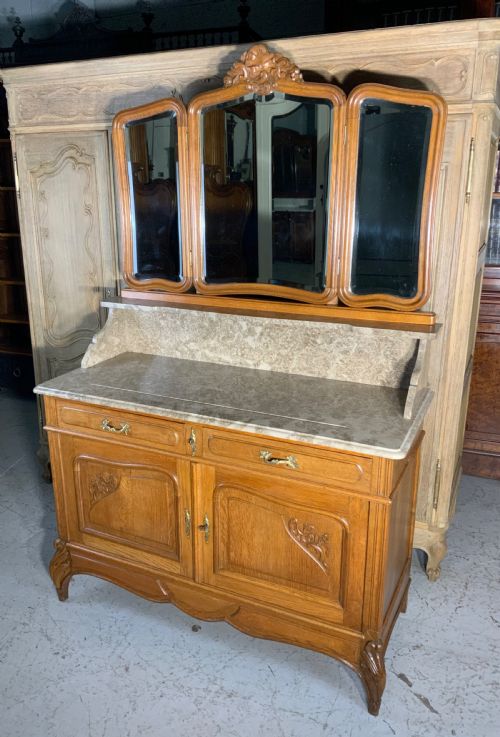
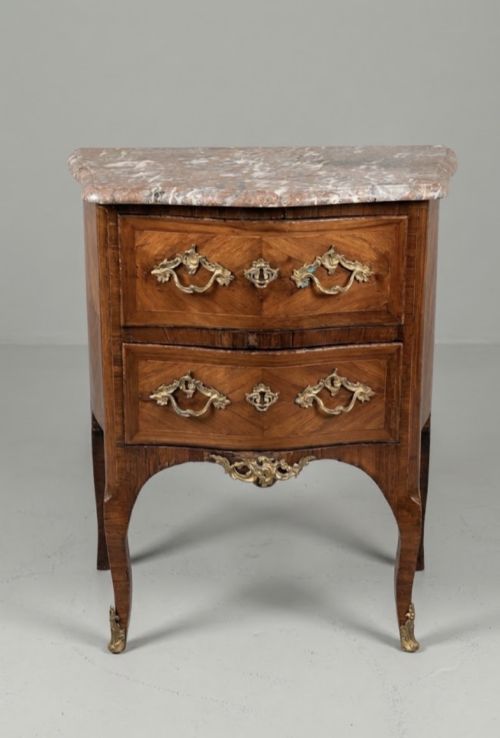
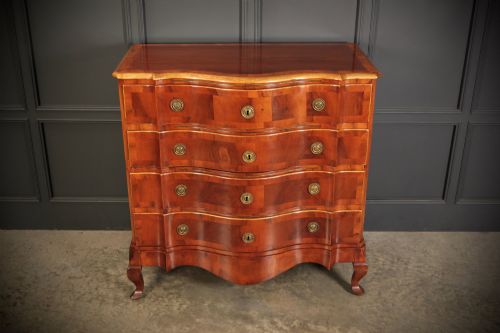
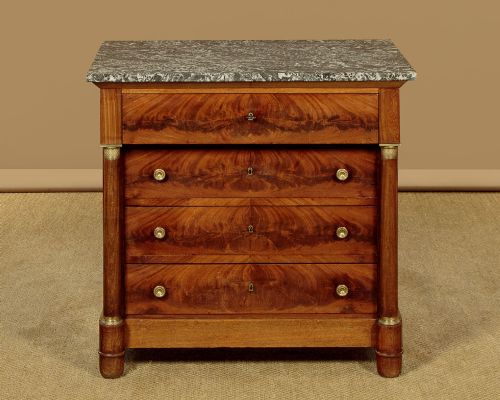
Buyers will encounter eighteenth-century walnut and burr elm items alongside nineteenth-century revival pieces in the Louis XV and Louis XVI styles. Variants include serpentine and bombe shapes, bedside cabinets, and mirrored or painted finishes from later decades.
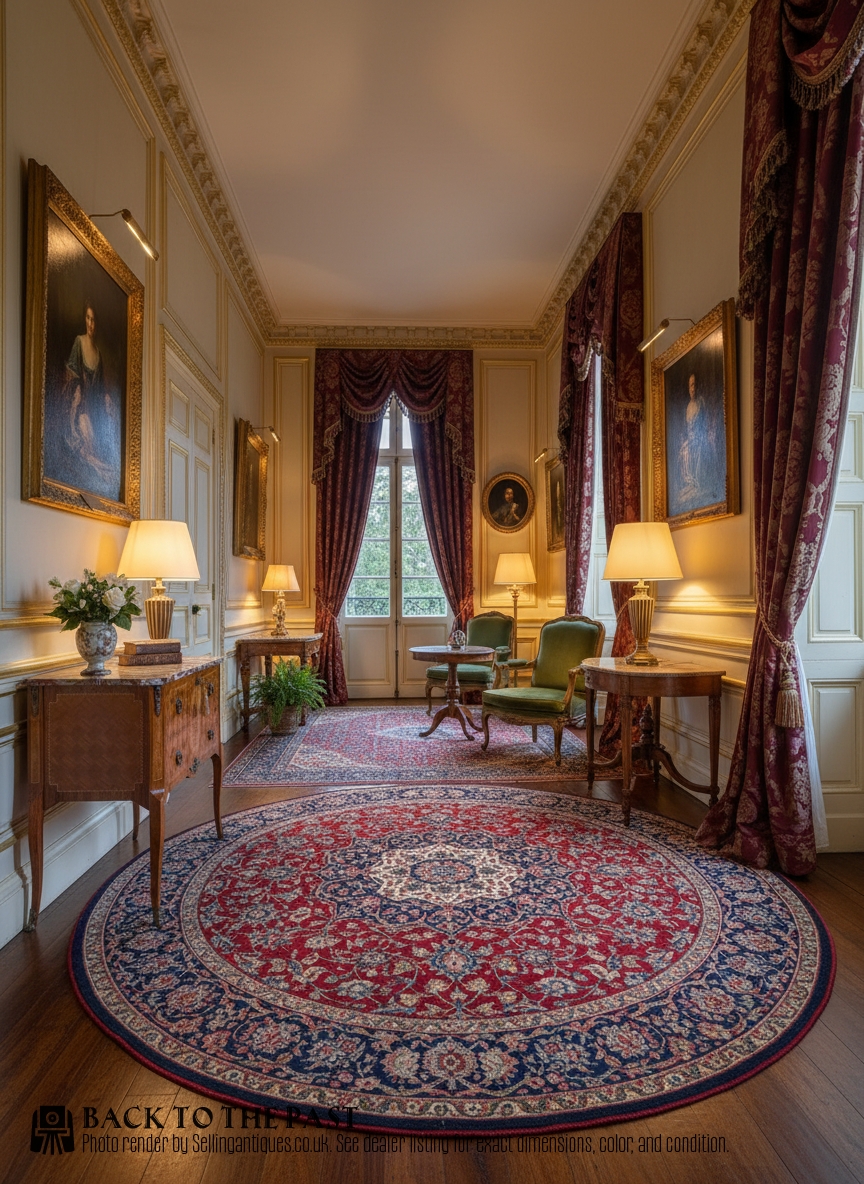
How they were made
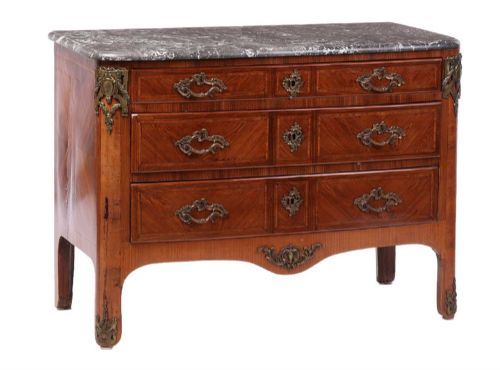
Cabinet makers utilised structural timbers such as oak and pine for carcases, applying decorative face veneers including kingwood, mahogany, and walnut arranged in parquetry or marquetry patterns. Drawer fronts and sides frequently follow complex curved outlines requiring precise carpentry.
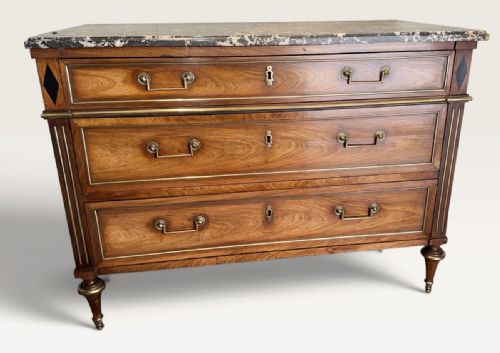
Many examples incorporate heavy stone surfaces, utilising grey, white, or rouge marble tops fitted to the upper frame. Gilt bronze and ormolu mounts, along with brass handles and escutcheons, accent the corners, legs, and aprons.
French Commode Chest Retail Price Guide 2026
Typical asking prices for french commode chest among the pieces listed under this phrase on Sellingantiques today, from the lower quarter to the upper quarter. They describe what is for sale here now, not the wider market.
Some nineteenth-century chests conceal secrets within faux bamboo frames and parchment-lined drawers, proving that even storage likes to play dress-up.
What varies in quality
The standard of timber selection and veneer matching defines the visual depth of the piece, distinguishing finely figured flame mahogany or burr elm from plain surfaces. The complexity of the carcase shape, particularly the sharpness of serpentine sweeps and bombe curves, reveals the maker's technical skill.
Hardware execution marks the tier of production, with cast ormolu and gilt bronze mounts showing crisp chasing compared to simpler pressed brass fittings. The integration of the marble top and the precision of drawer construction further separate standard workshop output from signed pieces.
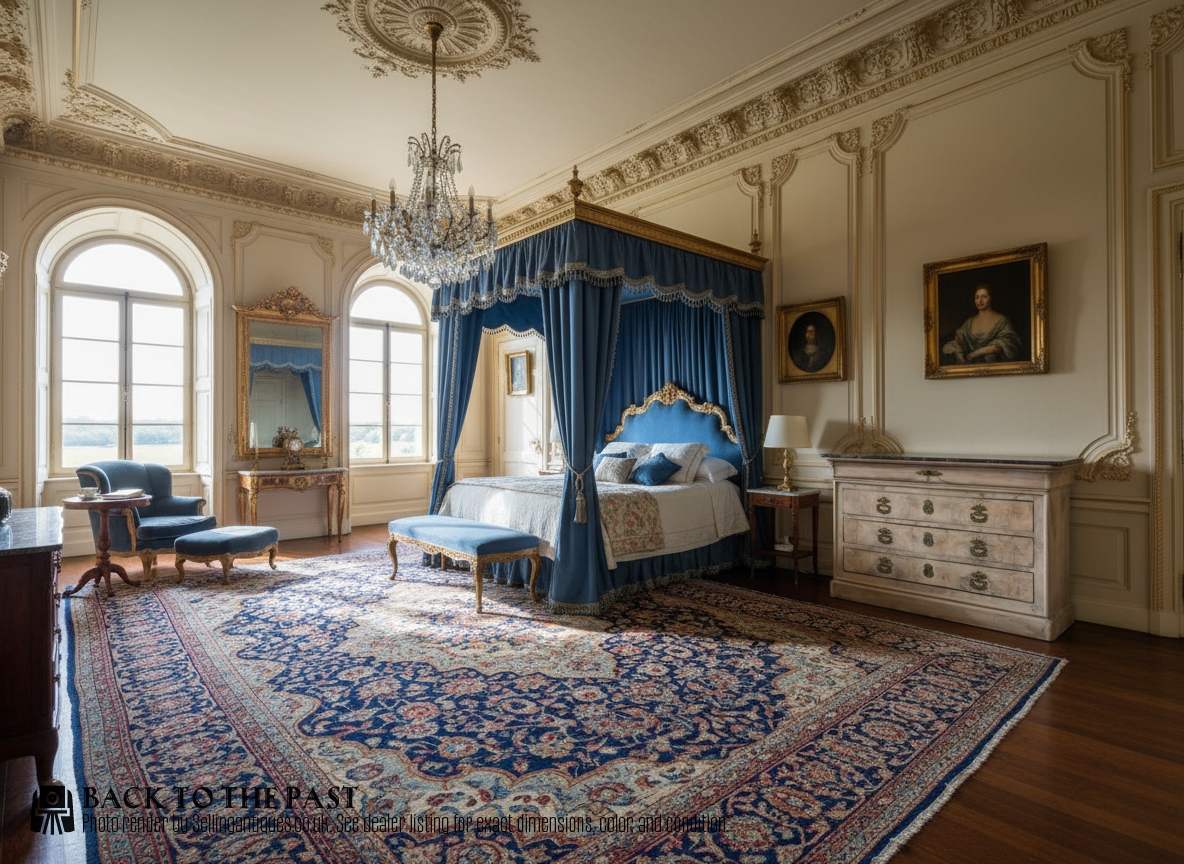
Jacques Bircklé·Henry Dasson·Gillows·Bruneau
The French Commode Chest Glossary
- Commode
- A low chest of drawers, originating in France during the seventeenth century as a decorative and practical development from the chest.
- Bombe
- A swollen or bulging convex contour found on the front and sides of furniture carcases, prominent in rococo designs.
- Marquetry
- The art of applying pieces of veneer to a structure to form decorative patterns, pictorial scenes, or floral designs.
- Ormolu
- Gilded bronze used for decorative mounts, handles, and feet on high-status cabinetry.
- Parquetry
- Geometric mosaic woodwork formed by small pieces of veneer arranged in patterns such as squares, cubes, or lozenges.
French Commode Chest: Frequently Asked Questions
How do I date a French commode?
Dating relies upon examining the secondary timbers used inside the carcase, the construction of the drawer dovetails, and the overall stylistic vocabulary. Eighteenth-century examples often display hand-sawn oak linings and asymmetrical rococo mounts, while nineteenth-century revival pieces utilise machine-cut elements alongside heavier cast ormolu.
Changes in hardware styles and the presence of makers' stamps or signatures also assist in establishing a precise period. Comparing the veneer types against documented regional practices narrows the window of manufacture.
How do I clean the wood and ormolu?
Maintenance requires gentle dusting with a soft, dry cloth to prevent the accumulation of grit on delicate veneers and polished timber surfaces. Avoid using modern silicone sprays or abrasive household cleaners that can strip historic finishes.
Ormolu mounts should be cleaned strictly with a dry cloth, steering clear of liquid metal polishes that can seep into the surrounding wood grain. Professional conservation is recommended for deep cleaning or repairing damaged mounts.
What is the difference between Louis XV and Louis XVI styles?
Louis XV furniture is defined by asymmetrical curves, serpentine fronts, and naturalistic rococo motifs such as scrolling foliage and floral marquetry. The overall aesthetic prioritises fluid shapes over straight lines.
By contrast, the Louis XVI style marks a return to classical symmetry, featuring straight tapered legs, fluted columns, and geometric parquetry. The decorative vocabulary draws from ancient architectural forms including urns, swags, and ribbons.