

18th Century Style Commode
An 18th century style commode brings architectural presence and generous storage to a room through curved drawer fronts and polished timber surfaces.
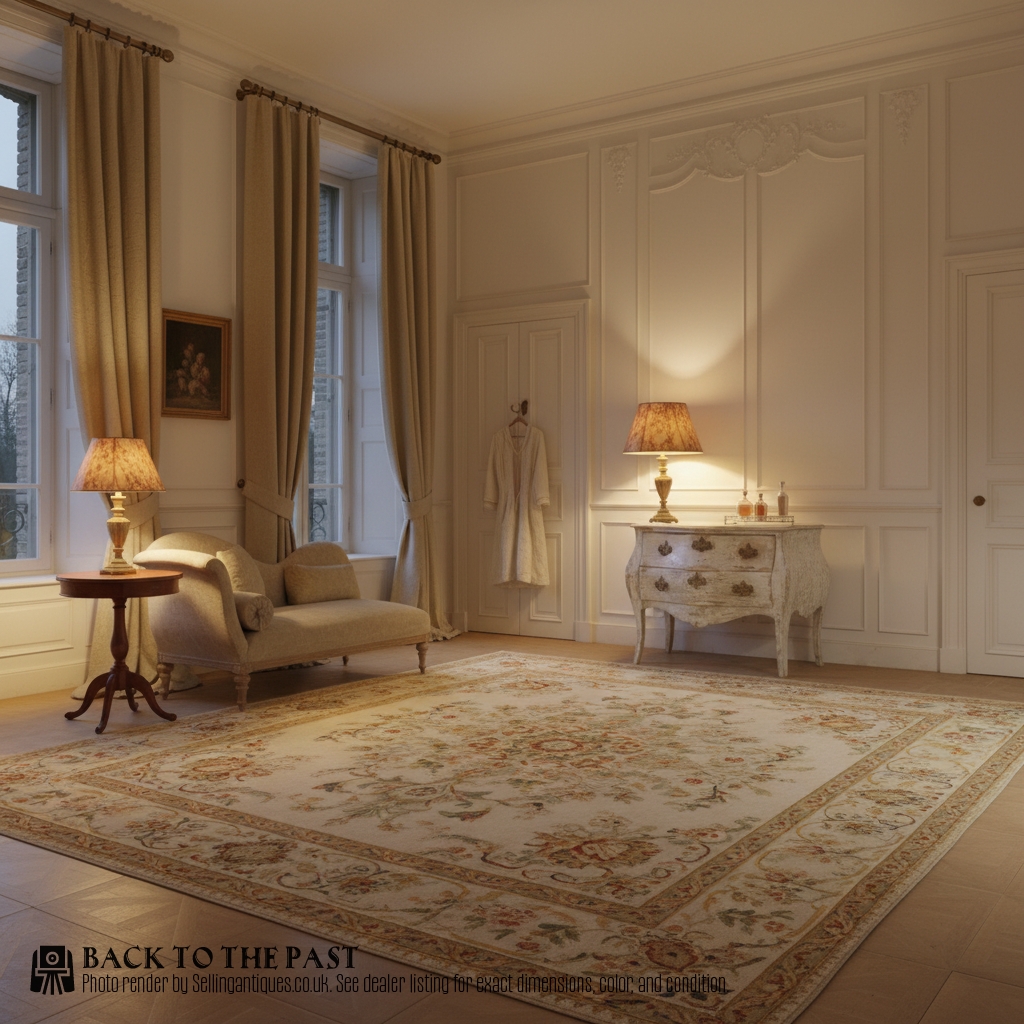
18th Century Style Commode
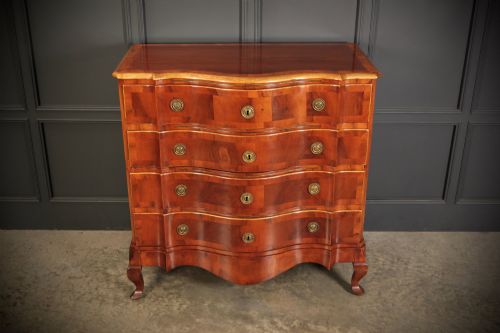
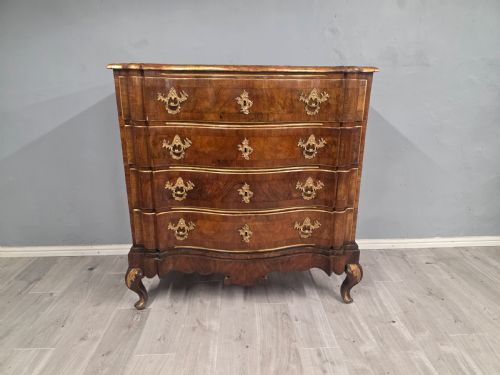
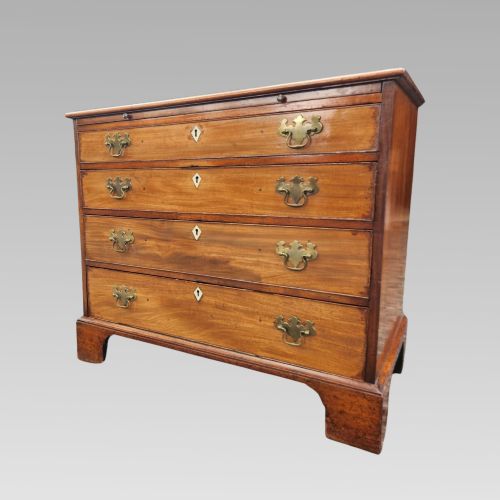
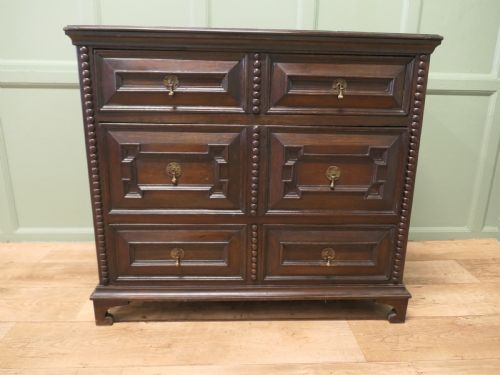
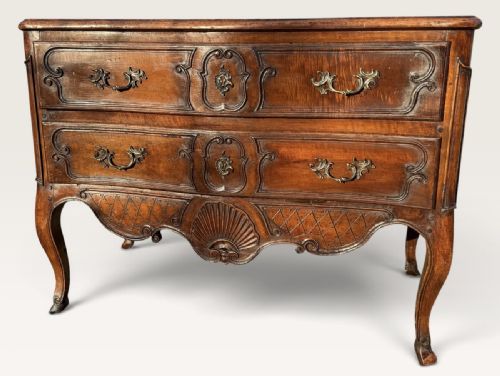
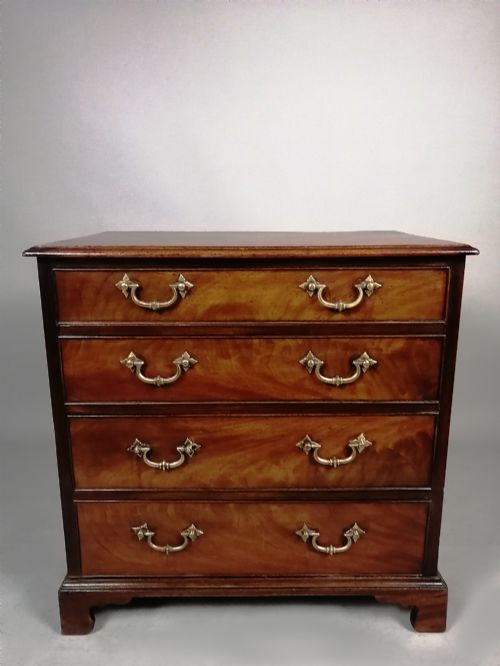
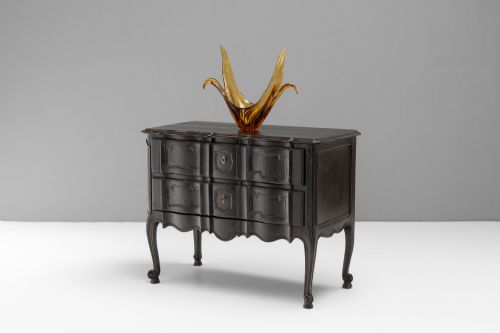
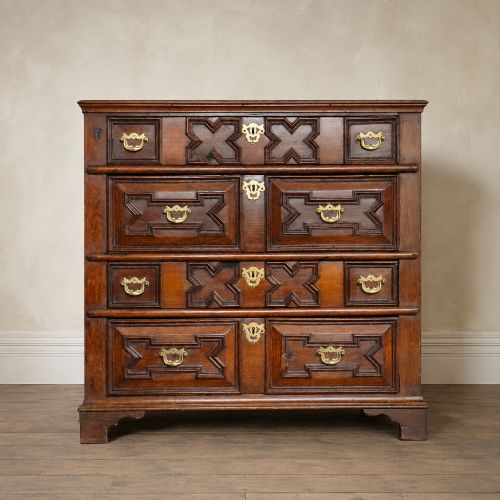
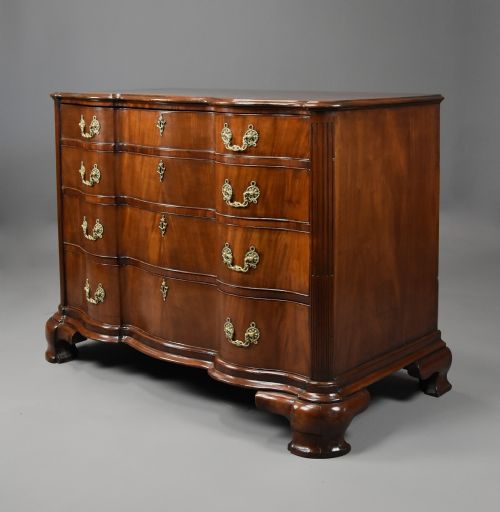
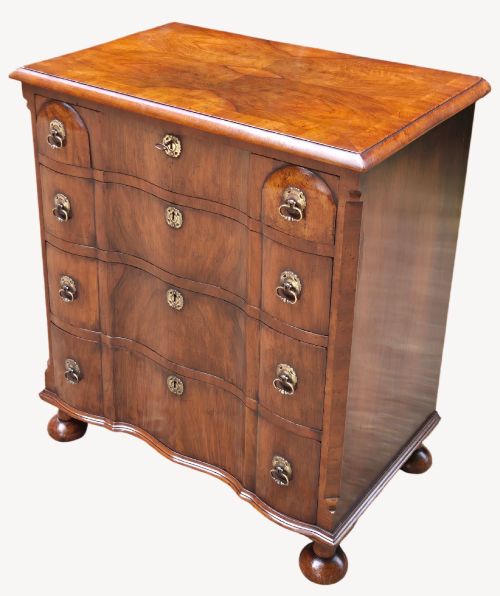
The dominant forms on this page include serpentine, oxbow, and bombe profiles, often constructed with multiple graduating drawers and supported on bracket or cabriole feet. English variations tend to favour straightforward mahogany or oak construction with flush sides, whilst Continental versions display elaborate veneers, painted surfaces, and distinct regional shaping.
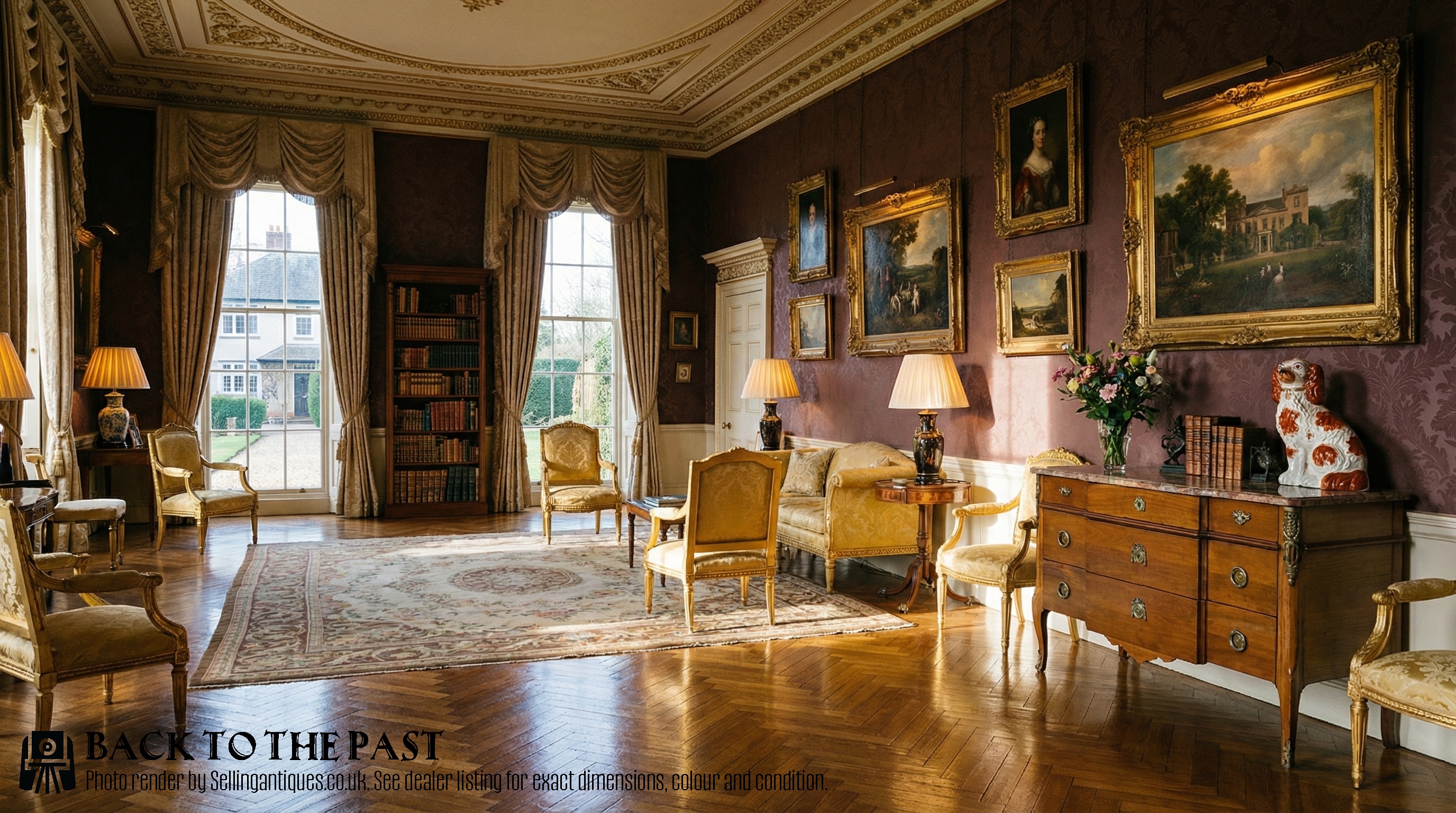
Materials and Construction
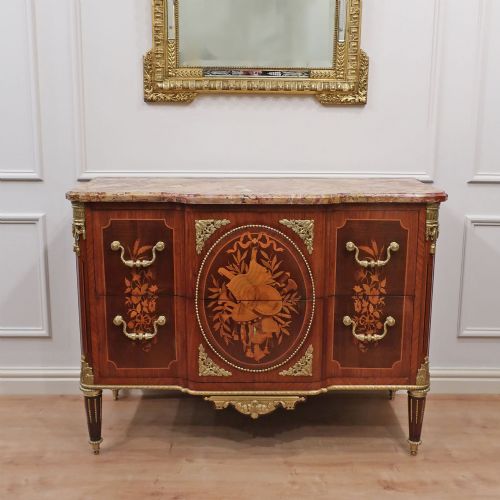
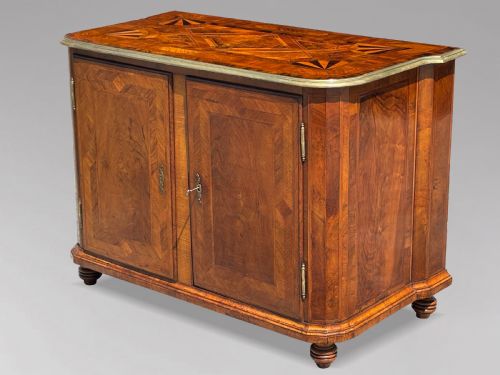
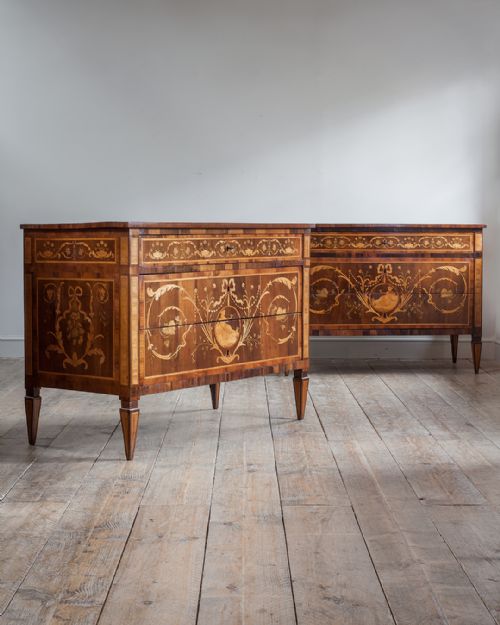
Cabinetmakers built these pieces using dense hardwoods including mahogany, walnut, oak, and cherrywood, frequently applying burr veneers, kingwood, or marquetry panels to primary surfaces. Drawer boxes typically employ hand-cut dovetail joints, running smoothly within solid timber frames rather than modern metal runners.
Many Continental examples integrate fitted marble tops in various shades, resting directly upon the wooden carcass. Brass handles, escutcheons, and mounts secure the drawers and corners, fastened by traditional pins or threaded fixings.
18th Century Style Commode Retail Price Guide 2026
Typical asking prices for 18th century style commode among the pieces listed under this phrase on Sellingantiques today, from the lower quarter to the upper quarter. They describe what is for sale here now, not the wider market.
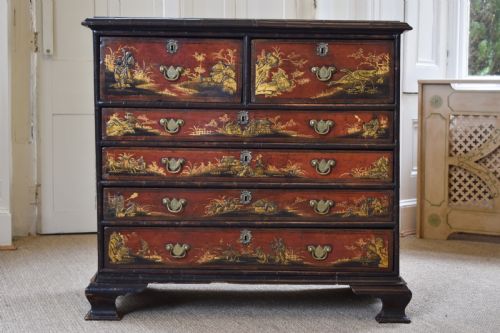
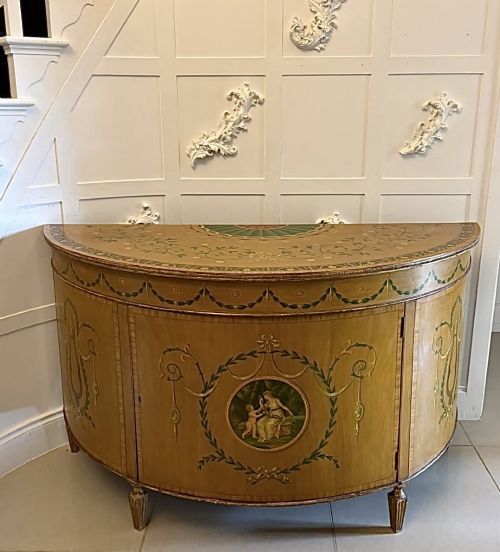
Listings feature oak, mahogany, walnut, and cherrywood timbers, alongside painted Gustavian and Chinoiserie finishes.
Execution and Detail
The standard of a piece rests upon the precision of its timber selection, particularly in book-matched veneers and continuous grain patterns across curved drawer fronts. Finer examples exhibit disciplined carving on cabriole legs and crisp moulding around drawer perimeters rather than cast or stamped substitutes.
Structural integrity depends on the preservation of original carcase timbers, backboards, and drawer linings without extensive modern replacement. Original hardware, intact marble slabs, and functional locking mechanisms distinguish high-grade work from utilitarian items.
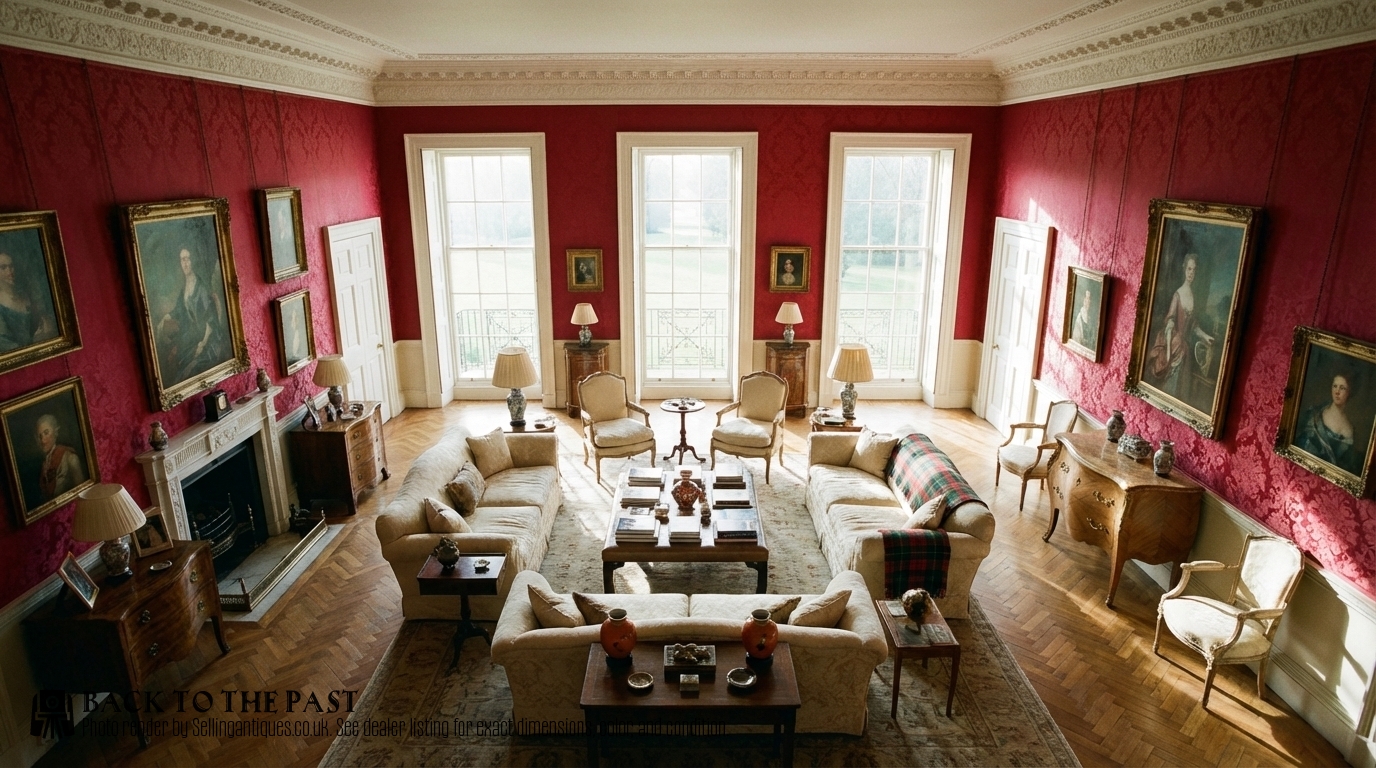
Thomas Hache of Grenoble
The 18th Century Style Commode Glossary
- Serpentine
- A furniture front curving outward in the centre and inward at the sides. This shape demands precise carpentry to follow the flowing contours.
- Bombe
- A swollen or bulging convex contour on the sides and front of a chest. It is characteristic of advanced Continental cabinetmaking.
- Marquetry
- Decorative patterns formed by fitting together thin slices of various coloured woods and other materials into a veneer. The technique creates pictorial or geometric designs across the surface.
- Escutcheon
- A protective plate surrounding the keyhole of a drawer or cabinet door. These are frequently cast in brass and styled to match the period.
- Caddy top
- A tabletop with a raised, moulded edge resembling the lid of a tea caddy. It sits upon the upper framework of the chest.
18th Century Style Commode: Frequently Asked Questions
What is an 18th century style commode?
An 18th century style commode is a low chest of drawers originating from Georgian Britain or Continental Europe, valued for decorative serpentine or bombe shaping and rich timber veneers.
These pieces served primarily in bedrooms and reception rooms to store linens and clothing whilst providing a display surface for ornaments.
How do I distinguish English from Continental commodes?
English pieces typically utilise solid mahogany or oak with linear proportions, restrained bracket feet, and brass drop handles. Continental examples often feature curved bombe sides, marble tops, intricate marquetry, and painted finishes.
Regional differences also appear in the drawer construction and timber choices, such as walnut, cherrywood, or exotic veneers.
How do I care for a vintage wooden commode?
Maintain the timber by keeping the piece away from direct heat sources and strong sunlight that can dry out the wood and fade veneers. Apply traditional beeswax polish sparingly to nourish the grain without building up heavy chemical residues.
Lift the commode rather than dragging it when moving positions to protect the joints and feet from strain.
What does serpentine front mean?
A serpentine front describes a cabinet or drawer face shaped with a convex centre flanked by concave curves toward the edges. This flowing profile requires expert hand-shaping of solid timber or moulded drawer fronts.
It adds visual depth and dynamic movement to the furniture piece.