
Antique Serpentine Chest
An antique serpentine chest brings an undulating, curving front and substantial presence to a room, offering both generous storage and exceptional cabinetmaking.

Antique Serpentine Chest
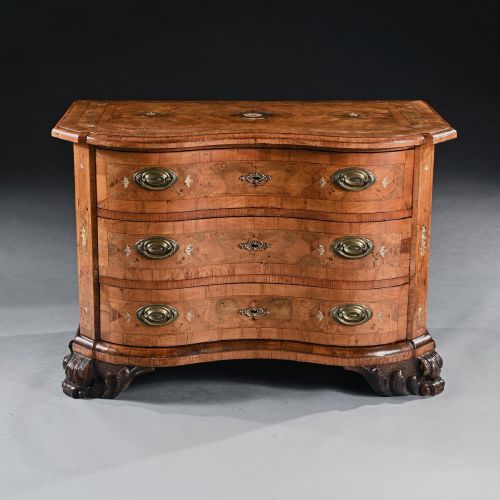
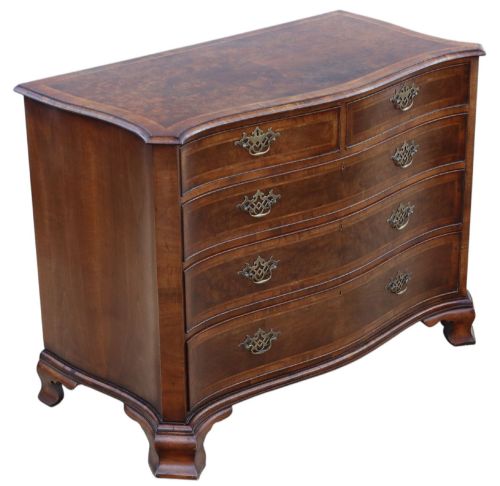
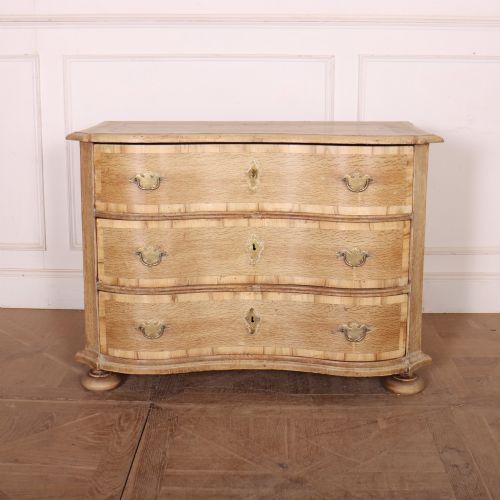
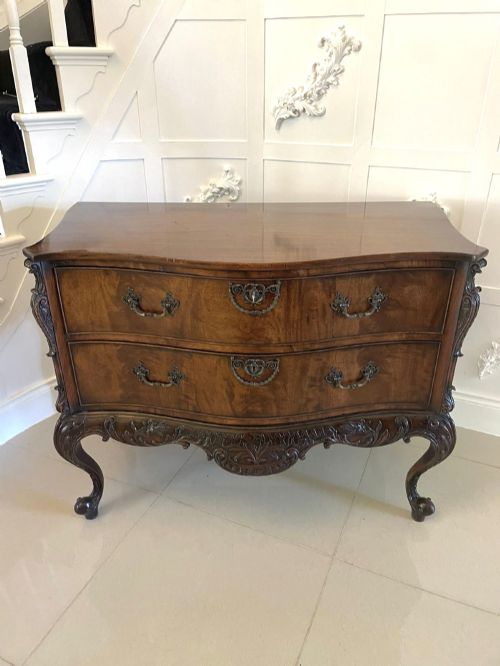
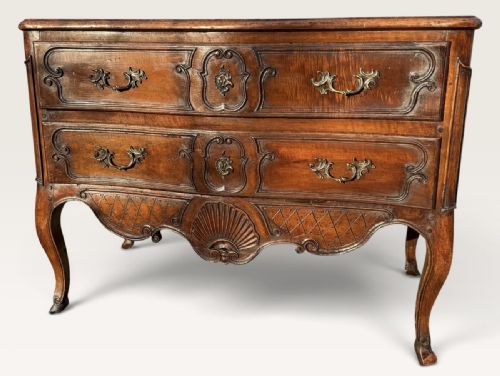
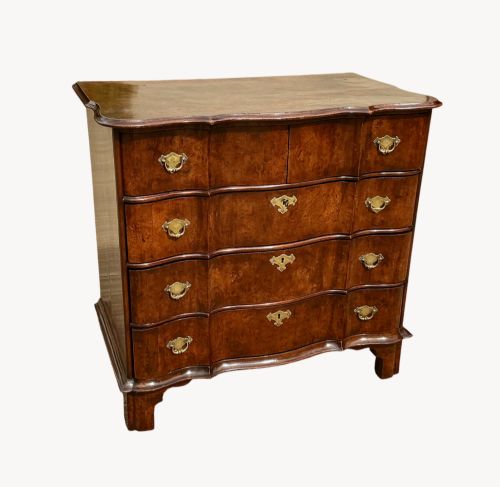
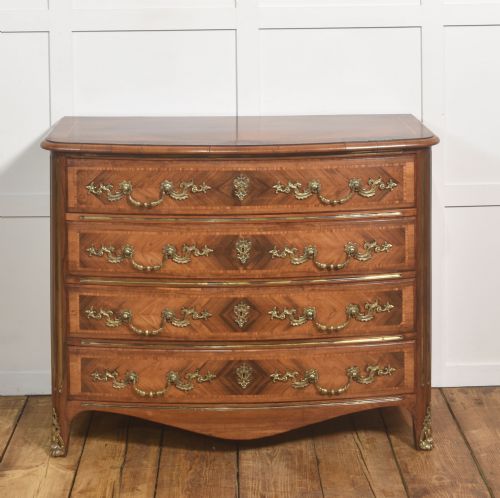
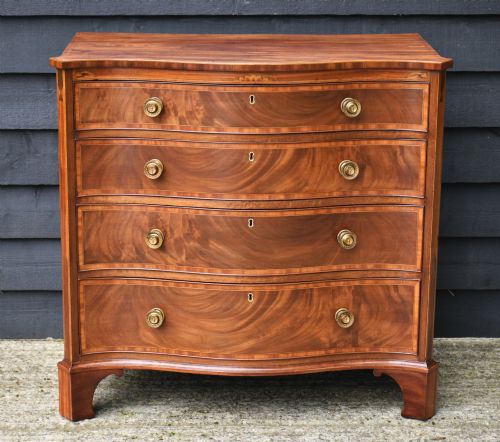
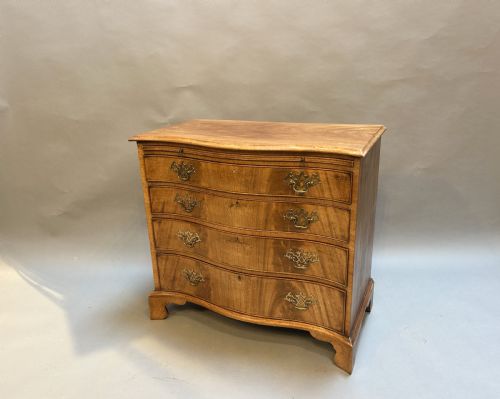
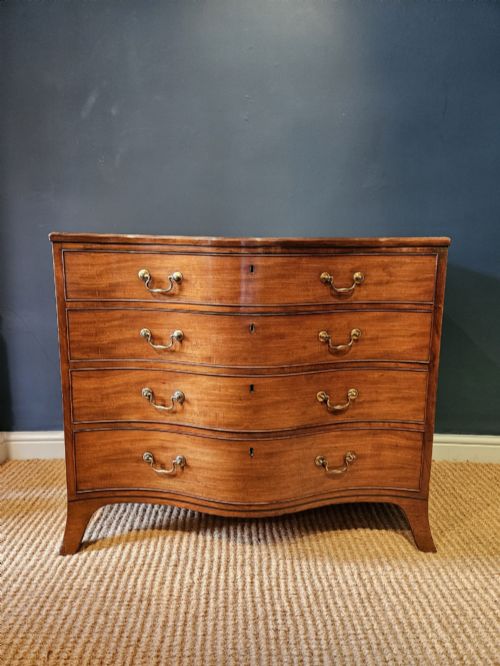
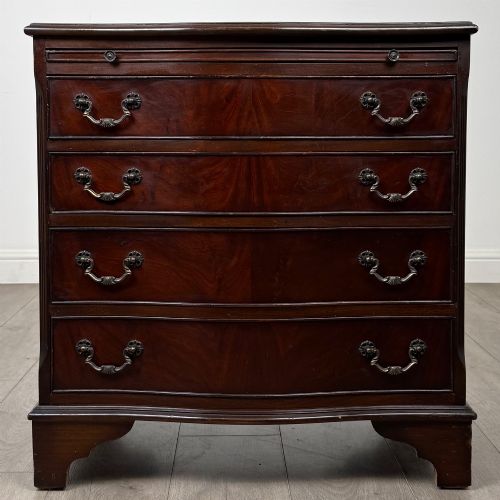
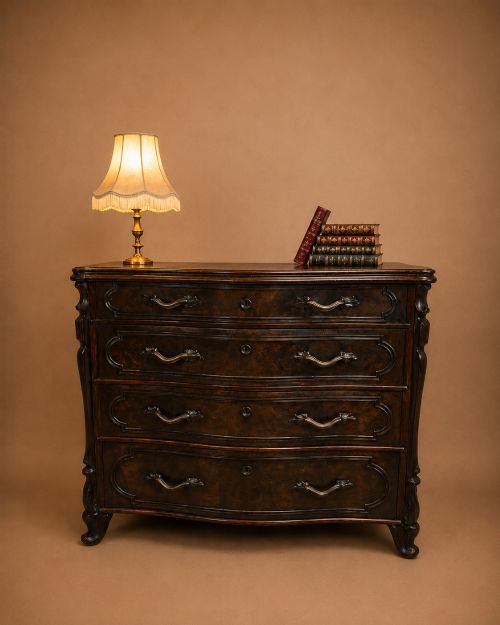
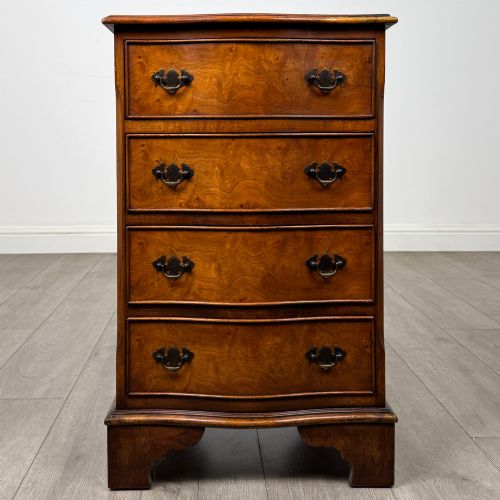
An antique serpentine chest presents a distinct curving front profile, moving outward at the centre and inward at the sides, or vice versa, creating a rhythmic visual line. These pieces appear primarily as chests of drawers, commodes, and tallboys across Georgian, Victorian, Edwardian, and later revival periods.
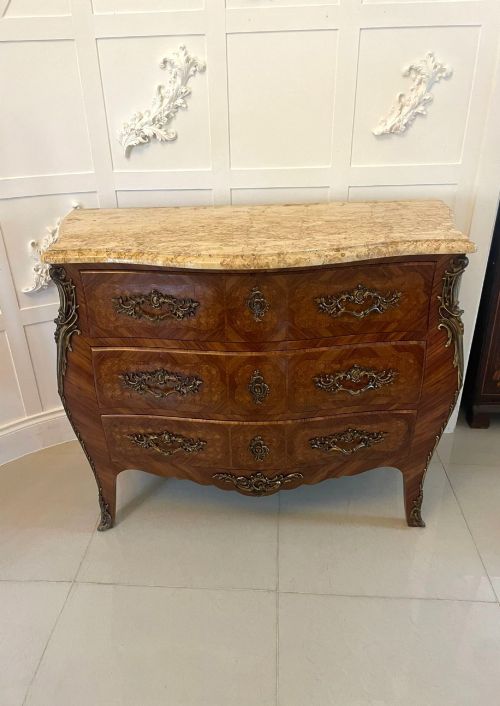
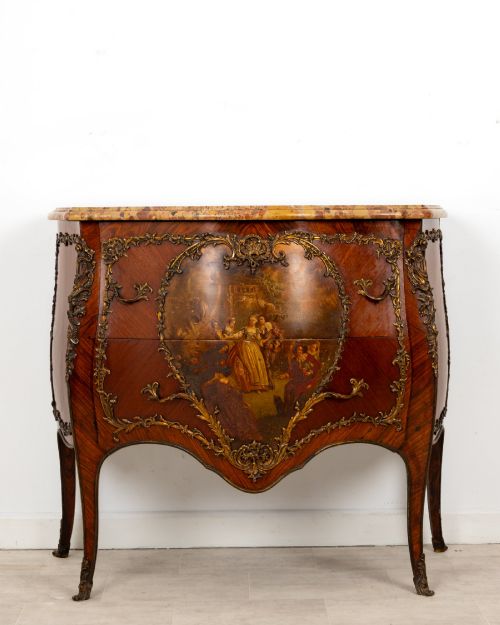
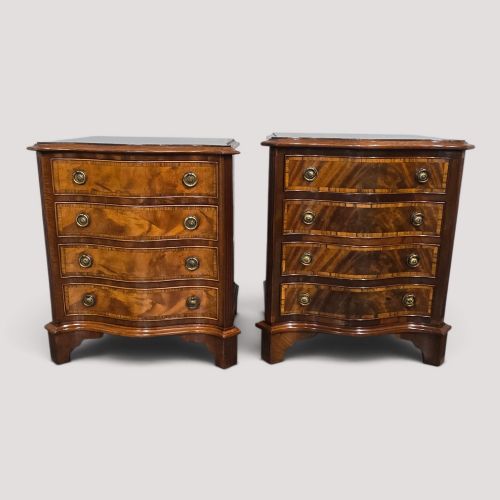
Beyond standard bedroom chests, buyers encounter bedside tables, miniature furniture, and marble-topped commodes influenced by French Louis XV styles and German rococo traditions.
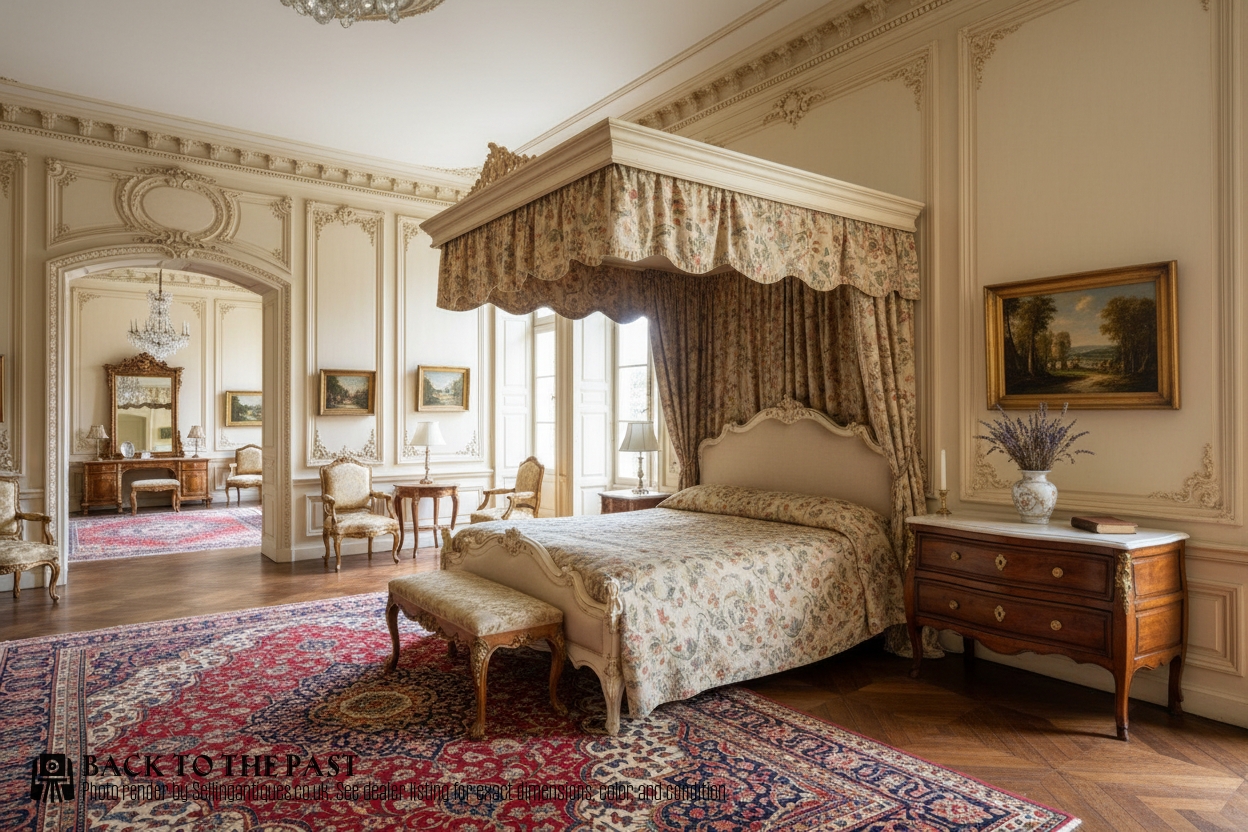
How they were made
Makers constructed these curving forms using solid timbers such as mahogany and oak for structural framing, overlaid with figured veneers like burr walnut, kingwood, and satinwood to achieve striking grain patterns.
Advanced cabinetmaking techniques involved steam-bending or multi-layered construction to shape the wooden carcass and drawer fronts into the signature serpentine contour without splitting.
Decoration relied on precision joinery, including intricate marquetry, parquetry, pewter and ivory inlay, complemented by cast brass handles and occasional gilt-bronze mounts.
Antique Serpentine Chest Retail Price Guide 2026
Typical asking prices for serpentine chest among the pieces listed under this phrase on Sellingantiques today, from the lower quarter to the upper quarter. They describe what is for sale here now, not the wider market.
Materials range from solid oak and satinwood to intricate kingwood and olive wood veneers.
What varies in quality
The harmony of the curving line dictates much of the visual success, separating pieces with fluid, intentional contours from those with stiff or awkward proportions.
Timber selection and veneer matching across the drawer fronts show the maker's hand, where continuous grain patterns elevate the piece above standard construction.
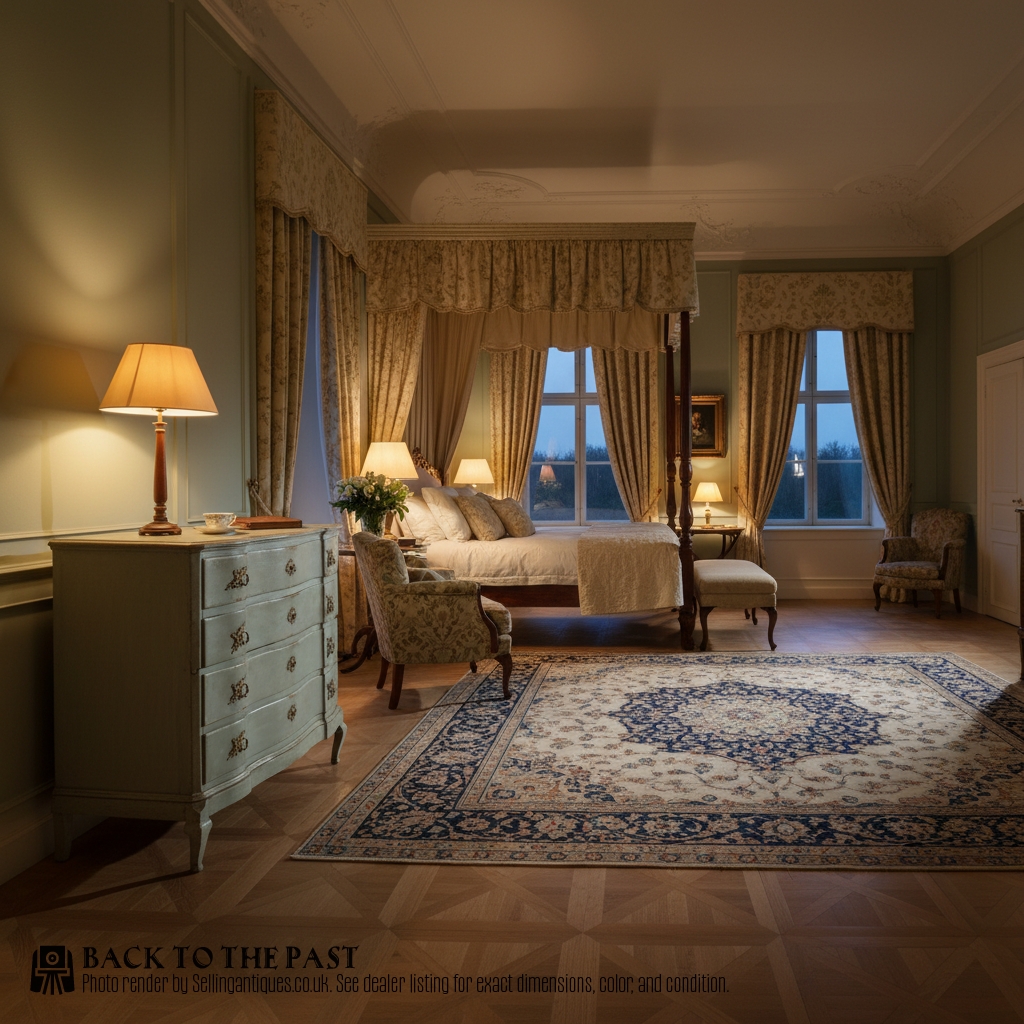
The Antique Serpentine Chest Glossary
- Serpentine
- A furniture front shaped with a convex centre flanked by concave curves. This undulating profile requires advanced woodworking skill to build.
- Commode
- A low chest of drawers or cabinet, often of French origin with decorative veneers. The term frequently applies to grander continental case pieces.
- Marquetry
- Decorative patterns formed by inserting small pieces of wood, ivory, or metal into a veneered surface. This technique creates pictorial or geometric designs across drawer fronts.
- Brushing slide
- A pull-out shelf located above the top drawers used for dusting or writing. It sits discreetly behind the main moulding when closed.
- Bombe
- A swollen or bulging out-curved furniture shape characteristic of continental rococo design. This pronounced swelling contrasts with the tighter curves of standard serpentine fronts.
Antique Serpentine Chest: Frequently Asked Questions
What is a serpentine chest?
A serpentine chest is a storage piece featuring a front that curves outward and inward in a continuous wave line. This silhouette distinguishes standard rectangular case furniture from more sculptural Georgian and continental examples.
Cabinetmakers utilised this design to catch the light differently across the timber grain. The shape appears in full-size bedroom chests, bedside cabinets, and commodes.
How do I date a mahogany chest?
Dating relies on examining construction methods, timber density, and hardware styles within the piece. Georgian examples often feature hand-cut dovetails and dense, heavy mahogany.
Later Victorian and Edwardian interpretations introduce modified drawer linings and machine-assisted joinery alongside revival design motifs. Comparing the internal secondary woods helps confirm the period of manufacture.
Where should I place a commode?
These decorative case pieces function effectively in living rooms, hallways, and bedrooms where their curved fronts can be fully appreciated. Marble-topped versions suit reception spaces, while smaller bedside cabinets pair well with low bed frames.
Allow sufficient clearance around the curved front so the drawers open smoothly without obstruction. Positioning the piece away from direct sunlight protects delicate walnut and mahogany veneers.
What is the difference between George III and revival styles?
George III pieces date from the 18th century, showcasing period-specific construction, original brassware, and naturally aged timber patination. Revival pieces emerged during later decades to emulate these earlier aesthetic standards.
Revival furniture often utilises machine-cut elements and modern adhesives while adopting historic Louis XV or Georgian silhouettes. Examining the interior timber and backboards clarifies whether a piece is original or from a later era.