



Painted Wood Commode
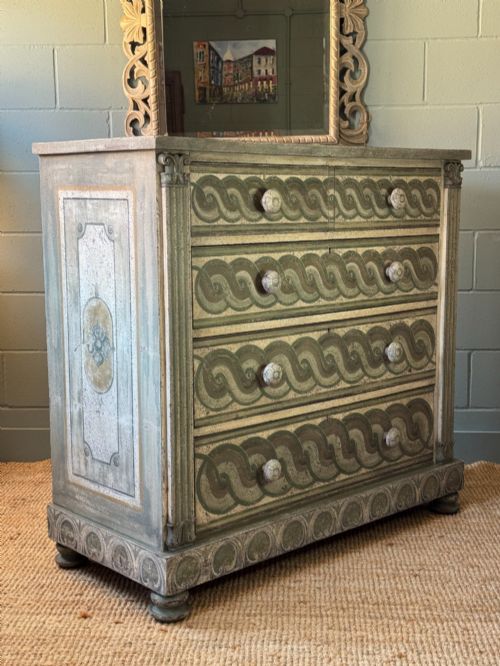
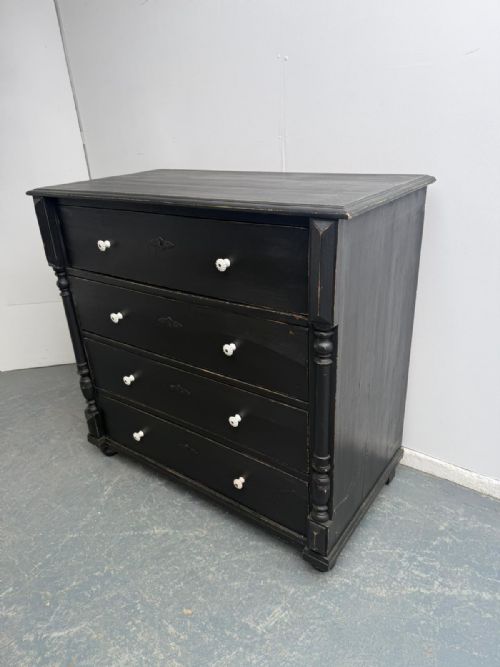
These painted wood commode examples offer storage through decorated timber surfaces, spanning eighteenth-century continental pieces to later revival furniture.
Painted Wood Commode
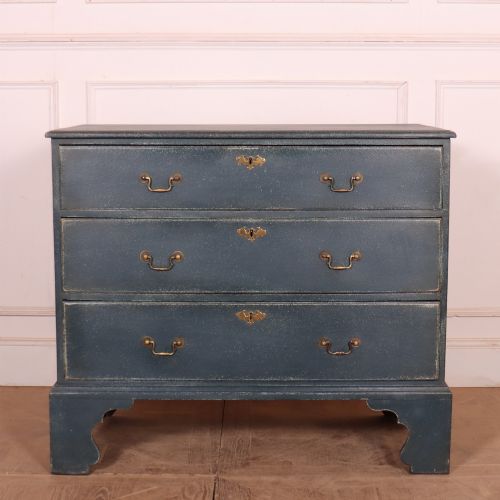
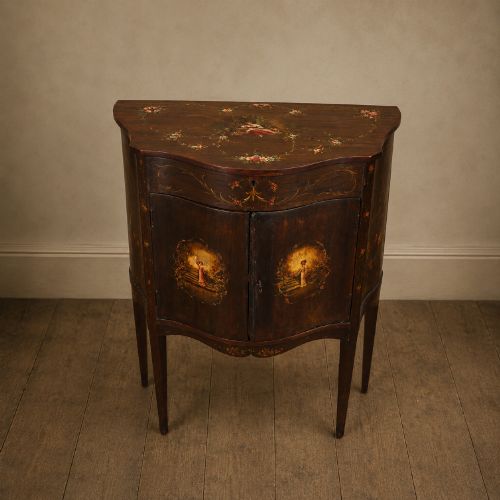
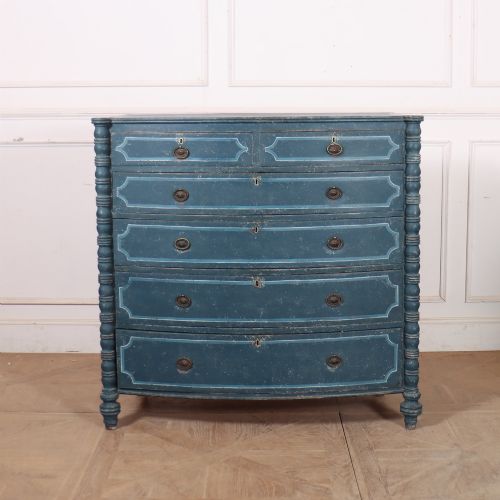
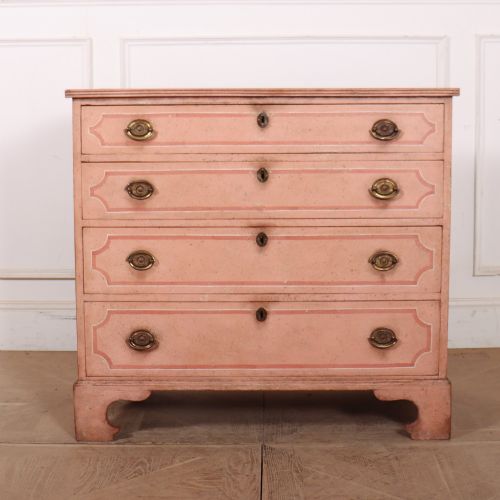
A painted wood commode functions primarily as a drawer chest or low cabinet, providing domestic storage with a decorative exterior surface. Pieces matching this description appear across numerous regional traditions, including French provincial, Swedish Gustavian, and Italian neoclassical styles.
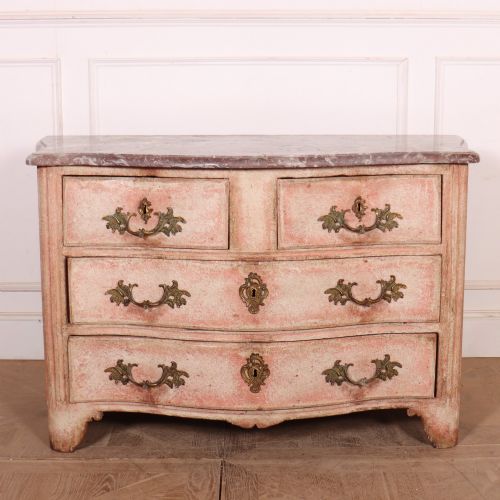
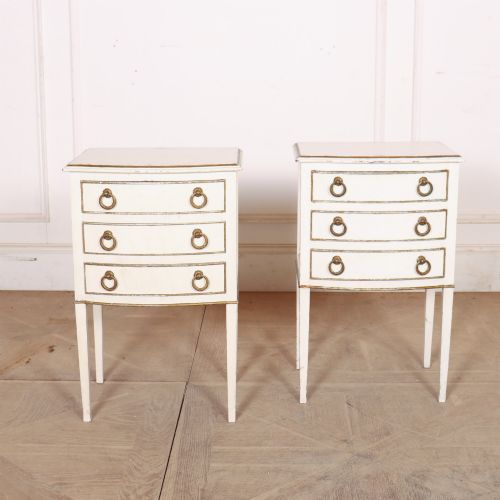
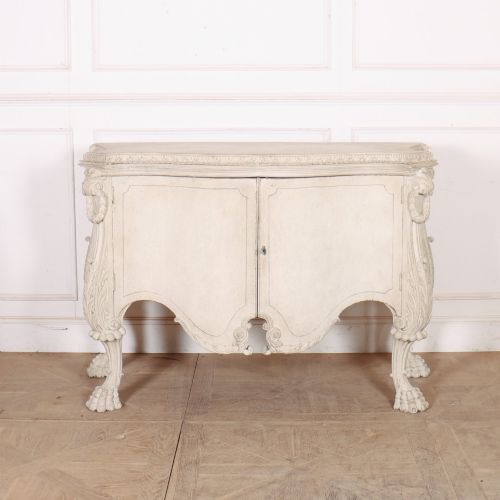
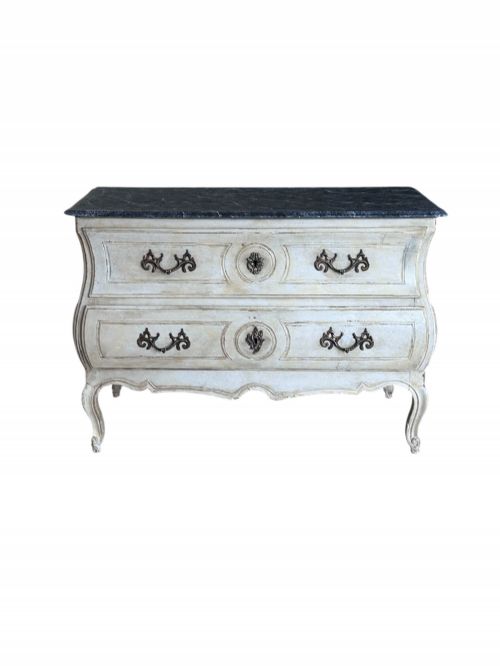
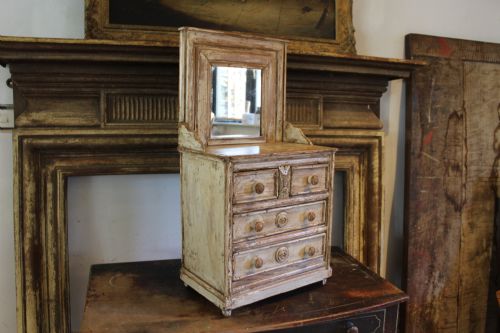
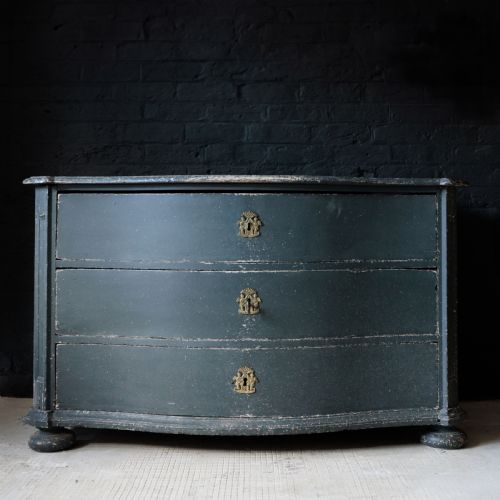
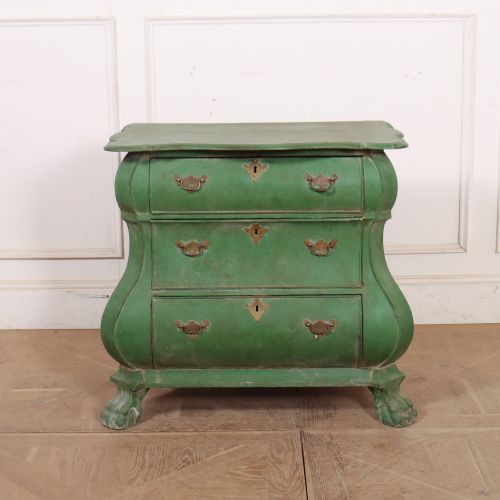
The selection on this page leans heavily toward nineteenth-century examples alongside eighteenth-century items and later twentieth-century interpretations. Forms range from full-sized serpentine chests and bombe commodes down to compact bedside cupboards, miniature apprentice pieces, and side cabinets.
How they were made
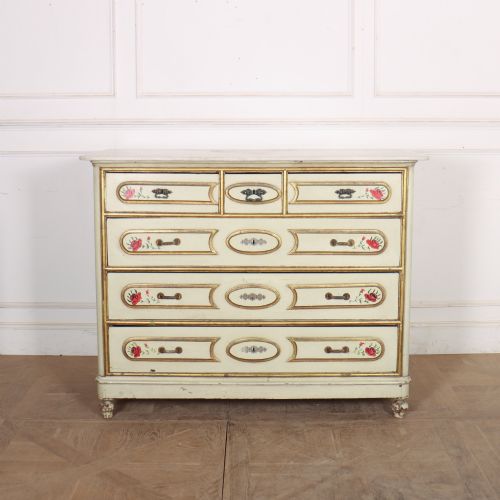
Construction relies upon traditional timber carcases, utilising woods such as pine, oak, and walnut as a foundation for decorative schemes. Artisans applied layers of paint, sometimes incorporating scumbling techniques, faux marble tops, gilt wood accents, or hand-painted scenes directly onto the timber.
Hardware elements typically include cast brass handles and escutcheons, while certain configurations integrate inset marble slabs into the upper surface. Surface decoration ranges from simple monochromatic coats to intricate Chinoiserie motifs and simulated wood finishes like birch.
Painted Wood Commode Retail Price Guide 2026
Typical asking prices for painted wood commode among the pieces listed under this phrase on Sellingantiques today, from the lower quarter to the upper quarter. They describe what is for sale here now, not the wider market.
Regional variants span English country, French provincial, Gustavian, and Italian neoclassical traditions.
What varies in quality
Quality rests upon the integrity of the underlying cabinetwork and the execution of the painted surface. Superior items display well-joined carcases, smoothly operating drawers, and original decorative schemes that have aged with balanced craquelure rather than unsympathetic repainting.
The sophistication of the ornamentation dictates distinction, moving from utilitarian country pieces with basic painted finishes up to elaborately detailed Venetian scenes, gilt highlights, and finely shaped serpentine or bombe profiles.
Gemla Fabrikers·Wright & Mansfield
The Painted Wood Commode Glossary
- Serpentine
- A furniture front characterised by a wavy outline, curving outward in the centre and inward at the sides. This contour requires skilled carpentry and careful shaping of the timber.
- Bombe
- A swollen or bulging outward profile found on the sides and front of certain continental pieces. The curved surfaces present technical challenges for both the cabinetmaker and the decorative painter.
- Scumbling
- A painting technique involving the application of a thin, translucent layer of colour over a different base coat. This method creates mottled or textured surface effects resembling natural grain.
- Gustavian
- The Swedish interpretation of neoclassical design, prominent during the late eighteenth century. Pieces in this style typically exhibit restrained carving and pale painted finishes.
Painted Wood Commode: Frequently Asked Questions
What is a painted wood commode used for?
These pieces serve primarily as functional storage units for clothing, linen, or household items while acting as decorative focal points within a room. Their flat upper surfaces also provide space for lamps, mirrors, or display objects.
Historically placed in bedrooms, hallways, or reception rooms, they combine practical drawer capacity with ornamental painted exteriors that reflect the design preferences of their period.
How do I identify eighteenth-century pieces?
Eighteenth-century examples often display hand-carved structural details, traditional joinery methods such as hand-cut dovetails, and organic wear patterns within the painted surface. Regional traits, such as French provincial curves or Scandinavian baroque proportions, offer further chronological clues.
Examining the interior timbers and the composition of the paint layers helps differentiate genuine period pieces from later nineteenth-century revivals or twentieth-century interpretations.
How should I care for painted furniture?
Maintenance requires protecting the painted timber from direct sunlight and excessive humidity fluctuations, which can cause the wood to expand or the paint to crack. Dusting should be done gently with a dry, soft cloth.
Avoid chemical cleaning agents, polishes containing harsh solvents, or abrasive materials that might damage the historical paint layer or underlying scumbled finish.