


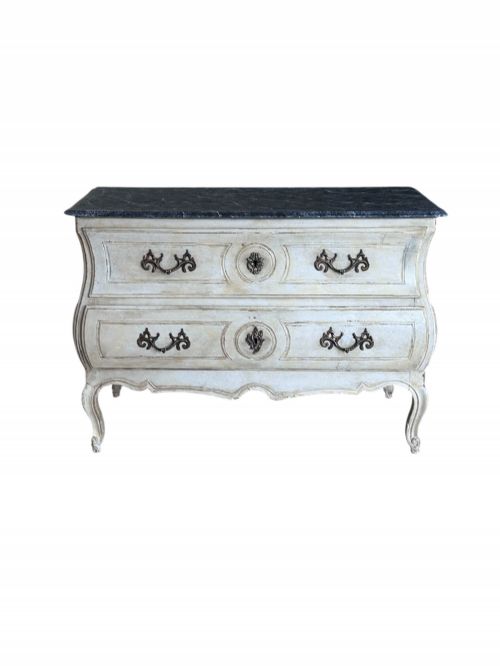
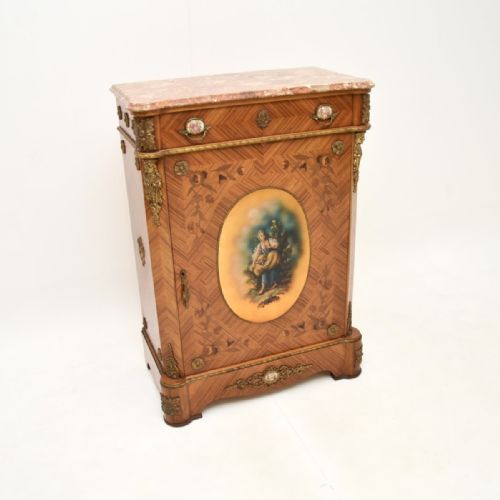
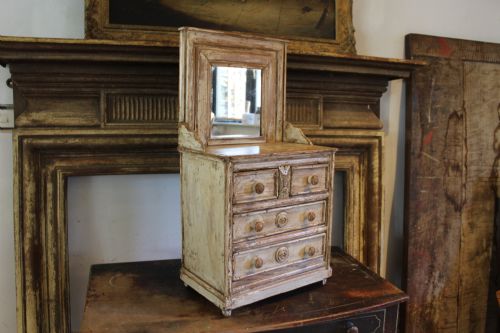
French Painted Commode
A French painted commode brings architectural grace and subtle colour to a room, offering practical drawer space beneath a decorative stone or wood top.
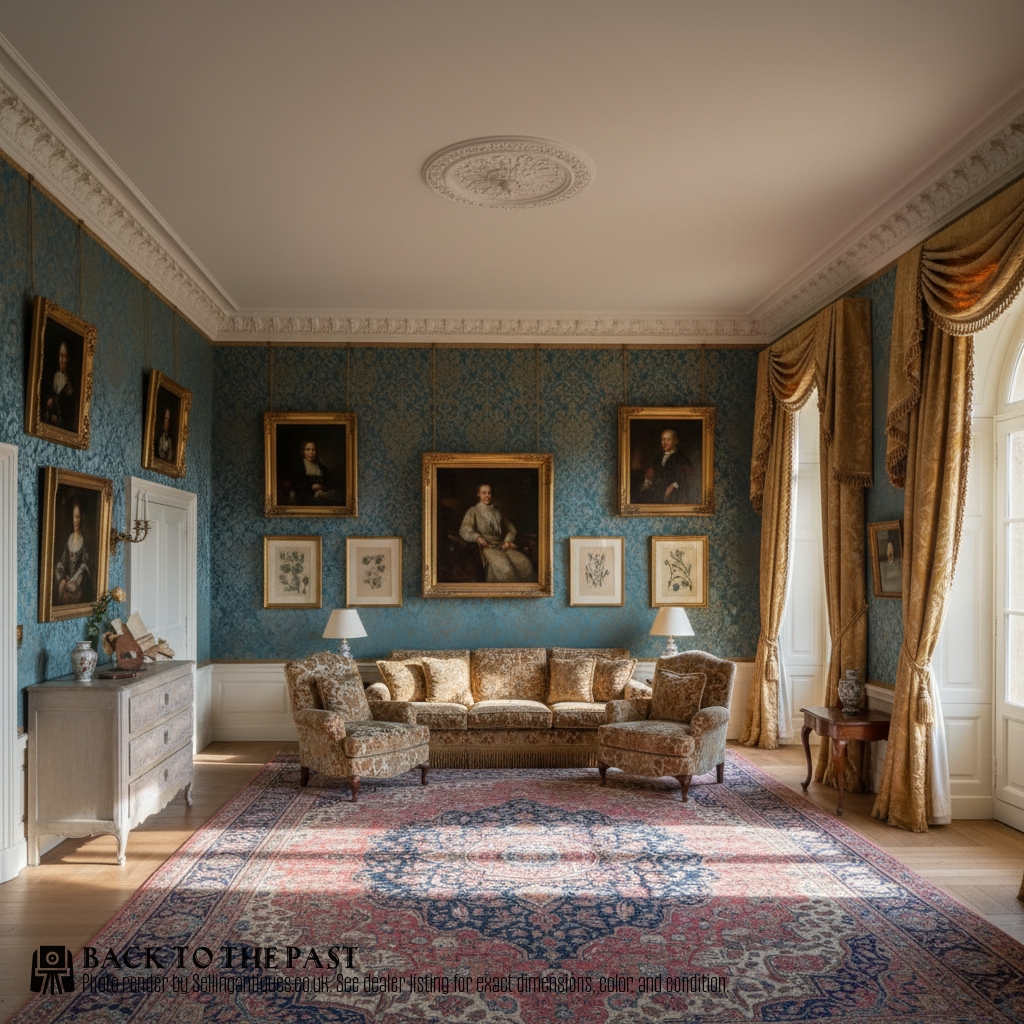
French Painted Commode
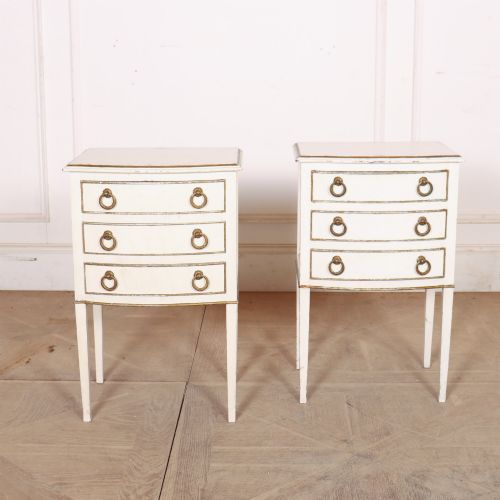
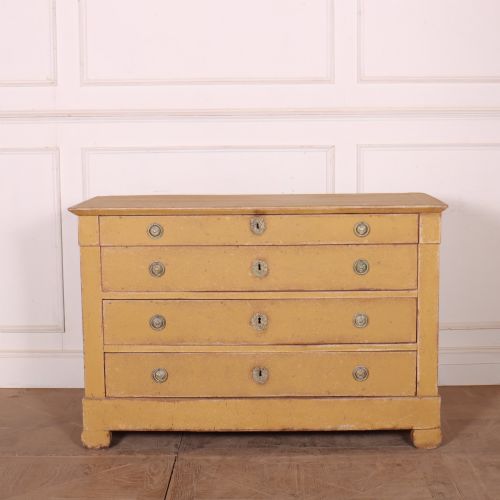
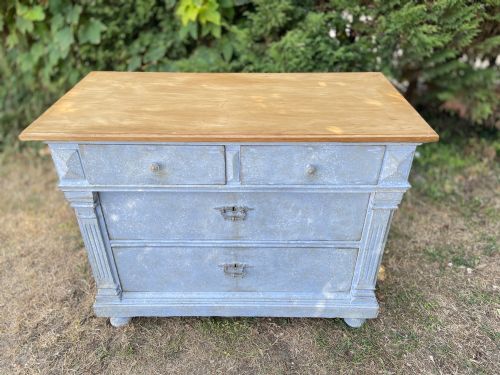
A French painted commode functions primarily as a low chest of drawers, though related forms include bedside tables, side cabinets and serpentine chests. These pieces emerge from periods spanning the eighteenth through the early twentieth century, reflecting classical French tastes adapted across generations.
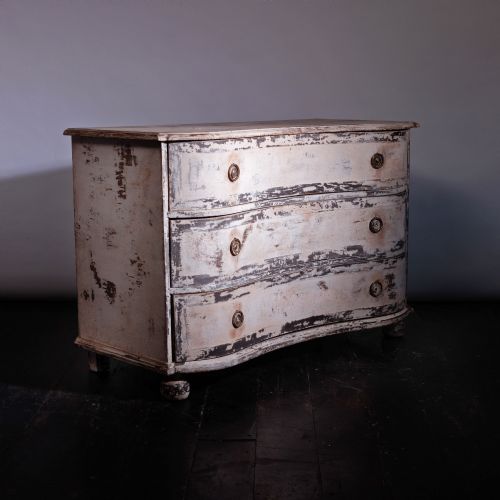
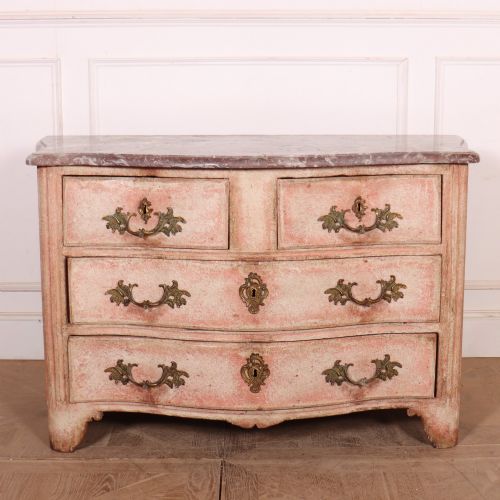
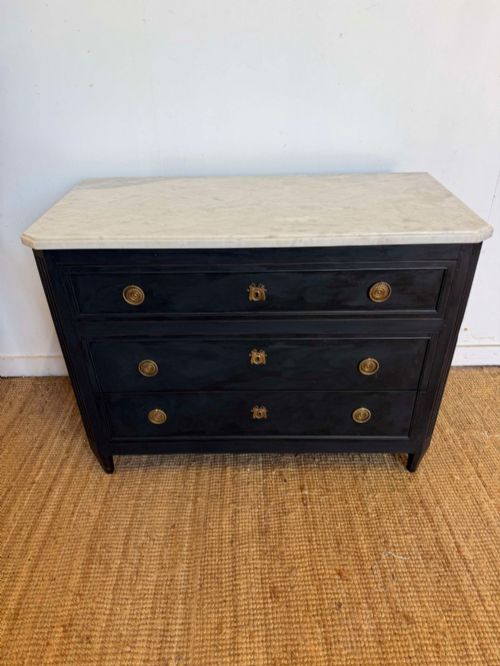
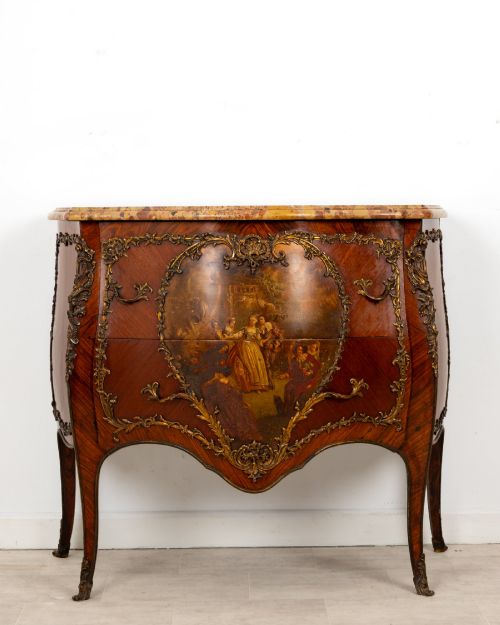
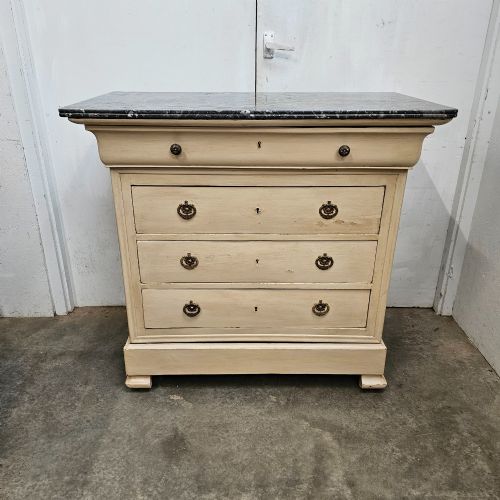
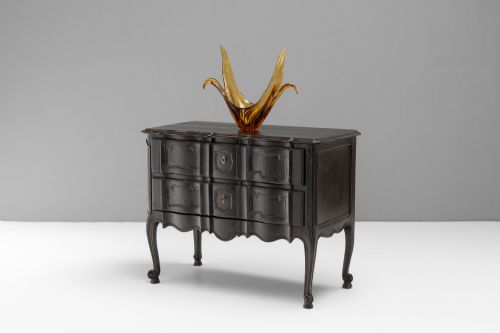
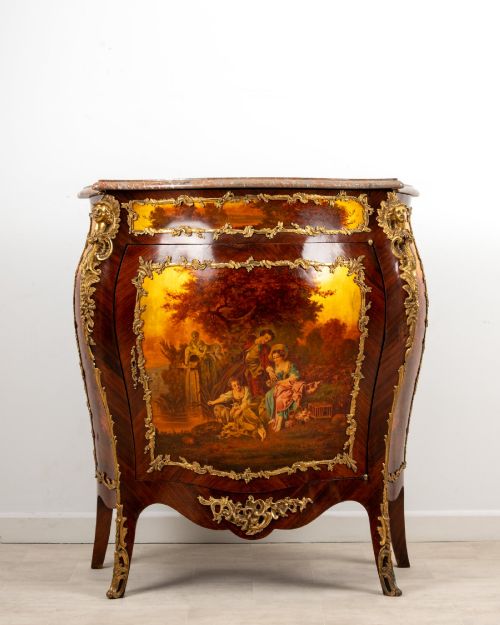
The version most commonly encountered on this page is the nineteenth-century revival piece, often echoing Louis XV or Louis XVI designs through painted wood surfaces, gentle curves and occasionally marble tops. Alongside these revival works, eighteenth-century provincial examples appear, showing simpler carved oak or walnut construction with older painted finishes.
Makers and regional workshops produced these cabinets using oak, pine and exotic veneers underneath layers of paint and gesso. Forms range from straight-fronted chests to bombé shapes and demi-lune cabinets, designed to serve as focal points in bedchambers and reception rooms.
How they were made
Cabinetmakers constructed the carcase of a French painted commode using native timbers such as oak or pine, frequently applying applied mouldings and carved details directly to the frame. Drawers utilised traditional dovetail joints to ensure structural stability over decades of daily use.
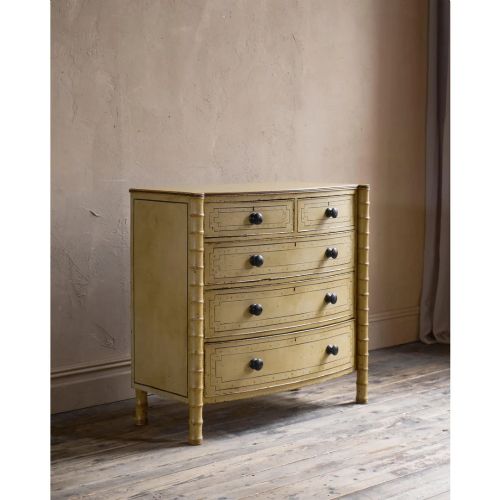
Surfaces received multiple coats of paint, sometimes layered over gesso or chalk grounds, and occasionally incorporated decorative motifs or faux finishes. Many examples feature fitted marble tops in shades of white, grey or variegated tones, resting upon the timber frame without permanent fixings.
French Painted Commode Retail Price Guide 2026
Typical asking prices for french painted commode among the pieces listed under this phrase on Sellingantiques today, from the lower quarter to the upper quarter. They describe what is for sale here now, not the wider market.
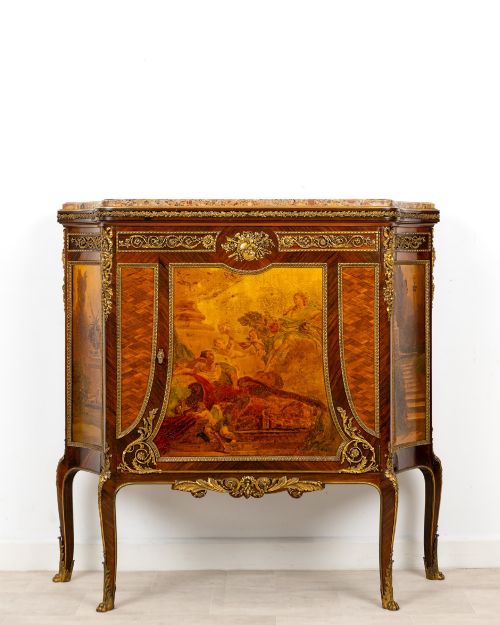
The furniture spans the 18th, 19th, and early 20th centuries, including Louis XV and Vernis Martin styles.
What varies in quality
The sophistication of the painted finish and the crispness of any carved wood details distinguish finer examples from simpler provincial work. Hand-mixed pigments, subtle distressing and well-preserved decorative motifs indicate a higher grade of craftsmanship.
Structural integrity rests on the quality of the timber selection and the precision of the drawer construction. Well-fitted drawers that run smoothly within their original apertures and heavy, stable marble tops signify superior manufacturing standards.
Edwards and Roberts
The French Painted Commode Glossary
- Bombé
- A swelling, outward-curving chest profile characteristic of rococo case furniture. This bulging shape requires skilled carpentry to achieve the curved drawer fronts and matching carcase sides.
- Vernis Martin
- A type of transparent resin varnish applied over painted decoration to simulate Japanese lacquer. It gained popularity in eighteenth-century France and reappeared on revival pieces in the nineteenth century.
- Serpentine
- A front edge or top shaped with a central concave curve flanked by two convex sweeps. This undulating line adds visual movement to cabinet fronts.
- Ormolu
- Gilt-bronze mounts applied to furniture for decorative accent. These cast metal details were often chased to refine the surface texture.
- Demi-lune
- A half-moon or semicircular shape used for small side cabinets and commodes designed to sit flush against a wall.
French Painted Commode: Frequently Asked Questions
What is a French painted commode used for?
A French painted commode serves primarily as a decorative chest of drawers for storage in a bedroom, hallway or living space. The flat top surface also provides a display area for lamps, mirrors or decorative objects.
Historically, these pieces functioned as principal storage furniture for clothing and personal belongings in domestic interiors. Their decorative finishes allowed them to complement the surrounding interior design scheme of the room.
How do I tell an 18th-century piece from a 19th-century revival?
Eighteenth-century pieces typically exhibit heavier native timbers like oak or walnut, showing hand-cut joinery and signs of age in the paint layers. Their proportions and carving styles align strictly with the period of their manufacture.
Nineteenth-century revival pieces often display machine-assisted elements alongside hand-finishing, utilising softer woods beneath later paint layers or adopting eclectic Louis XV and XVI motifs. Examining the internal construction and wood ageing helps clarify the era.
Are the marble tops original to the commodes?
Many commodes retain their original fitted marble tops, which were cut specifically to match the serpentine or straight contours of the carcase. These stone slabs rest securely on the wooden frame under their own weight.
Replacement marble tops do occur due to damage over the centuries, often identifiable by slight variations in thickness or fit against the back and side mouldings.
How should I care for a painted antique surface?
Painted antique surfaces require gentle dusting with a dry, soft cloth to prevent the accumulation of dirt. Avoid using modern chemical cleaning sprays, abrasive cloths or excessive moisture, which can lift historic paint layers.
Keeping the piece away from direct sunlight and maintaining stable room humidity protects both the wood substrate and the delicate painted finish from cracking or fading.