

Antique Painted Credenza
An antique painted credenza brings both practical storage and striking surface decoration into a room, spanning styles from country pine to refined satinwood.
Antique Painted Credenza
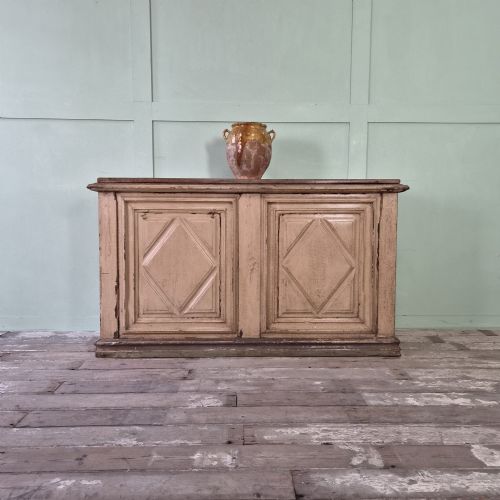
When you search for an antique painted credenza, you encounter low cabinets, sideboards, buffet units, and commodes designed to anchor a dining room or hallway. These pieces provide concealed storage behind doors while offering a decorative surface finished in paint, lacquer, or simulated grain.
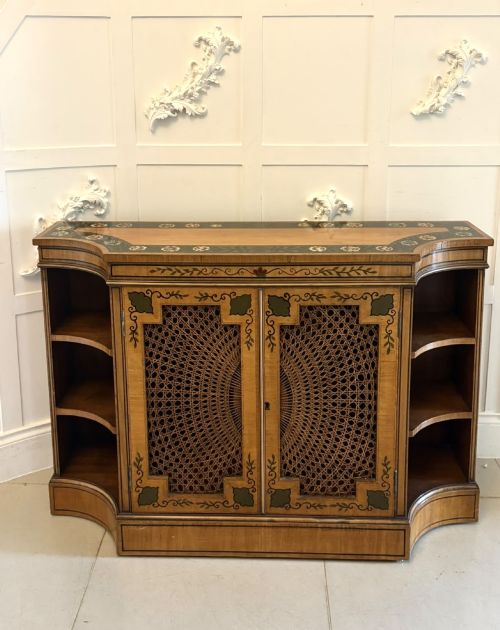
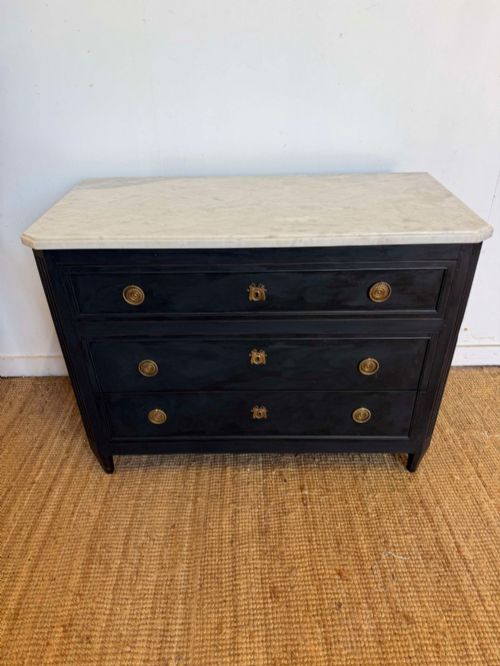
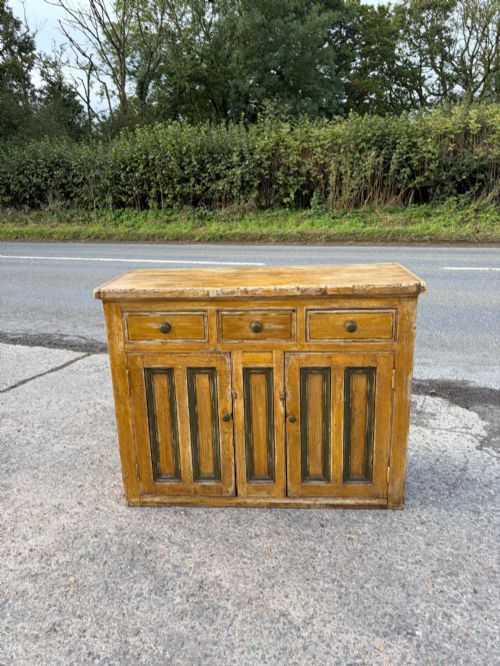
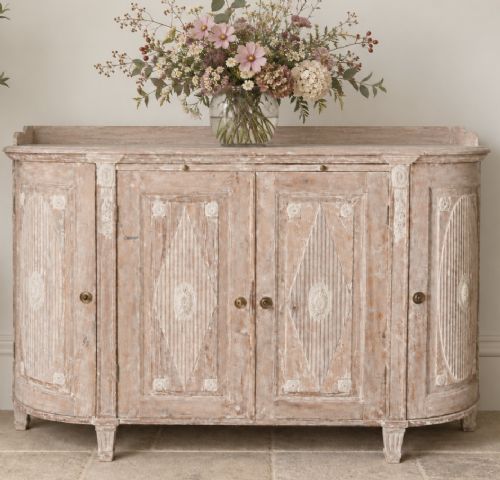
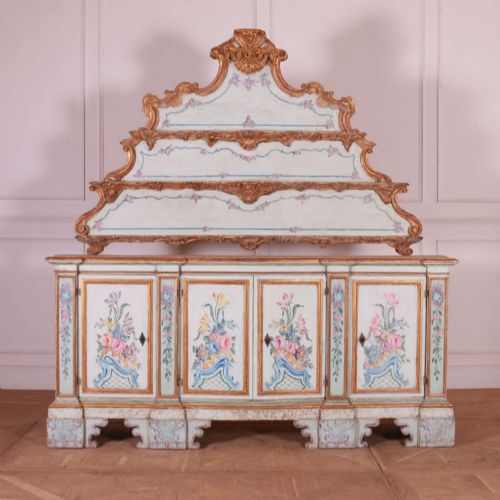
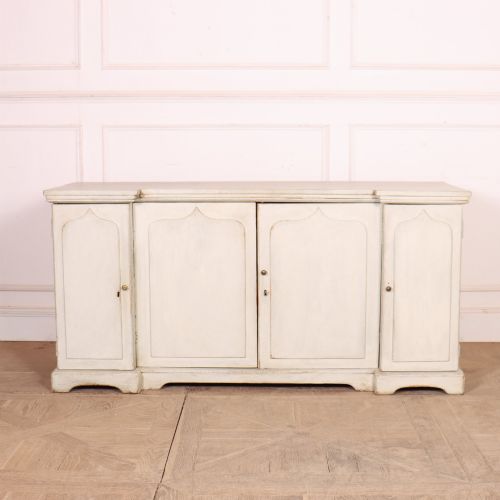
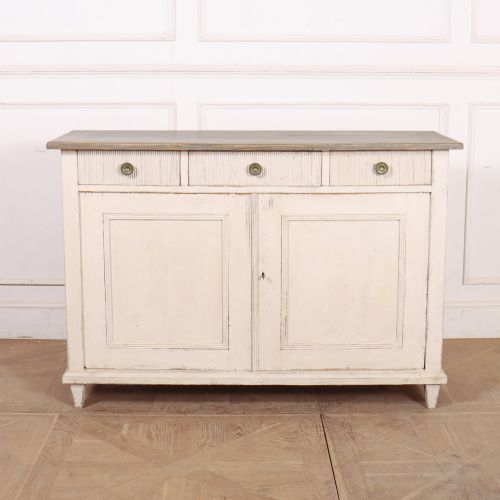
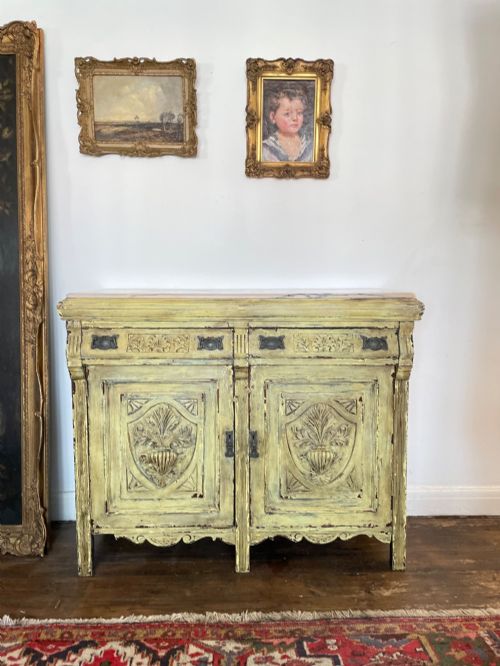
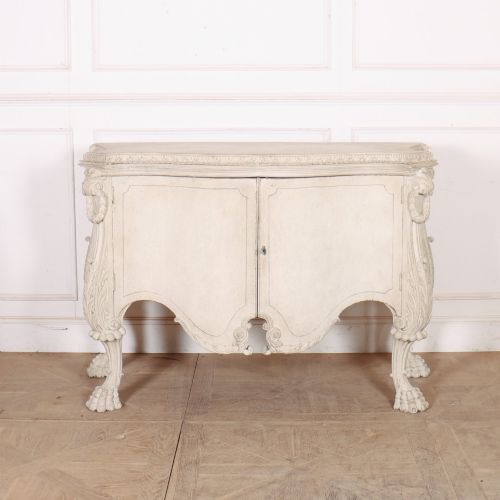
The pieces on this page emerge from several centuries, featuring robust Victorian country pine bases, elegant Regency simulated rosewood finishes, and ornate Continental commodes. You find English country examples alongside Venetian and French pieces decorated with classical panels, floral motifs, or dark japanning.
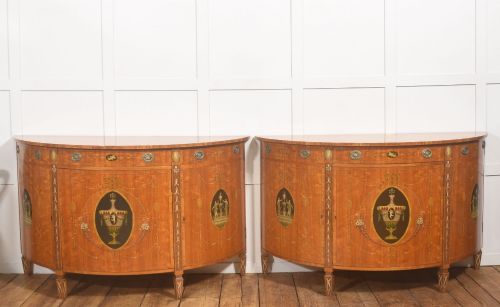
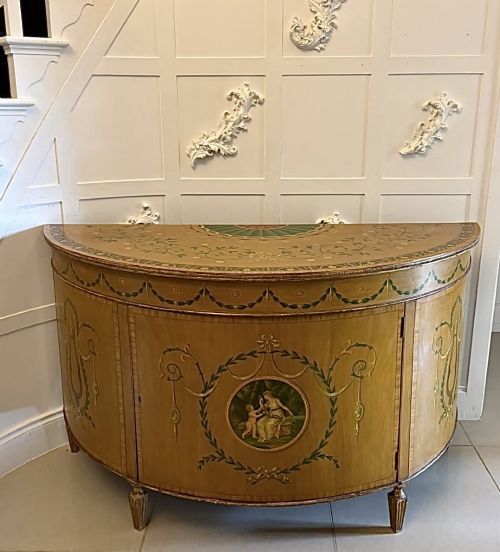
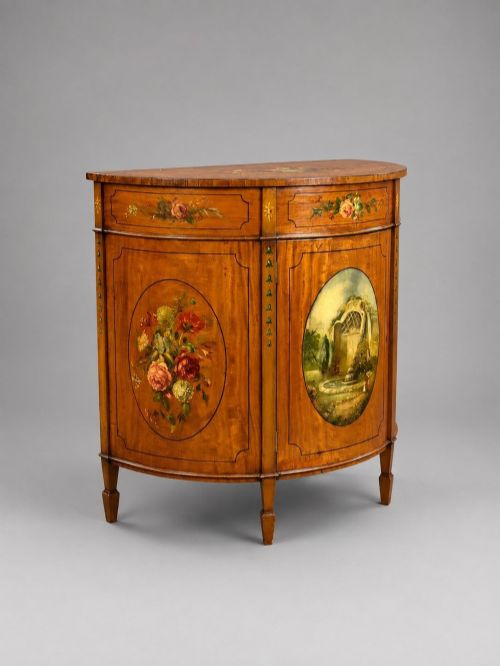
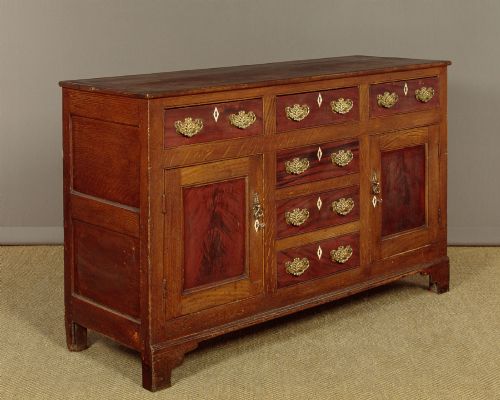
Forms vary from utilitarian kitchen dresser bases to refined demi-lune satinwood cabinets and monumental country house sideboards. The surface treatment defines the character of each piece, ranging from honest layers of original domestic paint to sophisticated revival decoration.
Materials and construction
Cabinetmakers built these carcases primarily from solid timbers like pine, maple, and mahogany, frequently applying smoother satinwood veneers for finer revival commodes. Structural integrity depended on traditional joinery, ensuring that heavy sideboards and dresser bases could support marble tops without sagging.
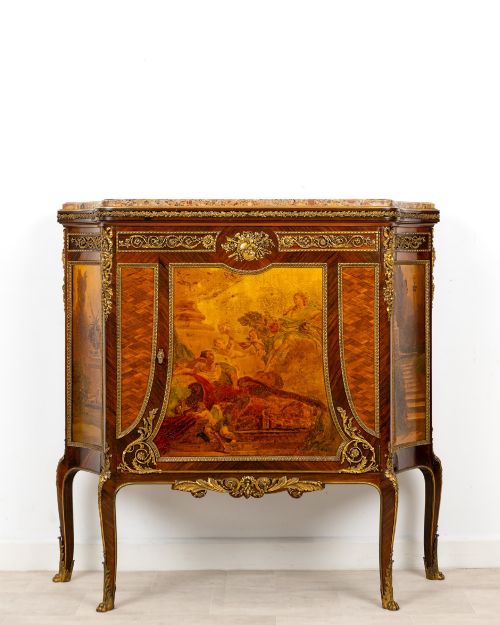
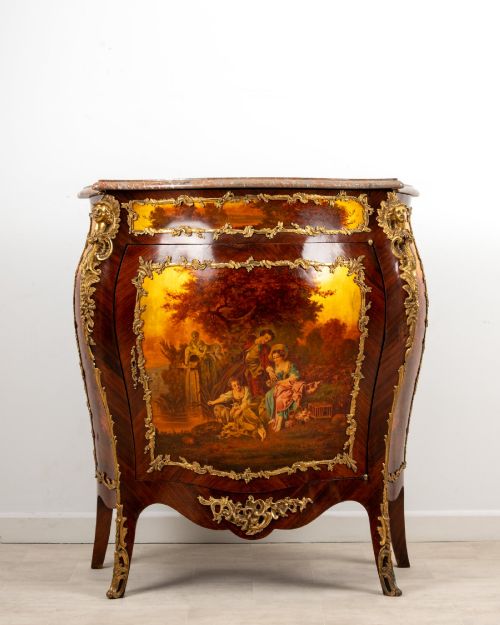
Surface decoration relied on specialist application, using oil paint, distemper, lacquer, or varnishes such as Vernis Martin to achieve depth and sheen. Metal elements including brass handles, iron hinges, and gilt bronze orormolu mounts reinforced corners and framed doors.
Marble slabs in white, pink, or dark tones served as durable counter surfaces on French and Italian cabinets, contrasting with the painted wooden bodies beneath them.
Antique Painted Credenza Retail Price Guide 2026
Typical asking prices for painted credenza among the pieces listed under this phrase on Sellingantiques today, from the lower quarter to the upper quarter. They describe what is for sale here now, not the wider market.
Periods range from eighteenth-century Venetian work to early twentieth-century revival pieces.
What separates the finest examples
Quality rests significantly on the integrity of the surface finish, distinguishing pieces retaining their original historical paint from those subjected to later or heavy-handed decoration. The subtlety of the brushwork and the preservation of authentic craquelure determine the visual authority of a painted or japanned exterior.
Construction standards dictate durability, seen in the weight of the timber, the snug fit of cabinet doors, and the stability of applied mouldings. Original hardware, intact marble slabs, and finely cast orormolu mounts elevate a cabinet beyond standard utility.
Proportion and stylistic cohesion separate standard regional workshop pieces from high-status items designed in the Sheraton or Louis XV revivals. A well-balanced silhouette and harmonious decorative panels ensure the piece holds a room.
Maple and Co·Pauly et Cie
The Antique Painted Credenza Glossary
- Credenza
- A side cabinet or sideboard used for storing and displaying dining ware. These units sit low to the ground and often feature multiple doors.
- Demi-lune
- Half-moon shaped in plan. This contour appears frequently on refined satinwood commodes and side cabinets designed to fit snugly against a wall.
- Japanning
- European imitation of East Asian lacquerwork. Craftsmen built up layers of varnish and paint to create dark surfaces decorated with raised metallic motifs.
- Vernis Martin
- A simulated lacquer finish developed in eighteenth-century France. This technique created translucent, glossy surfaces often adorned with delicate painted scenes.
- Dresser base
- A lower kitchen or dining cabinet fitted with cupboards and drawers. These pieces provide sturdy, utilitarian storage beneath a heavy wooden top.
- Ormolu
- Gilt bronze mounts applied to furniture edges and feet. This decorative hardware adds metallic contrast to marble-topped cabinets.
Antique Painted Credenza: Frequently Asked Questions
What is the difference between a credenza and a sideboard?
A credenza traditionally sits lower and functions primarily for enclosed storage and serving, whereas a standard sideboard often incorporates plate racks or more open display shelving.
In antique terminology, these terms frequently overlap depending on regional vocabulary and the specific workshop that built the piece.
How do I care for a painted wooden surface?
Dust the cabinet regularly with a soft, dry cloth and avoid harsh chemical cleaners that can strip delicate historical paint layers or varnishes.
Keep the piece away from direct sunlight and excessive moisture to prevent the wood from warping and the painted finish from fading or flaking.
Can I place heavy items on a marble top?
Marble provides a durable, heat-resistant surface that easily supports lamps, ceramics, and serving dishes during dining.
Ensure the weight distributes evenly across the stone and avoid dropping hard objects directly onto the corners to prevent chipping.
How do I identify original paint?
Original paint shows natural wear patterns, microscopic craquelure, and subtle layers of oxidation that modern repainting struggles to replicate authentically.
Examining corners, hinges, and interior surfaces reveals whether the paint matches the age of the underlying timber carcase.