

Antique Storage Credenza
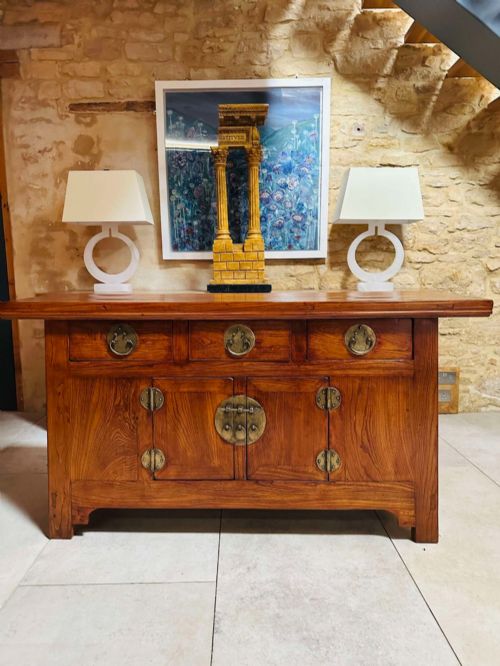
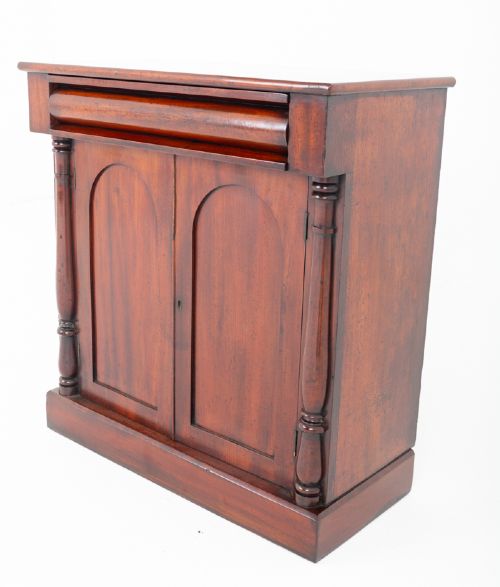
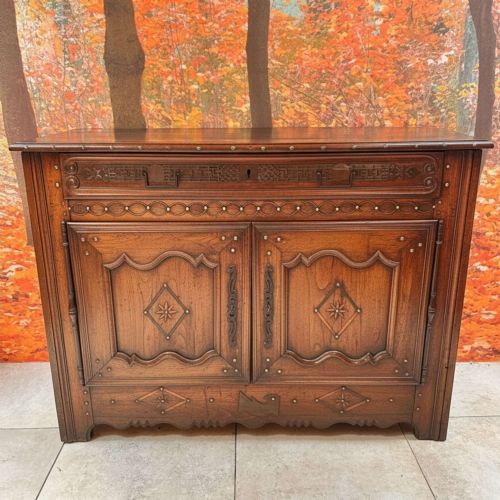
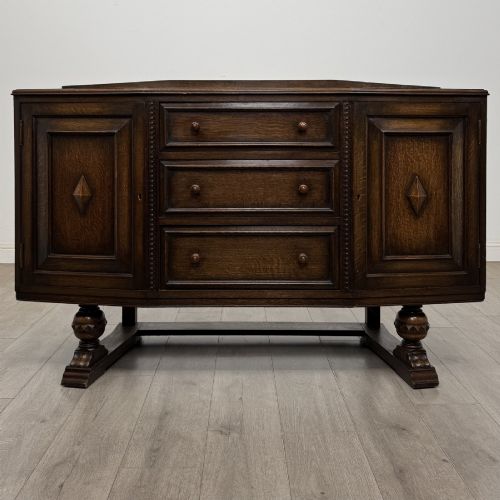
An antique storage credenza brings substantial timber cabinetry into a room, offering surface display and enclosed shelving shaped by nineteenth and early twentieth-century hands.
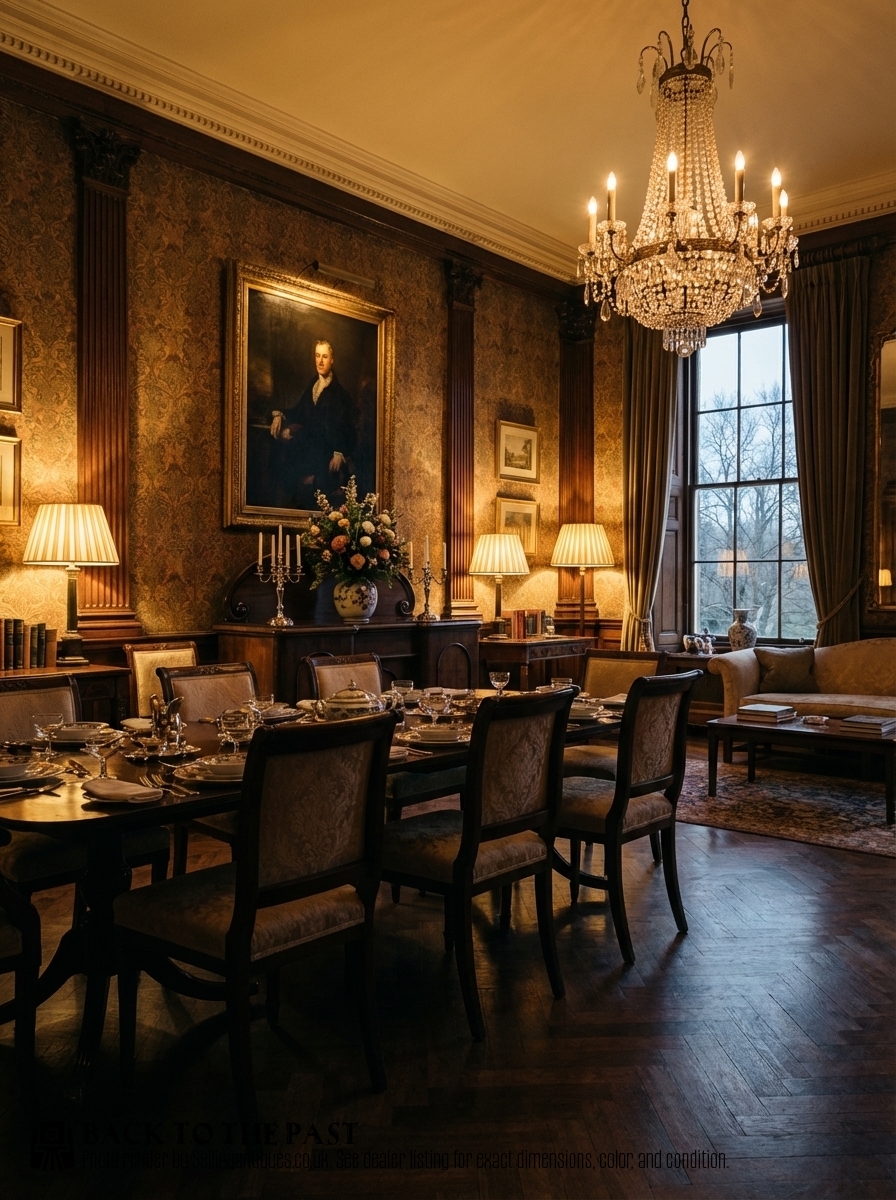
Antique Storage Credenza
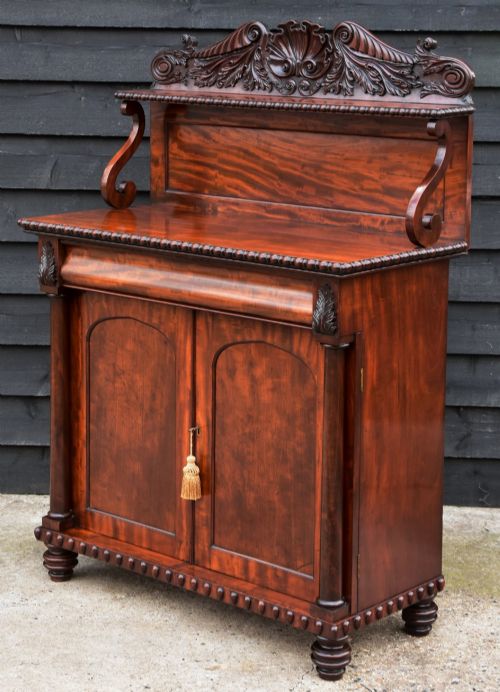
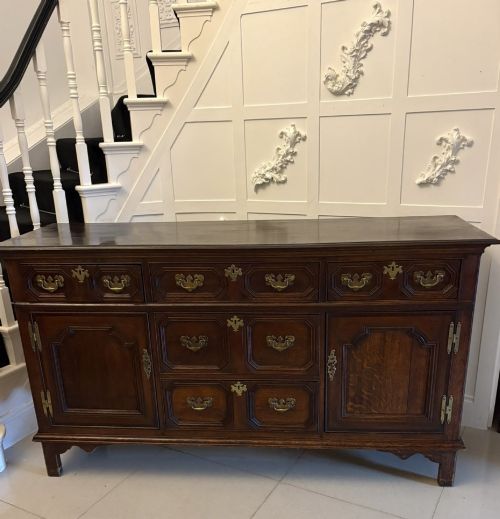
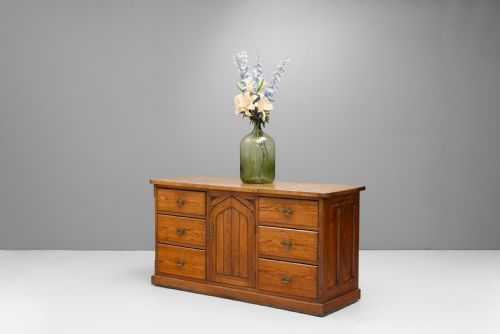
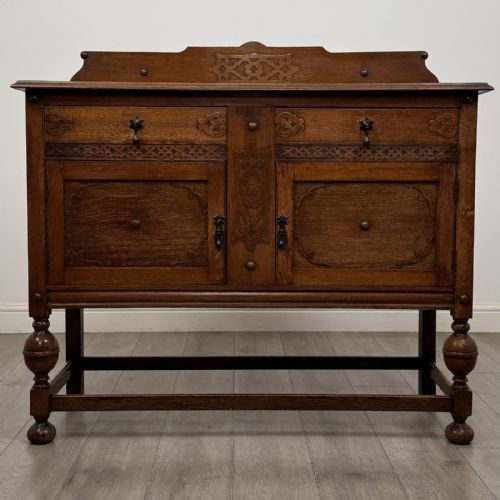
When you search for an antique storage credenza, you encounter substantial furniture items spanning sideboards, cupboards, cabinets, and dressers from the nineteenth century through the early decades of the twentieth century. These pieces emerge from Victorian, Edwardian, and Regency traditions, alongside revival styles such as Jacobean, Gothic, and Georgian.
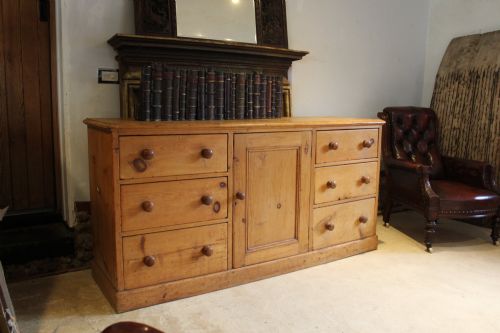
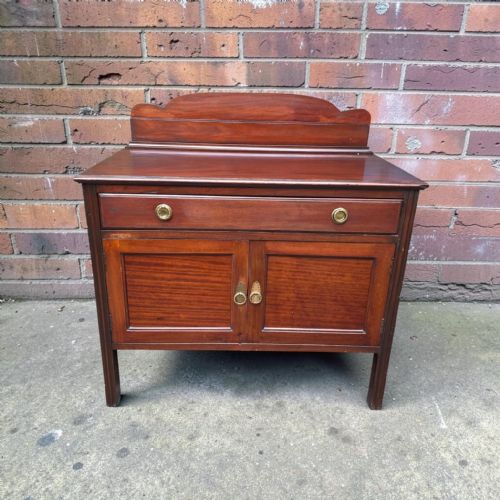
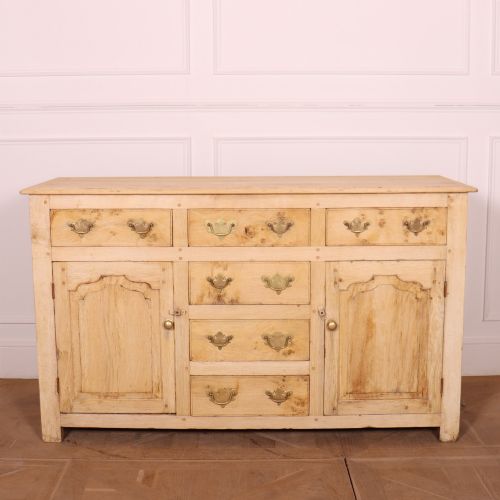
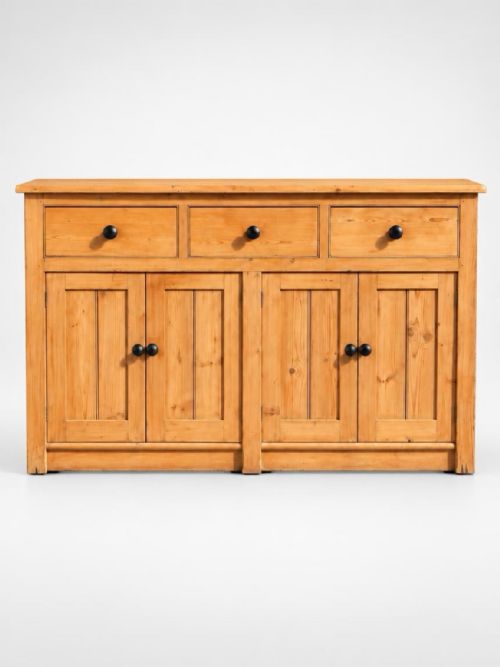
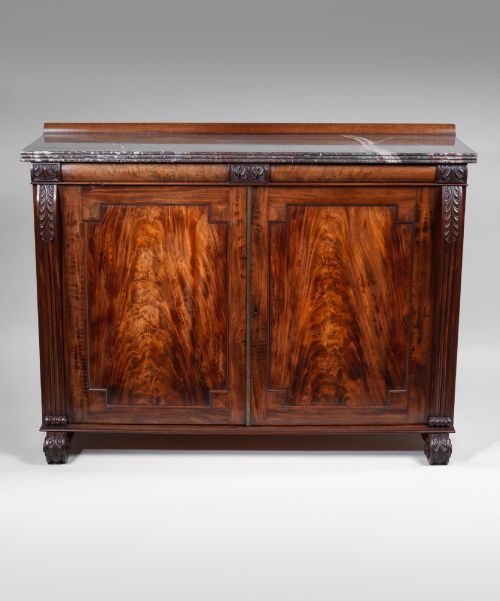
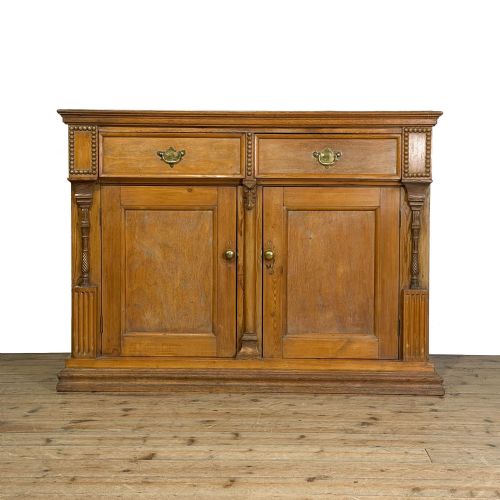
The version you are most likely to meet on this page is a wooden sideboard or low cupboard fashioned in oak, mahogany, or pine. Makers of the period constructed these forms to hold dining silver, linens, and provisions, integrating drawers and panelled doors beneath a generous top surface.

Materials and Construction
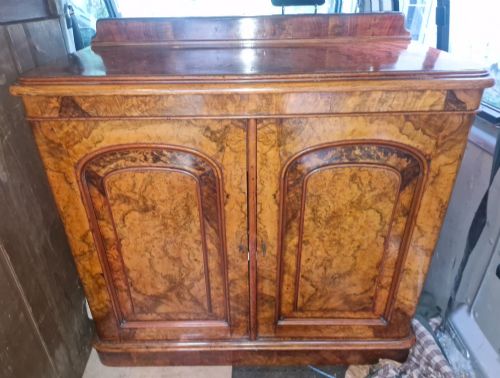
Cabinet makers relied predominantly on hardwoods like oak, mahogany, walnut, and rosewood, often pairing them with secondary softwoods such as pine for internal framing and drawer linings. Select pieces employ burr walnut or satinwood veneers, applied to carcases to create figured grain patterns across large frontal surfaces.
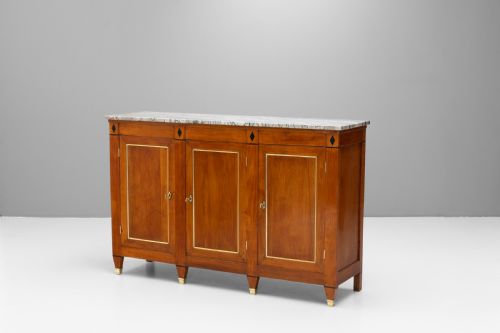
Joinery techniques combined traditional frame and panel construction with dovetailed drawer boxes and hand-carved ornamentation. Details such as brass hardware, glass panels, marble tops, and iron hinges complete the fabrication of these storage pieces.
Antique Storage Credenza Retail Price Guide 2026
Typical asking prices for storage credenza among the pieces listed under this phrase on Sellingantiques today, from the lower quarter to the upper quarter. They describe what is for sale here now, not the wider market.
Several cupboards hide secrets behind their doors, including dog kennel spaces designed to house pampered household pets.
Timber and Detail
Quality rests principally in the selection and preparation of the timber, where heavily figured veneers, dense solid oak, and richly toned mahogany distinguish better examples from simpler utility pieces. The depth and precision of hand-carving also set tiers apart, moving from basic mouldings to intricate fielded panels and shaped aprons.
Construction methods reveal craftsmanship through tightly fitted joinery, original hardware, and uncompromised internal shelving. Pieces retaining their original marble tops, brass fittings, and intact glass doors hold greater integrity than those altered over subsequent generations.
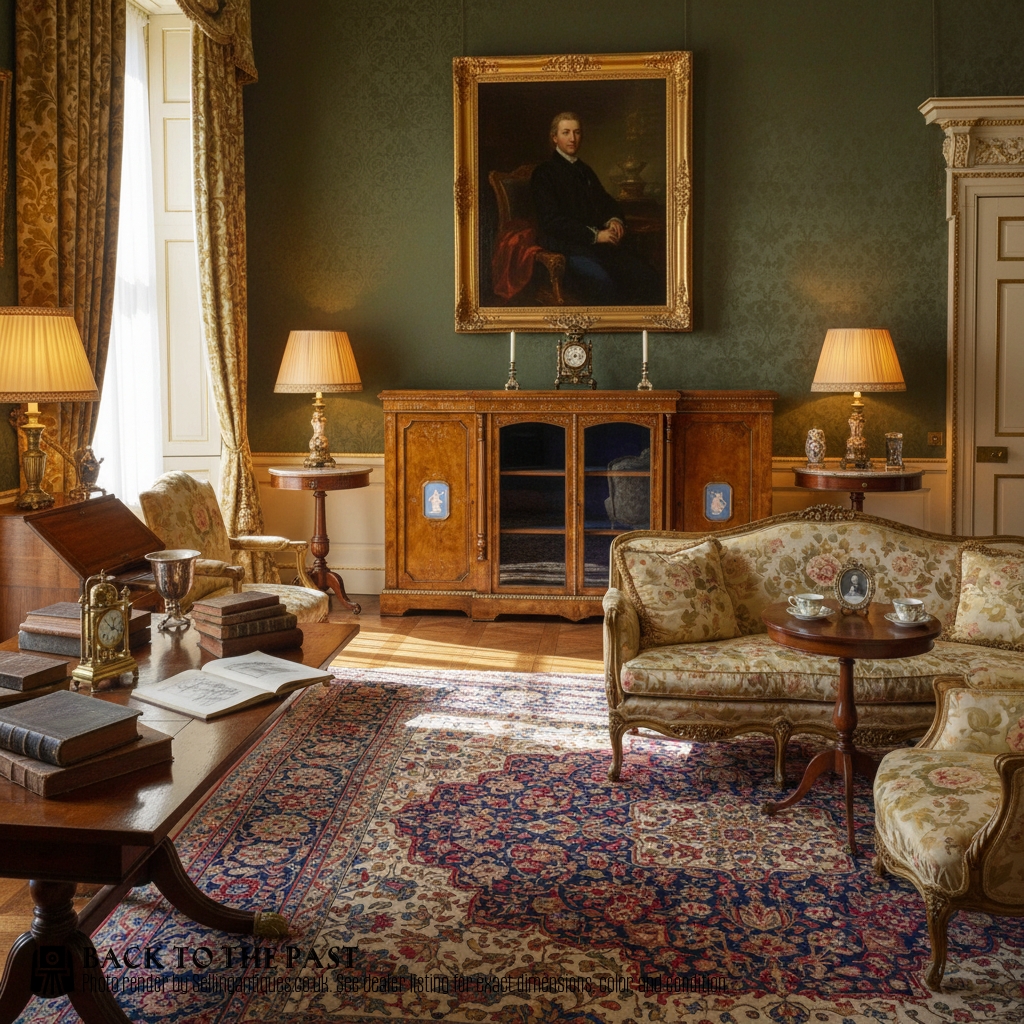
Whytock & Reid·Shoolbred & Co.
The Antique Storage Credenza Glossary
- Credenza
- A sideboard or low cabinet used for serving food and storing tableware. Originally Italian in origin, the form evolved across European cabinet-making traditions.
- Breakfront
- A piece of furniture whose central section projects forward from the flanking outer sections. This configuration creates visual depth and varied storage capacity.
- Chiffonier
- A small sideboard or low cupboard equipped with enclosed shelving and often a raised back. The form gained popularity during the Regency and Victorian periods.
- Court Cupboard
- An antique enclosed piece of furniture featuring recessed upper tiers supported by pillars. These sturdy oak items date back to earlier vernacular and revival traditions.
- Enfilade
- A long sideboard or buffet fitted with a sequence of three or more doors. This continental storage form provides continuous surface length along a dining room wall.
Antique Storage Credenza: Frequently Asked Questions
What is an antique storage credenza used for?
These pieces serve primarily as functional room storage, holding dining accessories, linens, and household items behind panelled doors and within fitted drawers. Their flat top surfaces additionally provide a steady platform for lamps, decorative objects, or serving food.
In contemporary interiors, they function effectively in dining rooms, living spaces, or hallways as focal points that combine display potential with concealed organisation.
How do I distinguish between Victorian and Edwardian pieces?
Victorian storage furniture generally employs darker, heavier timbers like mahogany and rosewood, often featuring rich carving, robust proportions, and high-gloss polishes. Edwardian pieces tend to display lighter oak or inlaid mahogany construction, reflecting a shift towards simpler, airier domestic aesthetics.
Examining the internal drawer construction and secondary woods like pine helps confirm the manufacturing period when stylistic details overlap.
How should I care for a waxed pine cupboard?
Waxed pine requires gentle cleaning with a soft, dry cloth to remove dust without disturbing the surface patina. Periodic application of a traditional beeswax feed maintains the moisture of the softwood and prevents the timber from drying out.
Keep the piece away from direct heat sources and strong sunlight to avoid warping the panels and fading the traditional wax finish.
Are marble-topped sideboards difficult to maintain?
Marble surfaces are remarkably durable but remain porous to acidic liquids such as wine, vinegar, or citrus juice. Wiping spills immediately with a damp cloth prevents staining and preserves the polish of the stone.
Occasional cleaning with mild, pH-neutral soap and water keeps the marble top hygienic without stripping its natural lustre.