

Antique Low Dresser
An antique low dresser offers useful domestic storage combined with centuries of regional woodworking character.
What an antique low dresser is
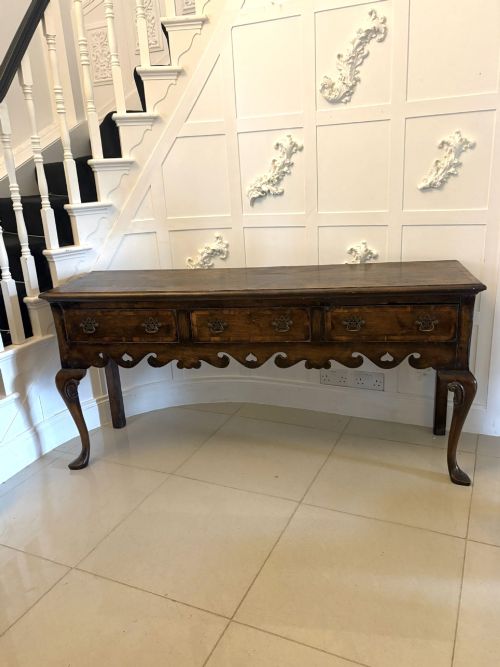
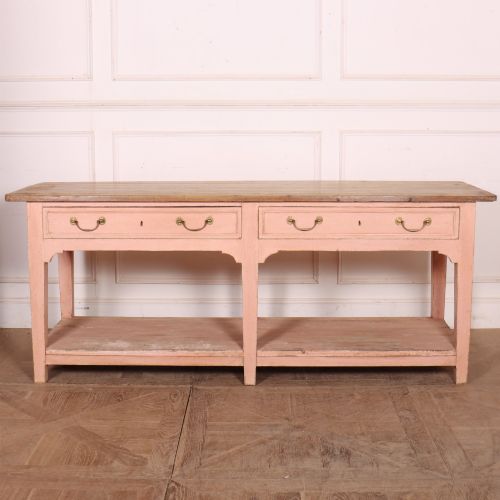
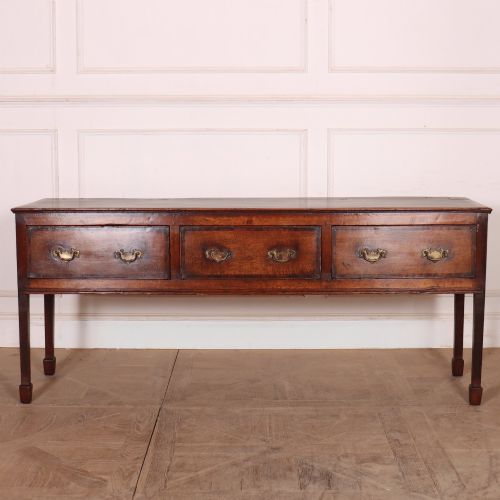
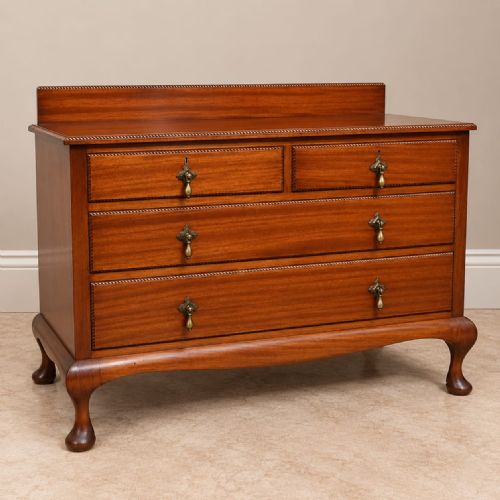
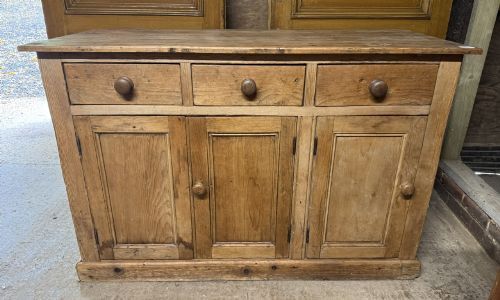
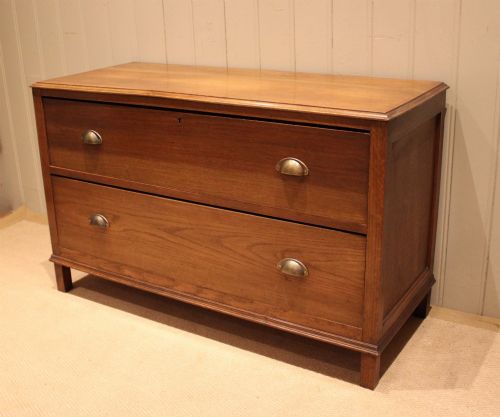
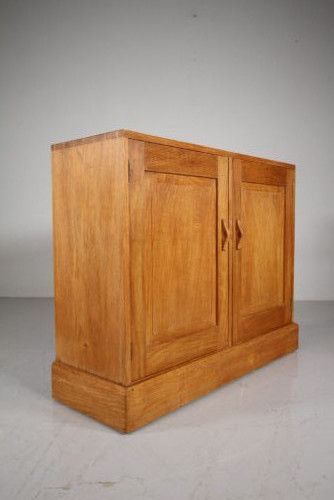
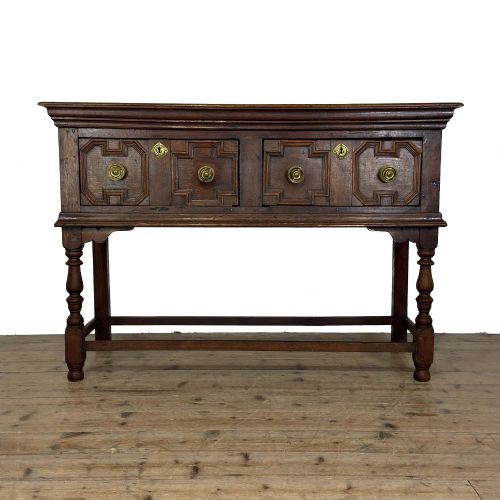
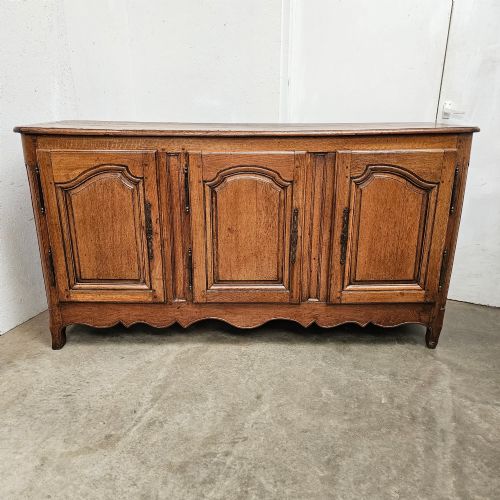
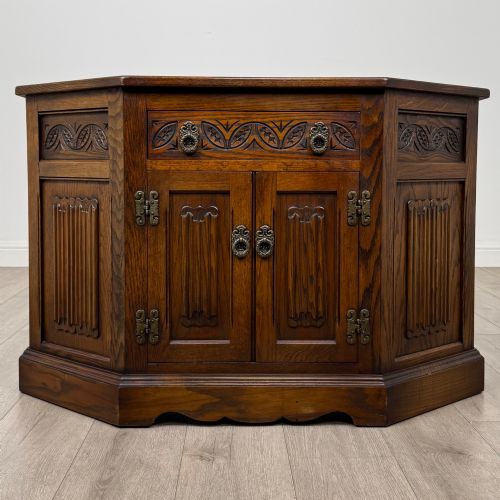
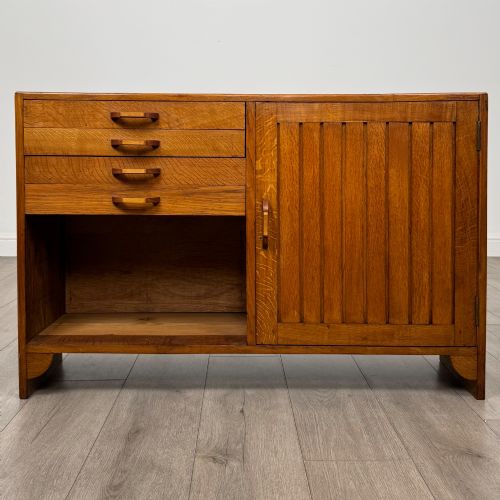
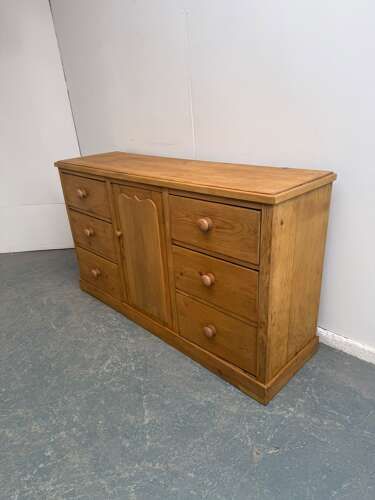
An antique low dresser provides a low-slung surface with drawers and occasionally a lower pot board, originating as a practical kitchen or dining room furnishing for food preparation and serving. These pieces appear primarily in regional English and Welsh variants, reflecting domestic needs across rural households.
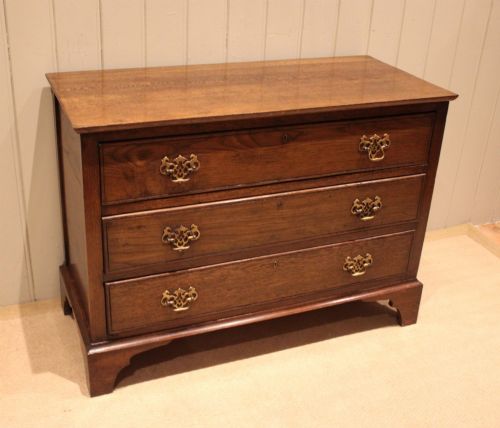
The selection here concentrates heavily on Georgian and nineteenth-century examples alongside earlier seventeenth-century survivals. Buyers encounter standard dresser bases and sideboards designed with multiple drawers and open lower shelves.
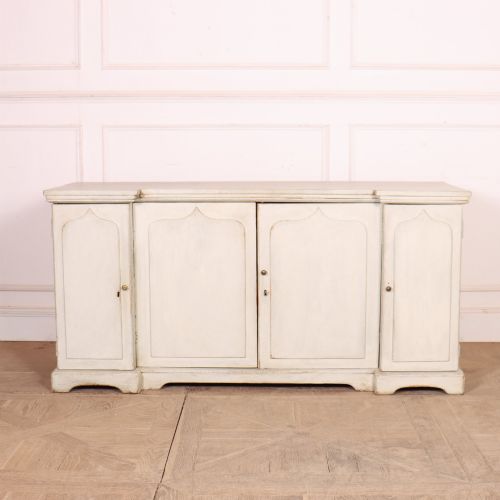
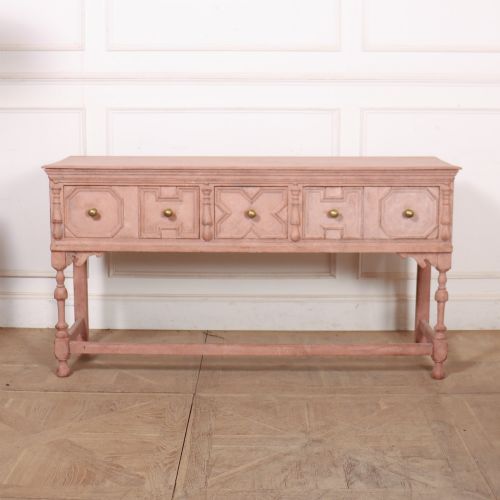
Materials span native hardwoods like oak and elm, sometimes complemented by walnut, inlay, or painted surfaces. Surviving pieces range from plain utilitarian tables to breakfront designs with distinct regional joinery.
How they were made
Cabinet makers built these pieces using solid native timbers, predominantly oak and elm, frequently incorporating walnut panels or decorative inlay. Construction relied on traditional joined frameworks, pegged mortise and tenon joints, and hand-cut dovetails for drawer construction.
Surfaces finished with brass hardware such as drop handles and escutcheons, while secondary woods were utilised for drawer linings and internal dividers. Timber selection dictated whether a base received a plain polished finish or painted treatment.
Retail Price Guide 2026
Typical UK retail prices for low dresser, calculated from the Sellingantiques database of over a million retail prices indexed since 2003. This retail price guide relies exclusively on Sellingantiques data; no external sources or auction records are used, so the figures do not describe the wider market.
Listings feature Georgian, Victorian, and seventeenth-century periods constructed from oak, elm, walnut, and pine.
What varies in quality
Construction methods and timber selection set the baseline for quality, separating provincial utility work from finer regional cabinet making. The presence of original brass hardware, uncompromised pot boards, and untouched timber patination distinguishes superior examples.
Proportion and structural integrity matter significantly, particularly how drawer tiers align with the lower pot board or legs. Pieces retaining their original structural thickness without heavy timber replacement command greater interest from collectors.
The Antique Low Dresser Glossary
- Pot board
- A low open lower shelf positioned beneath the main drawers, traditionally used for storing pots and domestic utensils.
- Dresser base
- The lower portion of a traditional kitchen dresser comprising a flat serving top and drawers, built without an upper plate rack.
- Block front
- A cabinet front featuring three vertical sections where the central section recedes and the outer sections project forward.
- Breakfront
- A piece of furniture where the central section projects forward from the flanking side sections.
- Joined
- A term describing furniture constructed using rigid framed joinery rather than basic nailed or screwed boards.
Frequently Asked Questions
What is an antique low dresser used for?
An antique low dresser serves as a low sideboard or serving table providing surface space and drawer storage for dining rooms or kitchens.
Modern interiors utilise these sturdy bases as media consoles, hallway storage, or kitchen serving surfaces.
How do I date an antique low dresser?
Dating relies on examining construction techniques, timber species, drawer dovetailing methods, and hardware styles across periods.
Georgian and earlier pieces display hand-carved details, pegged joinery, and native oak or elm planks unique to regional workshops.
Where were low dressers made?
Regional workshops across England and Wales produced these utility furnishings to satisfy local domestic storage requirements.
Shropshire, Cheshire, and Welsh districts developed distinct construction traits that help identify the origin of surviving bases.
What woods were used in low dressers?
Oak and elm form the primary structural timbers for the vast majority of regional English and Welsh dresser bases.
Some examples incorporate walnut panels, mahogany accents, or fruitwood inlay depending on the period and prevailing regional style.