

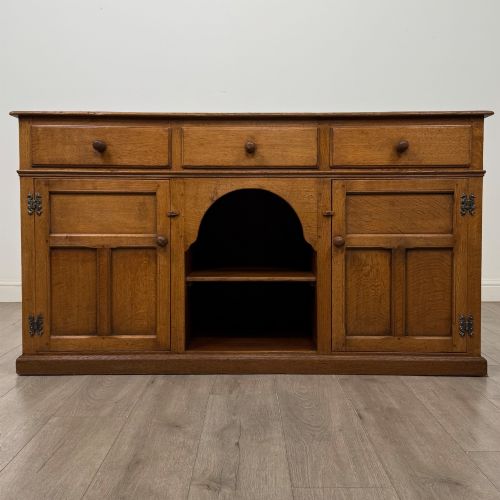
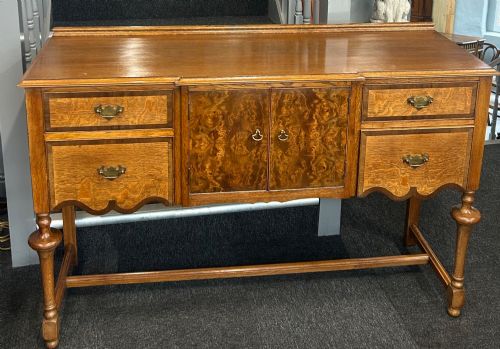
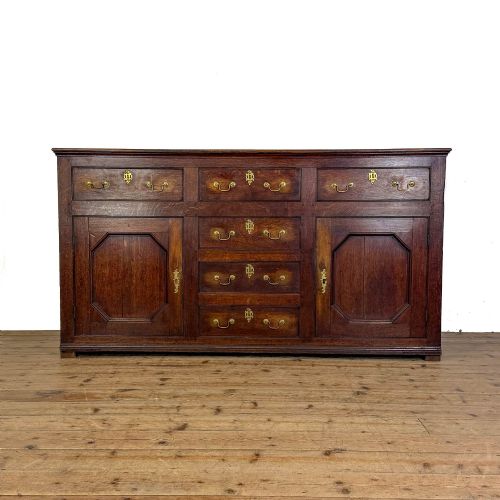
Traditional Oak Credenza
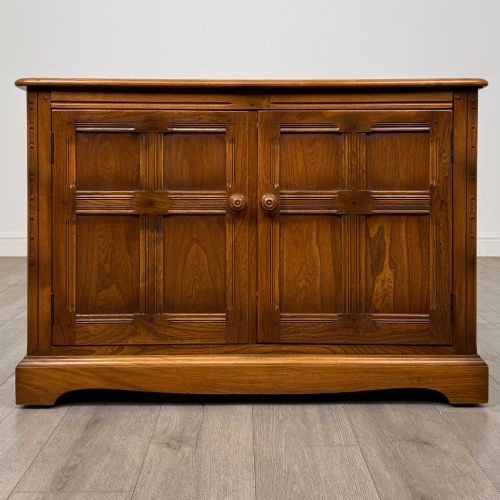
A traditional oak credenza brings centuries of solid timber craftsmanship into a modern dining room or hallway.
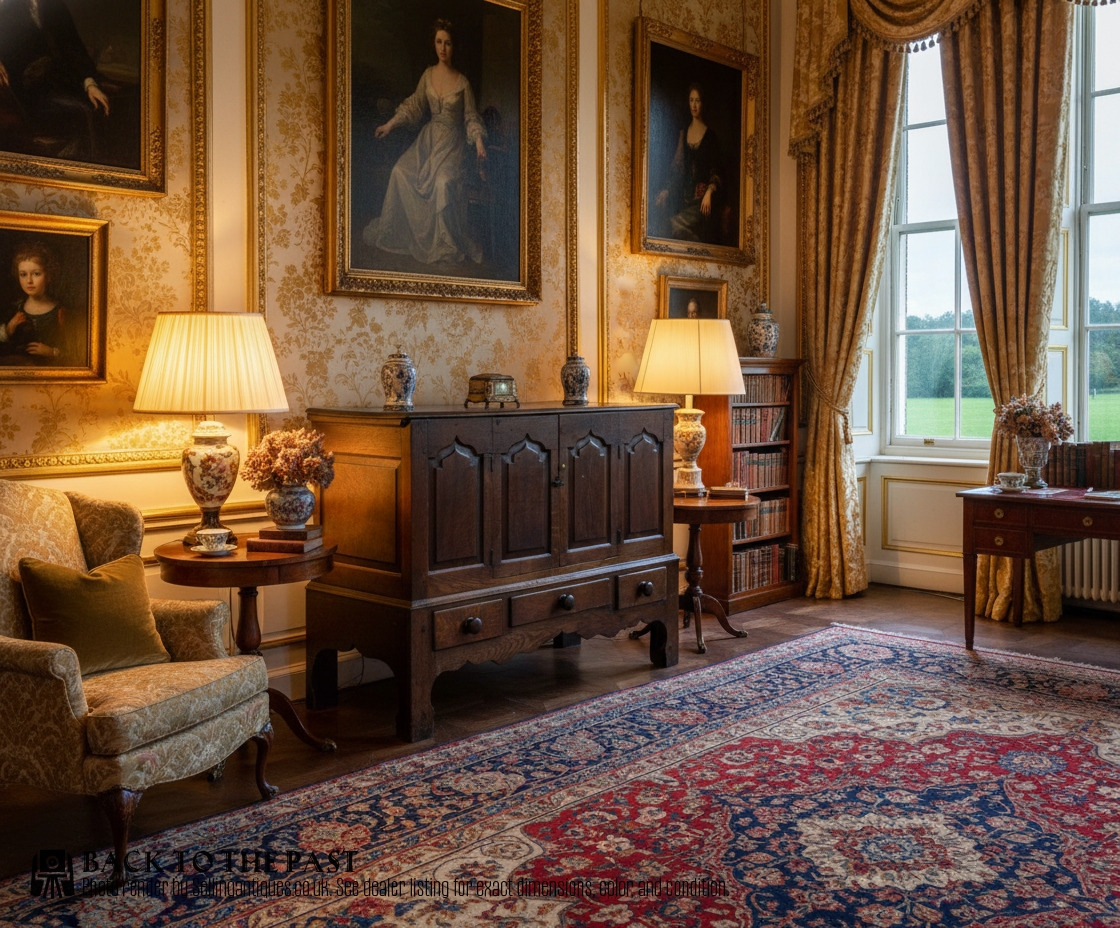
Traditional Oak Credenza
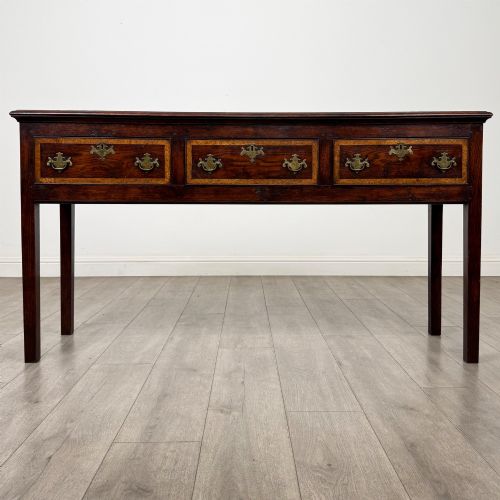
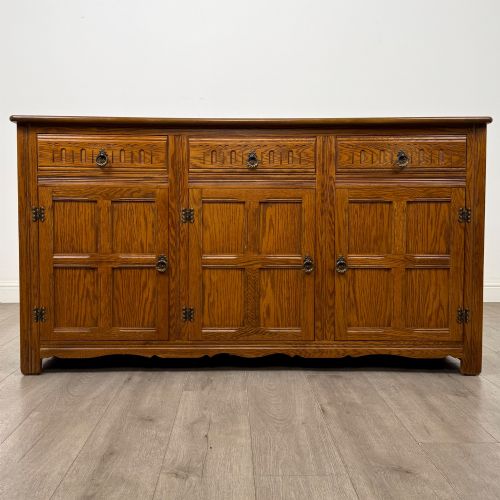
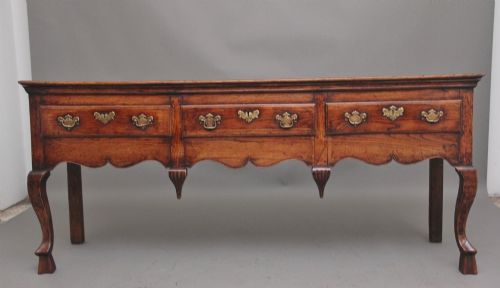
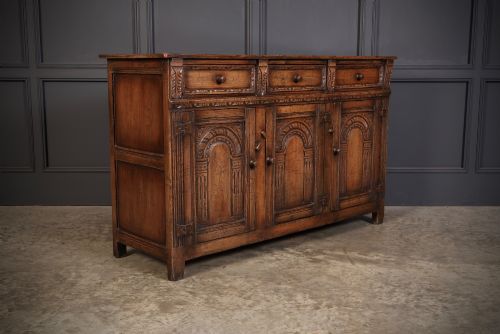
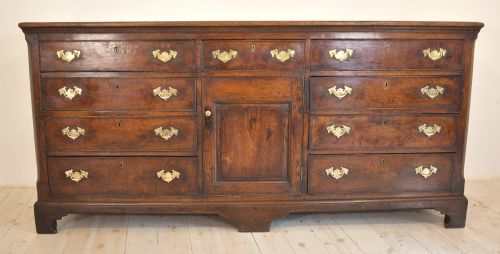
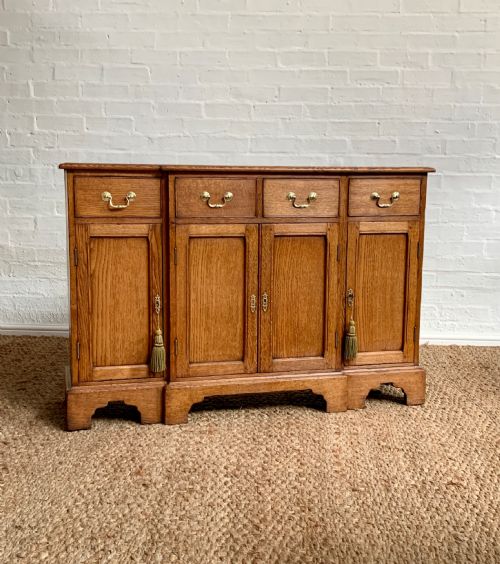
When searching for a traditional oak credenza, buyers encounter a robust mix of low storage furniture including sideboards, dresser bases, and court cupboards. These pieces originate across several centuries, with heavy representation from the eighteenth century alongside Edwardian and 1920s revivals.
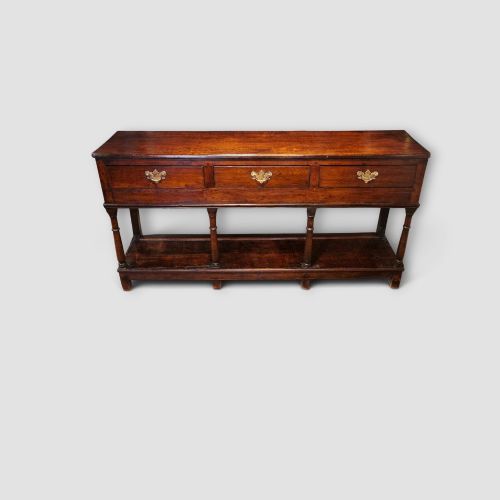
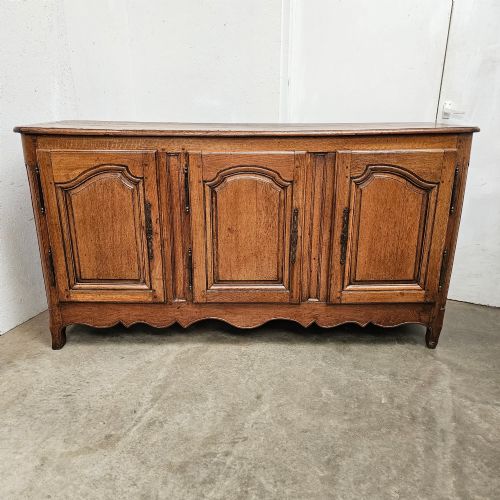
The format typically centres on a low, heavy wooden base fitted with cupboards or drawers, occasionally incorporating potboards or open shelving beneath. Regional variations such as Welsh or Lancashire dresser bases appear alongside French enfilades and Dutch examples, giving buyers diverse proportions to consider.
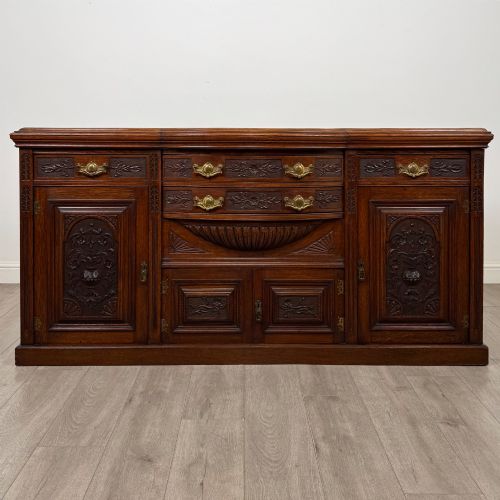
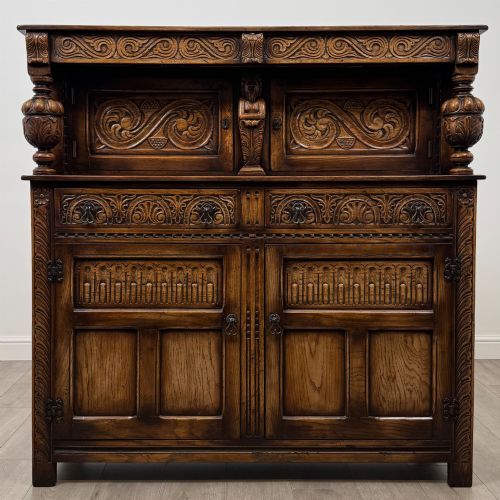
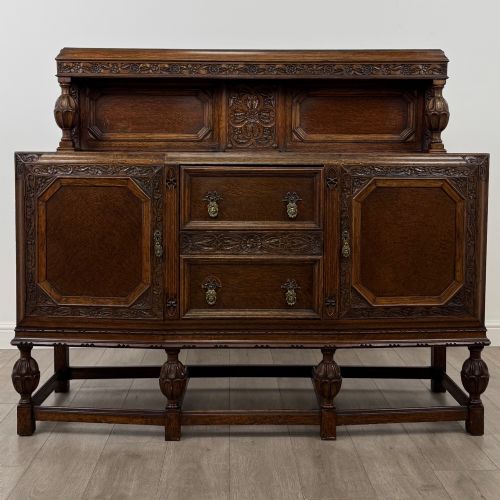
Georgian and Victorian periods contribute formal architectural lines and carved ornamentation, while early seventeenth and eighteenth-century examples lean towards utilitarian strength. Buyers find both simple panelled fronts and richly carved surfaces across the selection.
Materials and construction methods
The primary material across the selection is solid oak, frequently complemented by secondary timbers like elm or accented with burr walnut veneers. Metal fittings in brass, iron, and wrought iron provide structural reinforcement and operational hardware for doors and drawers.
Joinery methods rely on traditional framing techniques, mortise and tenon joints, and pegged construction to handle the weight of dense hardwoods. Surfaces show hand-carved detailing, linenfold panelling, and bleached or golden finishes depending on the period of manufacture.
Traditional Oak Credenza Retail Price Guide 2026
Typical asking prices for traditional oak credenza among the pieces listed under this phrase on Sellingantiques today, from the lower quarter to the upper quarter. They describe what is for sale here now, not the wider market.
Current listings span from the 17th century through to the 1930s, featuring oak, burr walnut, and wrought iron.
Measures of quality and craftsmanship
Quality in these pieces rests upon the selection of timber and the integrity of the original construction, where tight joinery and heavy gauge solid oak elevate a piece above standard utility furniture. The depth of hand-carved detail and the crispness of mouldings distinguish master cabinet work from simpler workshop production.
The survival of original brass and iron hardware, along with untouched patination on the timber surfaces, separates well-preserved examples from heavily restored or altered pieces. Proportion and balance within regional dresser bases also dictate the desirability of an item.
The Traditional Oak Credenza Glossary
- Dresser base
- A low wooden storage unit featuring drawers and cupboards beneath a flat top, historically used for food preparation and serving.
- Potboard
- An open lower shelf fitted between the legs of a dresser base, traditionally utilised for storing heavy pots and pans.
- Court cupboard
- A heavy enclosed wooden cabinet featuring an upper section supported by pillars or corbels above a wider lower base.
- Linenfold
- A style of wood carving that imitates vertical folds of folded cloth, popular on sixteenth and seventeenth-century panels.
- Enfilade
- A long sideboard or serving cabinet designed for large dining spaces, most commonly associated with continental European cabinetmaking.
Traditional Oak Credenza: Frequently Asked Questions
What is an oak dresser base?
An oak dresser base is a heavy low cabinet featuring drawers and cupboards designed for storage and serving in the dining room or kitchen. These items formed the foundational lower tier of traditional kitchen furniture before upper shelving units became common.
Today they function effectively as sideboards or media consoles in contemporary spaces, offering deep drawers and robust timber construction.
How do I date an old oak sideboard?
Dating relies on examining the construction methods, handle hardware, timber grain, and decorative styles characteristic of specific centuries. Eighteenth-century pieces often display hand-planed surfaces and pegged joinery, while Edwardian and 1920s revivals show machine-sawn elements.
Comparing the carved motifs, such as linenfold or Jacobean geometric patterns, against known period styles helps narrow the manufacturing window.
Where should I place a credenza?
These low cabinets suit dining rooms for storing tableware, hallways for welcoming guests, or living areas as substantial surface furniture. Their sturdy oak construction handles heavy lamps, books, and decorative objects with ease.
Ensure the room has adequate clearance for doors and drawers to open fully without obstruction from nearby seating.
How do I care for antique oak?
Maintain antique oak by dusting with a dry, soft cloth and occasionally applying natural beeswax to nourish the dry timber. Avoid placing the furniture in direct sunlight or near heat sources that might cause the solid wood to split.
Treat spills promptly and protect the top surface from excessive moisture using coasters or felt pads.