

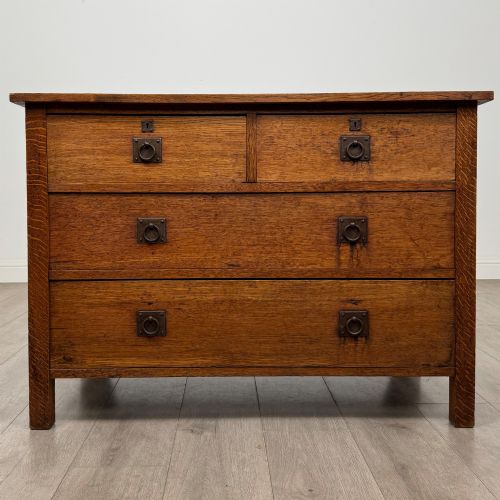
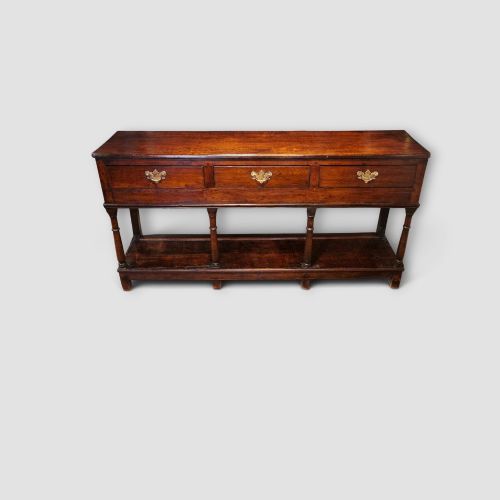
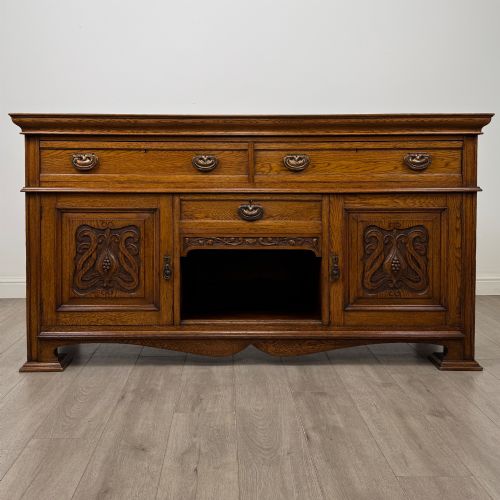
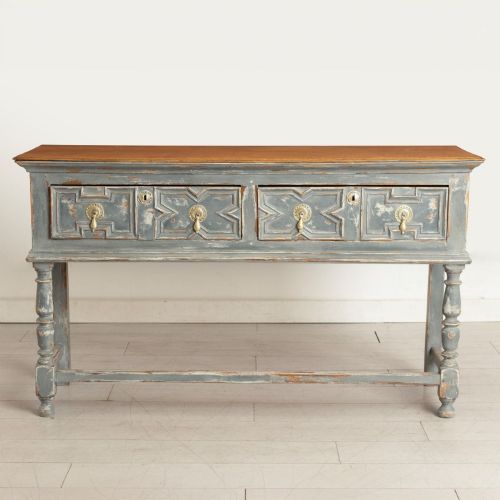
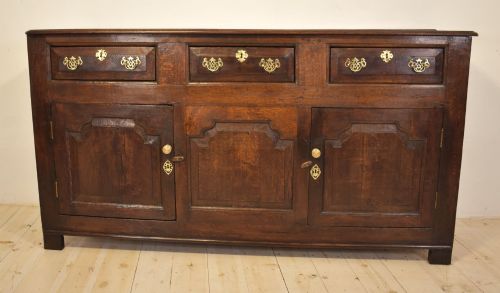
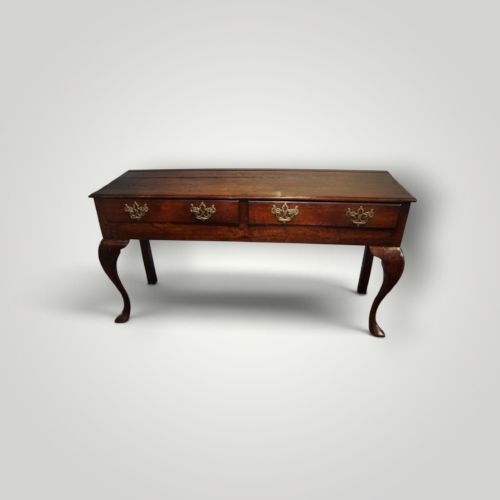
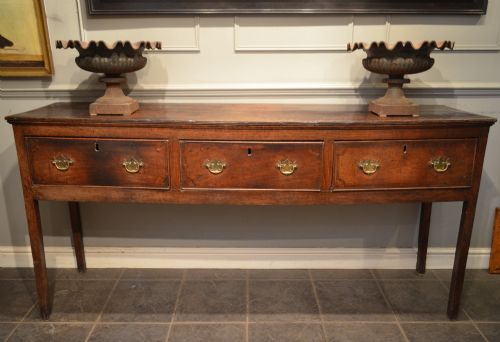
Oak Sideboard with Drawers
An oak sideboard with drawers grounds a room with timber weight, offering deep storage built to last through generations of daily use.
What these pieces are
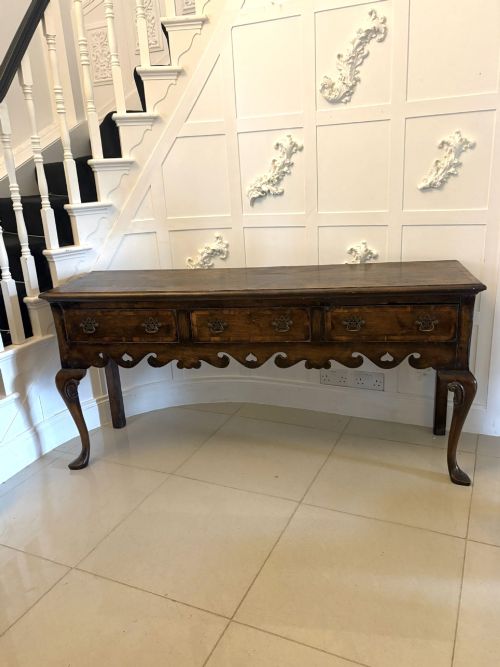
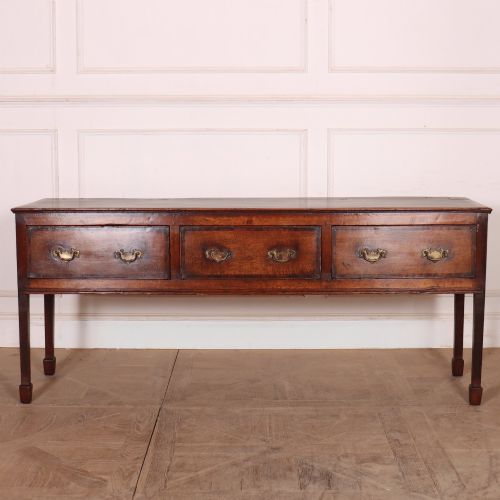
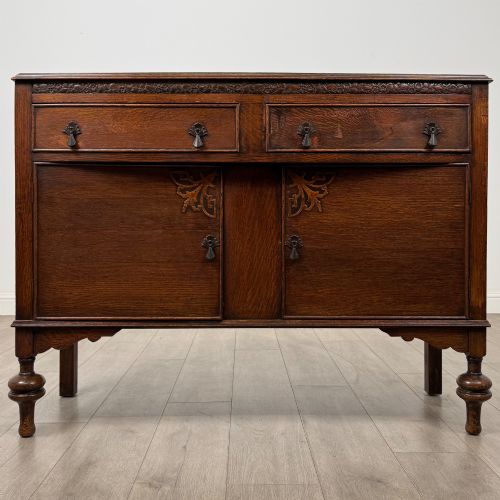
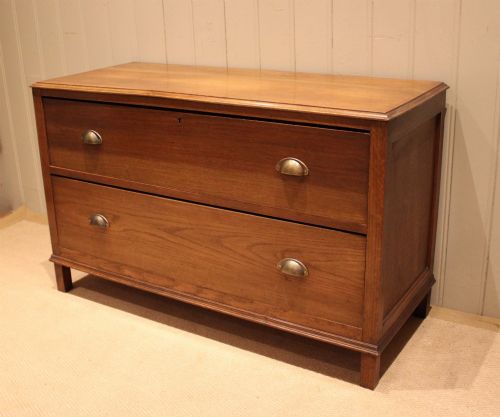
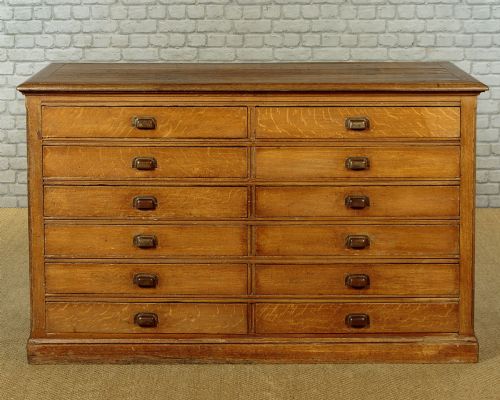
An oak sideboard with drawers brings robust utility to a dining room or hallway, serving as both a surface for serving and a secure compartment for linen or cutlery. The pieces gathered here span from the eighteenth century through the Edwardian era up to the nineteen-thirties.
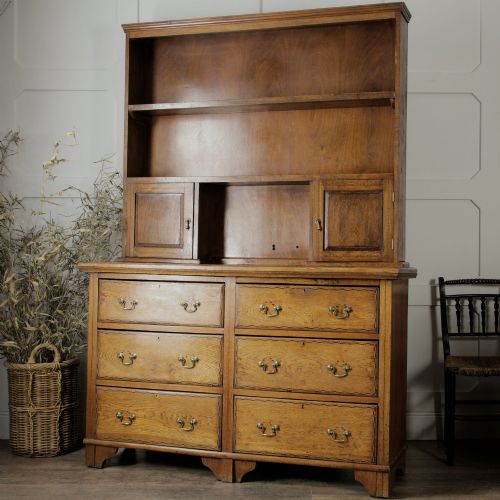
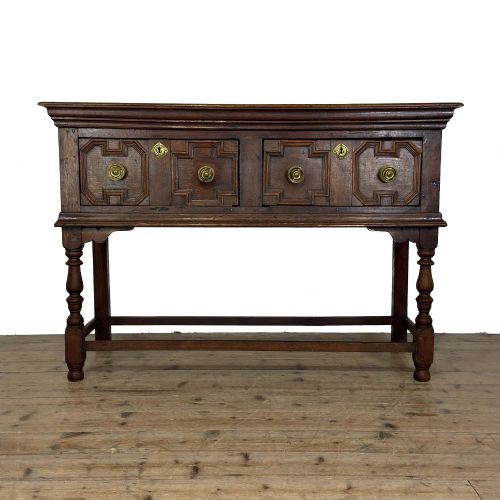
The form adapts across decades, appearing as simple solid oak side cabinets, substantial dresser bases, and ornate revival designs. Buyers most frequently encounter twentieth-century interpretations alongside earlier eighteenth-century examples.
Makers drew on diverse design vocabularies including Georgian restraint, Arts and Crafts simplicity, and exuberant Jacobean and Carolean revivals. Each piece reflects the dominant interior tastes of its specific decade of production.
How they were made
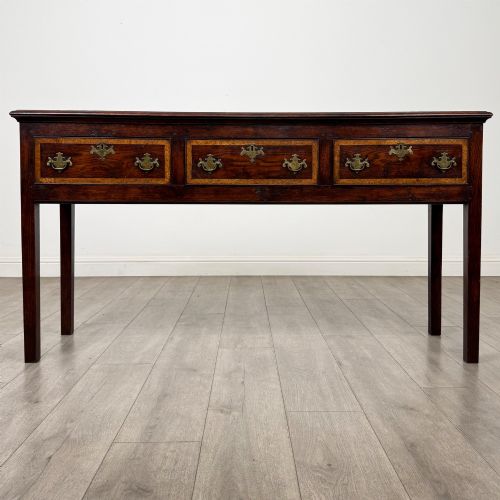
Construction relies primarily on solid oak, selected for durability and pronounced grain patterns, occasionally paired with burr walnut accents. Hardware incorporates functional metal elements in brass, copper, and iron.
Techniques range from plain solid timber construction to elaborate carving, evidenced by barley-twist supports and decorative relief work. Joinery reflects traditional workshop methods appropriate to each respective period.
Retail Price Guide 2026
Typical UK retail prices for oak sideboard with drawers, calculated from the Sellingantiques database of over a million retail prices indexed since 2003. This retail price guide relies exclusively on Sellingantiques data; no external sources or auction records are used, so the figures do not describe the wider market.
A nineteenth-century maker added an ornate back to an oak sideboard, proving that even storage furniture occasionally likes to dress up for the occasion.
What varies in quality
Quality rests upon the depth of timber selection and the ambition of the maker's hand, moving from utilitarian solid side cabinets to deeply carved revival showpieces. Finely sculpted details and integrated metalwork elevate an ordinary storage base into a notable furnishing.
The integrity of the construction distinguishes superior examples, where proportions remain balanced and historical revival styles are executed with precision rather than hurried repetition.
The Oak Sideboard with Drawers Glossary
- Dresser base
- A lower storage unit featuring drawers and cupboards, traditionally used in dining spaces for food preparation and tableware storage.
- Barley-twist
- A decorative turning technique resembling a spiralling rope, frequently found on the legs and supports of seventeenth-century revival furniture.
- Burr walnut
- A figured veneer sliced from walnut tree growths, valued for its swirling patterns and used to create striking contrast against plain oak surfaces.
- Carolean revival
- A nineteenth and twentieth-century design style imitating the ornate, richly carved furniture of the reign of King Charles the Second.
Frequently Asked Questions
Where should I place an oak sideboard?
These pieces suit dining rooms, living spaces, and wide hallways where their storage capacity and surface area function best.
Ensure adequate clearance around drawers and doors to allow comfortable access in daily use.
How do I care for oak furniture?
Maintain the timber by dusting regularly with a dry cloth and occasionally applying appropriate natural wax to nourish the grain.
Keep pieces away from direct heat sources and strong sunlight to prevent the timber from drying out or splitting.
How do I tell different periods apart?
Eighteenth-century examples often display simpler hand-planed surfaces and structural wear consistent with early domestic use.
Twentieth-century revival pieces frequently showcase heavier machine carving, pronounced barley-twists, and specific stylistic revivals like Arts and Crafts.
Were these always used in dining rooms?
While primarily designed for serving food and storing dining utensils, historical sideboards adapted to various household storage needs over time.
Earlier dresser bases often originated in large kitchens before moving into formal dining spaces during later centuries.