
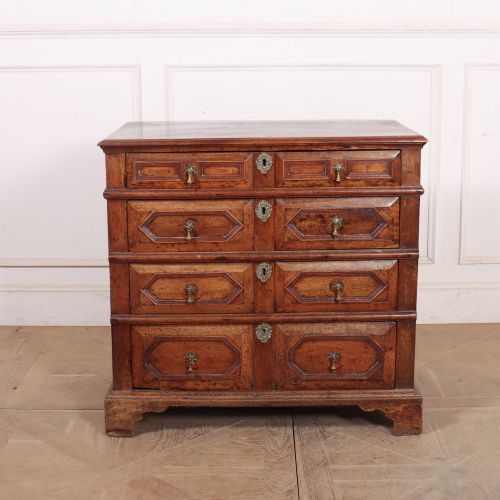


Jacobean Style Dresser Base
A jacobean style dresser base brings robust timber and period proportion into a room, offering sturdy surface space alongside deep storage.
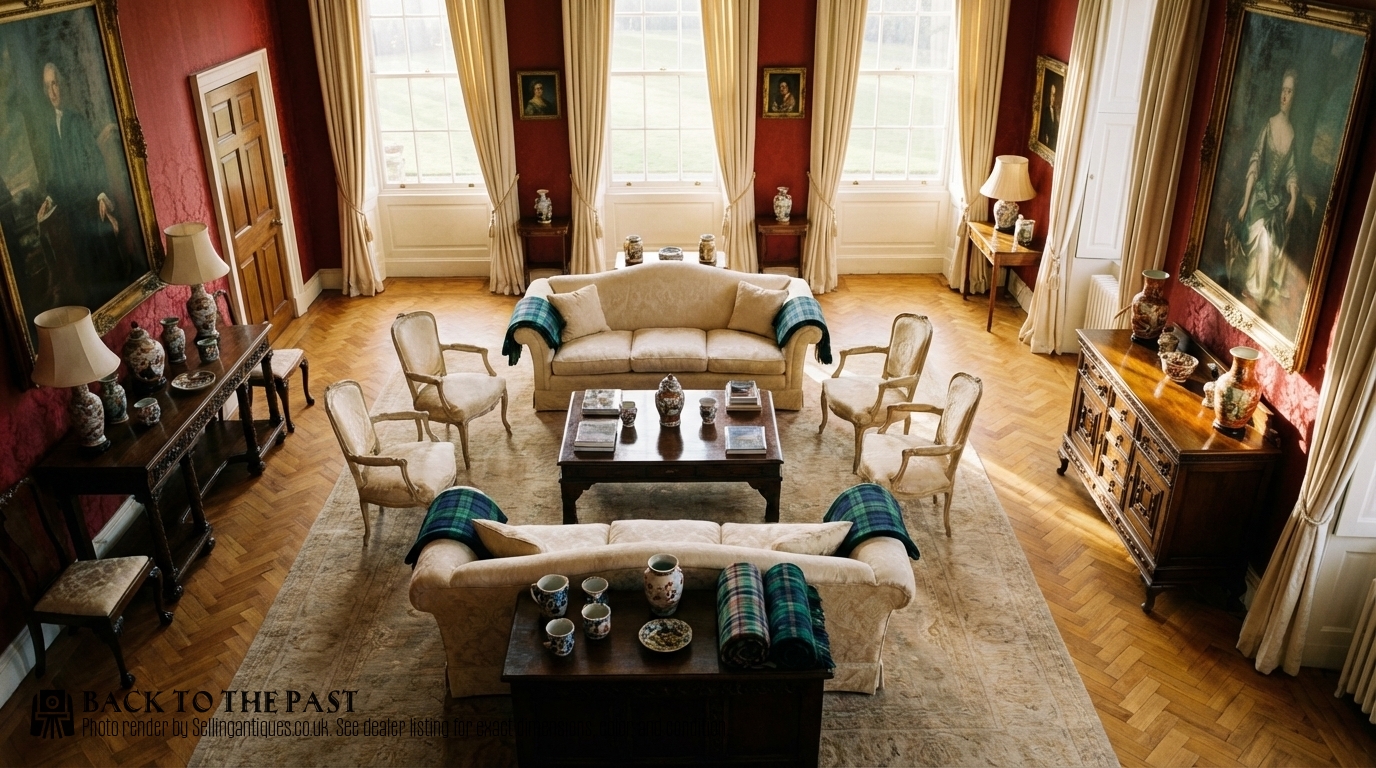
Jacobean Style Dresser Base
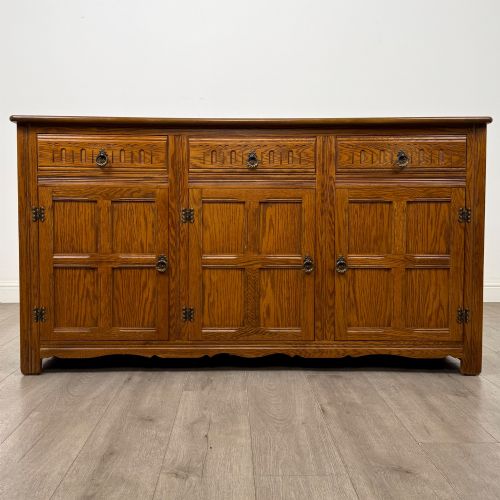
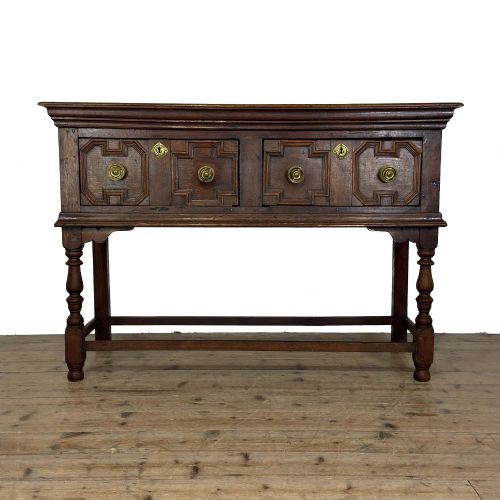
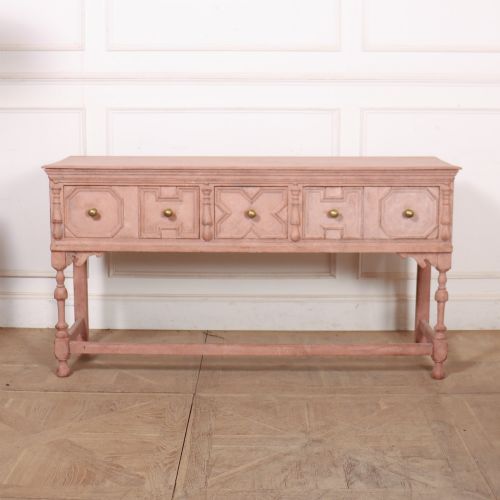
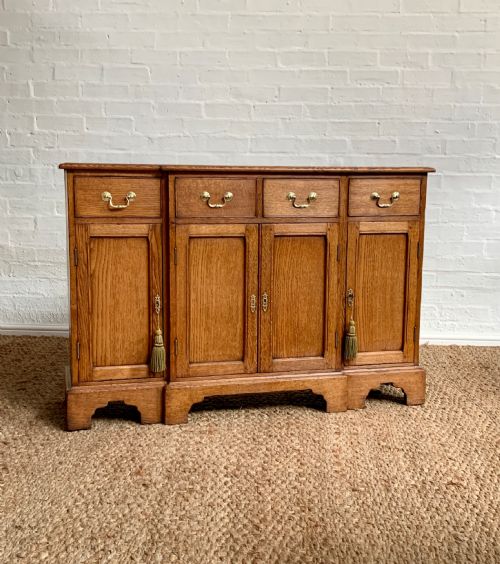
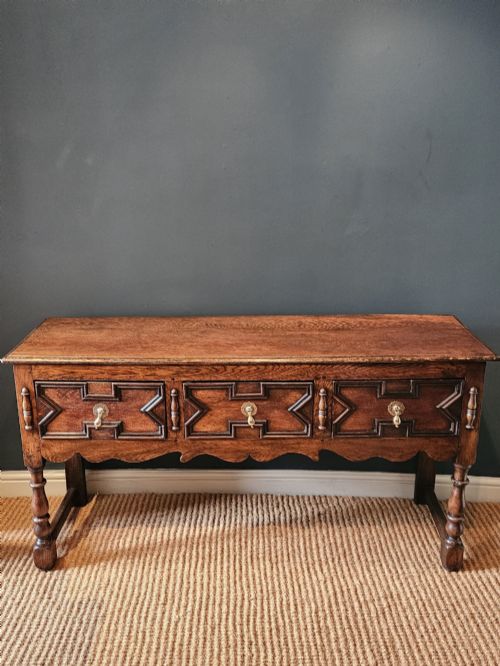
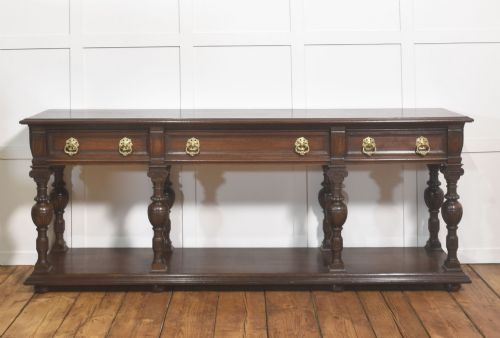
A jacobean style dresser base provides a low, heavy-set profile designed for display and utility, frequently meeting the eye in solid oak form. These pieces anchor dining rooms and hallways with generous top surfaces and functional lower drawers or cupboards.
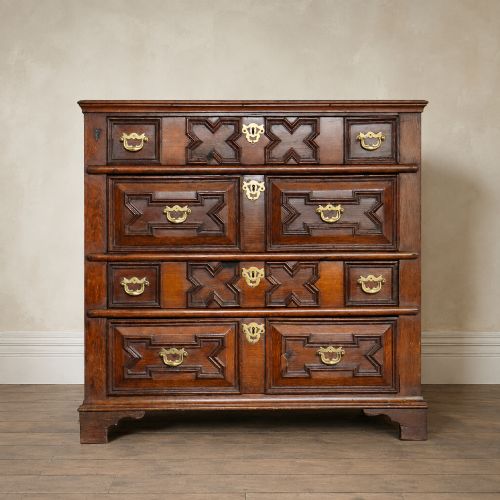
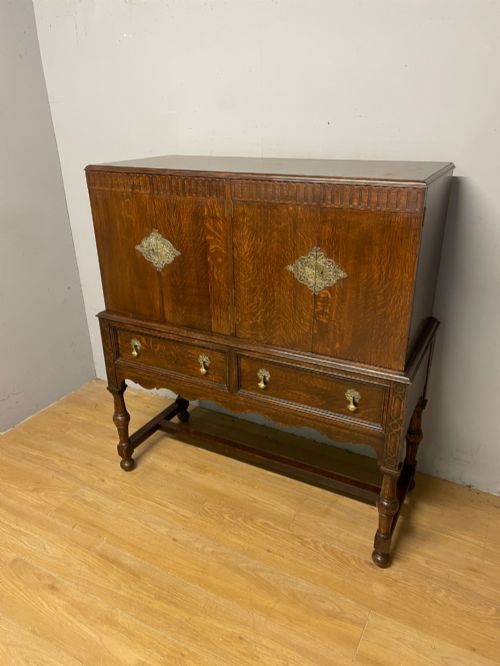
The versions most common on this page span from genuine seventeenth-century examples to later revivals from the nineteenth and early twentieth centuries. Makers across the Edwardian era and the nineteen-twenties replicated earlier architectural lines, geometric mouldings, and substantial timber frames.
Materials and construction
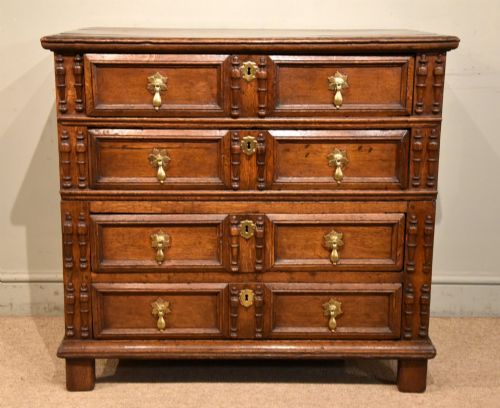
Carpenters relied principally on native oak, selecting boards for durability and figuring before shaping them with hand tools. Iron and brass hardware, including drop handles and escutcheons, secured doors and drawers while adding metallic contrast to the dark wood.
Joinery methods involved traditional mortise and tenon frames alongside panelled construction to accommodate timber movement over centuries. Surface treatments ranged from polished golden finishes to historic painted applications and applied geometric mouldings.
Jacobean Style Dresser Base Retail Price Guide 2026
Typical asking prices for jacobean style dresser base among the pieces listed under this phrase on Sellingantiques today, from the lower quarter to the upper quarter. They describe what is for sale here now, not the wider market.
Periods represented span from the seventeenth century through Georgian and Victorian eras into nineteen-thirties revivals.
Distinctions in craftsmanship
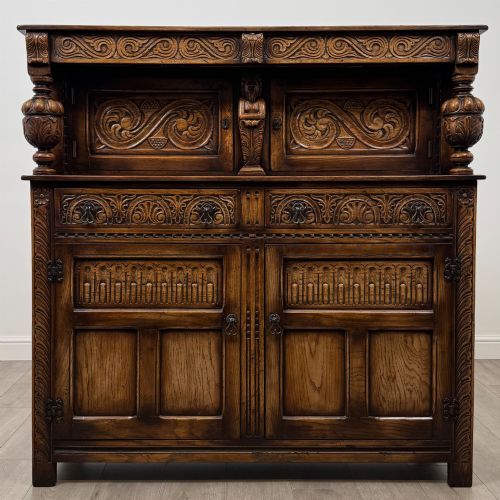
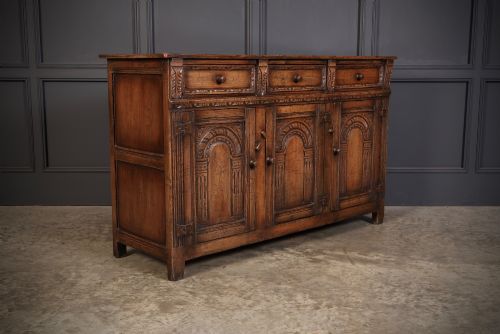
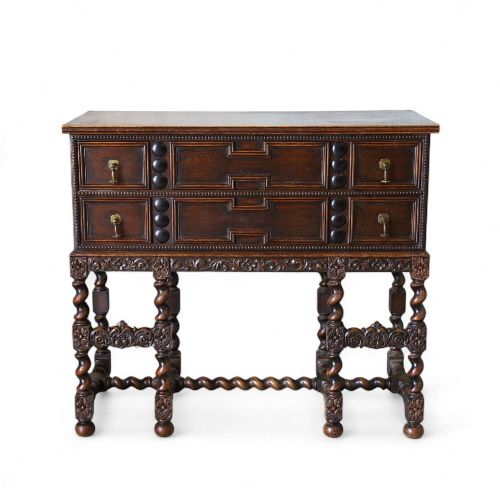
Depth and crispness of carving separate standard revival pieces from finer workshops, particularly where relief panels and friezes show careful chisel work. The integrity of the timber structure, including the survival of original potboards and turned supports, dictates the overall character.
Proportion and surface patination distinguish superior examples, as centuries of use impart a deep lustre to the oak. Alterations to hardware or replaced timber sections shift a piece away from its original state.
The Jacobean Style Dresser Base Glossary
- Dresser base
- A low wooden storage cabinet featuring drawers or cupboards, historically used for food preparation and serving.
- Geometric moulding
- Raised wooden profiling applied in repeating rectangular or octagonal patterns to drawer fronts and doors, typical of seventeenth-century joinery.
- Potboard
- An open lower shelf fitted between the legs of a dresser, originally intended for storing heavy pots and utensils.
- Court cupboard
- A heavy enclosed storage piece with an upper section set back from a larger base, often heavily carved.
- Barley-twist
- A turned furniture leg or support resembling a spiralling rope, popular during the seventeenth century and later revival periods.
Jacobean Style Dresser Base: Frequently Asked Questions
What is a jacobean style dresser base used for?
These low timber cabinets serve as sideboards in dining spaces, offering wide surface areas for serving food and deep drawers for storing linens or cutlery.
Their substantial height and sturdy build make them practical furniture pieces that also provide display space for ceramics or lamps.
How do I identify a revival piece?
Revival items often display machine-cut elements or lighter golden oak tones characteristic of Edwardian and interwar workshops rather than deep seventeenth-century patination.
Examining the drawer linings, backboards, and internal fixings helps reveal whether a piece dates to the original period or copies the historic style later.
Are these pieces made of solid oak?
The majority of listings in this category utilise solid oak timbers for the frame, top, and drawer construction, ensuring long-term durability.
Some later interpretations incorporate secondary woods in unseen areas like drawer sides, while retaining oak for all primary visible surfaces.
How should I care for antique oak furniture?
Maintaining these surfaces requires avoiding direct sunlight and sudden temperature changes that can cause solid timber to split or warp over time.
Regular dusting with a dry cloth and occasional application of appropriate wax helps preserve the natural grain and historic patination.