

Brown Oak Server
These brown oak server pieces are substantial timber dining room tables and storage bases that bring deep, rich grain to a traditional interior.
What a brown oak server is
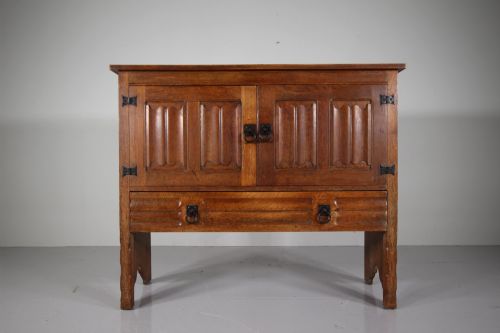
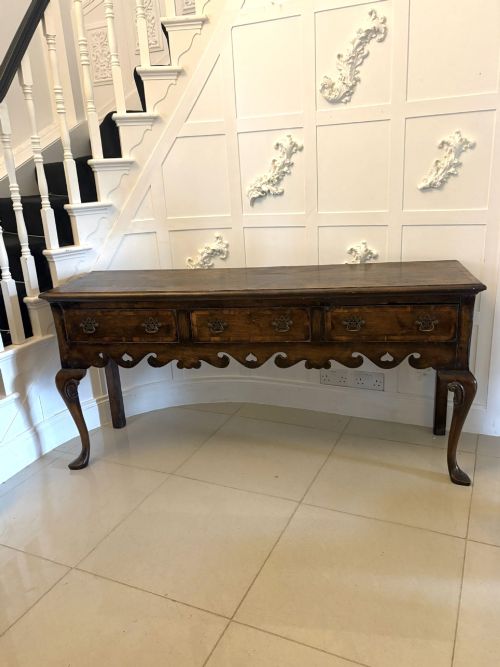
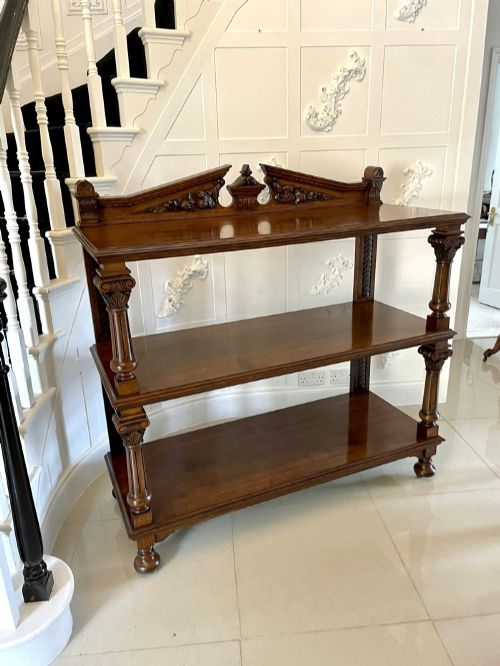
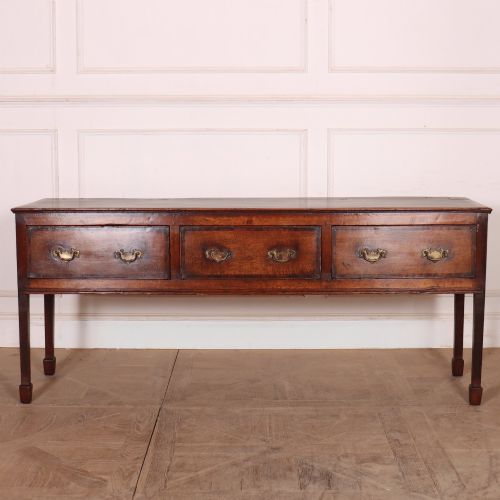
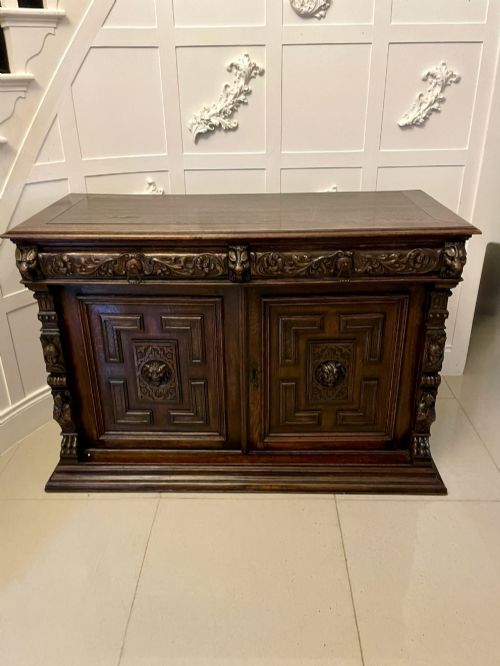
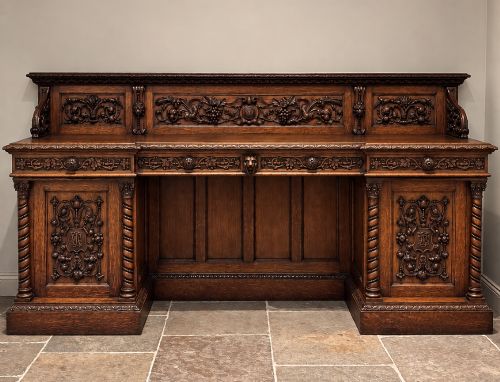
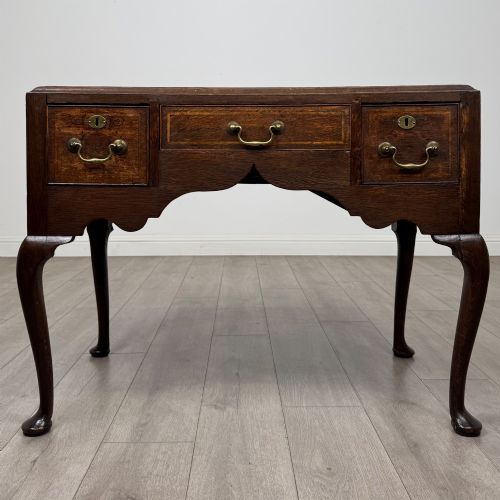
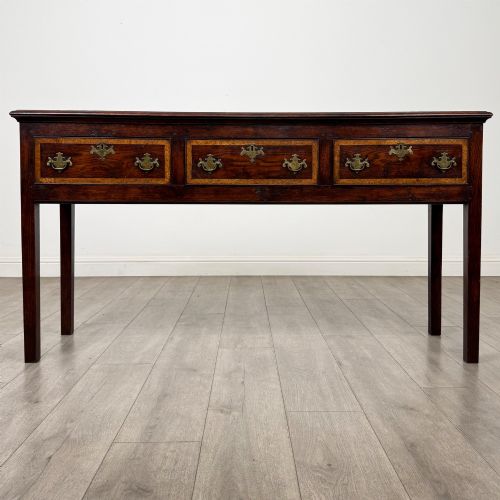
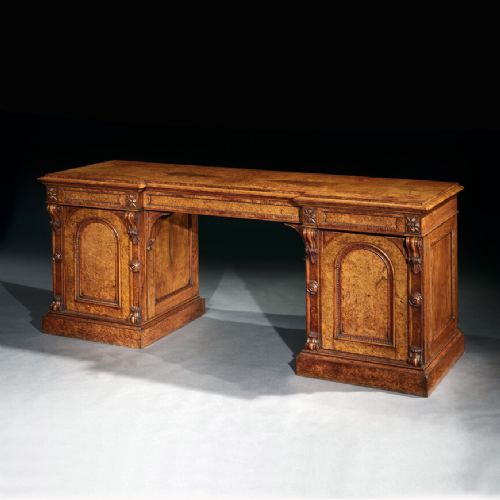
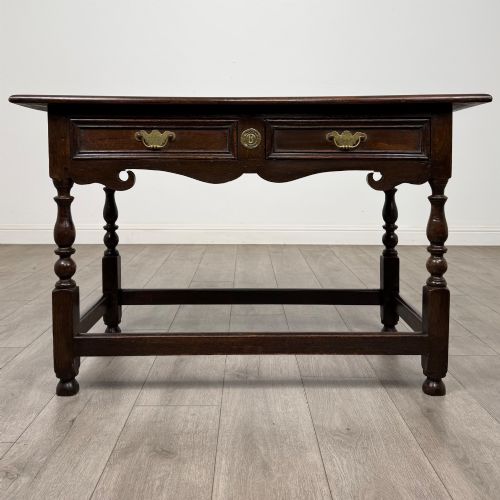
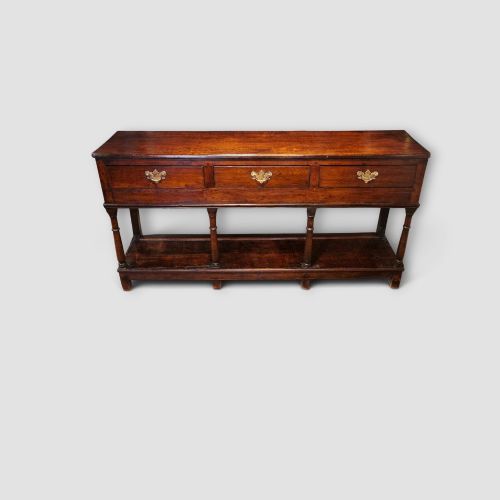
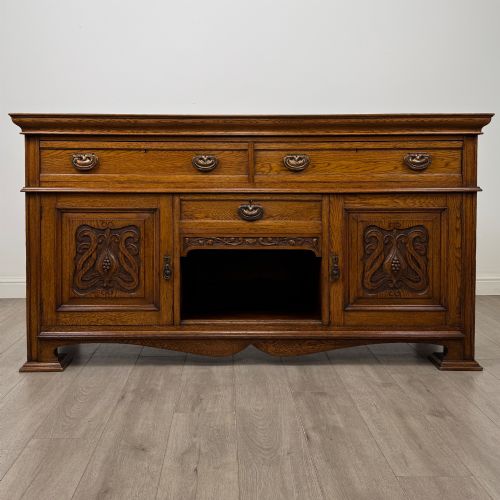
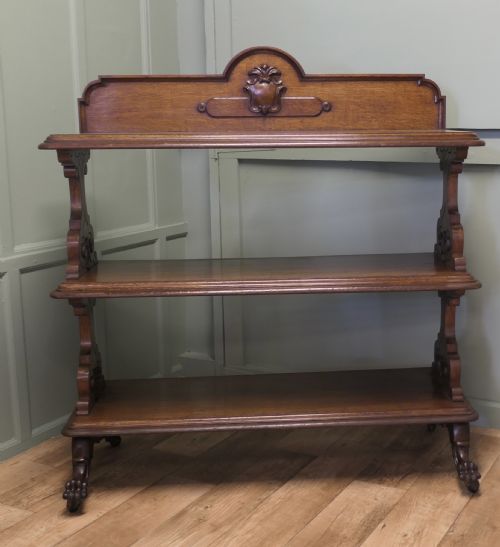
A brown oak server encompasses sturdy timber dresser bases, sideboard furniture, and refectory tables rooted in early centuries of British cabinet making. Buyers searching for a brown oak server usually encounter practical serving surfaces featuring multiple drawers and open potboards beneath.
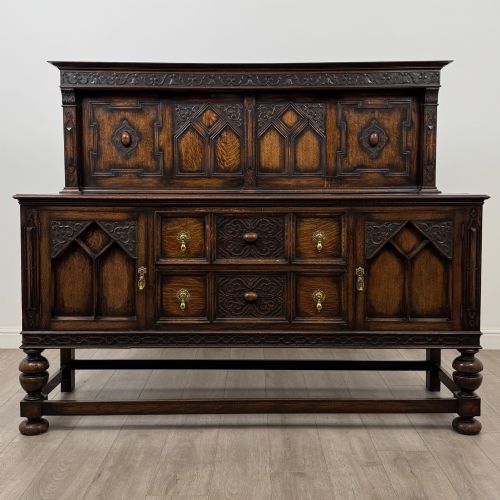
The surviving examples range across the Georgian and Edwardian eras, alongside later revival pieces from the 1920s and 1930s. Stylistic influences span George I proportions, Welsh vernacular traditions, and robust Jacobean Revival motifs.
These items were originally built for heavy daily use in large country houses and modest rural homes alike. Their enduring utility makes them popular as focal points for dining rooms and large kitchens today.
How they were made
Makers utilised solid oak throughout these constructions, celebrated for its dense grain and durability. Structural joinery relied on traditional methods such as mortise and tenon joints to secure the heavy frameworks.
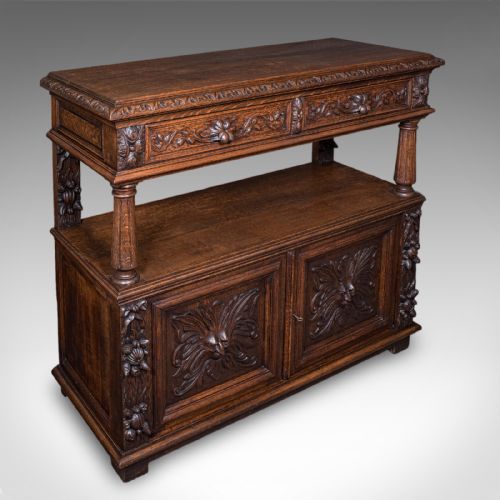
Hardware typically consists of cast brass handles and escutcheons that accent the dark timber. Surface decoration often includes geometric mouldings and hand carving applied directly to the solid wood.
Retail Price Guide 2026
Typical UK retail prices for brown oak server, calculated from the Sellingantiques database of over a million retail prices indexed since 2003. This retail price guide relies exclusively on Sellingantiques data; no external sources or auction records are used, so the figures do not describe the wider market.
Listings feature oak furniture spanning the Georgian and Edwardian eras, alongside 1920 and 1930 revival pieces using brass hardware.
What varies in quality
Quality in these timber pieces rests on the depth of the oak grain and the crispness of any applied geometric moulding or hand carving. Superior examples display thoughtful proportions and harmonious integration of drawers and potboards.
The integrity of the original construction and the richness of the timber's natural patina separate standard utility items from finer cabinet work. Balance between the structural carcass and the hardware contributes significantly to the visual weight of the piece.
The Brown Oak Server Glossary
- Potboard
- An open lower shelf built into the base of a dresser or server, traditionally used for storing pots and heavy crockery. This feature lifts the main body off the floor and adds structural stability.
- Geometric moulding
- Raised wooden detailing applied in angular patterns, often seen on drawer fronts from the Georgian period. It creates texture and depth through simple shadow lines.
- Refectory table
- A long, narrow dining table originally designed for communal dining halls. These heavy timber tables form part of the wider tradition of oak furniture.
- Vernacular
- Everyday furniture made by local regional craftsmen using traditional regional designs rather than high-style metropolitan fashions. Welsh vernacular pieces showcase distinct local construction habits.
- Jacobean Revival
- A later stylistic movement popular in the early twentieth century that harks back to seventeenth-century forms. It employs heavy turning, dark oak, and deep relief carving.
Frequently Asked Questions
What is a brown oak server?
A brown oak server is a heavy timber sideboard or dresser base designed for food preparation and dining room storage. These pieces feature solid oak construction and practical surface areas.
They serve as functional storage units with drawers and lower potboards while displaying rich timber grain and traditional joinery.
How old are these servers?
The available pieces span several distinct periods, including Georgian eras, the Edwardian period, and later twentieth-century revivals from the 1920s and 1930s.
Construction details and stylistic motifs help identify whether a piece originates from an earlier centuries-old workshop or a later revival movement.
Where were these pieces used?
These servers originated in country houses, farmhouses, and large rural homes where sturdy furniture was required for daily domestic life.
They sat in kitchens and dining rooms to hold heavy crockery, serving dishes, and provisions before transitioning into decorative living spaces.
How do I care for oak furniture?
Solid oak benefits from regular dusting with a dry cloth and occasional treatment with suitable natural wax to nourish the grain. Avoiding direct heat sources prevents the timber from splitting.
Proper humidity levels in the room keep the heavy construction stable and preserve the natural patina of the wood over time.