


Rustic Oak Sideboard
A rustic oak sideboard brings honest timber and utility into a room, spanning centuries of country craftsmanship from English dresser bases to French provincial enfilades.
Rustic Oak Sideboard
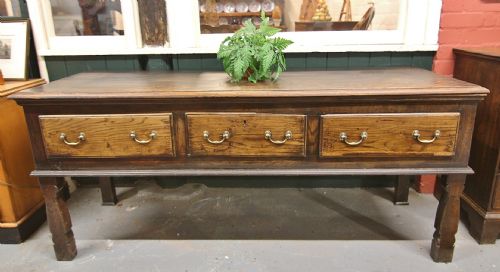
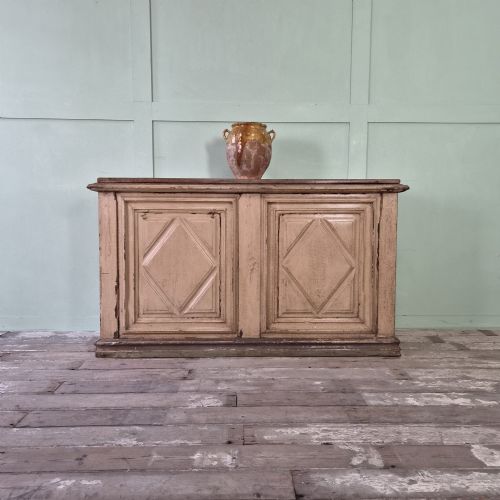
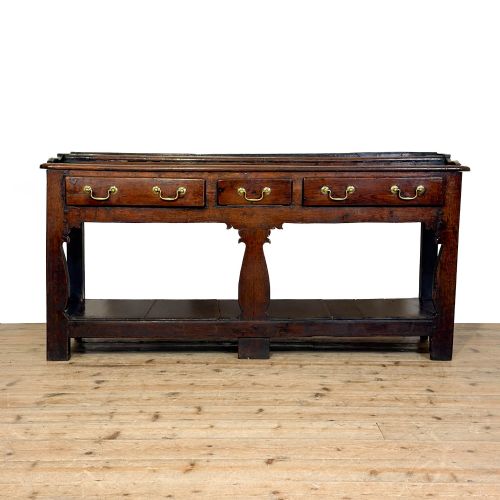
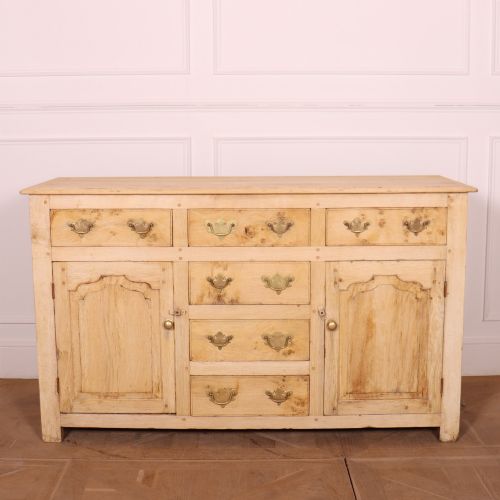
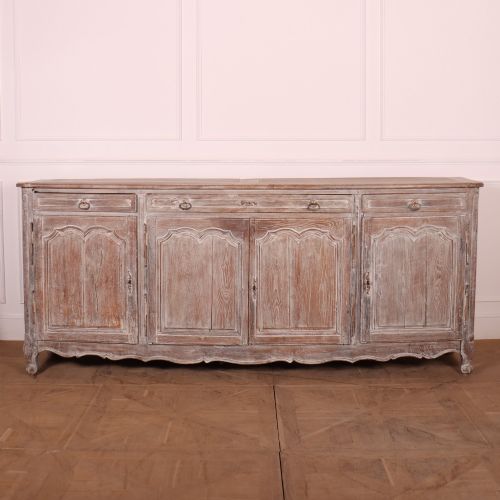
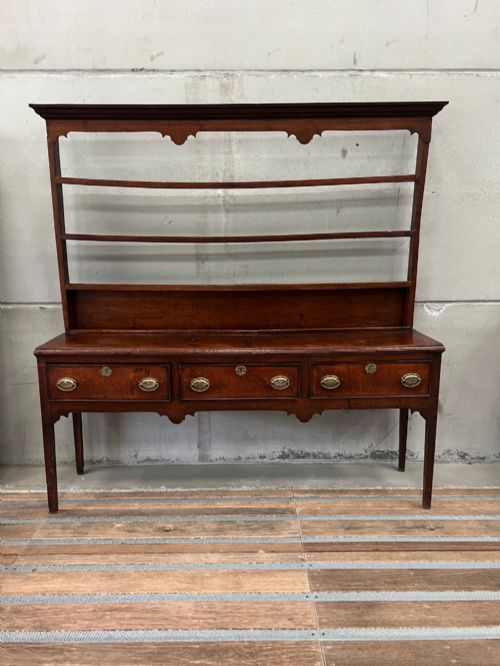
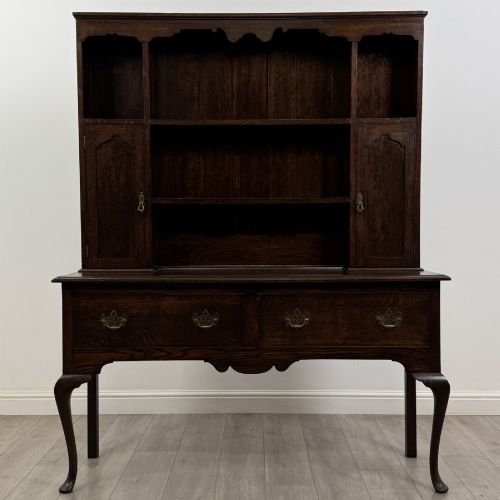
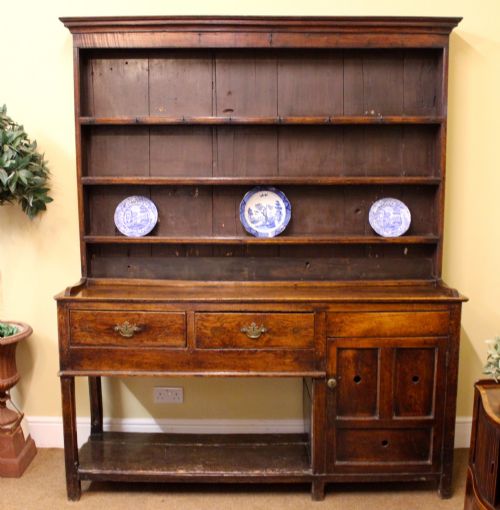
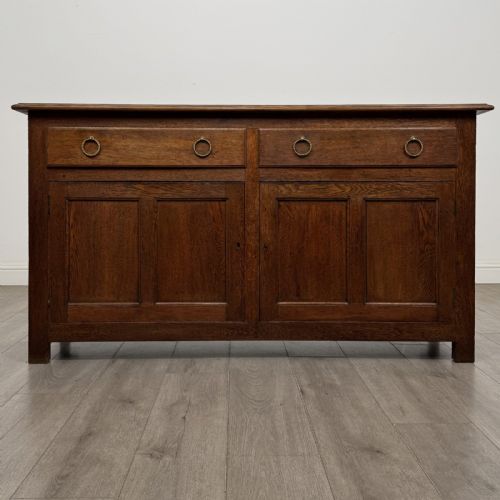
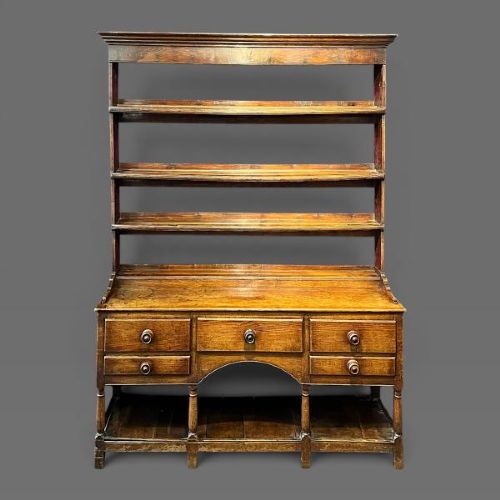
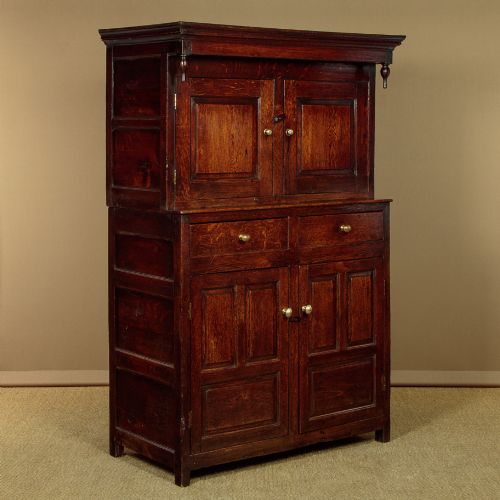
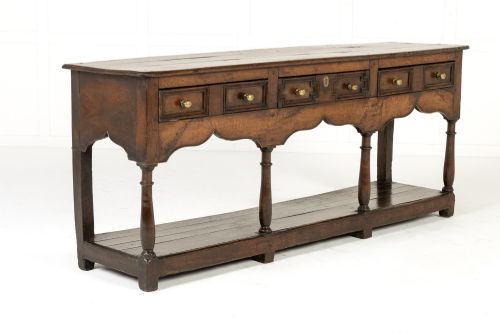
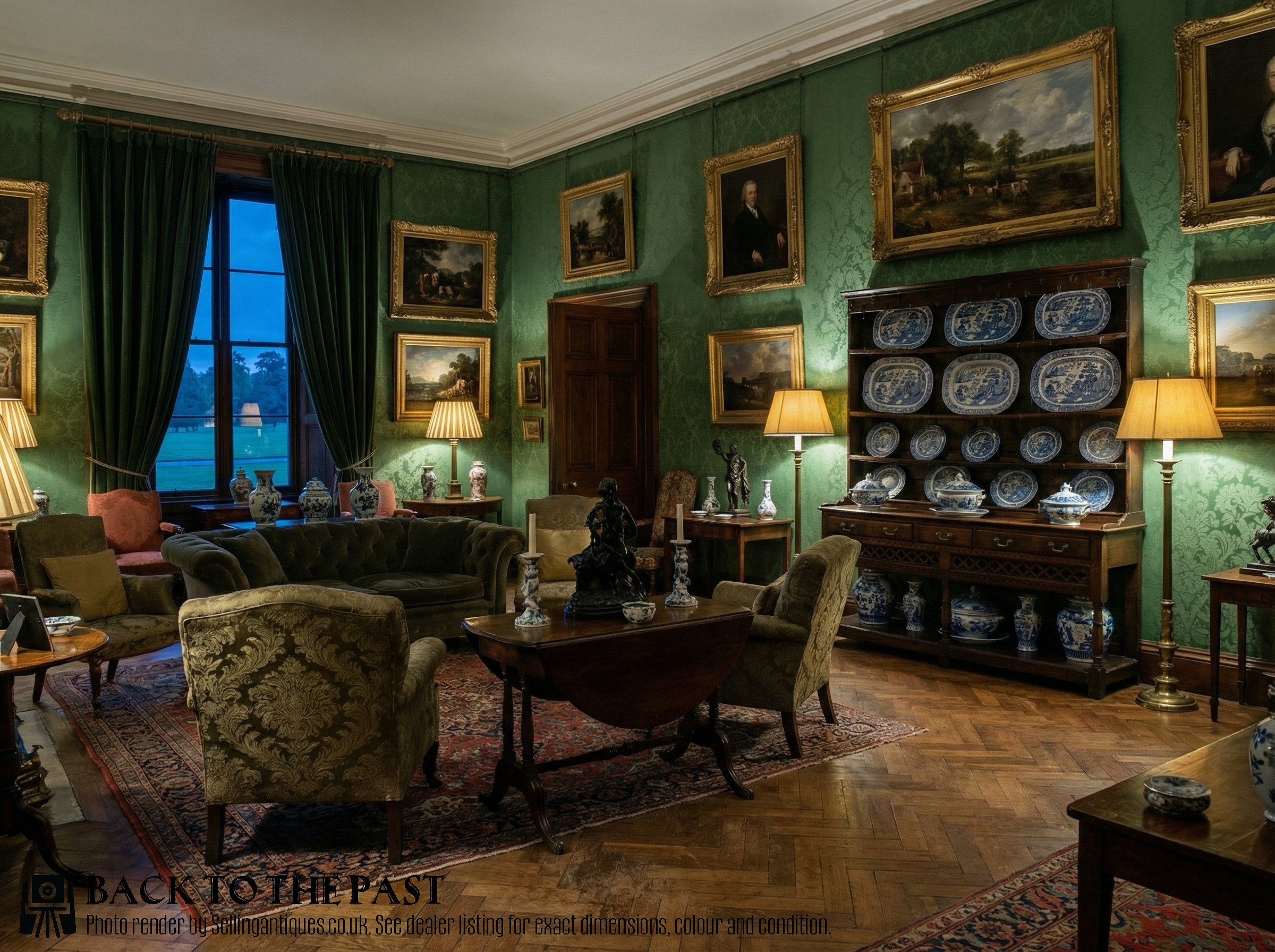
A rustic oak sideboard encompasses heavy timber storage pieces, most frequently appearing as 18th-century and 19th-century dresser bases, potboard dressers, and low cupboards. These forms originate from domestic kitchens and farmhouses where durability and generous surface space mattered most.
Buyers seeking a rustic oak sideboard will frequently encounter English country pieces alongside French provincial examples, often constructed from solid oak with complementary pine or fruit wood elements. Many retain traces of early paint, stripped finishes, or bleached surfaces reflecting generations of domestic use.

How they were made
Cabinet makers built these pieces using solid oak planks, frequently supplemented with pine for secondary boards and fruit wood for contrasting details. Joinery relied on traditional pegged mortise and tenon construction, creating rigid frames capable of supporting heavy everyday loads.
Metalwork played a functional role, utilising forged iron hinges, drop handles, and brass escutcheons to secure doors and drawers. Surface finishes varied from original paint and wax patination to later stripped or bleached treatments.
Rustic Oak Sideboard Retail Price Guide 2026
Typical asking prices for rustic oak sideboard among the pieces listed under this phrase on Sellingantiques today, from the lower quarter to the upper quarter. They describe what is for sale here now, not the wider market.
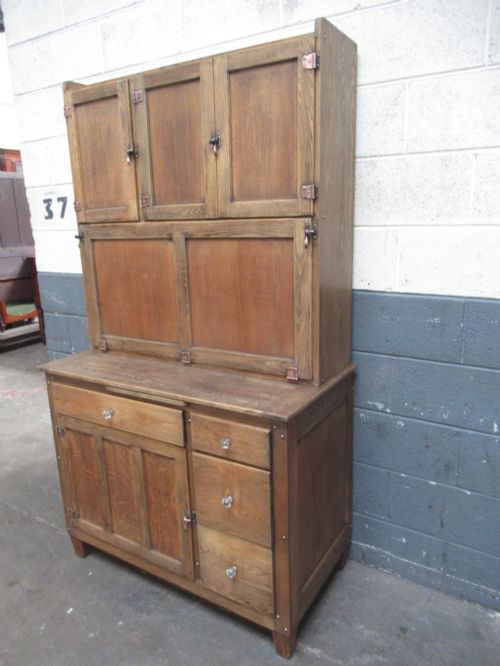
Early French house maid cupboards occasionally smell faintly of stored lavender and centuries of provincial housekeeping.
What varies in quality
The architectural integrity of the timber framing dictates much of the standard, particularly the thickness of the oak top boards and the tightness of the pegged joints. Superior examples maintain their original configuration without excessive replacement of timber or modern structural reinforcement.
Hardware and surface patination further separate standard examples from finer ones. Retaining authentic brass or wrought iron fittings alongside an honest, undisturbed surface finish marks the upper tier of these utilitarian pieces.

The Rustic Oak Sideboard Glossary
- Potboard
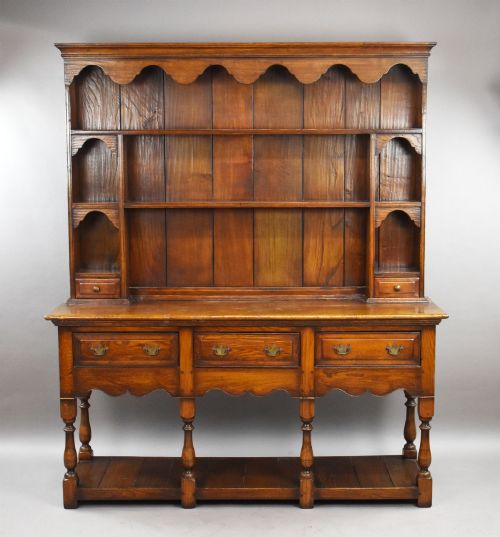
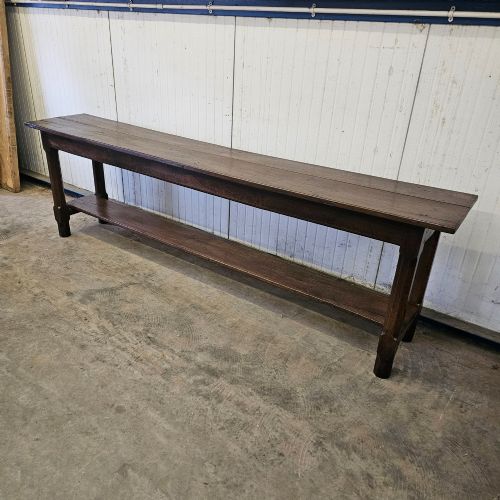
- An open slatted lower shelf incorporated into the base of a dresser for storing heavy ceramic pots and dishes. This platform lifts utensils off damp stone floors.
- Dresser base
- The lower section of a kitchen dresser, configured with drawers above cupboards or an open potboard. These serve independently as robust sideboards.
- Enfilade
- A long sideboard or serving cabinet featuring a sequence of three or more doors across the front. This form is common in French provincial dining spaces.
- Welsh dresser
- A traditional storage unit combining a lower sideboard base with an upper plate rack for displaying ceramics. Pieces often exhibit regional variations in moulding and drawer arrangement.
Rustic Oak Sideboard: Frequently Asked Questions
How do I care for rustic oak furniture?
Maintain the timber by applying natural beeswax sparingly to nourish the dry oak grain and preserve the surface patination.
Keep these pieces away from direct heat sources and sudden humidity shifts to prevent timber movement and splitting.
What is the difference between a dresser base and a sideboard?
A dresser base specifically derives from kitchen furniture, traditionally featuring an open potboard or pot shelf beneath the main bank of drawers.
Sideboards generally evolved for formal dining rooms with enclosed cupboards rather than open lower display platforms.
Can I use an antique oak sideboard in a modern kitchen?
These robust timber units provide exceptional surface space and deep drawer storage suited for contemporary living and dining areas.
The neutral grain of oak integrates naturally alongside modern appliances and minimalist interior schemes.
How do I date an antique oak sideboard?
Examine the construction methods, tool marks on the interior boards, and the configuration of the drawer linings to determine the period.
Hand-cut dovetails, pegged joints, and original iron or brass hardware offer reliable chronological markers.